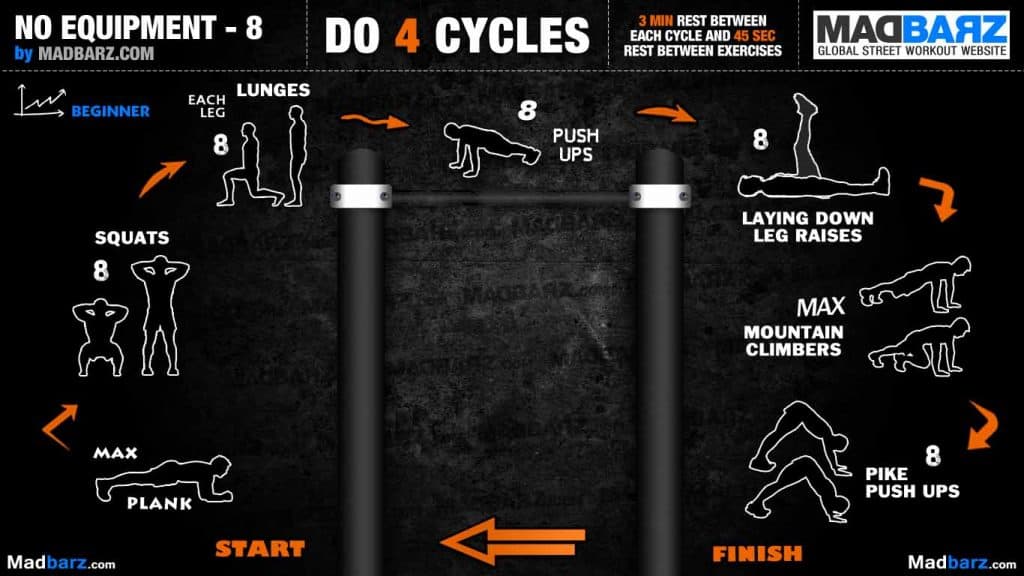
Imagine waking up and having the perfect workout plan waiting for you, no gym membership required. That’s the beauty of a calisthenics home workout plan.
It’s all about using your body weight to get fit and strong, right in the comfort of your own home. You don’t need fancy equipment or a personal trainer to see real results. With just a bit of space and some dedication, you can transform your living room into a powerhouse of fitness.
Are you ready to discover how simple moves can lead to incredible transformations? Let’s dive into a workout routine that fits seamlessly into your lifestyle and helps you achieve the body you’ve always wanted. Keep reading, because this could be the game changer you’ve been looking for.
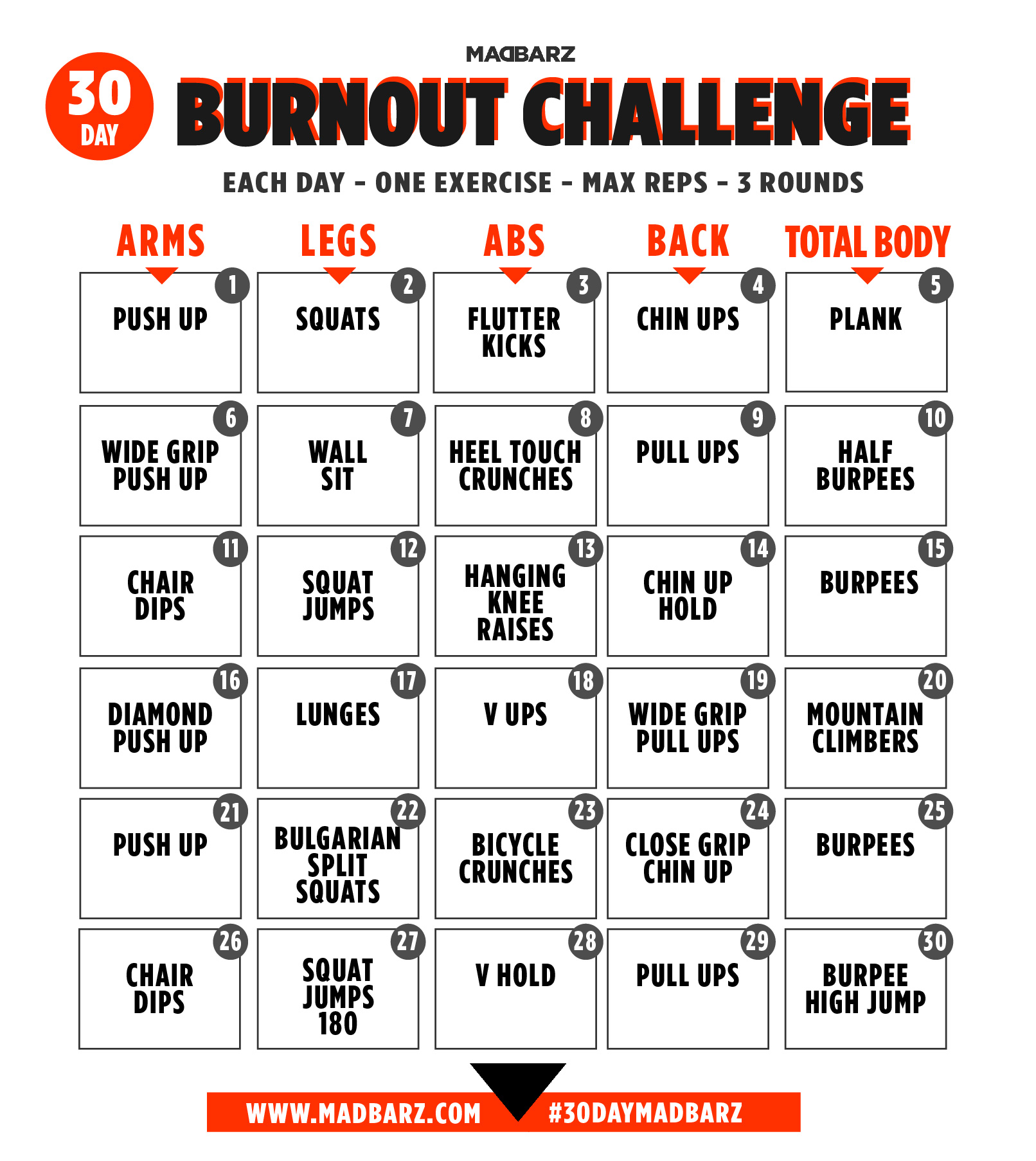
Credit: www.madbarz.com
Benefits Of Calisthenics
Calisthenics home workout plans offer flexibility and convenience, requiring no special equipment. They improve strength, balance, and endurance using your body weight. Perfect for any fitness level, these exercises fit easily into daily routines, promoting a healthier lifestyle at home.
Calisthenics offers a unique approach to fitness, focusing on using your own body weight to build strength, flexibility, and endurance. Unlike traditional gym workouts, calisthenics is accessible, requires minimal equipment, and can be done anywhere. But what truly sets it apart are the numerous benefits it brings to your physical and mental well-being.Improved Strength And Flexibility
Calisthenics helps you gain real strength. You learn to lift and control your own body weight. This not only increases muscle strength but also boosts flexibility. Think about how a simple push-up can engage your chest, arms, core, and back all at once. By practicing regularly, you enhance your body’s overall agility.Cost-effective Fitness
Forget about expensive gym memberships or fancy equipment. All you need is a bit of space and your own body. This makes calisthenics an affordable choice. You can invest in a pull-up bar for added variety, but even that isn’t necessary. The freedom to exercise without financial pressure is a huge plus.Adaptability To Your Schedule
Life can get busy, making it hard to stick to a workout routine. With calisthenics, you have the flexibility to work out whenever it suits you. Whether it’s a 15-minute session in the morning or a quick workout during lunch, you can fit exercise into your day. This adaptability means you’re more likely to stay consistent.Mental Health Boost
Exercise isn’t just about physical benefits. Calisthenics can significantly improve your mental health. The sense of achievement when you master a new move is exhilarating. It builds confidence and reduces stress. Have you ever felt that rush of endorphins after a workout? That’s your brain thanking you.Community And Support
Calisthenics has a strong, welcoming community. Online forums and local meet-ups offer support and motivation. Sharing progress and tips with others keeps you engaged. When you feel part of something bigger, you’re more likely to stick to your goals.Injury Prevention And Safety
Since calisthenics uses natural body movements, it’s generally safer. There’s less risk of injury compared to lifting heavy weights. Listen to your body and progress at your own pace. Have you ever pushed too hard at the gym and regretted it later? Calisthenics encourages mindful movement.Conclusion: Your Next Step
Calisthenics offers a holistic approach to fitness that can transform your body and mind. Are you ready to start this journey? With its numerous benefits, it’s worth giving a try. Embrace the challenge and enjoy the rewards.Essential Equipment
Embarking on a calisthenics home workout plan requires minimal equipment. This makes it accessible for many fitness enthusiasts. The essential equipment focuses on versatile tools that enhance bodyweight exercises. These tools are affordable and fit comfortably into small spaces.
Pull-up Bar
A pull-up bar is vital for upper body strength. It supports exercises like pull-ups and chin-ups. You can install it in door frames easily. Many pull-up bars are adjustable for various heights. This equipment helps target back, shoulders, and arms.
Resistance Bands
Resistance bands add intensity to workouts. They are lightweight and portable. Use them for stretching and strength training. They come in different resistance levels. This allows for gradual progress. Bands are excellent for full-body workouts.
Yoga Mat
A yoga mat provides comfort during floor exercises. It prevents slipping and cushions joints. Use it for planks, sit-ups, or stretches. Yoga mats are easy to store and clean. Choose a mat with good grip and durability.
Parallettes
Parallettes enhance calisthenics routines. They assist in performing dips and L-sits. These bars improve balance and stability. Parallettes are compact and easy to move. They offer an effective way to build core strength.
Jump Rope
A jump rope boosts cardiovascular health. It enhances agility and coordination. Jumping rope burns calories quickly. It requires minimal space for use. This equipment is affordable and fun.
Gymnastic Rings
Gymnastic rings challenge strength and flexibility. They allow dynamic movements and exercises. Rings can be suspended from ceilings or trees. They are adjustable and versatile. Rings improve muscle control and endurance.
Setting Goals
Embarking on a calisthenics home workout plan offers flexibility and convenience. But success hinges on clear goals. Without them, progress stalls. Setting goals gives direction and purpose. They keep you motivated and focused. Whether you’re a beginner or seasoned athlete, defining objectives is crucial.
Understanding Your Fitness Level
Identify where you stand. Are you a newbie or experienced? Knowing your level helps set realistic goals. Beginners can aim for basic movements. Advanced athletes might focus on complex routines. Understanding your current state ensures goals are achievable.
Choosing Specific Goals
Specific goals guide your journey. Do you want to build strength or improve endurance? Each focus requires different approaches. Strength goals might include more repetitions. Endurance might involve longer sessions. Specificity in goals brings clarity.
Setting Short-term And Long-term Goals
Divide goals into short and long-term. Short-term goals offer quick wins. They keep you motivated. Long-term goals show the bigger picture. Both are essential for sustained progress. Balancing them prevents burnout and maintains enthusiasm.
Measuring Progress
Track your achievements. Use a journal or app. Regular tracking reveals progress. It highlights areas for improvement. Celebrate small victories to boost morale. Consistent monitoring keeps you on track and motivated.
Adjusting Goals As Needed
Flexibility is key. Sometimes goals need changes. Life happens, and priorities shift. Adjusting goals keeps your plan relevant. Regular reviews help refine objectives. Staying adaptable ensures continued growth.
Creating A Weekly Schedule
Crafting a weekly schedule for calisthenics home workouts boosts consistency and progress. Focus on balancing different exercises to target various muscle groups. Allocate rest days to ensure recovery and prevent injury.
Creating a weekly schedule for your calisthenics home workout plan is a crucial step in ensuring consistency and progress. It allows you to allocate time efficiently, balance different exercises, and track your growth. This approach not only helps you stay organized but also keeps your motivation high as you see your efforts turning into tangible results.Plan Your Days
Start by choosing which days you’ll dedicate to working out. Consistency is key, so pick days that fit your existing routine. Many people prefer to work out three to five times a week. Think about your personal schedule—do you have more energy in the morning or evening? Align your workout days with times when you feel most energized.Allocate Time For Each Session
Decide how much time you can realistically spend on each workout session. If you’re a beginner, 20 to 30 minutes might be sufficient. As you progress, you can aim for longer sessions. It’s not about how long you work out but how effectively you use the time. Short, intense sessions often yield better results than drawn-out workouts with less focus.Mix It Up
To avoid boredom and target various muscle groups, vary your workouts throughout the week. Consider having different focus days like ‘Upper Body’, ‘Lower Body’, and ‘Core’. Mixing it up keeps things interesting and ensures a comprehensive workout, helping you build strength and flexibility without overworking any one part of your body.Rest And Recovery
Don’t overlook the importance of rest days. They are vital for muscle recovery and overall progress. Allocate at least one or two days for rest or light activities like stretching or yoga. This not only helps your body recover but also prevents burnout and keeps your motivation intact.Track Your Progress
Keep a log of your workouts. Note down what exercises you did, the number of sets and reps, and how you felt afterward. This tracking helps you see your improvement over time and adjust your plan as needed. It’s rewarding to look back and see how far you’ve come.Stay Flexible
Life happens, and schedules can sometimes shift. Be prepared to adjust your workout plan when necessary. Missing a workout isn’t the end of the world; just plan to make it up when possible. Flexibility in your schedule helps you maintain a positive attitude toward your fitness journey. Creating a weekly schedule for your calisthenics home workout isn’t just about organization—it’s about creating a sustainable habit that leads to long-term health benefits. How will you design your schedule to maximize your potential?Warm-up Routine
Embarking on your calisthenics home workout journey? Never underestimate the power of a warm-up routine. It sets the tone for your workout, prepares your muscles, and reduces injury risk. You might be tempted to skip it, but think of it as the foundation for your success.
Dynamic Stretches
Start with dynamic stretches to get your blood flowing. Perform arm circles to loosen your shoulder joints. Leg swings can wake up your hip flexors. These movements mimic the exercises you’ll do later, easing your body into action.
Joint Mobilization
Focus on joint mobilization to enhance flexibility. Rotate your wrists and ankles gently. This targets areas that often bear weight during calisthenics. Feel the tension melt away as you prepare for more intense moves.
Cardio Burst
Add a quick cardio burst to elevate your heart rate. Jumping jacks or high knees can do the trick. These exercises boost circulation, ensuring oxygen flows to your muscles. A little sweat now means better performance later.
Mindful Breathing
Don’t forget mindful breathing. Take deep breaths to center yourself. It sharpens focus and calms nerves. Being mentally prepared can be as important as physical readiness.
Have you ever noticed how a proper warm-up can transform your workout? It’s not just about physical preparation. It’s about setting intentions and creating momentum. So, what’s your warm-up routine like? Could it use a little tweaking? Start today and feel the difference in your next session.
Upper Body Exercises
Strengthen your upper body with calisthenics exercises at home. These exercises require no equipment. You only need your body weight. Focus on form and control. Consistency is key for progress. Let’s explore some effective exercises.
Push-ups Variations
Push-ups are a classic upper body exercise. They target your chest, shoulders, and triceps. Start with standard push-ups. Keep your body straight. Lower your chest to the ground. Then push back up. For more challenge, try decline push-ups. Elevate your feet on a chair. This increases the difficulty. Diamond push-ups are another variation. Place your hands close together, forming a diamond shape. This targets your triceps more.
Pull-ups And Chin-ups
Pull-ups strengthen your back and arms. You need a sturdy bar. Grip the bar with palms facing away. Pull your body up until your chin is above the bar. Lower down with control. Chin-ups are similar. But your palms face you. This targets your biceps more. If pull-ups are too hard, use a chair. Assist yourself by pushing off the chair with one foot.
Dips And Pike Push-ups
Dips target your triceps and shoulders. Use a chair or low table. Place your hands behind you on the edge. Lower your body down by bending your elbows. Push back up to the starting position. Pike push-ups work your shoulders intensely. Start in a downward dog position. Bend your elbows and lower your head towards the ground. Push back up to complete the rep. These exercises build shoulder strength effectively.
Lower Body Exercises
Discover the benefits of lower body exercises with a calisthenics home workout plan. Strengthen your legs and improve balance using simple bodyweight movements. Perfect for beginners, these exercises fit easily into any daily routine.
Lower Body Exercises Working out at home doesn’t mean you have to skip leg day. Lower body exercises are essential for building strength and improving balance. Plus, they don’t require any fancy equipment. Just your body weight and determination. Let’s dive into some effective exercises that will strengthen your legs and improve overall fitness.Squats And Lunges
Squats and lunges are the bread and butter of lower body workouts. They target your thighs, hips, and buttocks, making them crucial for a balanced routine. Stand with your feet shoulder-width apart for squats and lower yourself as if sitting in a chair. To add variety, try lunges by stepping forward with one leg and lowering your hips. Feel the burn in your quads and glutes. Have you ever noticed how these exercises can boost your stamina for daily activities?Calf Raises
Don’t overlook your calves. These muscles play a big role in balance and leg power. Stand straight with your feet hip-width apart. Raise your heels off the ground, balancing on your toes, then slowly lower back down. You can do this while brushing your teeth or waiting for your coffee to brew. How about challenging yourself to keep your balance longer each time?Glute Bridges
Glute bridges are a fantastic way to target your backside and core. Lie on your back with your knees bent and feet flat on the floor. Lift your hips towards the ceiling, squeezing your glutes at the top, then lower back down. This exercise not only strengthens your glutes but also helps in reducing lower back pain. Can you feel the improvement in your posture after consistent practice? By incorporating these lower body exercises into your home workout plan, you can achieve a strong and balanced physique. Are you ready to take the next step in your fitness journey?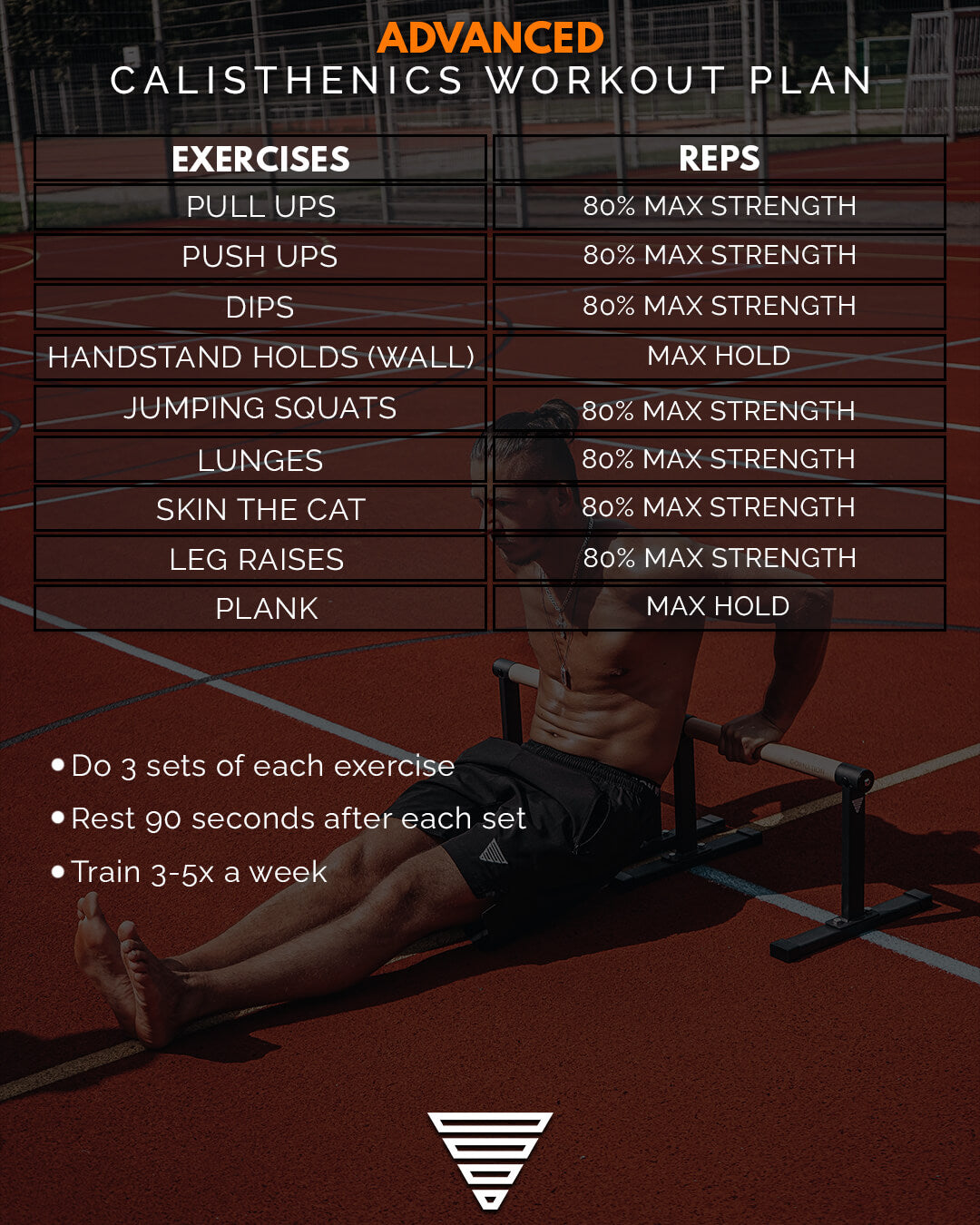
Credit: www.gornation.com
Core Strengthening
Core strengthening is vital for a balanced workout routine. A strong core supports your posture and enhances your overall fitness. It helps in stabilizing your body during movements. This makes daily activities easier and reduces injury risks. Let’s explore some effective exercises for core strengthening.
Planks And Variations
Planks target your entire core. Start with the basic plank position. Keep your body straight and hold it tight. Try side planks to engage your obliques. Incorporate plank rotations for dynamic movement. These variations challenge your stability and build endurance.
Leg Raises
Leg raises focus on your lower abs. Lie flat on your back with legs straight. Lift your legs slowly without bending them. Lower them back down with control. This exercise strengthens your lower core. Add bicycle leg movements for a more intense workout.
Russian Twists
Russian twists work your oblique muscles. Sit on the ground with knees bent. Lean back slightly and lift your feet. Twist your torso side to side. Use a weight for added resistance. This exercise boosts your rotational strength.
Flexibility And Cool Down
Flexibility and cool down are essential parts of any workout routine. They help your body recover and prevent injuries. After a calisthenics session, giving time to unwind is vital. It ensures your muscles stay strong and healthy. Stretching and cooling down also improve your flexibility over time. Let’s dive into effective techniques to enhance your calisthenics workout.
Flexibility: The Key To Fluid Movements
Stretching maintains muscle elasticity. Focus on major muscle groups. Stretch your arms, legs, and back. Use dynamic stretches before you start. These warm up your body, preparing it for exercise. Static stretches are perfect post-workout. They help relax and lengthen muscles. Hold each stretch for at least 30 seconds.
Cool Down: A Gentle Ending
After intense workouts, slow down gradually. Walking in place is effective. It lowers your heart rate steadily. Breathing exercises are beneficial too. Deep breaths help relax your mind and body. It’s a simple yet effective way to unwind.
Benefits Of A Proper Cool Down
A good cool down aids in muscle recovery. It reduces soreness and stiffness. Your body will feel refreshed and ready for the next session. A consistent routine boosts flexibility. Over time, your movements become smoother. The benefits are long-lasting and impactful.
Incorporating Flexibility And Cool Down Into Your Routine
Set aside 10-15 minutes for cool down. Make it a habit after every session. Listen to your body. Adjust stretches according to your needs. Consistency is key. Stick with it for best results.
Tracking Progress
Track your calisthenics progress with a home workout plan. Record reps, sets, and improvements weekly. Stay motivated by seeing your growth.
Tracking progress in your calisthenics home workout plan is essential for maintaining motivation and achieving your fitness goals. It allows you to see how far you’ve come and identify areas for improvement. But how do you effectively track your progress without becoming overwhelmed or losing focus? Let’s dive into some practical strategies to help you stay on top of your game.Set Clear Goals
Begin by defining what success looks like for you. Is it mastering a particular move, increasing the number of reps, or improving your endurance? Write down your goals to keep them tangible. When you achieve a goal, it feels rewarding and boosts your confidence. What specific goal are you aiming for in your calisthenics journey?Keep A Workout Journal
A simple notebook can transform your workout routine. Record your exercises, sets, reps, and rest times. Note how you feel after each session. This helps you spot patterns and adjust your plan accordingly. Over time, you’ll notice improvements that might not be obvious day-to-day. Have you tried journaling your workouts before?Use Technology
Apps and wearables can be great tools for tracking progress. They offer features like timers, reminders, and progress graphs. You can even compare your results with others for extra motivation. Choose a tool that suits your needs and stick with it. Which app are you using to track your calisthenics workouts?Monitor Physical Changes
Besides performance metrics, pay attention to changes in your body. This includes muscle definition, weight, and overall fitness level. Take photos periodically to visually track these changes. It’s fascinating to see how your body evolves with consistent effort. Have you noticed any physical changes since starting your workout plan?Celebrate Small Wins
Recognize and celebrate each milestone, no matter how small. Did you complete an extra rep or hold a plank longer than before? These victories contribute to your overall progress and keep your motivation high. What recent achievement have you celebrated in your workout routine? Tracking your progress is not just about numbers and data; it’s about understanding your journey and embracing every step. Are you ready to start tracking and celebrating your progress in calisthenics?Staying Motivated
Boost motivation with a calisthenics home workout plan. Simple exercises fit any schedule and space. Enjoy progress and improved strength. Stay consistent, and make workouts a rewarding part of your daily routine.
Staying motivated in your calisthenics home workout plan can be challenging, yet it’s crucial for success. Many people start with enthusiasm but find it hard to keep up the momentum. How can you ensure that motivation becomes a constant companion rather than a fleeting visitor?Set Clear Goals
Begin by setting specific, achievable goals. What do you want to accomplish with your calisthenics workout? Is it strength, flexibility, or overall fitness? Define it clearly. Once you have a goal, break it down into smaller milestones. Achieving these will give you a sense of accomplishment and keep you motivated. Celebrate each milestone, no matter how small. This boosts your confidence and encourages you to keep moving forward.Track Your Progress
Keep a workout journal or use a fitness app to track your progress. Documenting your journey provides tangible evidence of improvement. Seeing your progress can be a powerful motivator. It reminds you of how far you’ve come and inspires you to push further. Regularly review your journal or app. Reflect on what worked well and what needs adjustment. This keeps your workout effective and engaging.Create A Support System
Share your goals with friends or family who can support you. Their encouragement can be a great motivator on tough days. Consider joining online communities or forums focused on calisthenics. Sharing your journey with like-minded individuals can provide inspiration and accountability. Engage in challenges or group workouts virtually. These can add excitement and a competitive edge to your routine.Keep Your Workouts Fun
Mix up your exercises to prevent boredom. Try new variations or incorporate music to make workouts more enjoyable. Make your workout space inviting. A well-organized, clean area can enhance your exercise experience. Ask yourself: What makes you look forward to your workouts? Incorporate these elements to keep the fun alive.Reward Yourself
Set up a reward system for achieving milestones. Treat yourself to something special once you hit a goal. Rewards don’t have to be extravagant. Even small things like a favorite snack or extra leisure time can be motivating. Think about how these rewards make you feel. Use that positive energy to fuel your next workout.Safety Tips
Ensure your calisthenics home workout is safe by warming up properly and using correct form. Avoid injuries by listening to your body and stopping when you feel pain. Keep your workout area clear and well-lit to prevent accidents.
Embarking on a calisthenics home workout plan can be incredibly rewarding, but ensuring safety is crucial. No matter your fitness level, staying injury-free should be a top priority. Knowing a few safety tips can make your workouts efficient and enjoyable.Check Your Space
Ensure the area where you work out is clear of any clutter. Tripping over stray objects can lead to unnecessary injuries. Make sure you have enough room to stretch and move freely without hitting anything.Warm-up Properly
Skipping a warm-up is a common mistake. It helps to prepare your muscles and joints for the workout ahead. Try a few dynamic stretches or light cardio to get your blood flowing.Use Proper Form
Form is everything in calisthenics. Incorrect technique can lead to injury and limit your progress. Focus on controlled movements and maintain proper posture. If you’re unsure, consider watching tutorial videos or asking a knowledgeable friend.Listen To Your Body
Your body knows best. If something feels off, stop and reassess. Pushing through pain can lead to serious injuries. If you’re tired, rest and hydrate before continuing.Start Slow And Progress Gradually
Ambition is great, but jumping into advanced moves too soon can be harmful. Begin with basic exercises and gradually increase intensity. Mastering fundamentals will build a solid foundation for more challenging workouts.Stay Hydrated
Water is essential during any workout. It keeps your muscles functioning properly and prevents cramps. Keep a bottle nearby and take sips regularly.Wear Suitable Clothing
Comfortable clothing can make a difference. Choose attire that allows easy movement and absorbs sweat. Proper footwear is also crucial to protect your feet and maintain balance. Engaging in calisthenics at home is convenient and effective. But have you considered how a simple safety tip could save you from a setback? By prioritizing your well-being, you pave the way for a sustainable fitness journey.
Credit: in.pinterest.com
Frequently Asked Questions
Can You Build Muscle With Calisthenics At Home?
Yes, you can build muscle with calisthenics at home. Focus on exercises like push-ups, pull-ups, and squats. Consistency and progressive overload are key. Incorporate variations to challenge muscles. Ensure proper nutrition and rest for optimal muscle growth. Calisthenics offers a versatile and effective workout option.
What Is The 80/20 Rule In Calisthenics?
The 80/20 rule in calisthenics suggests focusing on exercises that offer the most benefits. Spend 80% of your time on fundamental movements like push-ups, pull-ups, and squats. These exercises build strength and muscle effectively, optimizing your workout results. Prioritize quality over quantity for efficient training.
Is 20 Minutes Of Calisthenics A Day Enough?
Yes, 20 minutes of calisthenics daily can be sufficient for basic fitness and improving strength. Consistency is key. Tailor exercises to your goals for optimal results. Adjust intensity and variety to maintain progress and avoid plateaus. Always prioritize proper form to prevent injuries.
Is Calisthenics At Home Effective?
Calisthenics at home is effective for building strength, flexibility, and endurance. It requires no equipment and can be tailored to any fitness level. Consistent practice improves muscle tone and cardiovascular health. Engage in a variety of exercises for balanced development.
It’s a convenient, cost-effective workout solution.
Conclusion
A calisthenics home workout plan offers simplicity and flexibility. No fancy equipment needed. Just dedication and consistency. You can exercise anywhere, anytime. It suits busy schedules perfectly. Regular practice builds strength and endurance. Your body becomes fitter and healthier. Progress is visible with time.
Tracking improvements keeps motivation high. Enjoy the benefits of this effective exercise approach. Feel stronger each day. Embrace this fitness journey. A healthier lifestyle awaits. Remember, every small step counts. Stay committed and enjoy your calisthenics workouts. Success is within reach.
Keep moving and stay positive. Your body will thank you.








