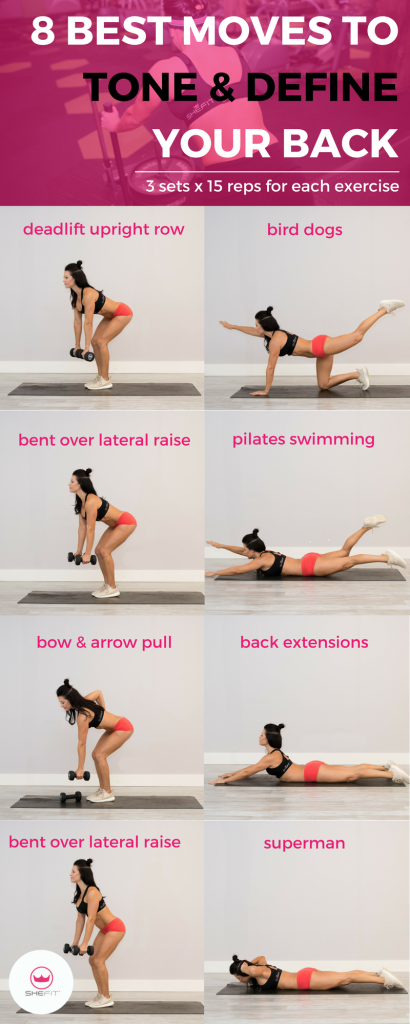
Are you tired of back workouts that require expensive gym memberships and complicated equipment? Imagine achieving a strong, toned back right in the comfort of your own home.
You might be wondering how that’s possible. Well, it’s easier than you think! With just a few simple exercises, you can transform your back and improve your posture, all without stepping outside your door. Are you ready to discover the secret to an effective at-home back workout?
Keep reading to unlock the tips and tricks that will make your back stronger and healthier than ever before.
Benefits Of At-home Back Workouts
Working out at home offers numerous benefits. Especially for your back. It saves time and money. No need for gym memberships. You exercise at your convenience. This flexibility can boost motivation.
Improved Posture
Regular back workouts help correct posture. Strengthening back muscles reduces slouching. A strong back supports spinal alignment. Better posture enhances confidence. It reduces the risk of neck strain.
Cost-effective
Exercising at home minimizes expenses. No need for expensive equipment. Simple exercises require minimal gear. It’s a budget-friendly way to stay fit. Perfect for those with tight budgets.
Convenience And Flexibility
Home workouts offer great flexibility. Exercise anytime suits your schedule. No waiting for gym equipment. Easy to fit workouts into busy days. Ideal for those balancing work and family.
Enhanced Muscle Strength
Back exercises build muscle strength. Strong muscles support daily activities. They reduce injury risks. Lift heavy objects with ease. Enjoy a more active lifestyle.
Privacy And Comfort
Exercising at home ensures privacy. No feeling self-conscious in public gyms. Comfort in familiar surroundings. Focus on workouts without distractions. Create a personal workout space.
Customizable Workouts
Home workouts offer customization. Tailor exercises to your needs. Adjust intensity and duration. Personalize for specific goals. Achieve results at your own pace.

Credit: www.pinterest.com
Essential Equipment
A strong back is vital for daily activities. Essential equipment for at-home workouts includes resistance bands and dumbbells. These tools effectively target back muscles, enhancing strength and flexibility. A yoga mat provides comfort for floor exercises, ensuring proper form and reducing strain.
Essential Equipment Creating a successful at-home back workout requires just a few pieces of essential equipment. You don’t need a fully stocked gym to achieve your fitness goals. With the right tools, you can target those back muscles effectively and efficiently.Resistance Bands
Resistance bands are versatile, affordable, and take up almost no space. They are fantastic for working on your back muscles, offering varying levels of tension. Consider using them for exercises like seated rows or lat pull-downs. If you have a door anchor, you can mimic cable machine workouts right at home. They are a great option if you’re traveling or have limited space. Try incorporating them into your routine and feel the difference they make.Dumbbells
Dumbbells are a classic choice for any strength training routine, including back workouts. They are perfect for exercises like bent-over rows and deadlifts. Having a set of adjustable dumbbells can add variety and challenge to your regimen. You can easily increase or decrease the weight depending on your progress. Investing in a quality set of dumbbells can make all the difference in the long run. It’s amazing how a simple piece of equipment can transform your workout.Pull-up Bars
Pull-up bars are excellent for building upper body strength, especially your back. You can install one in a doorway, making it easily accessible. Pull-ups and chin-ups are fantastic for targeting different parts of your back. If you’re new to pull-ups, resistance bands can assist you in building the necessary strength. Integrate pull-up bars into your routine, and watch your back strength improve. They are a small investment with a big payoff in your fitness journey.Adding these tools to your home gym can elevate your workout experience. Which piece of equipment are you excited to try first?
Warm-up Routine
Starting your workout with a proper warm-up routine sets the tone for a successful session. It awakens your muscles and gets your blood pumping. You might feel tempted to skip it, but think back to a time when you jumped into a workout cold—did you notice how much harder it felt? A warm-up is your gateway to a more effective and enjoyable workout, especially when you’re doing back exercises at home.
Dynamic Stretching
Dynamic stretching is key to loosening up your muscles. It involves movements that mimic your upcoming workout but at a slower pace. Think of arm circles and torso twists. These movements prepare your back and shoulders, allowing them to move freely. If you’ve ever felt tightness during exercise, dynamic stretching might be your solution. It helps prevent injuries, making your workout safer and more productive.
Cardio Warm-up
Cardio warm-up raises your heart rate and boosts circulation. You don’t need fancy equipment—simple jumping jacks or a brisk walk in place works wonders. This step energizes you and gets your muscles ready for action. Imagine the feeling of warmth spreading through your body, indicating that you’re ready to tackle those back exercises with vigor. Do you feel your heart pounding a little faster? That’s your body saying it’s ready.
Integrating a solid warm-up into your routine is a decision you won’t regret. It takes just a few minutes but makes your entire workout more effective. Try it next time, and notice the difference in your performance and how you feel afterward. Your back will thank you!
Core Exercises For Back Strength
Building a strong back doesn’t always need gym equipment. Core exercises at home can enhance your back strength. A robust core supports your spine, improving posture and reducing injury risk. Let’s dive into some key exercises that can help strengthen your back right from your living room.
Plank Variations
Planks are great for the core and back. Start with the basic plank. Hold yourself up on your forearms and toes. Keep your body in a straight line. Hold this position for 30 seconds. Gradually increase the duration as you get stronger.
Try side planks for more challenge. Lie on your side, then lift your body. Support yourself with one forearm. Keep your body straight. This targets your oblique muscles.
Superman Exercise
The Superman exercise strengthens your lower back. Lie face down on a mat. Extend your arms in front of you. Lift your arms, chest, and legs off the ground. Hold this position for a few seconds. Return to the starting position. Repeat this for 10 to 15 reps.
It mimics flying, hence the name. Engage your core and keep your neck neutral. This exercise helps balance the core muscles.
Upper Back Workouts
Strengthen your upper back with at-home workouts using minimal equipment. Focus on exercises like push-ups, planks, and reverse flys. These activities help improve posture and build muscle without needing a gym. Perfect for maintaining a strong back in the comfort of your home.
Upper Back Workouts Strengthening your upper back is crucial for a balanced physique and improved posture. Whether you’re looking to reduce back pain or enhance your athletic performance, targeting the upper back can offer significant benefits. Let’s dive into two essential exercises you can do at home: Bent-Over Rows and Reverse Flys.Bent-over Rows
Bent-over rows are a fantastic way to build strength in your upper back. This exercise not only targets the muscles between your shoulder blades but also engages your arms and core. To perform the bent-over row, all you need is a pair of dumbbells or even water bottles if you’re improvising. Stand with your feet shoulder-width apart, slightly bend your knees, and hinge at your hips. Keep your back straight and pull the weights towards your hips while squeezing your shoulder blades together. Remember to keep your elbows close to your body. This ensures you’re hitting the right muscles. Aim for 3 sets of 10-12 reps. You’ll feel the burn, but that’s your muscles getting stronger.Reverse Flys
Reverse flys are perfect for targeting the rear deltoids and upper back. They’re an excellent complement to bent-over rows, providing a well-rounded workout. Grab your weights and stand with feet hip-width apart. Bend slightly at the hips, keeping your back straight. With a slight bend in your elbows, raise your arms out to your sides until they’re level with your shoulders. Control the motion as you lower your arms back down. This exercise is all about form, so focus on quality over quantity. Try for 3 sets of 8-10 reps. Feel that engagement in your upper back? That’s progress. — Incorporating these exercises into your routine can lead to noticeable improvements. What changes will you notice after a few weeks of consistent effort? Better posture? Less tension in your shoulders? Each session brings you closer to your goals. Keep pushing, and remember, the effort you put in today will pay off tomorrow.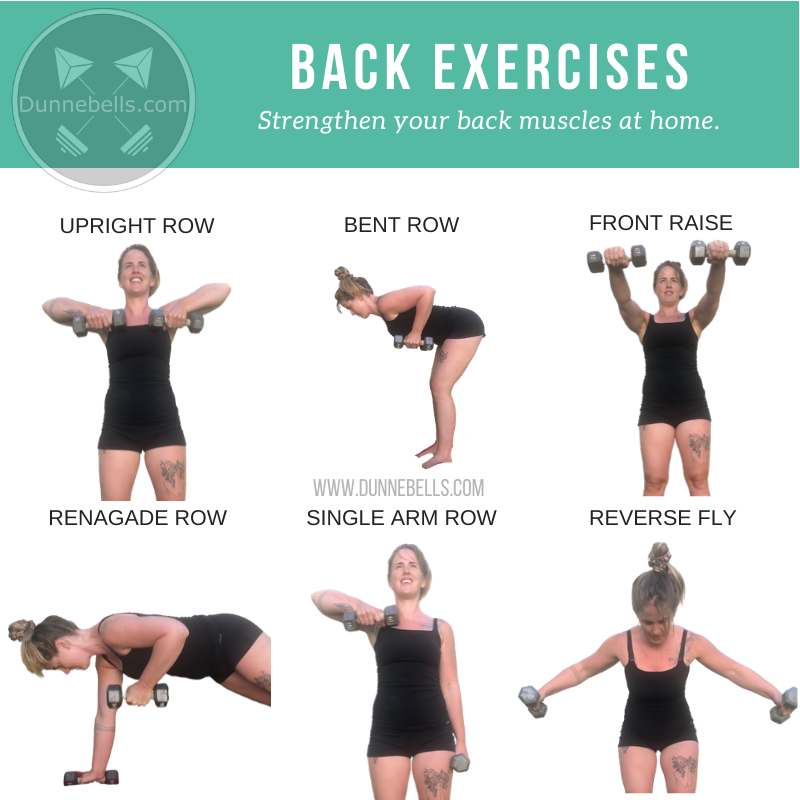
Credit: www.dunnebells.com
Lower Back Workouts
Strengthen your lower back with easy exercises at home. Focus on simple moves like bridges and planks. Improve posture and stability with regular practice.
Strengthening your lower back is crucial for overall fitness and wellbeing. A strong lower back supports your spine, improves posture, and can help prevent injuries. When working out at home, there are effective exercises you can do to target this area without any fancy equipment. Ready to boost your back strength and enhance your daily life?Deadlifts
Deadlifts are a powerhouse move for your lower back. They not only target the muscles in your lower back but also engage your glutes and hamstrings. Stand with your feet shoulder-width apart. Keep your back straight and bend at the hips to lower your torso. Hold onto a weight like a dumbbell or even a heavy backpack. Lift the weight by straightening your body, keeping your core tight. Feel the power in your back muscles as you stand tall. Are you feeling the burn yet? Remember, consistency is key. Add deadlifts to your routine twice a week and notice the difference in your back strength.Back Extensions
Back extensions are another fantastic exercise for a strong lower back. You can do them on the floor or using a stability ball. Lie face down with your arms extended in front of you. Raise your upper body off the ground, squeezing your lower back muscles. Hold the position for a few seconds before lowering back down. If you have a stability ball, you can do this exercise by placing your hips on the ball and anchoring your feet against a wall. Have you tried using a stability ball before? It adds a challenging twist to the workout. Aim for three sets of 10 to 15 repetitions to see improvements over time. Incorporating these exercises into your home workout routine can significantly enhance your lower back strength. What’s your favorite back workout that you’ve tried at home? Share your experiences in the comments below!Improving Posture With Back Exercises
Enhance your posture with simple back exercises done at home. These workouts strengthen muscles, support your spine, and improve daily comfort. Regular practice can lead to noticeable results, making everyday movements easier and more comfortable.
Improving posture with back exercises is not just about aesthetics; it’s about health and confidence. A strong back can help you stand tall, reduce pain, and even boost your mood. Many people overlook their posture until they experience discomfort. Regular back workouts at home can be a game-changer.Posture Correction Tips
Start by assessing your current posture. Look in the mirror and notice if your shoulders are slouching or if your head juts forward. Awareness is the first step to improvement. Use a simple trick: imagine a string pulling you up from the top of your head. This can help you realign your spine and shoulders throughout the day. Small adjustments like these can make a significant difference over time. Consider using a posture app or timer to remind you to check your posture regularly. Consistency is key to making lasting changes.Exercises For Alignment
Focus on exercises that target your upper, middle, and lower back. A balanced approach ensures you strengthen all the muscles that support your spine. Superman Exercise: Lie face down, lift your arms and legs simultaneously, and hold for a few seconds. This exercise strengthens your lower back and encourages proper spinal alignment. Wall Angels: Stand with your back against a wall, arms at a 90-degree angle. Slide your arms up and down, keeping them in contact with the wall. This exercise opens up the chest and aligns the shoulders. Reverse Fly: Use light weights or water bottles. Bend slightly forward and extend your arms out to the side, squeezing your shoulder blades together. It’s excellent for strengthening your upper back and improving posture. Have you ever noticed how your mood lifts when you stand tall? This is not just psychological; it’s biological. Improved posture can enhance your breathing and circulation, leading to better energy levels. Remember, the goal is progress, not perfection. Small, consistent efforts in your back workout routine can lead to impressive posture improvements. Are you ready to make a change? Start today and feel the difference!Creating A Balanced Routine
Strengthening your back at home requires a balanced routine. Focus on exercises like reverse flys and superman. Regular practice helps improve posture and reduce pain.
Creating a balanced at-home back workout routine is essential for achieving strength and flexibility without stepping into a gym. A well-rounded program not only targets multiple muscle groups but also ensures you’re not overworking any specific area. It’s about finding harmony between exertion and rest, and ensuring your back remains strong, supported, and injury-free.Weekly Workout Schedule
A thoughtfully planned weekly workout schedule can transform your fitness journey. Start by allocating specific days for different back exercises. For instance, you might do pull-ups on Monday, resistance band rows on Wednesday, and yoga stretches on Friday. This variation keeps your routine fresh and prevents monotony. Balance is key—avoid working the same muscle group on consecutive days. Your goal is to engage all parts of the back, from the lats to the lower back, ensuring comprehensive development.Rest And Recovery
Rest is as crucial as the workout itself. Your muscles need time to repair and grow stronger. Overtraining can lead to fatigue and injuries, which can derail your progress. Integrate rest days into your schedule—consider them as important as workout days. Listen to your body; if you’re feeling unusually sore, give yourself an extra day off. Stretching and foam rolling can also aid in recovery, helping to alleviate tension and improve flexibility. Have you ever noticed your performance dipping despite consistent workouts? That might be your body’s way of asking for a break. Prioritize recovery to maintain a steady path toward your fitness goals. A balanced routine, enriched with variety and rest, will keep you motivated and eager to continue. What steps will you take today to ensure your back workout is both effective and sustainable?Tracking Progress
Monitor your growth with a home back workout. Regular checks help you see improvements and adjust routines. Keep motivated by noting every milestone achieved.
Working out at home can be incredibly rewarding, especially when you start seeing progress. But how do you really know you’re getting stronger? Tracking progress is crucial, not just to keep motivated, but also to ensure you’re challenging yourself effectively. It’s like having a conversation with your body, understanding what it needs, and celebrating your wins. So, let’s dive into measuring your strength gains and adjusting intensity to keep your home workouts thriving.Measuring Strength Gains
Tracking strength gains doesn’t have to be complicated. Keep it simple: track the number of reps, sets, and the weight you’re lifting. You can use a notebook or an app to log your workouts. Over time, you’ll see patterns and improvements. Personal experience: When I started tracking, I noticed I could do five more push-ups in just two weeks. That felt awesome and kept me pushing harder. Consider using a simple table to track your progress weekly:| Exercise | Reps | Sets | Weight |
|---|---|---|---|
| Push-ups | 15 | 3 | Bodyweight |
| Squats | 20 | 3 | 5 kg |
Adjusting Intensity
As you track your progress, it’s important to adjust the intensity of your workouts. Are you finding your routine too easy or too challenging? This is your cue to change things up. Adding more weight or increasing the number of reps can push your limits. Also, try different variations of exercises, like incline push-ups or pistol squats. These adjustments help muscles grow and prevent your workouts from becoming stale. Ask yourself: When was the last time you changed your workout routine? If it’s been a while, it’s time for a refresh. Challenge yourself with new goals. Set a target to increase your reps by 10% in the next month. Small changes lead to big results. Tracking your progress is not just about numbers. It’s about feeling good and staying motivated. Celebrate your milestones and adjust your intensity to keep moving forward. You got this!
Credit: www.menshealth.com
Safety Tips For Home Workouts
Working out at home offers convenience and privacy. It’s important to stay safe. Injuries can happen if you’re not careful. Use the right techniques. Focus on proper form.
Avoiding Injury
Start with a warm-up. Prepare your muscles for the workout. Stretch gently to increase flexibility. Don’t rush. Pay attention to your body’s signals. Stop if you feel pain. Use supportive surfaces for exercises. Avoid hard floors. These measures help prevent injury.
Proper Form And Technique
Proper form is crucial for a safe workout. Keep your back straight during exercises. Engage your core muscles. Watch your movements in a mirror. This helps maintain the right posture. Follow online tutorials if unsure. Slow and controlled movements are best. They prevent strain and enhance effectiveness. Practice consistency for better results.
Frequently Asked Questions
How Can I Workout My Back At Home?
Perform back workouts at home using exercises like push-ups, supermans, and resistance band rows. Incorporate planks and reverse flys for added strength. Ensure proper form to prevent injury. Consistently train for the best results.
Can You Build Your Back Without Weights?
Yes, you can build your back without weights. Use exercises like pull-ups, push-ups, and planks. Incorporate resistance bands for added challenge. Consistent practice leads to strength and muscle growth.
What Is The 6 12 25 Rule?
The 6 12 25 rule refers to financial planning. Save 6 months’ expenses, invest 12% of income annually, and retire with 25 times your annual expenses. This approach ensures financial stability, long-term growth, and a secure retirement.
Are 4 Exercises Enough For A Back Day?
Four exercises can be enough for a back day if they target different muscle groups effectively. Focus on compound movements like pull-ups, deadlifts, rows, and lat pull-downs. Ensure proper form and intensity for optimal results. Tailor the workout to your fitness level and goals for balanced development.
Conclusion
A strong back workout at home is achievable and rewarding. Regular exercises boost strength and posture. No need for fancy equipment. Just dedication and consistency. Try different exercises to keep it exciting. Listen to your body and rest when needed.
Progress may be slow, but it’s worth it. You’ll feel healthier and more energetic. Remember, a fit back supports daily activities. So, make time for these workouts. Your future self will thank you. Stay motivated and enjoy the journey. Keep pushing forward.








