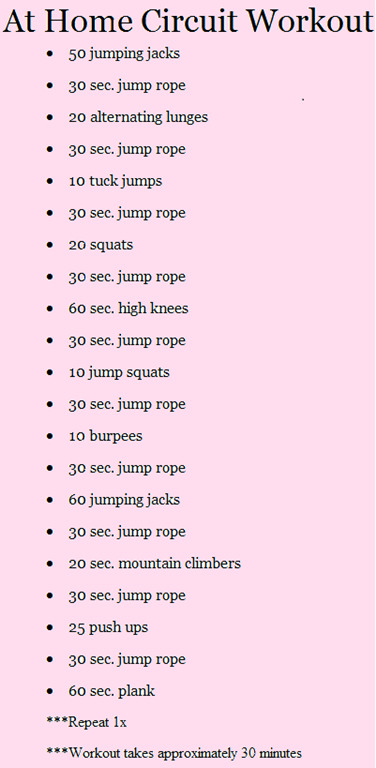
Are you tired of the same old gym routine or simply looking to squeeze in an effective workout without leaving your home? The perfect solution is right at your fingertips.
An at-home workout circuit is a fantastic way to transform your living room into a personal fitness studio. Imagine torching calories, building strength, and improving your mood—all without stepping out your front door. This isn’t just another exercise plan; it’s your ticket to achieving fitness goals while saving time and money.
Dive into this guide to discover how you can start a workout regimen that fits seamlessly into your lifestyle and keeps you motivated every step of the way. Your fitness journey awaits, and it starts right here.
Benefits Of Home Workouts
Transform your living room into a fitness hub with at-home workout circuits. Save time and avoid gym fees while boosting your health. Enjoy flexibility and convenience as you exercise at your own pace, anytime.
Home workouts have become a popular choice for many fitness enthusiasts. They offer flexibility, convenience, and numerous health benefits. Whether you’re looking to save time or money, exercising at home can be a practical solution for staying fit and healthy.Save Time And Money
Exercising at home eliminates the need for a gym membership. You save on travel time and costs. Imagine finishing a workout in the time it takes to commute to the gym.Flexibility In Schedule
Home workouts allow you to exercise on your own terms. You can squeeze in a session during a lunch break or unwind with yoga after dinner. This flexibility helps maintain a consistent routine.Comfort And Privacy
Many people feel more comfortable working out at home. You can wear what you like and exercise without feeling self-conscious. This privacy can boost your confidence and focus.Customizable Workouts
Tailor your workouts to fit your goals. Whether you prefer strength training, cardio, or yoga, you can create a program that suits your needs. It’s your workout, your way.Family-friendly Activity
Home workouts can involve the whole family. Turn your living room into a mini-gym and encourage everyone to join in. It’s a fun and healthy way to bond.Minimal Equipment Needed
Many effective exercises require little to no equipment. Bodyweight exercises like push-ups, squats, and planks are great starting points. If you want to add more, resistance bands or dumbbells are affordable options. Are you ready to transform your living space into a fitness haven? Embrace the freedom and benefits of home workouts, and watch your fitness journey unfold right in front of you.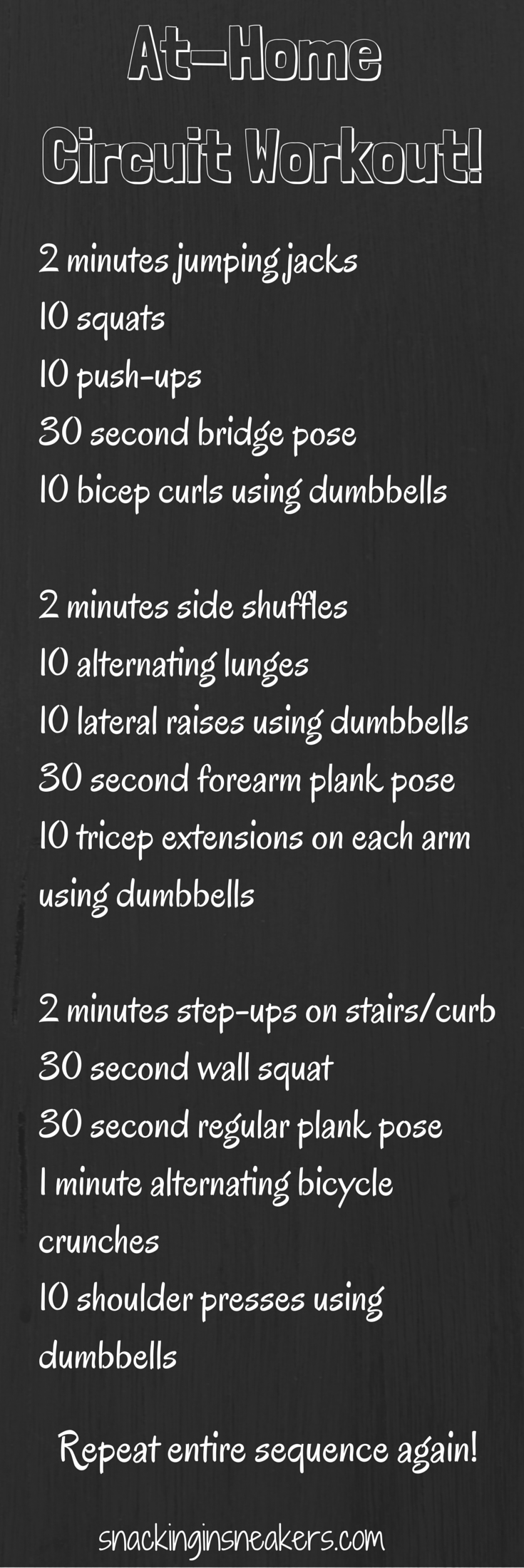
Credit: www.snackinginsneakers.com
Setting Up Your Space
Create an ideal workout space at home by clearing clutter and organizing equipment. Use a mat for comfort and safety. Keep your area well-lit to boost motivation during exercises.
Setting up your space for an at-home workout circuit can be the key to a successful exercise routine. Your environment plays a crucial role in how motivated and focused you feel. Transforming a corner of your home into a workout haven doesn’t have to be complicated or expensive. It’s about making it functional and motivating, a place where you’re excited to move.Choosing The Right Area
The first step is selecting the perfect spot in your home. Look for a place where you feel comfortable and have enough room to move freely. Your living room, garage, or even a spacious hallway can be excellent choices. Consider the flooring. A carpeted area might be cozy, but a hard surface can offer better stability for certain exercises. Think about the lighting too. Natural light can boost your mood, making workouts more enjoyable. Remember, this space is your personal gym. It should inspire you. Hang a motivational poster or keep your favorite playlist ready. What small change will make your workout zone feel more inviting?Essential Equipment
Having the right equipment on hand can make a huge difference. You don’t need to invest in expensive gear. Start with basics like a yoga mat, a set of dumbbells, and a resistance band. These versatile items can support a wide range of exercises. Consider adding a jump rope for cardio or a kettlebell for strength training. If space allows, a foldable exercise bench can offer more workout options. Organize your equipment neatly. Use baskets or shelves to keep everything accessible and tidy. This not only saves time but also keeps your space clutter-free. How can your setup encourage you to exercise more regularly? Ultimately, your workout space should reflect your personal style and fitness goals. Tailor it to your needs and make it a place where you look forward to spending time. You’ll be surprised at how much more motivated you feel when your environment is set up for success.Creating A Circuit Plan
Creating a circuit plan for home workouts can be empowering. It allows you to tailor exercises to your goals and needs. A well-structured plan keeps you motivated and ensures progress. Let’s explore how to design an effective circuit plan.
Designing A Balanced Routine
A balanced routine targets all major muscle groups. Include exercises for upper and lower body. Add movements for core strength and flexibility. This approach prevents muscle imbalances and enhances overall fitness. Consider your fitness level when selecting exercises. Beginners may start with simpler movements. Advanced individuals can add complex exercises.
Incorporating Cardio And Strength
Integrate cardio to boost heart health and burn calories. Jumping jacks and burpees are effective choices. Pair these with strength exercises like squats and push-ups. Alternating between cardio and strength increases workout intensity. This combination aids weight loss and muscle toning. Adjust the duration to match your stamina. Aim for a mix that keeps your heart rate up.
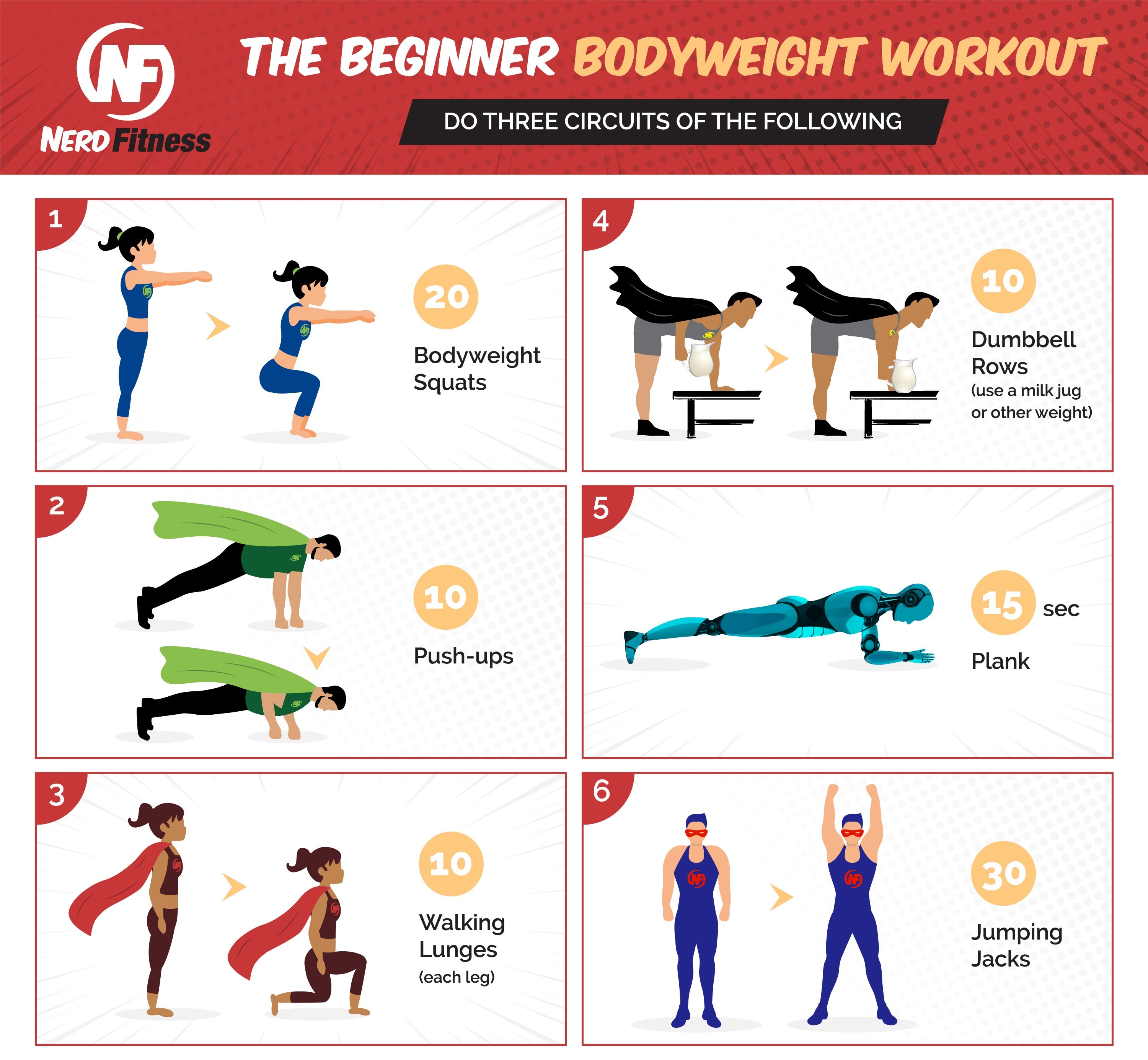
Credit: www.nerdfitness.com
Warm-up Essentials
Starting your workout with a proper warm-up is like tuning an instrument before a concert. It sets the stage for a successful session, preparing your body for the exercises ahead. Whether you’re a seasoned athlete or just getting started, a good warm-up is essential to avoid injuries and maximize performance. Let’s dive into some warm-up essentials that will get you ready for your at-home workout circuit.
Dynamic Stretching
Dynamic stretching involves moving parts of your body through a full range of motion. Think leg swings, arm circles, and torso twists. These movements increase blood flow and improve flexibility, making your muscles more responsive.
Try swinging your legs back and forth for a minute. Feel the tension ease and the energy flow. It’s like waking up your body from a long nap.
Cardio Burst
A quick cardio burst gets your heart pumping and your blood flowing. A minute of jumping jacks or high knees can do wonders. This burst prepares your cardiovascular system for more intense activity.
Have you ever noticed how your energy levels spike after a quick round of jumping jacks? It’s your body gearing up for action. Feel the rhythm, embrace the moment, and let your heart set the pace.
Joint Mobilization
Mobilizing your joints is crucial for preventing stiffness and enhancing movement quality. Focus on rotating your wrists, ankles, and shoulders. These simple moves can make a big difference.
Imagine your joints as hinges on a door. A little mobilization keeps them well-oiled and functioning smoothly. When was the last time you gave your joints some love?
Breathing Exercises
Don’t underestimate the power of breathing exercises. Deep, controlled breaths calm your mind and optimize oxygen flow. Try inhaling deeply, holding for a few seconds, then exhaling slowly.
Breathing sets the tone for your workout. It’s your body’s natural reset button. Have you noticed how a few deep breaths can clear your mind and focus your energy?
As you prepare for your at-home workout circuit, remember that a thoughtful warm-up is your foundation. What warm-up rituals do you swear by? Share your thoughts and join the conversation.
Core Circuit Exercises
Core circuit exercises are crucial for building stability and strength. These exercises enhance your overall fitness and improve your posture. A balanced core workout targets multiple muscle groups. It’s essential to include exercises for the upper body, lower body, and core strengthening.
Upper Body Focus
Push-ups are a classic exercise for the upper body. They target the chest, shoulders, and triceps. Start with your hands shoulder-width apart. Keep your body straight and lower your chest to the floor. Another effective exercise is plank rows. Use dumbbells for added resistance. This movement engages your core and strengthens your back.
Lower Body Focus
Squats are a great exercise for the lower body. They focus on the thighs, hips, and glutes. Stand with feet shoulder-width apart. Bend your knees and lower your hips. Lunges are also beneficial. They work on the quads and hamstrings. Step forward with one leg and bend both knees. Maintain a straight posture for balance.
Core Strengthening
Planks are excellent for core strengthening. They engage multiple muscles simultaneously. Hold a plank position with elbows beneath shoulders. Keep your body in a straight line. Russian twists further enhance your core strength. Sit on the floor and lean back slightly. Rotate your torso from side to side. This exercise targets the obliques effectively.
Cool Down And Recovery
Ease muscle tension and boost recovery with a cool-down routine after your home workout circuit. Stretching and breathing exercises promote relaxation and flexibility, preparing your body for the next workout.
Wrapping up your at-home workout circuit with a thoughtful cool down and recovery routine is crucial. It not only helps prevent injuries but also enhances your overall workout experience. A well-planned cool down phase can be the difference between waking up refreshed or feeling sore the next day. Let’s dive into some key components that make up an effective cool down and recovery process.Stretching Techniques
Stretching is vital after an intense workout. It helps relax your muscles and improve flexibility. Consider incorporating a mix of static and dynamic stretches. Static stretches, like holding a hamstring stretch for 30 seconds, help elongate the muscles. Dynamic stretches, such as leg swings, maintain movement and help circulate blood flow. Mixing both can provide a balanced approach to your cooldown. Have you tried adding deep breathing to your stretches? It can enhance relaxation and make the process more enjoyable.Hydration And Nutrition
Staying hydrated is essential, especially after sweating through a rigorous workout. Drinking water helps replenish lost fluids and aids muscle recovery. Consider adding electrolytes if your workout was particularly intense. Nutrition plays a complementary role in recovery. A balanced snack with protein and carbs within 30 minutes post-workout can aid muscle repair and replenish energy. Think about a banana with peanut butter or a simple protein shake. How do you fuel your body after a workout? Incorporating these cool down and recovery techniques can transform your at-home workout experience. They help ensure you’re ready and eager for your next session. What changes will you make to your post-workout routine today?Tracking Progress
Boost motivation by tracking progress in your at-home workout circuit. Simple charts or notes help visualize improvements. Celebrate every milestone to stay committed and active.
Tracking progress in your at-home workout circuit is crucial to maintaining motivation and achieving your fitness goals. It’s not just about the numbers on the scale or the inches lost; it’s about seeing tangible improvements in your strength, endurance, and overall well-being. By keeping a close eye on your progress, you can make informed decisions about when to push harder and when to ease up.Setting Achievable Goals
Start by setting realistic and achievable goals. These should be specific, measurable, and time-bound. Instead of saying “I want to get fit,” aim for “I want to do 20 push-ups in a row within a month.” Think about what you want to accomplish. Maybe it’s to run a 5k or to master a yoga pose. Whatever it is, make sure it excites you. Write down your goals and place them somewhere visible. Seeing them daily will serve as a constant reminder and motivator.Monitoring Improvements
Track your workouts in a journal or an app. Record the exercises, reps, and sets you complete, as well as how you feel afterward. Regularly review your entries to spot patterns and improvements. Did you notice you can do more squats or hold a plank longer than last week? Consider using a fitness tracker or smartwatch. These devices can provide valuable data on your heart rate, calories burned, and even your sleep patterns. Ask yourself: Are you feeling stronger? Do your clothes fit better? Sometimes progress is not just numbers but how you feel in your daily life. Celebrate small wins. Each step forward is a success worth recognizing. Treat yourself to something special when you hit a milestone. Tracking your progress keeps you accountable and motivated. It helps you understand what works and what doesn’t, allowing you to tailor your workouts for maximum benefit. Remember, it’s not just about reaching the destination but enjoying the journey and learning along the way. What insights have you gained from tracking your own fitness journey?
Credit: www.pinterest.com
Staying Motivated
Staying motivated during at-home workouts can be challenging. Many people start with enthusiasm but lose steam over time. Keeping up motivation is key to achieving fitness goals. Here are some tips to keep your energy high while working out at home.
Overcoming Plateaus
Hitting a plateau can be frustrating. Progress slows down. This is common in any workout routine. To overcome this, change your routine. Add new exercises. Increase intensity. This keeps your body guessing. It breaks the monotony. Push past your limits to see results.
Incorporating Variety
Variety keeps workouts exciting. Mix up your exercises regularly. Include cardio, strength, and flexibility workouts. Try different styles. Dance one day, yoga the next. This prevents boredom. Keeps your mind engaged. Your body benefits too. You work different muscles. This leads to balanced strength and endurance.
Frequently Asked Questions
What Is The 3/2/1 Rule In Gym?
The 3/2/1 rule in gym refers to a workout structure: 3 sets, 2 exercises, and 1 minute rest. This approach helps balance strength training and recovery, ensuring effective muscle growth and improved fitness. It enhances workout efficiency and keeps sessions organized, making it ideal for various fitness levels.
What Is The 4 2 1 Workout Split?
The 4 2 1 workout split involves four days of weight training, two days of cardio, and one rest day weekly. This balanced routine helps build muscle, improve cardiovascular health, and allows time for recovery. It’s suitable for intermediate fitness enthusiasts seeking a structured yet flexible workout plan.
Is 30 Minutes Of Circuit Training Enough?
Yes, 30 minutes of circuit training can be effective. It boosts cardiovascular fitness, burns calories, and builds strength. Consistency and intensity are key to seeing results. Adjust exercises to match your fitness level for optimal benefits.
What Is A Good Workout Schedule At Home?
A balanced home workout schedule includes strength training, cardio, and flexibility exercises. Aim for 30 minutes daily. Focus on different muscle groups each day. Include rest days for recovery. Consistency and variety are key to progress and motivation. Use online resources for guidance and inspiration.
Conclusion
An at-home workout circuit offers many benefits. It’s convenient and flexible. You can exercise anytime without leaving your house. This routine saves time and money. No gym membership needed. It also helps build consistency. Staying active improves health and mood.
Plus, you can customize the circuit. Tailor it to fit your needs and goals. Remember to listen to your body. Adjust intensity as needed. Stay committed and enjoy the process. Fitness is a journey, not a sprint. Start today and embrace the change.
Your future self will thank you. Keep moving, stay healthy, and have fun!








