
Are you wondering if Medicaid will cover Ozempic for weight loss? You’re not alone.
Many people are curious about this medication that’s been making waves for its effectiveness. If you’re looking to shed some pounds and are considering Ozempic, it’s crucial to know whether your insurance will support this choice. Imagine finding a solution that not only fits your health needs but also your financial situation.
Understanding your Medicaid benefits could be the key to unlocking a healthier version of yourself without breaking the bank. Read on to discover the ins and outs of Medicaid coverage for Ozempic and take a step closer to making an informed decision about your health journey.
Medicaid And Its Coverage Policies
Medicaid coverage for Ozempic focuses on diabetes treatment rather than weight loss. Policies vary by state and individual circumstances. Consulting with healthcare providers can clarify eligibility and benefits.
Navigating the world of Medicaid and its coverage policies can be a bit overwhelming. Especially when you’re trying to understand if treatments like Ozempic for weight loss are covered. Medicaid is a state and federal program that helps with medical costs for people with limited income and resources. But what does that mean for you if you’re considering Ozempic for weight management?Basics Of Medicaid
Medicaid provides health coverage to millions of Americans. It’s designed to assist those who can’t afford healthcare otherwise. The program covers a wide range of health services, but each state manages its own Medicaid program. This means coverage can vary significantly depending on where you live. Medicaid typically covers services like hospital stays, doctor visits, and long-term care. However, when it comes to prescription medications, coverage can be a bit more complex. Each state’s Medicaid formulary—essentially a list of covered medications—determines what drugs are included. This is where things can get tricky with Ozempic.Eligibility Criteria For Medicaid
To benefit from Medicaid, you must meet certain eligibility criteria. These criteria often include income levels, family size, and sometimes even health conditions. If you’re considering applying, it’s crucial to check your state’s specific requirements. Being eligible for Medicaid means you have access to essential health services that you might not otherwise afford. But even if you qualify, understanding what treatments are covered can be confusing. If you’re interested in Ozempic for weight loss, checking if it’s on your state’s formulary is a vital step. Have you ever wondered why certain medications make the list while others don’t? It often boils down to medical necessity and cost-effectiveness. States weigh these factors heavily when deciding what to cover. If you’re curious about your eligibility or coverage options, don’t hesitate to reach out to your state’s Medicaid office for more information. They can provide clarity and guide you on the right path. Understanding Medicaid’s coverage policies is essential for making informed health decisions. Remember, it’s not just about whether Ozempic is covered. It’s about knowing your options and ensuring you have access to the treatments you need.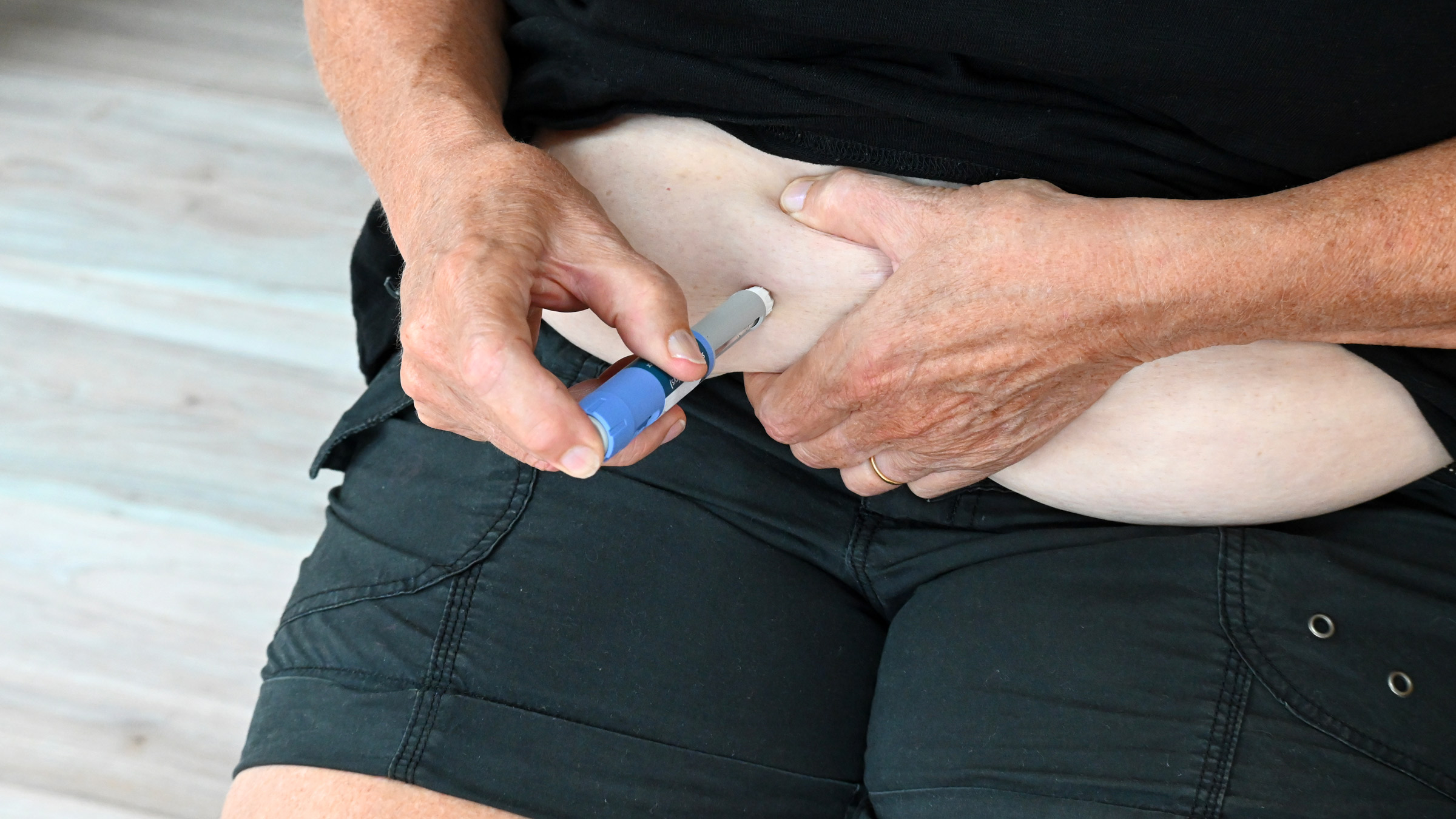
Credit: www.goodrx.com
Ozempic: An Overview
Ozempic is a medication used for diabetes and weight loss. Medicaid coverage for Ozempic varies by state. Some states may cover it for weight loss, while others do not.
Imagine a medication that promises to aid in weight loss, something many people dream of. Ozempic, originally designed to treat type 2 diabetes, has gained attention for its potential weight loss benefits. But what exactly is Ozempic, and how does it work? Let’s dive into the details.What Is Ozempic?
Ozempic is a prescription medication. It’s primarily used to improve blood sugar control in adults with type 2 diabetes. You might see it in the form of a weekly injection. This medication is part of a class known as GLP-1 receptor agonists. These help your pancreas release insulin more effectively. Have you ever wondered how a diabetes medication could help with weight loss? The answer lies in its ability to mimic hormones that regulate appetite.Medical Uses Of Ozempic
Ozempic’s main role is managing type 2 diabetes. It helps lower blood sugar levels, reducing the risk of serious complications. Interestingly, many people notice weight loss as a side effect. This has led doctors to consider it for weight management. Could this be a game-changer for weight loss strategies? While it’s not officially approved for weight loss, some healthcare providers prescribe it off-label. They recognize its potential in helping patients manage their weight alongside diabetes. You might wonder if this is the miracle solution many have been searching for. Before you get too excited, it’s essential to consult your doctor. They can guide you on whether Ozempic is suitable for your health needs. Would you consider discussing this with your healthcare provider?Ozempic For Weight Loss
Ozempic, originally designed for diabetes, is gaining attention for weight loss. It’s a prescription medication that helps control blood sugar. But it’s also known to assist with shedding pounds. Many are curious about its effectiveness in this new role.
Effectiveness Of Ozempic For Weight Loss
Ozempic works by mimicking a hormone in your body. This hormone regulates insulin and appetite. People using Ozempic often report feeling fuller. This leads to fewer calories consumed daily. Over time, this can result in significant weight loss.
It’s not just about eating less. Ozempic may also alter fat storage. This helps the body burn more fat. Combined, these effects contribute to its popularity for weight management.
Clinical Studies And Results
Several studies highlight Ozempic’s impact on weight loss. In one study, participants lost an average of 15% body weight. This study lasted over a year. Results showed consistent weight reduction.
Another research focused on obese individuals. Many achieved noticeable weight loss after using Ozempic. These results were promising. They provided hope for those struggling with obesity.
Clinical trials confirm its effectiveness. These trials continue to explore its benefits. Ozempic could be a valuable tool for weight loss. But it’s essential to consult healthcare professionals first.
Medicaid’s Coverage Of Weight Loss Treatments
Understanding Medicaid’s coverage for weight loss treatments can be crucial for those seeking affordable healthcare options. You might be wondering if popular medications like Ozempic are covered, especially given its increasing use for weight loss. Navigating Medicaid’s policies can be confusing, but breaking down the general guidelines and state-specific variations can help you make informed decisions.
General Policies On Weight Loss Medications
Medicaid’s coverage for weight loss medications can be limited. Generally, Medicaid focuses on medications that treat underlying health conditions rather than weight loss itself. Ozempic, primarily used for diabetes, has gained attention for its weight loss benefits.
However, coverage often depends on whether your doctor prescribes it for diabetes management or weight loss. This distinction can influence whether Medicaid will cover your prescription. Always discuss with your healthcare provider about the intended use and possible coverage options.
State-specific Coverage Variations
Medicaid policies can vary significantly from state to state. Some states may offer broader coverage for weight loss treatments, including medications like Ozempic, while others might have stricter guidelines.
It’s essential to research your state’s specific Medicaid policies. You can contact your state’s Medicaid office or consult with your healthcare provider for detailed information. Sharing experiences with others in your state can also provide insights into navigating these variations.
Have you ever found yourself frustrated with healthcare coverage limitations? Understanding these policies might not solve everything, but it can empower you to explore alternative options and advocate for your health needs.
Does Medicaid Cover Ozempic?
Ozempic is a medication prescribed for managing type 2 diabetes. Recently, it gained attention for aiding weight loss. People often wonder if Medicaid covers Ozempic for weight loss. This coverage can impact accessibility for many users. Let’s explore the current status and factors that influence Medicaid’s decision on this matter.
Current Coverage Status
Medicaid coverage for Ozempic varies by state. Each state decides on its formulary list. Some states may cover Ozempic for diabetes management. Coverage for weight loss might not be standard. Medicaid often requires a prior authorization process. This ensures the drug is medically necessary.
Factors Influencing Coverage Decisions
Several factors can affect Medicaid’s decision to cover Ozempic. Clinical guidelines are one key factor. These guidelines help determine if a drug is necessary. Medicaid might review evidence supporting Ozempic’s effectiveness for weight loss.
Another factor is the cost of the medication. Medicaid aims to balance costs with patient needs. Budget constraints can influence coverage decisions. Lastly, each state’s policies and healthcare priorities can vary. This impacts whether Ozempic gets covered for weight loss.

Credit: www.singlecare.com
Alternatives To Ozempic For Medicaid Patients
Medicaid coverage for Ozempic as a weight loss treatment varies by state. Patients can explore alternatives like lifestyle changes, dietary plans, or approved medications such as Saxenda or Contrave. Consulting healthcare providers can guide Medicaid patients towards suitable options for weight management.
If you’re a Medicaid patient exploring weight loss options, you might be wondering if Ozempic is covered. While Ozempic has gained attention for its potential in weight management, it isn’t always covered by Medicaid for this purpose. Fortunately, there are other avenues you can explore. Let’s dive into some alternatives that might suit your needs and be more accessible through Medicaid.Other Covered Weight Loss Medications
Medicaid covers several weight loss medications that might work for you. Phentermine is a popular option, often prescribed for short-term use. It helps suppress appetite, making it easier to stick to a calorie-reduced diet. Orlistat is another medication covered by Medicaid. It works by reducing the amount of fat your body absorbs from the food you eat. With fewer calories absorbed, weight loss becomes more attainable. Liraglutide, marketed as Saxenda, is an injectable medication similar to Ozempic. Medicaid may cover it, and it aids weight loss by making you feel fuller sooner. Check with your provider to see which medication aligns with your health needs and Medicaid coverage.Lifestyle And Non-medication Options
Medication isn’t the only path to weight loss. Lifestyle changes can have a significant impact and are often covered by Medicaid through wellness programs. Consider enrolling in a nutrition counseling program. These programs offer personalized dietary advice and can help you develop healthier eating habits without medication. Regular physical activity is vital. Many community centers offer free or reduced-cost exercise classes that Medicaid patients can access. Find an activity you enjoy, whether it’s dancing, swimming, or even walking. Think about how small daily changes add up over time. A friend once swapped his soda habit for water and saw remarkable results over a few months. What small change can you make today to move towards your weight loss goal? Ultimately, the key is finding a sustainable routine. Which lifestyle change can you start incorporating into your day? You might discover that these alternatives not only fit your budget but also align better with your personal goals.How To Verify Medicaid Coverage
To verify Medicaid coverage for Ozempic, check eligibility with Medicaid directly. Ozempic may not be covered for weight loss. Confirm with your healthcare provider or Medicaid office for specific details.
Verifying Medicaid coverage for Ozempic as a weight loss treatment can seem daunting. But, with the right steps, you can navigate this process smoothly. Understanding your coverage can save you time and money. Plus, it empowers you to make informed decisions about your health. Let’s dive into how you can verify your Medicaid coverage effectively.Steps To Confirm Coverage
Start by reviewing your Medicaid plan details. Check your policy documents for information on prescription drugs. Look for specific mentions of weight loss medications or treatments. Next, visit the Medicaid website for your state. Most states have an online portal where you can log in and view your coverage details. This can be a quick way to confirm if Ozempic is covered. If online resources don’t give clear answers, consider reaching out to your healthcare provider. They can often provide insights based on their experiences with other patients.Contacting Medicaid For Information
When you need more detailed information, contacting Medicaid directly is a wise choice. Prepare a list of questions before you call. This ensures you won’t forget to ask anything important. Dial the customer service number on your Medicaid card. When you reach a representative, ask specifically about coverage for Ozempic for weight loss. Be clear and concise with your questions. Alternatively, you can send an email if you prefer written communication. This might take a bit longer, but you’ll have a written record of the answers provided. Have you ever thought about how having this information in writing can save you from future misunderstandings? Engaging with Medicaid directly can provide clarity and peace of mind. By taking these steps, you can ensure you’re making the best choices for your health and wallet.Future Of Medicaid And Ozempic Coverage
The future of Medicaid and its coverage of Ozempic for weight loss is stirring curiosity among patients and healthcare providers. As the demand for effective weight management solutions grows, understanding how Medicaid might adapt its policies could be crucial. Will the inclusion of such medications in Medicaid’s coverage change the landscape of weight loss treatments? Let’s dive into potential policy changes and the impact on patients.
Potential Policy Changes
Medicaid might consider expanding its coverage to include medications like Ozempic for weight loss. Currently, Medicaid’s focus is more on medications for diabetes, which is Ozempic’s primary use. But with the rising obesity rates, policymakers could see the benefit of extending coverage.
If Medicaid starts covering Ozempic for weight loss, it might lead to discussions about its cost-effectiveness. Would the investment in these medications reduce long-term healthcare costs associated with obesity? These are questions that could drive policy changes.
Imagine how beneficial it could be if Medicaid recognized weight loss as preventive care. This shift could open doors for millions of Americans struggling with obesity. Would you support such a change?
Impact On Patients
Expanded coverage could mean more patients have access to Ozempic for weight loss. This could drastically improve quality of life for those who’ve struggled with traditional weight management methods. The ability to access this medication through Medicaid could be life-changing.
Consider a patient who has tried various diets and exercises without success. With Ozempic covered, they might finally see results. What impact would this have on their mental and physical health? It’s worth contemplating.
However, broader access also poses challenges. Patients will need guidance on proper use and potential side effects. Your healthcare provider can play a crucial role here, ensuring that the benefits outweigh any risks.
As Medicaid evolves, it’s important for you to stay informed. Engage in discussions, ask questions, and advocate for changes that could improve access to essential medications like Ozempic.

Credit: www.governing.com
Frequently Asked Questions
How To Get On Ozempic With Medicaid?
Consult your healthcare provider to see if Ozempic is covered by Medicaid. Check Medicaid’s formulary list. Obtain a prescription if eligible. Your doctor may need to provide prior authorization. Visit a Medicaid pharmacy to fill the prescription. Confirm any co-pay requirements based on your Medicaid plan.
How Do I Get Ozempic For $25 A Month For Weight Loss?
Check with your insurance or pharmacy for Ozempic discounts. Manufacturer coupons might lower costs. Consult your doctor for eligibility.
How To Get Insurance To Cover Ozempic For Weight Loss?
Consult your doctor for a prescription indicating medical necessity. Contact your insurance provider to confirm coverage specifics. Submit necessary documentation, including your doctor’s note, to your insurer. Appeal if initially denied. Stay updated on policy changes and possible prior authorization requirements for Ozempic.
Does Medicaid Pay For Ozempic Weight Loss?
Medicaid coverage for Ozempic varies by state and individual circumstances. Generally, Ozempic is prescribed for diabetes, not solely for weight loss. It’s crucial to check with your state’s Medicaid office or healthcare provider to determine specific coverage policies regarding Ozempic for weight management.
Conclusion
Medicaid coverage for Ozempic varies by state. Check your state’s policy. Ozempic is primarily for diabetes, but it aids weight loss. Contact your healthcare provider for advice. They can guide you through the process. Explore alternative options if needed. Medicaid may cover other treatments.
Always consider your health needs first. Discuss your options with a professional. Stay informed and proactive in your healthcare journey. Remember, each case is unique. Your health is important, so seek the best advice.








