Have you ever wondered if a simple light could help you shed those stubborn pounds? Red light therapy, once a treatment reserved for skincare and pain relief, is now catching attention as a potential aid for weight loss.
Imagine lying comfortably under a gentle glow and burning calories without breaking a sweat. It sounds almost too good to be true, right? But what if it isn’t? In this blog, we’ll delve into the science behind red light therapy and its potential role in weight loss.
Could this be the breakthrough you’ve been searching for, or is it just another fad? Stick around to discover if this intriguing therapy might be the key to unlocking your weight loss goals.
Understanding Red Light Therapy
Exploring red light therapy’s potential for weight loss sparks interest. This therapy uses low-level wavelengths to stimulate cells. While promising, its effectiveness in weight loss needs more research and evidence.
Understanding Red Light Therapy Red light therapy is gaining traction as a potential tool for weight loss. But what exactly is it, and how does it work? Imagine a treatment that doesn’t rely on pills or strenuous exercise. Instead, it uses light—something we encounter every day. Let’s dive into how this intriguing therapy might help you shed those extra pounds.Principles And Mechanism
Red light therapy, also known as low-level laser therapy (LLLT), involves exposing your skin to low levels of red or near-infrared light. This light is absorbed by your skin cells, believed to stimulate energy production and improve cell function. The therapy aims to enhance cellular metabolism, which could potentially lead to increased fat burning. Think of it like charging your phone. The light provides energy that might help your cells function better. It’s non-invasive, meaning no needles or surgery. Some users report feeling a gentle warmth, but it’s typically a painless experience.History And Development
The concept of using light for healing dates back to ancient times. However, modern red light therapy began in the 1960s when scientists explored its effects on wound healing and pain reduction. Over the decades, researchers have expanded its use to a variety of conditions, including weight loss. In recent years, the technology has become more accessible, with devices available for home use. Are you curious about its effectiveness on stubborn fat? While some studies suggest promising results, it’s always wise to pair such therapies with a balanced diet and exercise. Now, the big question: Does red light therapy work for everyone? Results can vary from person to person. Would you be willing to try a treatment that could boost your weight loss journey?Red Light Therapy For Weight Loss
Red light therapy is generating buzz as a potential tool for weight loss. This therapy uses low-wavelength red light to penetrate the skin. Some claim it can enhance metabolism and reduce fat.
But does shining a red light really help you shed pounds? Let’s break down the claims and scientific evidence to uncover the truth.
Claims And Promises
Companies selling red light therapy devices often promise impressive results. They say red light can shrink fat cells and boost your metabolic rate. Some even claim it helps tighten skin.
These promises sound appealing. Imagine relaxing under a soothing light and losing weight! But should you trust these claims at face value?
Consider your own experiences with quick fixes. Have they ever truly worked for you? This skepticism might remind you to dig deeper before jumping in.
Scientific Evidence
Research on red light therapy for weight loss offers mixed insights. Some studies suggest it may reduce fat in specific areas. Yet, others find no significant change.
Most experts agree that red light therapy alone won’t bring drastic weight loss. It might help alongside healthy eating and regular exercise. Think of it as a potential aid, not a magic solution.
Would you be willing to try a new method if it only offered slight improvements? It’s crucial to weigh the evidence and decide if it’s worth your time and money.
It’s easy to get excited about innovative methods. But always ask yourself: Is there enough proof to support these claims?
How Red Light Therapy Works
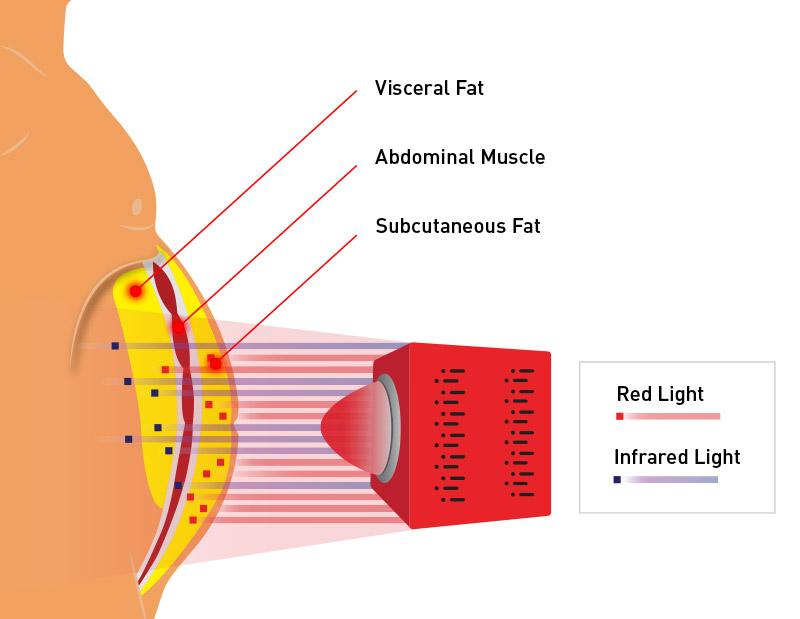
Red light therapy is gaining attention for its potential weight loss benefits. This therapeutic method uses specific wavelengths of light. It penetrates the skin, targeting fat cells and metabolism. Understanding how red light therapy works can help you decide on its effectiveness for weight management.
Impact On Fat Cells
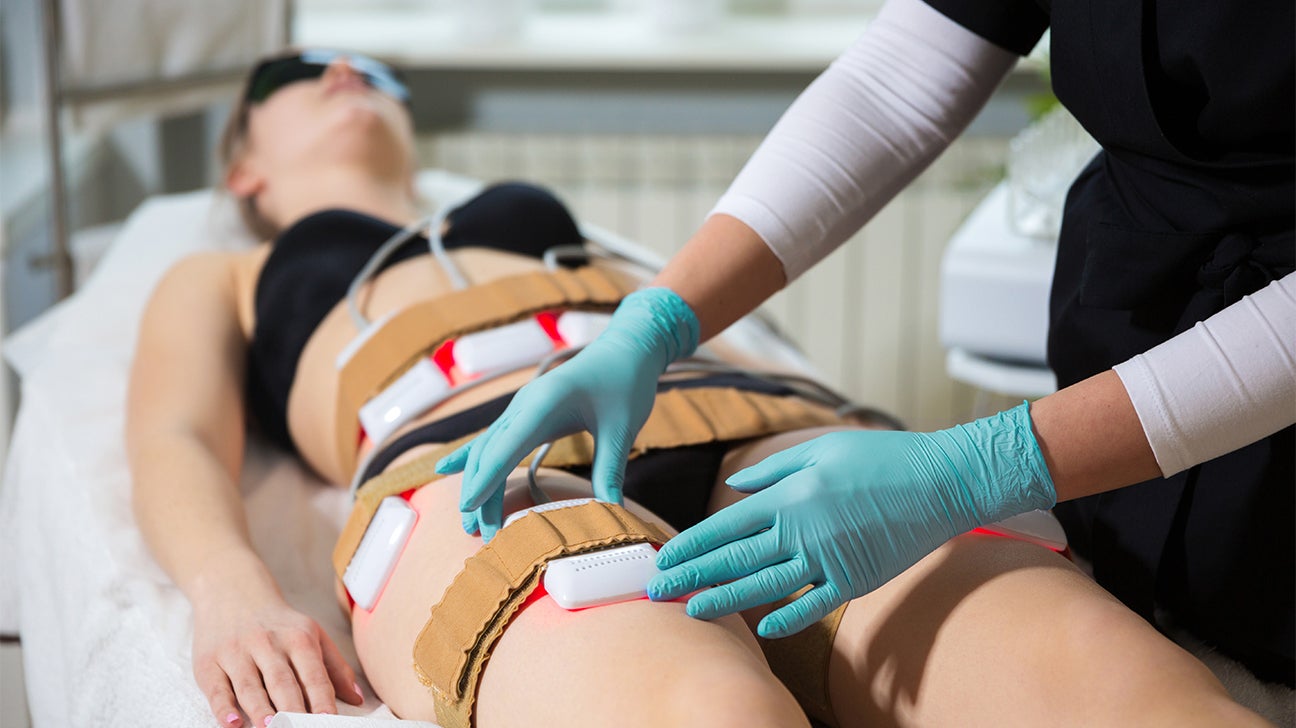
Red light therapy targets fat cells directly. The light penetrates the skin, reaching these cells. It prompts the cells to break down stored fat. This process releases fatty acids into the bloodstream. The body can then use these acids for energy.
This breakdown process helps reduce the size of fat cells. Smaller fat cells may lead to reduced body circumference. The therapy may also improve skin tone and texture.
Metabolic Effects
Red light therapy may boost metabolism. The therapy stimulates mitochondrial activity in cells. Mitochondria are the powerhouses of cells, producing energy. Enhanced activity means more energy production.
With increased energy levels, the body burns calories faster. This can contribute to weight loss efforts. A higher metabolism aids in maintaining weight loss over time.
Overall, red light therapy supports weight management. By impacting fat cells and metabolism, it offers a potential solution. Many people seek effective and non-invasive weight loss methods. Red light therapy presents an option worth considering.
Credit: www.healthline.com
Comparing With Other Weight Loss Methods
Exploring whether red light therapy aids weight loss, this method stands out from traditional approaches like dieting and exercise. It’s non-invasive and requires minimal effort, but its effectiveness compared to other methods remains a topic of debate. Understanding its benefits and limitations helps in making informed choices.
When considering weight loss methods, it’s important to compare different options to find what works best for you. Red light therapy is gaining attention, but how does it stack up against other weight loss techniques? Let’s take a closer look at how this emerging method compares to traditional methods like diet and exercise, as well as surgical and non-surgical options.Diet And Exercise
Diet and exercise have long been the cornerstones of weight loss. You probably know someone who’s tried a new diet or joined a gym. These methods are effective for many because they address the root causes of weight gain: calorie intake and physical inactivity. But sticking to a diet can be challenging. You might find yourself craving your favorite snacks or struggling to fit workouts into your busy schedule. Red light therapy offers a less demanding alternative. It doesn’t require calorie counting or rigorous physical activity, which might be appealing if you’re looking for something less intense. Yet, the effectiveness of red light therapy compared to diet and exercise is still under investigation. While some users report positive results, others see no change without dietary adjustments or physical activity. Could this therapy be a complementary tool rather than a standalone solution?Surgical And Non-surgical Options
For quicker results, some people turn to surgical procedures like liposuction. These methods promise immediate changes but come with risks, recovery time, and hefty costs. Non-surgical options, like CoolSculpting, offer a middle ground, targeting fat cells without surgery. Red light therapy is non-invasive, similar to some non-surgical methods. It involves no downtime, and you can continue daily activities immediately after a session. This convenience might make it attractive if you’re wary of the risks associated with surgery. However, the results from red light therapy are often more gradual and subtle. If you’re considering this method, it’s crucial to manage expectations. You might not see the dramatic changes that surgical options provide, but the safety and ease of use are significant advantages. As you weigh your options, consider your lifestyle and goals. Are you looking for a quick fix, or are you willing to invest time in a method with fewer risks? Your answer might guide you towards the right choice for your weight loss journey.Benefits Beyond Weight Loss
Red light therapy is not just about losing weight. It offers a variety of other health benefits. Many users have experienced improvements in their skin health and pain management. These benefits make red light therapy a versatile addition to wellness routines.
Skin Health
Red light therapy can improve skin appearance. It stimulates collagen production, which reduces wrinkles and fine lines. The therapy enhances skin texture and firmness. People with acne also find it beneficial. It reduces inflammation and redness, making skin look clearer.
Pain Management
Many people use red light therapy for pain relief. It helps in reducing inflammation and promoting healing. Athletes find it useful for muscle recovery. Those with chronic pain report feeling better after sessions. The therapy targets specific areas, providing focused relief. For joint pain, it can be particularly effective.

Credit: www.goexplorehealth.com
Potential Risks And Considerations
Red light therapy is gaining popularity for weight loss. But it’s crucial to understand potential risks and considerations. This therapy uses low-level light waves. They penetrate the skin to promote healing. While many see benefits, it’s not without risks. Understanding these can help make informed decisions.
Safety Concerns
Red light therapy is non-invasive. This makes it generally safe for most people. Yet, overuse may lead to skin irritation. Users should follow guidelines to avoid problems. Some people may experience temporary redness. It’s important to monitor skin reactions closely. If adverse effects appear, stop use and consult a professional.
Contraindications
Not everyone should use red light therapy. People with certain health conditions should be cautious. Those with light sensitivity or photosensitivity conditions may face issues. It’s important to discuss with a doctor first. Pregnant women should also seek medical advice before starting therapy. Certain medications can increase light sensitivity. Check with a healthcare provider to ensure safety.
Real-life Experiences
Exploring red light therapy reveals mixed experiences regarding weight loss. Some individuals notice slight improvements in fat reduction. Others find no significant changes. The therapy uses low-level wavelengths to target fat cells, but results vary.
Real-life experiences offer valuable insights into red light therapy for weight loss. Individuals often share their stories. These accounts can inspire or caution others. Let’s explore some testimonials and case studies.Testimonials And Case Studies
Many people have tried red light therapy. They share mixed experiences. Some report positive changes. Others see little to no results. Jane, a 34-year-old, describes her journey. She used red light therapy for three months. Jane noticed a reduction in inches around her waist. She felt more energetic. Tom, another user, had a different experience. He saw no significant change. He used the therapy for two months. His weight remained the same. Tom’s story highlights that results can vary. A case study involved a group of ten participants. They used red light therapy twice a week. The study lasted for six weeks. Seven participants lost weight. Three saw no change. These findings suggest potential benefits for some.Success Stories And Setbacks
Success stories often motivate others to try new methods. Lisa, a mother of two, shares her triumph. She combined red light therapy with exercise. Lisa lost ten pounds in two months. She credits the therapy for her success. It helped boost her motivation. On the other hand, setbacks are common too. Mark, a fitness enthusiast, faced disappointment. He hoped for quick results. After four weeks, he saw no change. Mark’s story reminds us of the reality. Not every method works for everyone. These stories provide a glimpse into real-life experiences. They underscore the importance of personal trials. Understanding different outcomes can guide expectations.Expert Opinions
Red light therapy is becoming popular for its potential health benefits. Many wonder if it aids in weight loss. Expert opinions vary on this subject. Let’s explore what different experts say about red light therapy and weight loss.
Medical Community Perspectives
Doctors often focus on scientific evidence. Some studies suggest red light therapy might help reduce fat. The light penetrates the skin, affecting fat cells. It may cause them to shrink. Not all experts agree, though. Some believe more research is needed. The consensus is cautious. Red light therapy is not a magic solution. It could be a helpful tool alongside diet and exercise.
Alternative Health Views
Alternative health practitioners see potential in red light therapy. They often promote holistic approaches. These experts believe in the therapy’s ability to enhance overall health. They think it improves circulation and energy levels. Some claim it helps metabolism. Their opinions are optimistic. They see it as part of a balanced lifestyle. Yet, they also stress the importance of other healthy habits.
Future Of Red Light Therapy
The future of red light therapy is bright. Researchers are exploring its potential in various fields, including weight loss. As technology advances, new possibilities emerge for this non-invasive treatment. Understanding what lies ahead can help us appreciate its potential benefits.
Ongoing Research
Scientists are delving into how red light therapy affects body fat. Some studies suggest it may aid in reducing stubborn fat areas. Research is ongoing to determine the exact mechanisms involved. Understanding these processes can improve its effectiveness for weight loss.
Clinical trials are also in progress. They aim to establish clear guidelines and protocols. This ensures safe and efficient use of red light therapy. As more data emerges, its role in weight management may become clearer.
Technological Advances
Innovations in technology are shaping the future of red light therapy. Devices are becoming more compact and user-friendly. Portable units allow for treatments at home or on the go. This accessibility increases its appeal to those seeking weight loss solutions.
Developers are also enhancing the precision of red light therapy devices. Tailored treatments could target specific fat areas more effectively. This precision may lead to improved outcomes for users. As technology evolves, the potential applications of red light therapy continue to grow.

Credit: www.healthline.com
Frequently Asked Questions
Does Red Light Reduce Belly Fat?
Red light therapy might help reduce belly fat by improving metabolism and breaking down fat cells. It is not a standalone solution. Combine it with a healthy diet and regular exercise for better results. Always consult a healthcare professional before starting any new treatment.
How Much Weight Can You Lose Using Red Light Therapy?
Red light therapy can aid weight loss by enhancing metabolism and reducing fat cells. Results vary individually, often complemented by diet and exercise. Some may lose a few pounds, but substantial weight loss requires a holistic approach. Always consult a healthcare professional before starting any therapy.
What Is Red Light Therapy?
Red light therapy uses low-level wavelengths of light to target fat cells. It is believed to help reduce body fat. By stimulating cellular function, it may enhance metabolism and energy production. This therapy is non-invasive and typically used alongside other weight loss methods.
How Does Red Light Therapy Aid Weight Loss?
Red light therapy helps by shrinking fat cells and boosting metabolism. It promotes cellular energy production, enhancing fat breakdown. By increasing circulation, it may support the body’s natural fat-burning processes. It’s often combined with exercise and a healthy diet for best results.
Conclusion
Red light therapy might help support weight loss efforts. It’s not a magic fix. Regular exercise and a balanced diet remain crucial. Some studies suggest potential benefits, but results vary. Consulting a healthcare professional is wise. They can guide you based on personal needs.
Consider incorporating red light therapy as a complementary approach. Always prioritize a healthy lifestyle for lasting results. Understanding your body’s responses is key. Continued research will provide more insights. Stay informed and make choices that suit your health goals. Remember, patience and consistency lead to success.