Are you considering weight loss surgery and wondering if your Blue Cross Blue Shield insurance will cover it? Navigating the world of insurance can be overwhelming, especially when it comes to procedures that can change your life.
You deserve clear answers and peace of mind. Understanding what your insurance covers is crucial before making any decisions about your health. We will demystify the coverage options for weight loss surgery under Blue Cross Blue Shield and provide you with the essential information you need.
By the end, you’ll feel more confident and informed, ready to take the next step towards a healthier you. Keep reading to uncover the details that could significantly impact your journey to better health.
Blue Cross Blue Shield Insurance Plans
Blue Cross Blue Shield (BCBS) Insurance Plans offer a wide range of coverage options tailored to meet your unique healthcare needs. Whether you’re considering weight loss surgery or simply exploring your insurance options, understanding the different plans and their coverage variations can be crucial. Let’s dive into the types of plans BCBS offers and how they might cover weight loss surgery.
Different Types Of Plans
BCBS provides a variety of insurance plans, each designed to cater to different needs and budgets. You might opt for a PPO plan if you prefer flexibility in choosing your healthcare providers. PPO plans typically allow you to visit any doctor or specialist without a referral, which can be beneficial when considering weight loss surgery.
If you’re looking for lower premiums, an HMO plan might be suitable. These plans often require you to select a primary care physician and obtain referrals for specialists. It’s important to check if weight loss surgery is covered under your specific HMO plan, as these can vary significantly.
Coverage Variations
BCBS insurance plans can differ greatly in what they cover regarding weight loss surgery. Some plans may cover the procedure entirely, while others might only cover specific types of surgery or have strict requirements for approval.
You’ll often find that coverage depends on factors such as medical necessity, your BMI, or prior attempts at weight loss. It’s essential to review your plan’s details and speak with a representative to understand your coverage fully.
Have you considered the impact of weight loss surgery on your overall health? It might be worth discussing with your healthcare provider to see if surgery aligns with your long-term health goals.
Looking into the specifics of your BCBS plan can provide clarity and help you make informed decisions about your weight loss journey. Have you checked if your plan offers support like nutritional counseling or post-surgery follow-ups?
Understanding these nuances ensures you don’t encounter unexpected costs or hurdles. Wouldn’t it be reassuring to know your insurance plan has you covered every step of the way?
Weight Loss Surgery Basics
Weight loss surgery is a significant step for those struggling with obesity. It offers a chance to transform your life by improving health and boosting confidence. However, understanding the basics of weight loss surgery is crucial before making any decisions.
Common Types Of Procedures
There are several types of weight loss surgeries, each with its unique approach. Gastric bypass, for example, involves creating a small stomach pouch and rerouting the digestive system. Another popular option is the sleeve gastrectomy, which reduces the stomach size significantly.
Some people opt for adjustable gastric banding, where a band is placed around the upper part of the stomach. Each procedure has its pros and cons. It’s essential to discuss these with your doctor to determine which suits your needs best.
Eligibility Criteria
Not everyone qualifies for weight loss surgery. Typically, you need a body mass index (BMI) of 40 or higher. However, if you have serious health issues related to obesity, a BMI of 35 may be sufficient.
Your doctor will also evaluate your medical history and psychological readiness. Insurance companies, like Blue Cross Blue Shield, often have specific requirements for coverage. Have you considered if your lifestyle changes post-surgery will be sustainable?
Meeting the eligibility criteria is just the beginning. It’s important to prepare yourself mentally and physically for the journey ahead. Are you ready to commit to a healthier lifestyle after surgery? Understanding these basics can help you make an informed decision about weight loss surgery.
Coverage Criteria For Weight Loss Surgery
Understanding insurance coverage for weight loss surgery is crucial. Blue Cross Blue Shield has specific criteria. These criteria determine if your surgery will be covered. Knowing these requirements helps prepare for the process. Let’s explore the conditions you need to meet.
Medical Necessity Requirements
Weight loss surgery must be deemed medically necessary. This means your health depends on it. Doctors evaluate factors like BMI and obesity-related conditions. Conditions such as diabetes or heart disease are considered. Documentation from a healthcare provider is essential. It proves the surgery’s necessity.
Pre-approval Process
Getting pre-approval is a vital step. Blue Cross Blue Shield requires this before surgery. The process involves submitting detailed health records. A clear outline of your medical history is needed. Insurance representatives review all documents. They decide if you meet the requirements. Approval ensures coverage for your surgery.

Credit: jetmedicaltourism.com
Documentation And Approval Process
Understanding the documentation and approval processfor weight loss surgery under Blue Cross Blue Shield Insurance can feel overwhelming. This process involves gathering essential medical documents and securing approval from healthcare providers. If you’re considering weight loss surgery, knowing what paperwork is required and how your healthcare team plays a role can make a significant difference in your journey.
Required Medical Records
Before you can proceed with weight loss surgery, you’ll need to provide specific medical records to Blue Cross Blue Shield. These documents often include a detailed medical history, weight loss attempts, and psychological evaluations.
Imagine gathering every detail of your health journey, from diet plans to exercise regimens. This is crucial because it showcases your commitment to losing weight and your need for surgical intervention.
Have you tried different methods to lose weight without success? Documenting these attempts can be a key factor in the approval process. Your insurance provider needs clear evidence that surgery is necessary for your health.
Role Of Healthcare Providers
Your healthcare providers play a pivotal role in navigating the approval process. They will prepare and submit the necessary documentation to support your case for surgery.
Think of your doctors as your advocates. They help present your medical history in a way that underscores the necessity of surgical intervention. They are the bridge between your needs and the insurance company’s criteria.
Have you discussed your weight loss struggles with your doctors? Their understanding and detailed documentation can significantly impact the approval decision. A well-prepared case by your healthcare team can streamline the process, making it less daunting.
With the right documentation and supportive healthcare providers, you can navigate the approval process with confidence. Are you ready to take these steps towards a healthier you?
Cost Implications
Insurance coverage for weight loss surgery depends on the policy specifics with Blue Cross Blue Shield. Costs might vary significantly. Patients should review their plans to understand potential financial responsibilities.
Understanding the cost implications of weight loss surgery with Blue Cross Blue Shield insurance is crucial. While the insurance can cover a significant portion, it’s important to know what costs you might still face. Surgery is a big decision, and financial considerations play a huge role.Out-of-pocket Expenses
Even if Blue Cross Blue Shield covers a substantial portion, you may still have out-of-pocket expenses. These can include deductibles, co-pays, or coinsurance amounts. You might find yourself paying a few thousand dollars depending on your plan. Imagine saving for months, thinking you’re covered, only to realize there’s still a hefty bill awaiting you.Potential Additional Costs
Beyond surgery, other expenses might sneak up on you. Pre-surgery tests, post-operative care, and medications can add to your financial burden. Some costs are not typically covered, like nutritional counseling or fitness programs. Have you thought about travel expenses if the surgery isn’t available in your area? These are costs that often catch people by surprise. Consider chatting with someone who has been through the process. You might find they faced unexpected costs you hadn’t considered. Does your insurance plan offer comprehensive coverage, or will you have to budget for these additional expenses? Thinking through these questions now could save you financial stress later. Make sure you check with Blue Cross Blue Shield directly and read through your policy carefully. Understanding the fine print can help you prepare financially.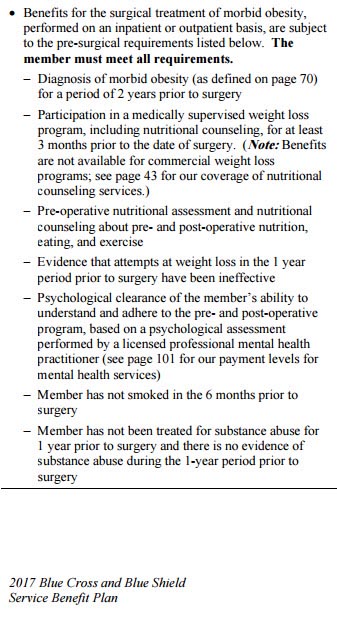
Credit: www.obesitycoverage.com
Appealing A Denied Claim
Blue Cross Blue Shield may cover weight loss surgery if specific medical criteria are met. Appeal denied claims with detailed documentation and a strong case from your healthcare provider. Each plan has unique coverage guidelines, so reviewing your specific policy is essential.
Appealing a denied claim for weight loss surgery can feel daunting. Many face challenges when their insurance denies coverage. But don’t lose hope. There are ways to appeal and get results. Understanding the steps and staying persistent can make a difference.Steps To Take
Start by reviewing the denial letter carefully. This letter should explain why your claim was denied. Take notes on any specific reasons mentioned. Gather all necessary documents related to your case. This includes medical records, doctor recommendations, and any previous communication with the insurer. Contact your doctor for their support. They can provide letters or documents to strengthen your case. Write a clear, concise appeal letter. Explain why the surgery is medically necessary. Attach all supporting documents. Submit your appeal according to the insurance company’s guidelines. Double-check deadlines to ensure timely submission.Importance Of Persistence
Persistence is key in the appeal process. Many initial claims are denied due to missing information. Follow up regularly with your insurance company. Keep records of all communications. This includes phone calls, emails, and letters. Stay organized. Create a folder for all related documents and correspondence. This helps track your progress and ensures you have everything needed. If your appeal is denied again, don’t give up. You can request a review by a different panel or seek external help. Consider reaching out to a legal expert or patient advocate. They can offer guidance and support through the process. Appealing can be a long journey, but persistence often pays off.Tips For Navigating Insurance Coverage
Exploring insurance details can be tricky. Blue Cross Blue Shield may cover weight loss surgery under specific conditions. Understanding your policy is crucial for clarity.
Navigating insurance coverage for weight loss surgery can feel daunting, but it doesn’t have to be. Understanding your Blue Cross Blue Shield policy and knowing where to start can make all the difference. With the right approach, you can simplify the process and ensure you’re taking the right steps toward getting the coverage you need.Working With Your Provider
Open a dialogue with your healthcare provider. They are your ally in this process and have experience dealing with insurance companies. Share your insurance details and ask if they have worked with Blue Cross Blue Shield before. Ask them for tips on what documentation is necessary. Providers can help you gather medical records, letters of necessity, and any other paperwork required by your insurer. This paperwork is crucial in demonstrating that weight loss surgery is medically necessary for you. Communicate regularly with your provider’s office to ensure all documents are submitted on time. This proactive approach can prevent delays in processing your claim. Have you checked if your provider is in-network? This is a key detail that could impact your coverage significantly.Seeking Assistance
Consider speaking with a representative from Blue Cross Blue Shield. They can provide specific information about your policy and explain what steps you need to take. This conversation can also clarify any confusion about terms and conditions. Join support groups or online forums where others have faced similar challenges. Real-life experiences and advice from people who have successfully navigated insurance coverage can be invaluable. Have you thought about reaching out to advocacy groups? They often have resources or offer free consultations. If you’re still feeling overwhelmed, don’t hesitate to consult a professional specializing in insurance claims. These experts can guide you through the process and help you understand your rights. Remember, it’s about making sure you have the support you need to make informed decisions about your health.Comparing Insurance Options
Choosing the right insurance plan for weight loss surgery can feel overwhelming. With so many options available, it’s essential to know what each plan covers and how it fits your needs. Blue Cross Blue Shield is one of the many providers that might cover weight loss surgery, but how does it compare to other options?
Evaluating Plan Benefits
When assessing insurance plans, look at the benefits they offer for weight loss surgery. Does your plan cover pre-surgery consultations and post-surgery follow-ups? These elements are crucial for a successful weight loss journey.
Consider the costs involved. Are there copayments or deductibles that could affect your budget? Comparing these financial details can help you make an informed decision.
Don’t forget to check if there are any specific criteria you need to meet to qualify for coverage. Some plans might require you to demonstrate a medical necessity or complete a supervised weight loss program.
Considering Alternative Providers
If Blue Cross Blue Shield doesn’t seem like the right fit, explore other insurance providers. Some might offer more comprehensive coverage or lower costs. It’s worth investigating if they have partnerships with reputable surgeons or hospitals.
Reading reviews and testimonials can give you insights into the experiences of others. They might reveal hidden benefits or challenges that you hadn’t considered.
Ask yourself: How important is flexibility in your plan? Consider providers that allow you to choose from a wide range of doctors and facilities. This can give you more control over your treatment options.
Your choice of insurance can significantly impact your weight loss surgery journey. Dive deep into the details to ensure you choose the best option for your health and financial future.

Credit: renewbariatrics.com
Frequently Asked Questions
How To Get Blue Cross Blue Shield To Cover Weight Loss Surgery?
Contact Blue Cross Blue Shield for specific coverage criteria. Obtain a doctor’s referral for weight loss surgery. Ensure medical necessity is documented. Verify pre-authorization requirements and complete all necessary forms. Follow their guidelines and submit all required medical records and documentation for consideration.
How Long Does It Take Blue Cross Blue Shield To Approve Bariatric Surgery?
Blue Cross Blue Shield typically takes 2-4 weeks to approve bariatric surgery. Approval time may vary based on individual circumstances and documentation. Contact your provider for specific details and to ensure all requirements are met for a timely approval process.
Does Blue Cross Blue Shield Cover The Weight Loss Shot?
Blue Cross Blue Shield coverage for weight loss shots depends on your specific plan. Check your policy details or contact customer service for confirmation. Coverage varies by state and plan, so it’s essential to verify directly. Always consult your healthcare provider for more information on eligibility and requirements.
How To Get Weight Loss Surgery Approved By Insurance?
Consult your doctor for a letter of medical necessity. Check your insurance policy for coverage details. Complete any required supervised weight loss programs. Submit all necessary documentation to your insurance provider. Follow up persistently with the insurance company for approval.
Conclusion
Understanding your insurance coverage is crucial for weight loss surgery. Blue Cross Blue Shield offers various plans. Coverage depends on your specific plan and location. Always check with your provider for details. Ask about pre-approval requirements and necessary documentation. This ensures you meet their criteria.
Knowledge can save you time and reduce stress. Being informed helps you make the best choices for your health. Discuss options with your doctor. They can guide you through the process. Prioritize your health by understanding your policy. This leads to better health outcomes and peace of mind.








