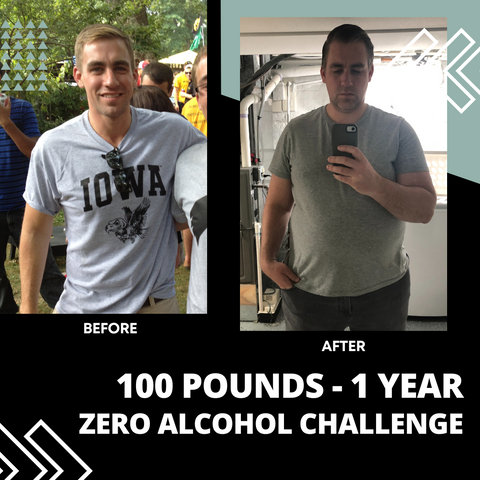
You gave up alcohol six months ago, expecting to see the pounds melt away. You imagined a lighter, healthier version of yourself, but the scale hasn’t budged.
It’s frustrating, isn’t it? You’re not alone. Many people find themselves puzzled by the lack of weight loss despite cutting out those happy-hour cocktails and weekend beers. It’s enough to make you question if all your efforts have been in vain.
But before you give up, let’s delve into the reasons why your weight might be stubbornly clinging on and what you can do about it. Understanding the hidden factors at play can empower you to finally achieve the results you deserve. Keep reading, because the insights you need are just ahead.
Credit: sipyours.com
Initial Expectations
Facing six months without alcohol, many expect weight loss. Yet, results often surprise as body weight remains unchanged. Health benefits emerge, but the scale might not reflect anticipated shifts.
Embarking on a journey of six months without alcohol often comes with the expectation of losing weight. You might think that cutting out those empty calories will lead to a slimmer waistline and a healthier body. However, many find themselves surprised when the scale doesn’t move as anticipated. This can be puzzling and even frustrating.Understanding The Caloric Deficit
You might have expected the pounds to melt away once you stopped consuming alcohol. After all, alcohol is known for its high calorie content. However, weight loss isn’t solely about cutting calories. Your body may have adjusted its metabolism, making it more efficient at burning the calories you consume.Reevaluating Eating Habits
Without alcohol, you might find yourself indulging in other treats. This is a common experience for many. You might replace a drink with a dessert or snack, unintentionally maintaining your calorie intake.Impact On Physical Activity
Your energy levels might have shifted after quitting alcohol. Some feel more energized, while others may feel a dip in motivation. This change can affect how much you move throughout the day, impacting your overall calorie burn.Unexpected Body Changes
Not all changes are visible on the scale. You might notice improvements in your skin, sleep quality, and mood. These are significant health benefits, even if they don’t translate to weight loss.Managing Expectations
It’s essential to align your expectations with reality. Ask yourself: What was your initial goal in quitting alcohol? Was it solely weight loss, or were there other health benefits you were aiming for?The Bigger Picture
Reflect on your overall well-being. Have you experienced less bloating, better sleep, or improved mental clarity? These positive changes can be just as rewarding as losing weight. How can you celebrate these wins?Practical Steps Moving Forward
Consider adjusting your diet and exercise routine. Small changes, like incorporating more vegetables or taking a daily walk, can make a big difference. Are there other lifestyle tweaks you can make to support your health goals? By understanding your body’s responses, you can set more realistic expectations and appreciate the broader benefits of going alcohol-free.Common Assumptions About Alcohol And Weight
Many assume quitting alcohol leads to weight loss, but this isn’t always true. Some find no change after months without drinking. Factors like diet and metabolism play a significant role in weight management.
When people decide to stop drinking alcohol, they often expect to see a change in their weight. After all, alcohol is high in calories, so cutting it out should lead to weight loss, right? However, the reality isn’t always so straightforward. Many individuals find themselves six months without alcohol, yet their scales remain unchanged. This can be puzzling and frustrating. Let’s dive into some common assumptions about alcohol and weight to understand why this might happen.Calories And Metabolism
Alcohol is calorie-dense. A standard drink can pack as many calories as a slice of cake. You might think removing this from your diet would automatically lead to shedding pounds. But your body is more complex than a simple math equation. When you consume alcohol, your liver prioritizes breaking it down over other tasks. This can slow your metabolism. Your body might store other calories as fat, rather than burning them for energy. Consider this: is your overall calorie intake balanced? Cutting alcohol is a great start, but replacing those calories with other foods might counteract the benefits.Impact On Appetite
Alcohol can alter your appetite. Ever noticed how a night of drinking makes you crave greasy food? This happens because alcohol affects your body’s hunger signals. It can cause you to eat more than you normally would. When you stop drinking, your appetite might stabilize, but it’s not guaranteed. You might still crave those high-calorie snacks out of habit. Reflect on your eating habits. Are you reaching for comfort foods or snacks to replace the social aspect of drinking? Adjusting your diet alongside your alcohol break might be key. So, if you’ve cut alcohol for six months and seen no weight loss, it’s time to ask yourself: what other changes can you make to support your goals?Dietary Habits Beyond Alcohol
Quitting alcohol often seems like a straightforward path to better health. Yet, many find that weight loss remains elusive. It’s essential to explore dietary habits beyond alcohol. Sometimes, subtle shifts in eating patterns can hinder progress.
Compensatory Eating
Removing alcohol might lead to compensatory eating behaviors. People often replace alcohol with other indulgences. A sweet treat or extra snack becomes a substitute. These choices might inadvertently increase calorie intake. Without realizing, people might consume more than before. This compensation can stall weight loss efforts.
Nutritional Choices
Focus on nutritional choices plays a crucial role. Choosing nutrient-dense foods can support weight loss. Whole grains, lean proteins, and vegetables should be prioritized. These foods provide essential nutrients without excess calories. Avoiding processed foods can make a significant difference. Reading labels helps in making better decisions. Opt for healthier options to maintain a balanced diet.
Lifestyle Factors Influencing Weight
Many embark on a no-alcohol journey expecting weight loss. But six months in, the scale may not move. Why? Lifestyle factors greatly influence weight. It’s not just about cutting alcohol. Daily habits play a huge role. Let’s explore these factors.
Activity Levels
Physical activity impacts weight. Regular exercise burns calories. It also builds muscle. A sedentary lifestyle might counteract your no-alcohol efforts. Try to move daily. Even a short walk helps. Consistency is key. A mix of cardio and strength training works best.
Sleep And Stress
Sleep quality affects weight. Poor sleep can increase hunger. It alters hunger hormones. This leads to overeating. Stress also plays a part. High stress can trigger weight gain. People often eat for comfort. Managing stress is crucial. Practice relaxation techniques. Prioritize good sleep habits.
Metabolic And Health Considerations
Deciding to abstain from alcohol for six months is a commendable choice, often made with health and wellness goals in mind. Yet, many find themselves puzzled when weight loss doesn’t follow as expected. If you’ve been wondering why the scales haven’t budged despite eliminating those extra calories from drinks, it’s time to consider deeper metabolic and health factors. Let’s dive into how individual metabolism and underlying health conditions might be influencing your weight journey.
Individual Metabolism
Each person’s metabolism is unique, like a fingerprint. You may have a naturally slower metabolism that processes food and converts it into energy at a different rate compared to others. This means that even with reduced calorie intake from alcohol, your body might not be burning calories as efficiently as you’d hope.
Have you ever noticed how some people seem to eat whatever they want and never gain weight? It’s all about how their metabolism works. Regular physical activity can boost your metabolism, making it easier for your body to burn calories. Are you moving enough to kickstart your metabolic engine?
Consider keeping a food diary or using an app to track your meals and activity. This can help you see patterns and make adjustments. Remember, metabolism isn’t just about weight; it’s about how your body uses energy overall.
Underlying Health Conditions
Sometimes, stubborn weight can be linked to health conditions beneath the surface. Issues like thyroid imbalances, insulin resistance, or hormonal fluctuations might be silently affecting your body’s ability to shed pounds. Have you had a health check-up recently to rule out these possibilities?
Even stress can play a role. High stress levels can lead to hormonal changes that make weight loss more challenging. Are you managing stress effectively in your life? Simple techniques like meditation or deep breathing can have a surprising impact.
If you suspect an underlying condition might be at play, consult a healthcare professional. They can offer tests and guidance tailored to your needs. Taking control of your health might be the missing piece to your weight puzzle.
While your six months without alcohol is a significant achievement, understanding your body’s unique needs is crucial. Could it be time to focus on these metabolic and health considerations? Your path to wellness is personal and sometimes requires looking beyond the obvious.

Credit: www.instagram.com
Psychological And Behavioral Changes
Six months without alcohol can lead to subtle psychological and behavioral changes. Increased clarity and better mood might be noticed. Weight loss might not occur immediately, but improved self-control can boost overall health.
Going alcohol-free for six months brings unexpected shifts in behavior. Many expect weight loss. Yet, the psychological and emotional landscape often takes center stage. These changes can impact daily life more than physical transformations.Mindset And Motivation
Dropping alcohol requires a shift in mindset. It often starts with setting clear goals. Without alcohol, many find a new sense of purpose. This can boost self-esteem and self-awareness. Motivation may come from feeling healthier or more present. Achieving small milestones boosts confidence. New habits begin to form, replacing old routines. This mindset shift can lead to long-term positive behaviors.Social And Emotional Influences
Social settings can challenge those not drinking. Friends and family may not understand the choice. This can lead to feelings of isolation. Over time, individuals learn to navigate these situations. Emotional benefits often include reduced anxiety and stress. Without alcohol, feelings can become more stable. Relationships may improve as communication becomes clearer. People often find new ways to connect socially. This can lead to forming deeper, more meaningful bonds. `Benefits Beyond Weight Loss
Six months without alcohol can bring unexpected benefits beyond weight loss. Many focus on the scale, but there’s more to gain. Improved health, mental clarity, and better skin await. These changes can greatly enhance life quality.
Improved Liver Function
The liver plays a crucial role in detoxifying the body. Alcohol can harm liver cells, leading to disease. By avoiding alcohol for six months, liver function improves significantly. This recovery time allows the liver to regenerate cells and heal. With better liver health, the body processes nutrients more efficiently. This results in overall improved well-being and energy levels.
Enhanced Mental Clarity
Alcohol can affect the brain, impacting focus and memory. A six-month break helps clear the mind. Mental fog lifts, and concentration improves. This clarity boosts productivity at work and in personal life. Decision-making becomes easier, and creativity flows. A clear mind also leads to better mood and mental health.
Reevaluating Health Goals
After six months of no alcohol, the scale remains stubbornly unchanged. This might seem disheartening. It’s crucial to reassess health goals. Perhaps the focus needs a shift. Weight loss isn’t the only measure of health.
Consider broader health aspects. Energy levels, mood improvements, and clearer skin may occur. These changes often go unnoticed. They hold immense value for overall well-being.
Focusing On Overall Well-being
Embrace a holistic view of health. Physical, emotional, and mental health are interconnected. Alcohol’s absence may enhance mental clarity. Emotional resilience might improve. These are significant achievements.
Notice daily activities. Increased energy can lead to more productivity. Better sleep may result in a happier mood. Such benefits contribute to a healthier lifestyle.
Setting Realistic Expectations
Set achievable goals. Weight loss doesn’t happen overnight. It requires patience and persistence. Expect gradual changes. Celebrate small victories.
Understand the body’s needs. Some bodies lose weight easily. Others take longer. Accept individual differences. Stay committed to healthy habits.
Reevaluate progress regularly. Adjust goals as needed. Stay motivated. Health is a lifelong journey.
Credit: betterhumans.pub
Frequently Asked Questions
How Long Does It Take To See Weight Loss After Quitting Alcohol?
Weight loss after quitting alcohol can be noticeable within a few weeks. Results vary based on individual factors like metabolism and lifestyle changes. Consistent healthy eating and exercise enhance weight loss. For significant changes, it might take a few months.
Always consult with a healthcare professional for personalized advice.
Why Aren’t I Losing Weight After Stopping Alcohol?
Weight loss requires more than just quitting alcohol. Monitor calorie intake, increase physical activity, and ensure balanced nutrition. Hormonal changes or underlying health issues might also affect progress. Consult a healthcare professional for personalized advice.
How Long Does It Take For The Body To Recover From Alcohol?
Recovery from alcohol varies. The liver typically detoxifies alcohol within 24-48 hours. Full recovery can take weeks to months, depending on consumption levels and individual health. Staying hydrated, eating nutritious foods, and getting adequate rest can support the recovery process.
Always consult a healthcare professional for personalized guidance.
What Happens To Your Body 6 Months After You Quit Drinking Alcohol?
Your liver function improves, and you experience better mental clarity. Energy levels increase, and sleep quality enhances. Skin looks healthier and weight may stabilize. Heart health benefits, reducing the risk of cardiovascular issues. Emotional well-being improves, lowering anxiety and depression symptoms.
Overall, your body feels rejuvenated and healthier.
Conclusion
Sticking to no alcohol for six months is commendable. Weight may not always drop. Bodies react differently. Health benefits are still significant. Improved sleep. Better mood. Clearer skin. Stronger focus. These are all wins. Keep going. Consistency is key. It’s not just about weight.
Long-term health matters most. Celebrate small victories. Each step counts. Remember, your journey is unique. Listen to your body. Adjust goals as needed. Patience pays off. Stay committed to a healthier lifestyle. Change takes time. Keep the faith. Enjoy the process.
Your body thanks you.








