Affiliate Disclosure: This post may contain affiliate links. If you purchase through links on our site, we may earn an affiliate commission at no extra cost to you.
Are you on a quest to shed those extra pounds but tired of the same old diet advice? You might be wondering if pineapple, that deliciously sweet and tangy fruit, could be your new secret weapon for weight loss.
You’re not alone! Many are curious about the potential benefits of incorporating pineapple into their diet. But before you add this tropical delight to your grocery list, let’s uncover the truth. Does pineapple really help with weight loss, or is it just another tasty myth?
Stick with us as we dive into the facts and reveal whether this juicy fruit could be your next best ally in achieving your weight loss goals.
Credit: indianexpress.com
Nutritional Profile Of Pineapple
Pineapple is a tropical fruit loved for its sweet and juicy taste. It’s not just delicious; it’s packed with nutrients that offer various health benefits. Understanding its nutritional profile can help you decide if it’s a good addition to your weight loss journey.
Packed With Vitamins And Minerals
Pineapple is rich in vitamin C, which boosts your immune system. It also contains manganese, important for bone health and metabolism. This fruit provides small amounts of vitamins B6, thiamine, and folate, supporting energy production.
Low In Calories, High In Fiber
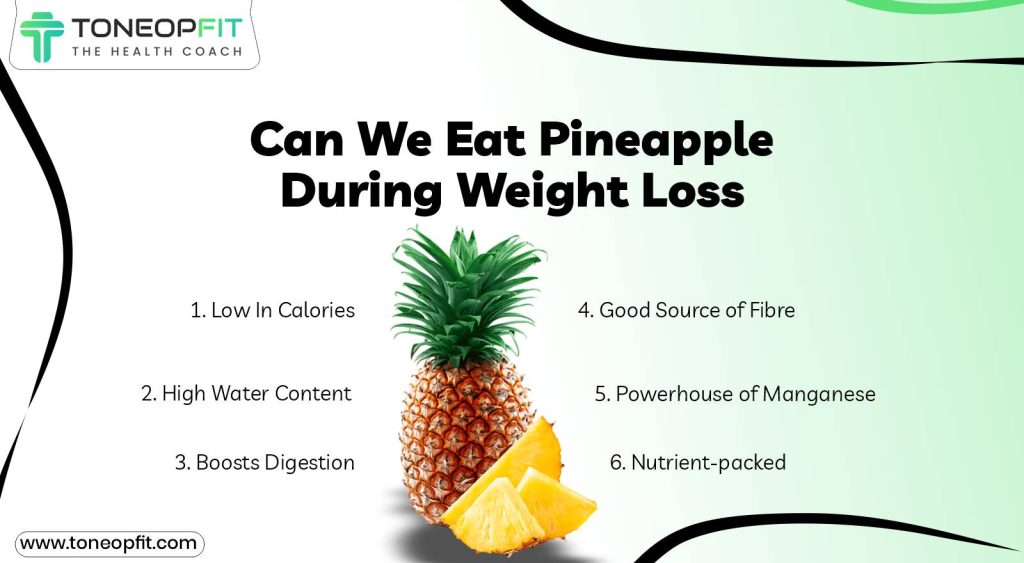
One cup of pineapple chunks has fewer than 100 calories. It offers around 2.5 grams of fiber, aiding digestion and keeping you full longer. The fiber content helps control hunger, making pineapple a smart snack choice.
Contains Antioxidants
Pineapple is rich in antioxidants like flavonoids and phenolic acids. These compounds protect your cells from damage and inflammation. Antioxidants play a role in overall health and can aid weight management.
Enzymes For Better Digestion
Bromelain is a digestive enzyme found in pineapple. It helps break down proteins, improving digestion. Good digestion is crucial for nutrient absorption and can support weight loss efforts.
Hydration And Satiety
Pineapple is about 86% water, helping keep you hydrated. Hydration is essential for metabolism and satiety. Eating pineapple can help reduce cravings and unnecessary snacking.
Low-calorie Content
Pineapple is a tropical fruit cherished for its sweet and tangy flavor. Its low-calorie content makes it an excellent choice for those aiming to shed extra pounds. Packed with essential vitamins, pineapple offers nourishment without the burden of excessive calories.
Low-calorie Nutrition
Each cup of pineapple contains roughly 82 calories. This makes it a guilt-free snack option. The fruit’s high water content contributes to its low calorie density. So, you can enjoy a satisfying portion without consuming many calories.
Rich Fiber Content
Pineapple is loaded with dietary fiber. Fiber aids digestion and keeps hunger at bay. It fills you up, reducing the urge to snack on unhealthy options. This helps maintain a balanced diet and promotes weight loss.
Natural Sugars
Pineapple contains natural sugars that provide energy. These sugars are healthier than processed sugars found in snacks. They offer a sweet taste while keeping calorie intake low. This makes pineapple a great alternative to sugary treats.
Hydration Benefits
Hydration plays a key role in weight management. Pineapple’s high water content helps keep the body hydrated. Staying hydrated can support metabolism and aid in burning calories.
Vitamins And Antioxidants
Pineapple is rich in vitamin C and antioxidants. These nutrients boost immunity and support overall health. While dieting, maintaining good health is crucial. Pineapple offers both health benefits and weight loss support.
Rich In Fiber
Pineapple is a tropical fruit loved for its sweet, tangy taste. It offers more than just flavor. This fruit is rich in fiber, a key element for weight loss. Fiber plays a significant role in promoting digestive health and enhancing satiety. Let’s delve into how pineapple’s fiber content can support your weight loss journey.
Promotes Digestive Health
Fiber is essential for a healthy digestive system. Pineapple contains a good amount of dietary fiber. Fiber aids in moving food through your digestive tract smoothly. This helps prevent constipation and bloating. A well-functioning digestive system can improve nutrient absorption. Better digestion can lead to more energy and less fat storage.
Enhances Satiety
Fiber is known for making you feel full longer. Eating pineapple can curb hunger pangs. It helps reduce overeating and snacking on unhealthy foods. The natural sweetness of pineapple satisfies cravings. Enjoying pineapple as a snack or dessert can keep your diet on track. Feeling full with fewer calories supports weight loss goals.
Natural Enzymes
Pineapple is a tropical fruit that many enjoy. It is rich in natural enzymes, which play a significant role in our body. These enzymes help break down food and support digestion. Eating pineapple may aid weight loss due to these beneficial enzymes.
Role Of Bromelain
Bromelain is a key enzyme found in pineapple. It helps break down proteins in food, making digestion easier. This enzyme reduces bloating and promotes a healthy gut. A healthy digestive system is essential for effective weight management.
Bromelain also has anti-inflammatory properties. This can help reduce swelling and pain in the body. Reducing inflammation can improve overall health and aid weight loss. A body free from inflammation can function more efficiently.
Metabolism Boost
Pineapple contains enzymes that may help boost metabolism. A faster metabolism burns calories more efficiently. This can lead to weight loss over time. Eating pineapple regularly can keep your metabolism active.
Metabolism is essential for converting food into energy. An active metabolism supports weight management. Consuming foods like pineapple can help maintain a healthy metabolism. It is a natural and tasty way to support your weight loss journey.
Hydration And Detoxification
Pineapple is delicious and refreshing. It offers more than just taste. It supports hydration and detoxification, making it a great choice for weight loss. Eating pineapple helps your body stay hydrated. It can also help flush out toxins.
High Water Content
Pineapple is full of water. Water helps keep you hydrated. Staying hydrated is vital for weight loss. It helps your body function well. When you eat pineapple, you consume a lot of water. This helps you avoid dehydration. Dehydration can slow down your metabolism. Pineapple’s high water content can boost your energy levels.
Flushes Toxins
Pineapple helps remove toxins from your body. It contains antioxidants and enzymes. These help cleanse your system. A clean system absorbs nutrients better. This aids in weight loss. Pineapple also supports your liver. A healthy liver processes toxins efficiently. Eating pineapple can promote better digestion. This helps your body get rid of waste faster.
Supports Healthy Weight Management
Pineapple is a delicious tropical fruit. It offers numerous health benefits. It’s particularly helpful for those managing their weight. The fruit is low in calories and high in water content. This makes it filling and hydrating. It also contains essential nutrients. These nutrients support a balanced diet. Eating pineapple can be a part of a healthy lifestyle. Here’s how pineapple supports weight management.
Balancing Blood Sugar Levels
Pineapple has natural sugars and fiber. The fiber helps slow sugar absorption. This can help balance blood sugar levels. Stable blood sugar can reduce hunger. It can also prevent cravings. Eating pineapple may help you feel fuller longer. This can aid in weight management.
Reducing Inflammation
Pineapple contains bromelain. Bromelain is an enzyme with anti-inflammatory properties. Reducing inflammation can improve digestion. It can also boost metabolism. A healthy metabolism is important for weight management. Including pineapple in your diet may help reduce inflammation. This supports a healthy weight.
Incorporating Pineapple In Diet
Pineapple is a tropical delight that can aid weight loss. Its natural sweetness satisfies cravings without adding many calories. Rich in vitamins and fiber, pineapple supports digestion and boosts metabolism. Learn how to incorporate pineapple into your diet for maximum benefits. Below are some easy and delightful ways to enjoy pineapple.
Healthy Recipes
Pineapple pairs well with many dishes. Try a refreshing pineapple salad. Mix pineapple chunks with spinach, walnuts, and feta cheese. Dress it with olive oil and lemon juice. Another option is grilled pineapple chicken. Marinate chicken with pineapple juice, soy sauce, and garlic. Grill until juicy and serve with pineapple slices.
Snack Ideas
Pineapple makes a perfect snack. Enjoy pineapple slices on their own. Or try pineapple with a sprinkle of cinnamon for extra flavor. For a quick treat, blend pineapple with yogurt. Freeze it for a cool and healthy popsicle. Another snack idea is pineapple salsa. Combine pineapple, tomatoes, onions, and cilantro. Use it as a dip or topping for tacos.
Potential Side Effects
Pineapple is a delicious fruit that is often praised for its health benefits. While it can support weight loss, it is important to be aware of potential side effects. These may affect your health and well-being. Understanding these can help you make informed choices. Let’s explore some possible concerns.
Allergic Reactions
Some people may experience allergic reactions to pineapple. This could be due to certain proteins found in the fruit. Symptoms might include itching, swelling, or redness. Severe cases could lead to difficulty breathing. If you experience these symptoms, consult a doctor immediately.
Impact On Dental Health
Pineapple contains high amounts of acid. This can affect your dental health. The acid may wear down enamel over time. Enamel protects your teeth from decay. Eating pineapple frequently might increase this risk. Consider rinsing your mouth with water after consuming pineapple. This simple act may help protect your teeth.
Credit: greensafaris.com
Frequently Asked Questions
Which Fruit Is Best For Weight Loss?
Berries like strawberries and blueberries are excellent for weight loss. They are low in calories and high in fiber. Apples and pears also promote fullness and aid in weight management. Grapefruit can boost metabolism and fat burning. Consuming these fruits can support a healthy weight loss journey.
When Should I Eat Pineapple To Lose Weight?
Eat pineapple before meals to boost metabolism and aid digestion. Its enzymes help break down food, reducing bloating. Consume as a snack instead of sugary treats. Pair with protein-rich foods for better nutrient absorption. Opt for fresh pineapple to maximize weight loss benefits.
What Happens If I Eat Pineapple Every Day For Weight Loss?
Eating pineapple daily may boost weight loss due to its high water content and low calories. Pineapple contains bromelain, which aids digestion, potentially reducing bloating. It is a healthy fruit choice but should be part of a balanced diet. Excessive consumption might lead to high sugar intake.
Which Fruit Burns The Most Belly Fat?
Avocados are known to help burn belly fat due to their healthy fats and high fiber content. They improve metabolism and reduce appetite, aiding weight loss. Including avocados in a balanced diet can support overall fat reduction, especially around the belly area.
Conclusion
Pineapple can be a helpful addition to a weight loss plan. Its low calorie count makes it a great snack. Rich in vitamins, it supports your health. The fiber content aids digestion and keeps you full longer. Remember, moderation is key.
Eating pineapple alone won’t guarantee weight loss. Balance it with other healthy foods. Stay active for better results. Enjoy pineapple as part of a varied diet. Focus on overall lifestyle changes. Small steps lead to big results. Embrace healthier choices and see the difference.
Your journey to wellness starts with mindful eating.








