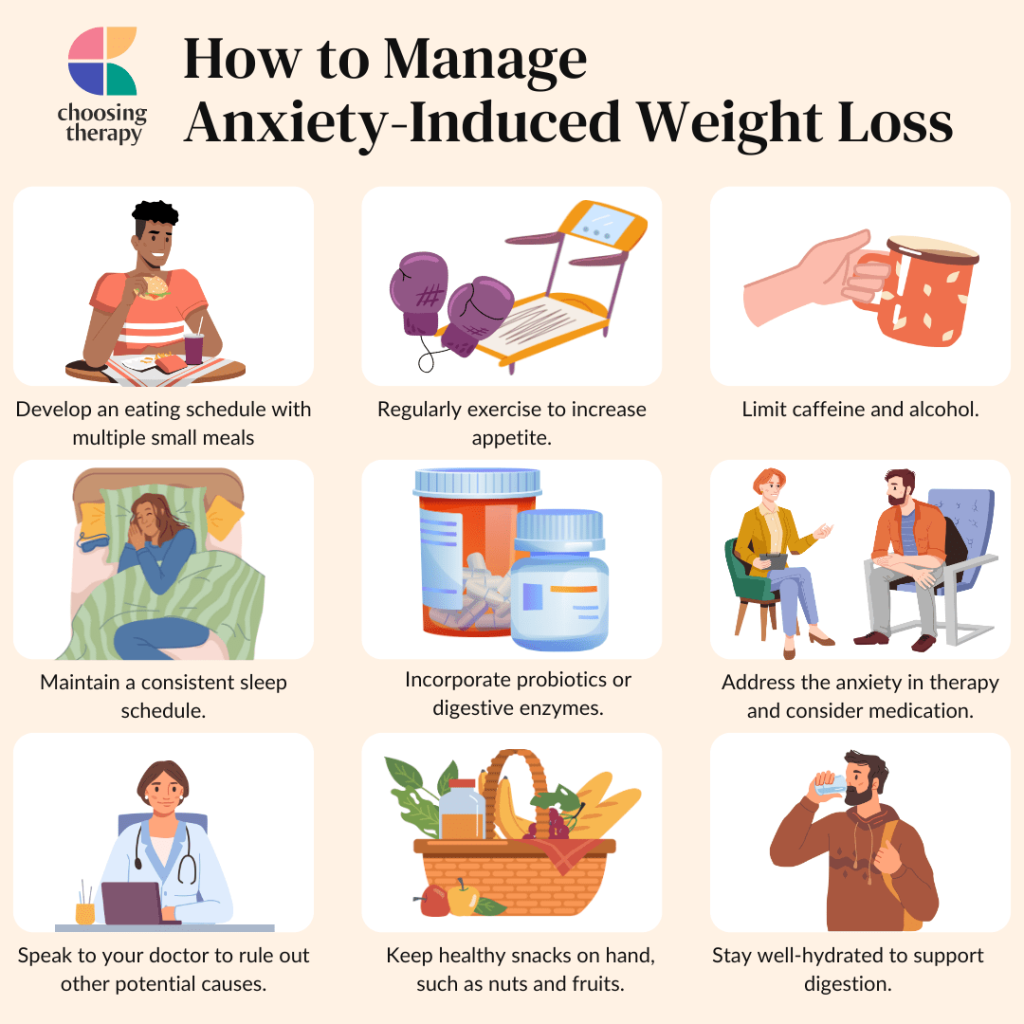
Have you ever noticed your clothes feeling looser during times of stress? You’re not alone.
Many people experience unexpected weight loss when anxiety and stress take center stage in their lives. It might seem like a silver lining in a storm, but it’s crucial to understand what’s happening to your body. Stress and anxiety can play a significant role in how your body processes food and burns calories.
This isn’t just about numbers on a scale—it’s about your health and well-being. Stick around as we delve into the surprising ways stress and anxiety might be affecting your weight and learn how to address these changes for a healthier you. Let’s explore why your mind and body might be at odds and what you can do to regain balance.
Stress And Anxiety: Definition And Differences
Stress and anxiety are emotional responses that can affect physical health. They might lead to weight loss due to decreased appetite or increased energy usage. Understanding these effects is crucial for managing health effectively.
Understanding the nuances between stress and anxiety can help you better manage your mental health, especially when considering their impact on weight loss. Both stress and anxiety can affect your body and mind in different ways. Knowing these differences can be a crucial step in finding effective coping strategies.What Is Stress?
Stress is your body’s response to any demand or challenge. It can be positive, like a job promotion, or negative, like financial trouble. When stressed, you might notice changes in appetite, which can lead to weight fluctuations.What Is Anxiety?
Anxiety, on the other hand, is a feeling of fear or apprehension about what’s to come. This can often be linked to stress but tends to linger longer. If you’ve ever felt a constant knot in your stomach or had a restless night, anxiety might be the culprit.The Differences Between Stress And Anxiety
While stress is often a response to an external trigger, anxiety is more about internal worries. Stress might fade once the situation resolves, but anxiety can persist. Understanding this can help you pinpoint what’s affecting your weight.Personal Experience: Recognizing The Signs
I remember a time when I was juggling a new job and a move. I felt constantly on edge and noticed my clothes fitting differently. It was only after recognizing that my stress had morphed into anxiety that I sought help and began to manage my weight better.Practical Tips For Managing Stress And Anxiety
– Practice Mindfulness: Take a few minutes each day to breathe deeply and focus on the present moment. – Stay Active: Regular exercise can act as a natural stress reliever. – Seek Support: Talk to friends, family, or professionals who can offer guidance. – Keep a Journal: Writing down your thoughts can help you identify triggers. Have you ever wondered how much of your weight loss might be linked to stress and anxiety rather than just diet and exercise? Recognizing the signs and differences can be the first step toward healthier living.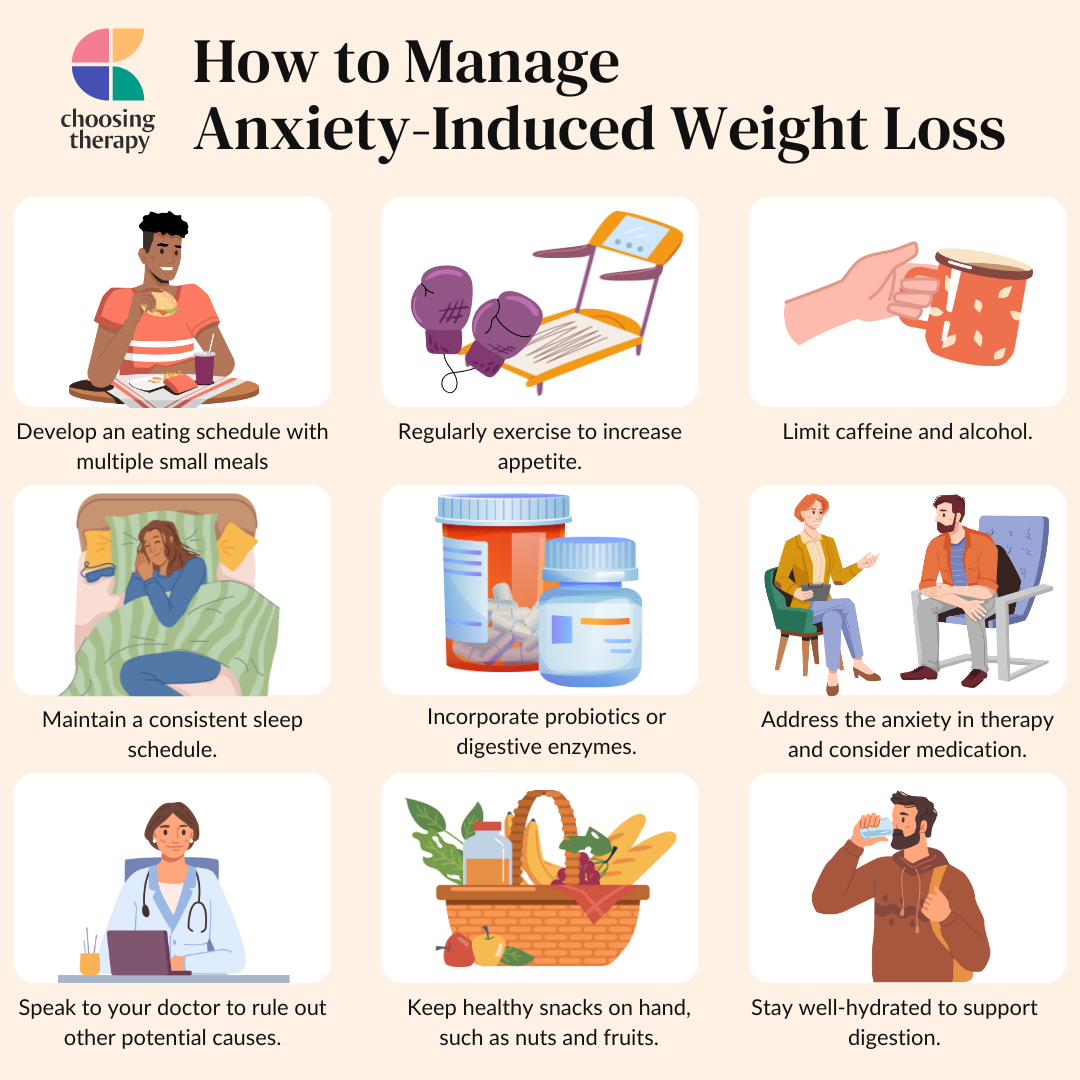
Credit: www.choosingtherapy.com
Physical Symptoms Of Stress And Anxiety
Stress and anxiety can trigger weight loss by affecting appetite and digestion. Elevated stress hormones may lead to reduced hunger. These changes often result in unexpected weight loss, impacting overall health.
Stress and anxiety can manifest in various physical symptoms that many people might overlook. These symptoms can impact your daily life and even your body’s ability to maintain a healthy weight. Have you ever noticed changes in your digestion or metabolism when you’re under pressure? You might not be alone. Understanding how stress and anxiety affect your body can offer insights into managing your health more effectively.Digestive System Effects
Stress often hits your digestive system hard. It can lead to uncomfortable symptoms like stomach cramps, nausea, or diarrhea. You might find your appetite disappearing or fluctuating wildly. This can result in unintentional weight loss, as your body struggles to absorb nutrients effectively. Have you ever felt a pit in your stomach during a stressful event? It’s not just in your head. Your digestive system can become more sensitive and reactive to stress, causing physical discomfort that might make eating less appealing.Metabolic Changes
Anxiety can also alter your metabolism. Stress hormones like cortisol may increase, affecting how your body processes food. This can lead to changes in weight, either gain or loss, depending on how your body responds. You might notice your energy levels dropping, leading to less activity and further metabolic shifts. Have you observed changes in your weight during high-stress periods? It’s not uncommon. Your body is trying to cope with the mental strain, and this can lead to unexpected weight loss as your metabolism adjusts. Understanding these symptoms can empower you to take control. Are there ways to manage stress and anxiety to minimize their physical impacts? Maybe it’s time to explore stress-relief techniques or lifestyle changes that can help stabilize your weight and overall health.How Stress And Anxiety Influence Eating Habits
Stress and anxiety are not just mental battles; they can significantly influence our physical well-being, particularly our eating habits. You might have noticed that when life throws curveballs your way, your relationship with food shifts dramatically. This shift can lead to changes in your weight, sometimes resulting in unexpected weight loss. Let’s explore how stress and anxiety can disrupt your eating patterns.
Loss Of Appetite
Stress often triggers a loss of appetite. You might find yourself skipping meals without realizing it. When your mind is racing with worries, the thought of eating can feel overwhelming. Your body prioritizes dealing with stress, often reducing hunger signals. Have you ever been so consumed by a stressful deadline that you forgot to eat lunch? This isn’t uncommon. However, regularly missing meals can lead to weight loss and nutritional deficiencies.
Emotional Eating
On the flip side, some people turn to food for comfort during stressful times. Emotional eating can lead to weight fluctuations. You might find yourself reaching for snacks when you’re anxious, not because you’re hungry, but because eating distracts you from your emotions. This habit can lead to unhealthy eating patterns and affect your weight. Next time stress hits, ask yourself if you’re eating to satisfy hunger or emotions. Recognizing this can help you manage your eating habits better.
Have you ever thought about how stress and anxiety affect your eating habits? Understanding this connection can help you maintain a healthier relationship with food. Remember, it’s not just about what you eat, but why you eat that matters.
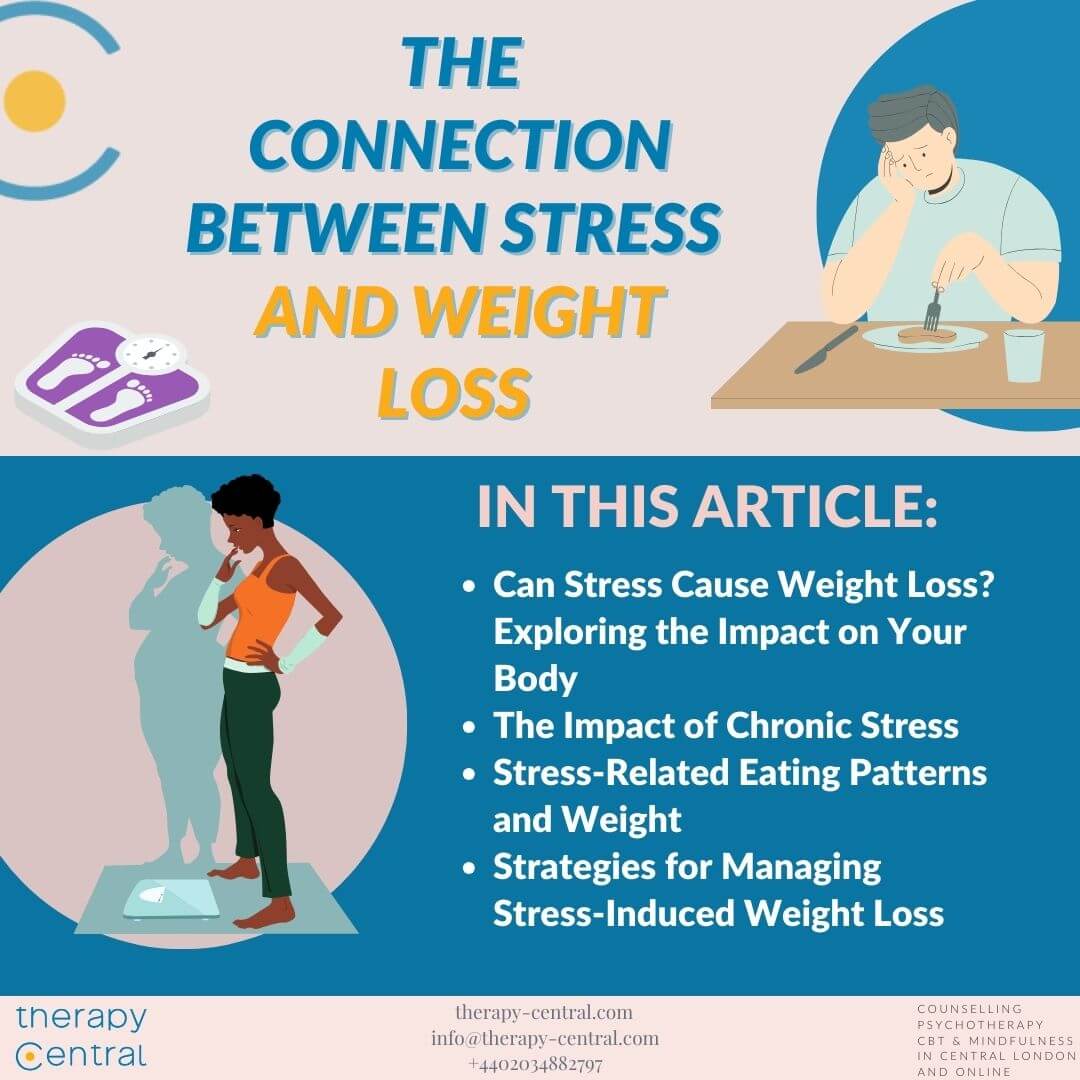
Credit: therapy-central.com
Biological Mechanisms Behind Weight Loss
Stress and anxiety can impact the body in various ways, including weight loss. Understanding the biological mechanisms behind this process is vital. The body’s response to stress and anxiety triggers a series of changes. These changes can affect weight, often leading to weight loss.
Hormonal Changes
Stress causes the release of hormones like cortisol. Cortisol prepares the body for a fight-or-flight response. It can alter your appetite, making you eat less. Lower food intake results in fewer calories consumed. Stress hormones can also increase heart rate and energy expenditure.
Anxiety affects hormone levels too. It can lead to reduced hunger signals in the brain. This makes the body less likely to crave food. Hormones also play a role in digestion. Stress and anxiety can slow down digestion, causing discomfort.
Impact On Metabolism
Metabolism refers to how the body converts food into energy. Stress can speed up metabolism temporarily. This means the body burns calories faster. Anxiety might make the body use energy reserves quicker. High stress levels often lead to muscle tension.
Tensed muscles use more energy, leading to increased calorie usage. Stress can also affect sleep patterns. Poor sleep impacts metabolism, causing weight changes. Consistent stress may lead to long-term changes in metabolic rate.
Psychological Factors Contributing To Weight Loss
Stress and anxiety can lead to unexpected changes in weight. Psychological factors play a crucial role in this process. They influence how our minds and bodies respond. Understanding these factors helps in managing weight changes effectively.
Behavioral Changes
Stress often alters eating habits. Some people skip meals during stressful periods. Anxiety can decrease appetite, leading to reduced food intake. Frequent stress might cause irregular eating patterns. This inconsistency affects metabolism, contributing to weight loss. People might also engage in excessive physical activity. Exercise can become a coping mechanism. Increased activity levels burn more calories, resulting in weight loss.
Cognitive Influences
Stress affects how we think about food. Thoughts become focused on problems, not meals. This distraction reduces interest in eating. Anxiety can create a negative self-image. People might feel less deserving of food. Cognitive distortions can also arise. Stress leads to poor decision-making. Choices might include skipping meals or eating less. Negative thoughts about body image can reinforce weight loss behaviors.
Potential Health Risks Of Stress-induced Weight Loss
Stress and anxiety might lead to weight loss, causing potential health issues. Such weight loss can weaken the immune system, increase fatigue, and lead to nutritional deficiencies. It’s vital to manage stress effectively to avoid these risks.
Stress and anxiety can impact your body in unexpected ways. One such effect is weight loss, which might seem like a positive change at first. But stress-induced weight loss can lead to serious health risks. These risks affect various aspects of your health, from nutrition to your immune system.Nutritional Deficiencies
Stress often leads to poor eating habits. People might skip meals or choose unhealthy snacks. This results in a lack of essential nutrients. The body needs vitamins and minerals to function properly. Without them, you may feel tired and weak. Long-term deficiencies can lead to more serious health issues. These include bone loss and anemia.Weakened Immune System
Stress affects the immune system. It makes the body more prone to illnesses. When combined with weight loss, the immune system weakens further. This increases the risk of infections. Even a simple cold can become a big problem. Healing takes longer, and recovery becomes difficult. A strong immune system is vital for good health. Stress and weight loss put it at risk.Managing Stress And Anxiety For Healthy Weight
Managing stress and anxiety is crucial for maintaining a healthy weight. Stress and anxiety can lead to unintentional weight loss. Understanding this connection can help you develop strategies to manage stress effectively. By adopting healthy habits, you can ensure that stress does not negatively impact your weight. Let’s explore some effective techniques to manage stress and anxiety.
Stress Reduction Techniques
Breathing exercises can calm your mind. Deep breathing helps reduce stress quickly. Meditation is another powerful tool. It clears your mind and boosts focus. Yoga combines physical movement and mindfulness. It reduces stress and improves flexibility. Regular exercise releases endorphins. These natural chemicals enhance mood and well-being. Even a short walk can help. Listening to music can also be soothing. Choose calming tunes for a peaceful mind.
Balanced Nutrition
Nutrition plays a vital role in managing stress. Eating balanced meals supports your mental health. Ensure your diet includes fruits and vegetables. These provide essential vitamins and minerals. Whole grains offer sustained energy. They help maintain blood sugar levels. Protein-rich foods keep you full longer. They prevent overeating during stressful times. Stay hydrated by drinking water regularly. Avoid excessive caffeine and sugar intake. These can increase anxiety and stress.
By integrating these practices, you can manage stress effectively. This balance will support healthy weight maintenance.
Professional Help And Therapy Options
Stress and anxiety can lead to unwanted weight loss. Seeking help is vital. Professional support offers effective solutions. Therapists understand the complexities of mental health. They provide tailored approaches to manage stress and anxiety. This guidance can help stabilize weight. Therapy is not just for severe cases. It benefits anyone feeling overwhelmed.
Therapists use different methods to address these issues. Counseling and nutritional guidance are two effective options. Both play a crucial role in improving overall well-being.
Psychological Counseling
Counseling involves talking to a trained therapist. The therapist helps identify stress triggers. Understanding these triggers is the first step. Therapists provide strategies to cope with stress. These strategies aim to reduce anxiety. With less anxiety, weight loss can be controlled. Regular sessions offer continuous support. They help maintain a balanced lifestyle.
Cognitive-behavioral therapy is a common approach. It focuses on changing negative thought patterns. Positive thinking reduces stress levels. Better mental health leads to physical health improvements. Counseling is a safe space to express feelings. It encourages emotional healing.
Nutritional Guidance
Nutritionists specialize in dietary solutions. They assess individual eating habits. Nutritional guidance ensures a balanced diet. This helps in maintaining a healthy weight. Stress often affects eating patterns. A nutritionist can provide strategies to manage these changes.
Meal planning is part of nutritional guidance. It includes foods that boost mood. Healthy eating supports mental well-being. Proper nutrition reduces stress impact on the body. With expert advice, dietary improvements become achievable. Nutritional guidance complements therapy sessions. Together, they offer a holistic approach to health.
Personal Stories And Experiences
Facing stress and anxiety can lead to unexpected weight loss. Personal stories often reveal how daily pressures impact eating habits and metabolism. Many individuals notice changes in appetite and energy levels, which contribute to these weight changes.
Stress and anxiety affect people in countless ways, including weight loss. Personal stories often reveal the profound effects of these emotions on our bodies. Many find that sharing their experiences can be both therapeutic and enlightening. It opens the door to understanding and offers insights into coping strategies that might work for you.Real-life Testimonials
Consider Jane, a mother of two, who began losing weight rapidly after her divorce. She found herself overwhelmed by daily responsibilities and emotional turmoil. As she recounted her story, she realized that her weight loss wasn’t just physical but a reflection of her inner stress. Then there’s Mark, a young professional navigating the demanding corporate world. He shared how his once hearty appetite diminished as his workload increased. Mark’s story highlights how stress can quietly affect your eating habits, sometimes without you even noticing. Have you experienced something similar? What have your personal journeys revealed about the connection between your emotions and weight?Coping Strategies
Jane discovered yoga as a way to manage her stress. The practice didn’t just help her relax; it brought her awareness of her body’s needs. She started prioritizing meals and found a balance between her mind and body. Mark took a different approach. He sought therapy, where he learned to articulate his feelings and fears. This helped him regain control over his eating habits and understand the root causes of his anxiety-driven weight loss. What coping strategies resonate with you? Have you tried new activities or sought support from others? You might find that exploring different methods, like mindfulness or talking to a friend, can be beneficial. The key is to identify what works for you and remain open to new possibilities.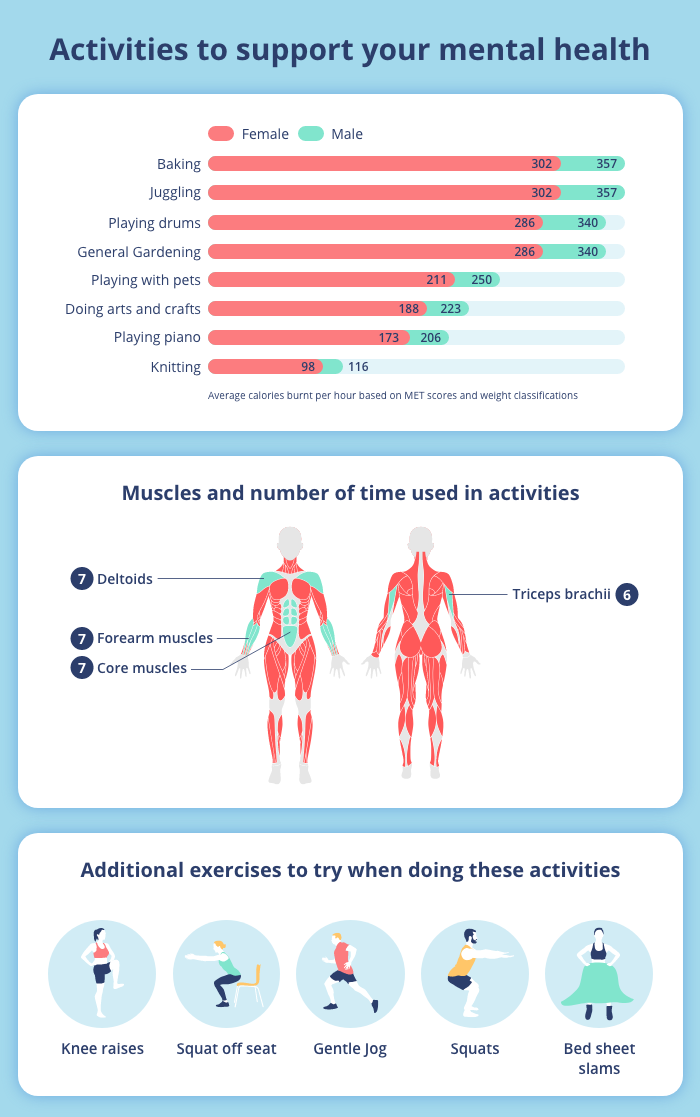
Credit: onlinedoctor.lloydspharmacy.com
Frequently Asked Questions
How Much Weight Can You Lose From Stress And Anxiety?
Stress and anxiety can lead to weight loss, but results vary by individual. Some may lose 5-10 pounds quickly. Always consult a healthcare professional for guidance.
Can Stress Cause Weight Loss?
Yes, stress can lead to weight loss. It often reduces appetite and increases metabolism. Stress hormones like cortisol can affect eating habits. Some people might skip meals or eat less due to anxiety. Chronic stress may cause significant weight changes.
Manage stress to maintain a healthy weight.
Can Anxiety Really Cause Weight Loss?
Yes, anxiety can lead to weight loss. It often causes reduced appetite and increased energy expenditure. Stress hormones like cortisol may also affect metabolism. It’s important to manage anxiety for overall health and well-being. Consult a healthcare professional if you experience significant or unexplained weight changes.
Can Stress And Overthinking Make You Lose Weight?
Yes, stress and overthinking can lead to weight loss. Stress increases cortisol levels, affecting metabolism. Overthinking often reduces appetite, leading to decreased food intake. It’s important to manage stress for overall health. Consider relaxation techniques, balanced diets, and regular exercise to maintain a healthy weight.
Consult a healthcare professional for personalized advice.
Conclusion
Stress and anxiety can impact weight. Sometimes, weight loss happens unintentionally. It’s vital to pay attention to your body. Notice changes in your eating habits. Take steps to manage stress effectively. Exercise and meditation can help. Talking to someone might be beneficial.
Seek professional advice if needed. Healthy lifestyle choices support well-being. Balance is key to maintaining a healthy weight. Prioritize mental health as much as physical health. Listen to your body. Remember, caring for yourself is important. Keep your health in focus.
Find what works best for you.








