Affiliate Disclosure: This post may contain affiliate links. If you purchase through links on our site, we may earn an affiliate commission at no extra cost to you.
Are you eager to track your weight loss progress and celebrate every milestone? Knowing how to find the percentage of weight loss can be a game-changer in your fitness journey.
It’s not just about the numbers on the scale; it’s about understanding how far you’ve come and where you’re heading. Imagine the motivation boost you’ll get when you see your efforts quantified in a percentage. This simple calculation can transform how you perceive your success, making it feel more tangible and rewarding.
By the end of this guide, you’ll be equipped with the knowledge to calculate your weight loss percentage effortlessly, empowering you to set realistic goals and keep your motivation soaring high. Ready to unlock the secret to quantifying your success? Let’s dive in and discover how you can easily track and celebrate your achievements.
Understanding Weight Loss Percentage
Calculating weight loss percentage helps track progress efficiently. Divide lost weight by initial weight, then multiply by 100. This method gives a clear picture of your weight loss journey.
Understanding how to calculate the percentage of weight loss can be a game-changer in your fitness journey. It’s not just about seeing the numbers drop on the scale; it’s about comprehending your progress in a meaningful way. Knowing the percentage of weight loss can provide a more accurate representation of your success, motivating you to stay on track.
Definition And Importance
Weight loss percentage is a calculation that shows how much weight you have lost relative to your starting weight. This metric is crucial because it accounts for individual differences. Losing 5 pounds means something entirely different for someone weighing 200 pounds compared to another at 120 pounds. Understanding this percentage can help you set realistic goals. It offers a clearer picture of your achievements. This can boost your confidence and drive you to maintain a healthy lifestyle.
Common Misconceptions
Many people mistakenly believe that any weight loss is beneficial without considering the context. However, losing weight too quickly might lead to muscle loss, which is not desirable. It’s important to focus on healthy and sustainable weight loss percentages. Another common misconception is that weight loss percentage is just about dropping pounds. It’s crucial to consider factors like muscle gain and fat loss. Have you ever noticed your clothes fitting better even if the scale doesn’t budge? That’s where weight loss percentage helps you understand the full picture. When you understand weight loss percentage, you can better navigate your journey. Are you focusing too much on the number on the scale? Consider shifting your focus to this more insightful metric. This approach can transform how you perceive your progress, ensuring you celebrate every success along the way.
Initial Weight Measurement
Understanding your weight loss journey begins with knowing your starting point. The initial weight measurement is crucial. It provides a baseline to track progress. Ensuring accuracy in this step can enhance your results. A precise measurement sets the stage for effective monitoring.
Accurate Weighing Techniques
Use a reliable scale for accurate weight readings. Place the scale on a flat, hard surface. Avoid carpets or uneven floors. Stand still with feet evenly spaced. Try weighing at the same time each day. Morning weigh-ins often deliver consistent results. Ensure the scale is calibrated correctly. Check batteries regularly for digital scales. Consistency in technique reduces errors.
Recording Initial Weight
Document the weight for future reference. Use a notebook or app to log it. Write down the date and time of the measurement. Consider noting any conditions, like clothing worn. This helps in understanding fluctuations. Regular recording can reveal patterns over time. It simplifies tracking and keeps you informed.
Tracking Weight Changes
Tracking weight changes is crucial for understanding progress in weight loss. It helps in assessing the effectiveness of diet and exercise plans. Regular monitoring and using weight loss journals can make the process easier.
Regular Monitoring
Regular monitoring keeps you informed about your weight fluctuations. Weigh yourself at the same time each day. Use a digital scale for accurate results. Record the weight consistently to see patterns. This helps in identifying trends over time. Regular checks encourage discipline and commitment.
Using Weight Loss Journals
Weight loss journals are excellent tools for tracking progress. Write down daily weight readings. Include notes on diet and physical activity. Journals provide a comprehensive view of your journey. They reveal factors affecting your weight changes. Reviewing past entries can offer motivation. Consistent journaling aids in setting realistic goals.
Calculating Weight Loss Percentage
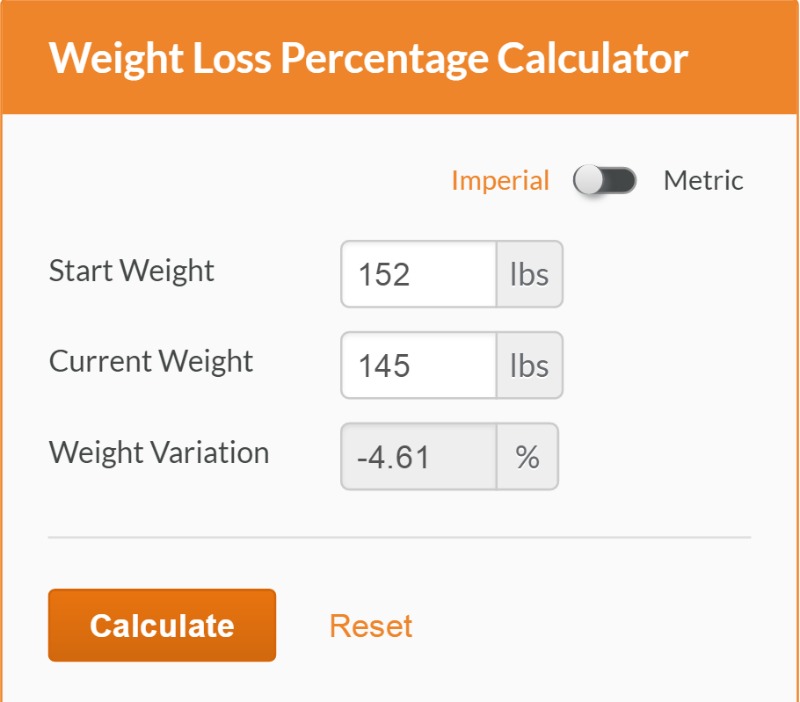
Finding the percentage of weight loss involves a simple calculation. First, subtract your current weight from your starting weight. Divide the result by your starting weight. Finally, multiply by 100 to get the percentage. This method helps track progress easily.
Calculating Weight Loss Percentage is a straightforward yet powerful method to track your progress. Understanding this concept is essential for anyone committed to shedding those extra pounds. It’s not just about seeing a number on the scale drop; it’s about understanding how much of your starting weight you’ve lost. This can be a real motivator in your weight loss journey. Imagine the satisfaction of calculating your weight loss percentage and realizing just how far you’ve come!
Basic Formula
To find your weight loss percentage, the formula is simple. You need your starting weight and your current weight. Subtract your current weight from your starting weight. Then, divide the result by your starting weight. Multiply by 100 to get your percentage. Here’s a quick example: If you started at 200 pounds and now weigh 180 pounds, subtract 180 from 200, which gives you 20. Divide 20 by 200 to get 0.1. Multiply by 100, and you’ve lost 10% of your weight!
Step-by-step Calculation
Let’s break it down further, step-by-step: 1. Determine Starting Weight: This is the weight you began with. Keep a record of it for accuracy. 2. Identify Current Weight: Weigh yourself on the same scale for consistency. Do this at the same time each day to avoid fluctuations. 3. Perform the Calculation: Subtract current weight from starting weight. Write this down. 4. Divide and Multiply: Take the difference, divide by the starting weight, then multiply by 100. This gives you the percentage. 5. Celebrate Your Progress: Seeing your weight loss percentage can be motivating. It’s a concrete representation of your hard work. Calculating your weight loss percentage is not just a math exercise; it’s a celebration of your dedication and effort. How does it feel to know exactly how much you’ve accomplished? Remember, every small percentage counts towards your goal. Keep tracking, keep pushing, and make every pound matter!
Interpreting Results
Understanding the percentage of weight loss is crucial for tracking progress. It provides a clear view of your journey towards health goals. Knowing how to interpret these results can empower you. It helps in making informed decisions. This section will guide you through the process.
Assessing Progress
Start by calculating the percentage of weight lost. Use the formula: (weight lost/initial weight) x 100. This figure shows how far you’ve come. Celebrate small victories. Even minor losses contribute to overall health. Consistency is key. Regularly monitoring results keeps you on track.
Consider the changes in your lifestyle. Improved energy levels and better mood are positive signs. They indicate progress beyond numbers. Remember, weight loss is not just physical. Mental and emotional changes are equally important.
Setting Future Goals
Reflect on your progress. Use it to set achievable goals. Aim for realistic and healthy targets. Avoid setting extreme goals that might be harmful. Focus on sustainable weight loss. Gradual changes are more effective in the long run.
Plan your next steps. Adjust your diet and exercise routines as needed. Keep your goals flexible. Allow room for adjustments based on your body’s response. Set timelines that motivate but don’t pressure you. Balance is essential for maintaining your well-being.
Factors Influencing Weight Loss
Calculating weight loss percentage is simple. Divide lost weight by original weight, then multiply by 100. This helps track progress effectively. Understanding this percentage aids in setting realistic goals and maintaining motivation.
Understanding the factors that influence weight loss can make your journey more effective and personalized. Your success depends on multiple elements, each playing a crucial role in how your body sheds pounds. By understanding these factors, you can tailor your approach to fit your unique needs and lifestyle.
Diet And Exercise
Your diet and exercise routine are the cornerstone of any weight loss plan. What you eat directly affects your calorie intake, which in turn impacts weight loss. Choosing whole foods like fruits, vegetables, lean proteins, and whole grains can help you feel full longer, reducing the temptation to overeat. Exercise complements your diet by increasing the calories you burn. Even simple activities like walking or cycling can significantly contribute to weight loss. Have you ever tried a new workout routine and noticed how it changes your mood and energy levels? Small changes can lead to significant results over time.
Metabolic Rate
Your metabolic rate determines how quickly your body converts food into energy. A faster metabolism means more calories burned, even at rest. Factors like age, muscle mass, and genetics can affect your metabolic rate. Building muscle through strength training can boost your metabolism. Have you noticed how some people seem to eat more but never gain weight? Their metabolism might be naturally higher, but you can enhance yours too by staying active and maintaining muscle mass. Consider how these factors influence your weight loss journey. What changes can you make today to align your diet and exercise with your metabolic needs? Understanding these elements can empower you to take control of your health and achieve your goals.
Tips For Accurate Measurement
Finding the percentage of weight loss requires precision. Accurate measurements ensure you track progress effectively. This section offers helpful tips for accurate measurement. Let’s explore how consistency and avoiding errors can aid in this process.
Consistency In Method
Use the same scale every time. Different scales can give varied results. Weigh yourself at the same time each day. Morning is a popular choice. Wear similar clothes for each weigh-in. Or weigh without clothes. Consistency ensures reliable data.
Avoiding Common Errors
Avoid weighing after meals. Food and drink add temporary weight. Consider bathroom visits before weighing. This ensures you’re measuring body weight, not added contents. Place the scale on a flat surface. Uneven floors can skew results. Check the scale’s battery regularly. Low power can affect accuracy.
Tools And Apps For Tracking
Discover how apps can simplify tracking weight loss percentages. Simply input your starting and current weight, and let the tool calculate the percentage lost. These digital aids make monitoring progress easy and hassle-free.
Tracking weight loss progress can be challenging. Thankfully, technology offers solutions through tools and apps. These digital helpers simplify tracking weight loss percentages. They provide insights into your health journey. Let’s explore the options available.
Popular Apps
Several apps help track weight loss percentages. MyFitnessPal is a widely-used app. It tracks food intake and exercise. It offers a community for support. Fitbit app pairs with wearable devices. It tracks activity levels and weight changes. Lose It! app focuses on calorie counting. It helps set personalized goals for weight loss. These apps are user-friendly and have helpful features.
Choosing The Right Tools
Selecting the right tool depends on your needs. Consider your goals and lifestyle. Some apps focus on diet tracking. Others emphasize exercise monitoring. Look for apps with easy interfaces. Read reviews to gauge user satisfaction. Ensure the app syncs with devices you already use. Compatibility ensures seamless tracking. Privacy features are important too. Check how data is stored and shared. Choose tools that protect your information. Always pick tools that motivate and support your journey.
Frequently Asked Questions
How Do You Calculate Weight Loss Percentage?
To calculate weight loss percentage, subtract current weight from initial weight, then divide by initial weight. Multiply the result by 100. This formula gives you the percentage of weight lost. For example, if your initial weight was 200 pounds and you lost 20 pounds, your weight loss percentage is 10%.
How Do You Calculate Percentage Loss?
To calculate percentage loss, subtract the final value from the initial value. Divide the result by the initial value. Multiply by 100 to get the percentage. For example, if an item costs $100 and sells for $80, the percentage loss is [(100 – 80) / 100] × 100 = 20%.
How To Calculate A Weight Percentage?
To calculate weight percentage, divide the weight of the specific component by the total weight. Multiply the result by 100 to convert it into a percentage. This formula helps determine the proportion of a component in a mixture. It’s essential for various applications in science and industry.
How Do You Measure Body Percentage Loss?
Measure body percentage loss using a scale and body fat calculator. Track weight and fat changes over time. Use calipers or body scans for precise measurements. Ensure consistency by measuring under similar conditions. Regularly update records to monitor progress and adjust fitness goals.
Conclusion
Calculating weight loss percentage is simple and motivating. First, note your starting weight. Next, weigh yourself after some time. Subtract the new weight from the starting weight. Divide the result by the starting weight. Multiply by 100 to get the percentage.
This helps track progress. It keeps you motivated. A clear picture of your journey. Remember, patience is key. Slow and steady wins the race. Celebrate small victories. Each step matters. Stay focused on your goals. Keep going, and success will follow.
Enjoy the journey to better health!








