Affiliate Disclosure: This post may contain affiliate links. If you purchase through links on our site, we may earn an affiliate commission at no extra cost to you.
Are you a vegetarian trying to build muscle? If so, you might feel like you’re facing an uphill battle.
The thought of packing on muscle might seem daunting without the usual staples of chicken breasts and steak. But don’t worry—you’re not alone, and it’s definitely possible to achieve your goals. In fact, with the right strategies, you can sculpt a strong and healthy physique without ever needing to change your dietary preferences.
You might be wondering how to get enough protein or which foods to focus on for optimal muscle growth. This article will guide you through practical tips and effective strategies to help you build muscle while sticking to your vegetarian lifestyle. By the end, you’ll have a clear roadmap to muscle-building success that aligns perfectly with your dietary choices. Ready to transform your fitness journey? Let’s dive in!
Benefits Of A Vegetarian Diet For Muscle Growth
Muscle growth on a vegetarian diet offers unique benefits for athletes. Plant-based eating supports muscle development while promoting overall health. Many vegetables and grains are rich in essential nutrients needed for building muscle. Eating a variety of plant foods ensures you get all necessary amino acids. This creates a balanced diet. Protein sources like beans, lentils, and tofu are effective for muscle gain.
Improved Heart Health
A vegetarian diet often leads to better heart health. It reduces cholesterol levels and lowers blood pressure. This supports overall fitness and helps with muscle endurance.
Rich In Antioxidants
Vegetarian diets are full of antioxidants. These help to reduce inflammation. Lower inflammation aids in faster recovery after workouts. This speeds up muscle growth.
High Fiber Intake
Fiber-rich foods improve digestion and nutrient absorption. Better nutrient absorption supports muscle repair and growth. This leads to more effective muscle development.
Lower Risk Of Chronic Diseases
Vegetarian eating lowers the risk of chronic diseases. This includes diabetes and certain cancers. Better health means more energy for workouts, aiding muscle growth.
Weight Management
Vegetarian diets help with weight management. Maintaining a healthy weight is crucial for muscle building. It improves workout efficiency and stamina.
Essential Nutrients For Vegetarians
Building muscle on a vegetarian diet requires essential nutrients like protein, iron, and vitamin B12. Focus on plant-based sources such as beans, lentils, and tofu to meet protein needs. Incorporate leafy greens and fortified cereals to boost iron and vitamin intake.
Vegetarians can effectively build muscle with the right nutrients. Essential nutrients play a key role in muscle development. Understanding these nutrients helps optimize a vegetarian diet for muscle growth. Below, explore critical nutrients that support muscle building for vegetarians.
Protein Sources
Protein is vital for muscle growth. Vegetarians have many protein-rich options. Lentils, chickpeas, and beans offer high protein content. Tofu and tempeh are also excellent choices. Quinoa provides a complete protein source. Nuts and seeds add variety and nutrition. These foods help meet protein needs efficiently.
Iron And Zinc
Iron supports oxygen transport in muscles. Vegetarians can find iron in spinach and kale. Lentils and beans contain both iron and zinc. Zinc aids in muscle recovery and growth. Whole grains and nuts offer essential zinc. Pairing iron-rich foods with vitamin C enhances absorption. This ensures efficient nutrient intake.
Omega-3 Fatty Acids
Omega-3s help reduce muscle inflammation. Flaxseeds and chia seeds are rich in omega-3s. Walnuts offer another source. These foods support heart and joint health. They also aid in muscle repair. Incorporating these seeds into meals boosts omega-3 intake.
Vitamin B12 And D
Vitamin B12 is crucial for energy production. Vegetarians can find B12 in fortified cereals. Nutritional yeast is another source. Vitamin D supports calcium absorption. Sun exposure helps produce vitamin D naturally. Fortified plant milks also contain vitamin D. These vitamins are essential for maintaining strong muscles.
Creating A Balanced Vegetarian Meal Plan
Building muscle on a vegetarian diet requires a balanced meal plan rich in protein and nutrients. Include legumes, tofu, and quinoa to meet protein needs, while nuts and seeds offer healthy fats. Incorporate leafy greens and colorful veggies for essential vitamins and minerals.
Creating a balanced vegetarian meal plan is crucial for building muscle effectively without relying on animal products. Many people worry that a vegetarian diet might lack the necessary nutrients for muscle growth. However, with the right approach, you can craft a meal plan that supports your fitness goals and keeps your taste buds happy. Let’s dive into the essentials of creating an effective vegetarian meal plan.
Caloric Intake And Macronutrient Ratios
Understanding your caloric needs is the first step in muscle building. Calculate how many calories you need to maintain your current weight and then add additional calories for muscle growth. Focus on protein-rich plant sources like beans, lentils, tofu, and quinoa. These should form the base of your meals. Aim for a balanced ratio of carbohydrates, proteins, and fats. Adjust your macronutrient intake based on your activity levels. More active days might require higher carbohydrate intake for energy. Consider using tools or apps to track your daily intake and adjust as needed.
Meal Timing And Frequency
Eating at regular intervals helps maintain energy levels and supports muscle repair. Try to eat every 3-4 hours. This can prevent muscle breakdown and keep you fueled for workouts. Prioritize protein-rich snacks between meals. A handful of nuts or a smoothie can be a great option. Think about your workout schedule. Eating a protein-rich meal after exercise aids recovery and boosts muscle growth.
Sample Meal Plan
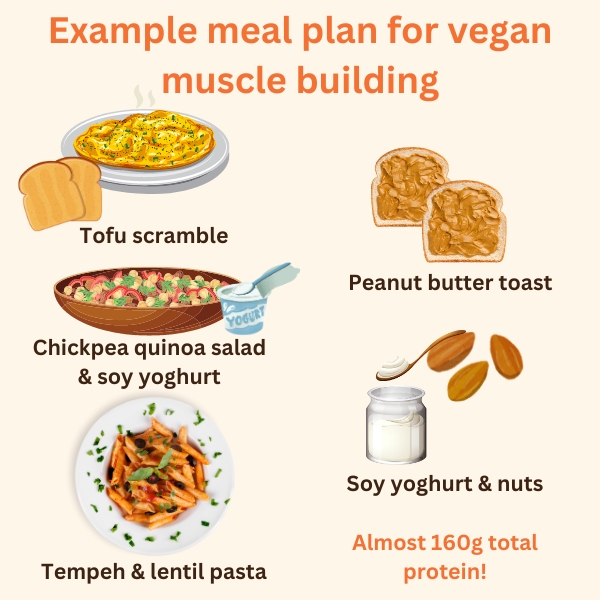
Here’s a simple meal plan to get you started:
| Time | Meal |
|---|---|
| Breakfast | Oatmeal with almond milk, chia seeds, and fresh berries |
| Mid-Morning Snack | Smoothie with spinach, banana, almond butter, and protein powder |
| Lunch | Quinoa salad with chickpeas, cherry tomatoes, cucumbers, and avocado |
| Afternoon Snack | Hummus with carrot and celery sticks |
| Dinner | Grilled tofu with steamed broccoli and brown rice |
Experiment with different meals and ingredients. Find what works best for your body and lifestyle. Are there favorite vegetarian dishes you can tweak for added protein? Keep your meals varied and colorful to ensure you’re getting a wide range of nutrients.
Credit: dietitianfit.co.uk
Effective Strength Training For Vegetarians
Building muscle on a vegetarian diet might seem challenging, but it’s entirely possible with effective strength training. Many vegetarians worry about protein intake, yet countless athletes have thrived on plant-based diets. The key is to focus on exercises that maximize muscle growth and recovery. Strength training for vegetarians is not just about lifting weights; it’s about adopting strategies that ensure consistent progress and optimal results.
Compound Exercises
Compound exercises are your secret weapon. These moves engage multiple muscle groups, giving you more bang for your buck. Think squats, deadlifts, and bench presses. They help build strength efficiently, pushing your muscles to grow larger and stronger. If you’ve ever tried a squat, you know how demanding yet rewarding it can be. It’s like hitting the gym jackpot, working your legs, core, and even your back.
Why not try adding pull-ups or lunges to your routine? You’ll be surprised at how quickly your strength improves. Remember, the more muscles you engage, the more calories you burn, and the more your muscles will grow.
Progressive Overload
Progressive overload is vital. To keep seeing results, you need to gradually increase the weight or resistance you use. This technique signals your muscles to adapt and grow stronger. Imagine lifting the same weight week after week; your muscles would get bored, and progress would stall.
Start by adding small increments to your weights. You could add 5 pounds every couple of weeks. Alternatively, increase your reps or sets. This strategy keeps your workouts challenging and rewarding. It’s the same approach that helped me break through my plateau a year ago—challenging but totally worth it.
Rest And Recovery
Don’t underestimate the power of rest and recovery. They’re as crucial as the workouts themselves. Muscles grow during rest periods, not while you’re lifting. It’s like planting a seed; you need to give it time to sprout. If you push too hard without adequate rest, you risk injury and burnout.
Consider scheduling rest days and prioritizing sleep. Muscle recovery thrives on a good night’s rest. Listen to your body; if you’re feeling worn out, it’s okay to take a break. How do you balance workouts with recovery in your routine?
Embrace these strategies, and you’ll be on your way to building muscle effectively on a vegetarian diet. Your strength journey is unique, and it’s all about finding what works best for you.
Supplements To Consider
Building muscle on a vegetarian diet requires careful consideration of nutrients. Supplements can help bridge nutritional gaps. They can enhance muscle-building efforts. Choosing the right supplements can be crucial. Below are key supplements to consider.
Protein Powders
Protein is vital for muscle growth. Vegetarian diets may lack protein. Protein powders can be a convenient solution. They offer a quick protein boost. Options include pea, soy, and hemp protein. They are easily digestible. They support muscle repair and growth.
Creatine
Creatine is a popular supplement among athletes. It boosts energy during workouts. It enhances muscle mass. Vegetarians may have lower creatine levels. Supplementing can fill this gap. It supports strength and stamina. Creatine is available in various forms.
Branched-chain Amino Acids (bcaas)
BCAAs play a key role in muscle recovery. They include leucine, isoleucine, and valine. They reduce muscle fatigue. They promote protein synthesis. Vegetarian diets might lack these amino acids. Supplementing ensures adequate intake. BCAAs are available in powder and capsule forms.
Overcoming Common Challenges
Building muscle on a vegetarian diet presents unique challenges. Many wonder if it’s possible to gain muscle without meat. You can succeed with the right approach. Focus on key areas to ensure progress. Address common concerns for a balanced diet. Meet protein needs, avoid nutrient gaps, and stay motivated.
Meeting Protein Needs
Protein is vital for muscle growth. Vegetarians can meet their protein needs with plant sources. Beans, lentils, and tofu provide good protein. Quinoa and nuts also offer quality protein. Aim for a variety of protein-rich foods. This ensures a complete amino acid profile. Supplements like pea or soy protein can help. They offer an easy way to increase intake.
Avoiding Nutrient Deficiencies
Nutrient deficiencies can hinder muscle building. Iron and B12 are common concerns for vegetarians. Include fortified cereals and nutritional yeast in your diet. Leafy greens and legumes provide necessary vitamins. Regular blood tests can help monitor your levels. Adjust your diet as needed to fill any gaps.
Staying Motivated
Maintaining motivation is essential for muscle growth. Set achievable goals to track progress. Celebrate small victories to stay encouraged. Join a community of like-minded individuals. Share experiences and tips for mutual support. Remember why you started your journey. Visualize your success to keep pushing forward.
Success Stories And Inspiration
Discover inspiring stories of individuals who successfully build muscle while following a vegetarian diet. Learn practical tips on balancing protein sources, meal planning, and leveraging plant-based foods for muscle growth. These narratives offer motivation and insights for those seeking strength without sacrificing their vegetarian lifestyle.
Building muscle on a vegetarian diet might seem challenging. Yet, many have achieved remarkable results. These inspiring stories prove that plant-based diets support muscle growth. Let’s explore some real-life success stories that motivate and guide us on this journey.
From Skinny To Strong: Jane’s Journey
Jane was once underweight and lacked confidence. She decided to switch to a vegetarian diet. Her focus was on high-protein plant foods. She included beans, lentils, and tofu in her meals. With dedication, she transformed her physique. Today, she is a fitness coach. Jane inspires others with her story. Her success proves muscle gain is possible without meat.
Athlete Transformation: Mark’s Plant-based Path
Mark always loved sports. But he struggled with maintaining muscle mass. He transitioned to a vegetarian diet. He discovered the power of quinoa and chickpeas. These foods became staples in his diet. Mark also practiced strength training regularly. Now, he competes in athletic events. Mark’s story is a testament to the benefits of plant-based nutrition.
Bodybuilder Breakthrough: Emma’s Experience
Emma is a professional bodybuilder. She adopted a vegetarian lifestyle for health reasons. Her protein sources include tempeh and edamame. She also uses plant-based protein powders. Emma’s success in competitions speaks volumes. Her story encourages those who doubt vegetarian diets for muscle building.
Fitness Enthusiast: Liam’s Lifestyle Change
Liam wanted to improve his fitness. He embraced a vegetarian diet. Nuts, seeds, and whole grains became his main foods. He noticed increased energy levels. Liam’s commitment paid off. He gained muscle and improved his physique. His story shows the potential of plant-based eating. These stories highlight the power of vegetarian diets. They prove that muscle growth is achievable. With dedication and the right nutrition, anyone can succeed.
Frequently Asked Questions
Can You Build Muscle As A Vegetarian?
Yes, vegetarians can build muscle effectively. Include protein-rich foods like beans, lentils, tofu, and quinoa. Focus on balanced nutrition, strength training, and sufficient calorie intake. Monitor progress and adjust your diet as needed. Consider protein supplements if required. Consistency and dedication are key to achieving muscle growth as a vegetarian.
Which Protein Is Best For Muscle Gain For Vegetarians?
The best protein sources for vegetarian muscle gain include lentils, chickpeas, quinoa, tofu, tempeh, and Greek yogurt. These foods provide essential amino acids and help build muscle effectively. For variety, try incorporating protein-rich nuts and seeds like almonds and chia seeds.
Consider protein supplements like pea or soy protein powders for convenience.
How Much Protein Should A Vegetarian Eat Per Day To Build Muscle?
Vegetarians aiming to build muscle should consume 1. 2 to 2. 2 grams of protein per kilogram of body weight daily. Choose diverse protein sources like beans, lentils, tofu, and quinoa. Balance your diet with essential nutrients to support muscle growth and overall health.
Is It Harder To Bulk As A Vegetarian?
Bulking as a vegetarian is challenging but achievable. Focus on protein-rich foods like beans, lentils, and tofu. Consuming a variety of plant-based sources ensures adequate nutrient intake. Include healthy fats and carbohydrates to support energy needs. Planning meals effectively helps meet calorie and protein goals.
Conclusion
Building muscle on a vegetarian diet is achievable. Focus on protein-rich foods. Include beans, lentils, tofu, and quinoa in meals. These provide essential nutrients. Balance your diet with fruits and vegetables. They offer vitamins and minerals. Don’t forget healthy fats like nuts and seeds.
They support muscle growth. Stay hydrated and maintain a regular workout routine. Listen to your body. Adjust your diet as needed. Remember, consistency is key. With dedication, you can reach your muscle-building goals. Enjoy the journey to better health. Feel strong and energized every day.








