Affiliate Disclosure: This post may contain affiliate links. If you purchase through links on our site, we may earn an affiliate commission at no extra cost to you.
Are you ready to transform your physique and unleash your full potential? If you’re serious about building muscle, understanding your macros is crucial.
Imagine if you could find the perfect formula to fuel your gains and sculpt the body you’ve always wanted. It all begins with the right balance of macronutrients. But what exactly should your macros be to build muscle effectively? This is a question that puzzles many fitness enthusiasts, and finding the answer could be the key to your success.
In this blog post, we will unravel the mystery and give you the clarity you need to set your macros for optimal muscle growth. Stick with us, and you’ll discover how to tailor your nutrition plan to maximize your results. Let’s dive in!
Basics Of Macros
Building muscle requires a solid understanding of macronutrients. Macros are the nutrients your body needs in large amounts. These include protein, carbohydrates, and fats. Each plays a unique role in muscle growth and overall health. Knowing how to balance your macros can help you achieve your fitness goals.
Understanding Macronutrients
Macronutrients are the building blocks of your diet. They provide energy and support bodily functions. Protein helps repair and build tissues. Carbohydrates fuel your workouts. Fats support hormone production and cell health. Balancing these nutrients is crucial for muscle growth.
Role Of Protein In Muscle Growth
Protein is vital for muscle repair and growth. It provides amino acids, which are necessary for muscle development. Consuming enough protein helps muscles recover after exercise. Aim for lean sources like chicken, fish, and beans. These will support muscle building without extra fat.
Importance Of Carbohydrates
Carbohydrates are your body’s main energy source. They fuel your workouts and help maintain stamina. Eating carbs before exercise boosts performance. Post-workout carbs help refill energy stores. Choose whole grains and fruits for sustained energy.
Fats For Muscle Building
Fats are essential for overall health. They support hormone production, which is vital for muscle growth. Healthy fats come from avocados, nuts, and olive oil. These fats help keep your cells healthy and support muscle function. Balance your fat intake with protein and carbs for optimal results.
Credit: fitbod.me
Calculating Macro Ratios
Understanding how to calculate your macro ratios is vital for building muscle. It involves knowing how much protein, carbs, and fats your body needs. Each plays a role in muscle growth and recovery. Getting the right balance can enhance your workout results.
Determining Your Caloric Needs
Start by figuring out your daily caloric needs. Use an online calculator to find this. It considers age, weight, height, and activity level. Knowing this helps tailor your macro intake.
Ideal Protein Intake
Protein is key for muscle repair. Aim for 1.6 to 2.2 grams per kilogram of body weight. This range supports muscle growth. Spread your protein intake across meals for best results.
Balancing Carbs And Fats
Carbs fuel your workouts. They replenish energy stores. Make them 45-65% of your daily intake. Choose whole grains and vegetables. Fats support hormone production. They should be 20-35% of your calories. Opt for healthy fats like avocados and nuts.
Adjusting Macros For Goals
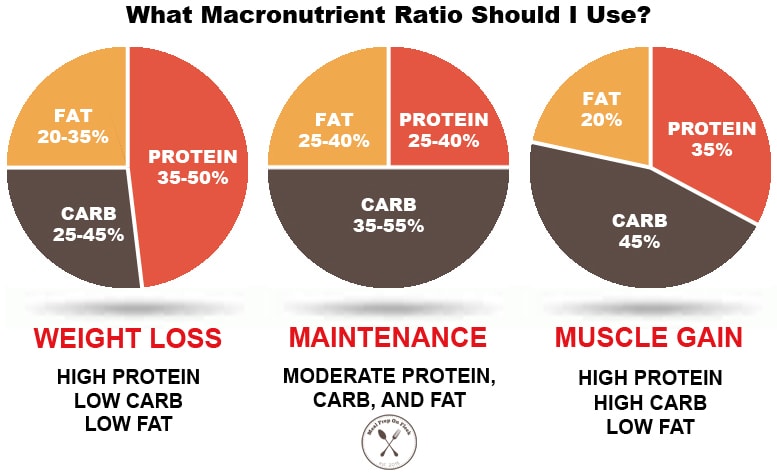
Adjusting your macros can help meet your muscle-building goals. Depending on your objectives, the proportion of proteins, fats, and carbohydrates will vary. Understanding these adjustments is key for effective muscle growth. Whether you’re bulking, cutting, or maintaining, tailoring your macros is essential.
Macros For Bulking
Bulking requires an increase in calorie intake. More carbohydrates and proteins provide energy and support muscle growth. Carbs fuel your workouts, while proteins repair and build muscle tissue. Fats help with hormone production, which is crucial for muscle gain.
Cutting With Macros
Cutting focuses on reducing body fat while keeping muscle. Lower carbohydrates and fats are typical in cutting phases. Protein intake remains high to preserve lean muscle mass. Balancing your macros helps in achieving a lean physique.
Maintaining Muscle Mass
Maintaining muscle mass requires a balanced macro approach. Consistent protein intake is vital to prevent muscle loss. Moderate carbs and fats keep energy levels steady. This approach ensures your muscles remain strong and defined.
Tracking And Monitoring
Tracking and monitoring your macros are essential steps in building muscle. Knowing your macro ratios helps you understand what your body needs. Many people struggle with keeping track of their daily intake. This section will guide you through tools and techniques. Learn how to effectively monitor and adjust your macros.
Using Apps And Tools
Apps make tracking macros easy and accessible. Many offer features like barcode scanning. This allows quick input of your food data. Choose an app that suits your needs. Popular ones include MyFitnessPal and Cronometer. These apps offer user-friendly interfaces. They also provide detailed nutritional information. Tools like these streamline the tracking process.
Adjusting Based On Progress
Progress must guide your macro adjustments. If your muscle growth stalls, reevaluate your intake. Increase protein or tweak carbs based on results. Check your progress weekly. Use measurements like weight and muscle gain. Adjustments ensure your body gets what it needs. Pay attention to how your body responds. Make changes based on clear progress indicators.
Common Mistakes To Avoid
Avoid some common mistakes when tracking macros. Don’t guess your portion sizes. Use a food scale for accuracy. Avoid skipping meals or snacks. Consistency is key for muscle growth. Don’t rely solely on supplements. Whole foods should form the base of your diet. Avoid setting unrealistic goals. Understand your body’s limits and progress slowly. These mistakes can hinder your muscle-building journey.
Real-life Meal Planning
To build muscle, focus on consuming the right balance of protein, carbohydrates, and fats. Aim for about 30% protein, 50% carbohydrates, and 20% fats in your meals. Tailor these percentages to meet personal needs and goals.
Building muscle requires more than just hitting the gym; it’s also about what you put on your plate. Real-life meal planning is crucial for reaching your muscle-building goals. It’s about making smart choices without overcomplicating things. You need a plan that fits your lifestyle and keeps you motivated to stick to it.
Sample Meal Plans
Creating a meal plan doesn’t have to be daunting. Here’s a simple example to get you started: – Breakfast: Oatmeal with a scoop of protein powder and a handful of berries. – Lunch: Grilled chicken breast, quinoa, and steamed broccoli. – Snack: Greek yogurt with almonds. – Dinner: Salmon, sweet potatoes, and a side salad. Each meal packs a punch of protein, essential for muscle growth. Balance it with carbs and healthy fats to keep your energy levels up.
Incorporating Variety
Eating the same meals can get boring fast. Keep your taste buds happy by mixing things up. Swap chicken for turkey or tofu. Try different grains like barley or farro. Adding variety ensures you get a range of nutrients and keeps you excited about your meals. What’s your favorite protein source? Experiment and find new favorites.
Eating Out And On-the-go Tips
Life gets busy, and sometimes you’re eating out or on the move. Choose grilled over fried. Ask for dressings on the side. Opt for a side of vegetables instead of fries. Protein shakes and bars are handy for quick snacks. Do you have a go-to restaurant meal that fits your macro goals? It’s about making smart choices, even when convenience is key. Meal planning shouldn’t feel like a chore. It’s about finding what works for you and your lifestyle. Keep it simple, keep it fun, and watch your muscles grow.
Expert Tips And Advice
Building muscle requires more than just lifting weights. You need the right nutrition. Finding the perfect macro balance can be tricky. Expert advice can guide you through. Let’s dive into valuable tips from experts.
Insights From Nutritionists
Nutritionists emphasize a balanced diet. Proteins, carbs, and fats each play a role. Protein repairs and grows muscles. Carbs give energy for workouts. Fats support hormone production. A common ratio is 40% carbs, 30% protein, 30% fats. This ratio can vary based on personal needs. Consulting a nutritionist can help tailor this.
Athletes’ Macro Strategies
Athletes often adjust macros for performance. They may increase protein intake. This helps with muscle recovery. Some focus on carb cycling. This strategy boosts energy on intense workout days. Healthy fats aren’t ignored. They sustain energy and support recovery. Each athlete finds what works best for them.
Common Challenges And Solutions
Finding the right macro balance can be a challenge. Some struggle with protein intake. Incorporating protein shakes can help. Others may overconsume fats. Tracking meals can prevent this. Adjusting macros can feel confusing. Seeking expert guidance clarifies doubts. Consistency is key in adapting to a new diet.
Frequently Asked Questions
What Are The Ideal Macros For Muscle Gain?
To gain muscle, consume 40-60% carbohydrates, 25-35% protein, and 15-25% fats. Adjust based on personal goals and needs. Prioritize whole foods for optimal nutrition. Balance macros to support energy levels and muscle recovery. Consult a nutritionist for personalized advice.
Is 40/30/30 Good For Muscle Gain?
Yes, a 40/30/30 macro ratio can support muscle gain. This diet includes 40% carbohydrates, 30% protein, and 30% fats. It provides balanced nutrition, aiding muscle recovery and growth. Adjust based on personal needs and activity levels for optimal results.
What Is The 40-40-20 Rule For Macros?
The 40-40-20 rule for macros involves consuming 40% carbohydrates, 40% protein, and 20% fats. This balanced approach supports muscle growth, energy levels, and overall health. Customize your intake based on personal goals and dietary needs for optimal results.
How Do I Figure Out My Macros?
To figure out your macros, calculate daily calorie needs. Divide calories into protein, carbs, and fats based on goals. Use online calculators or consult a nutritionist for personalized advice. Adjust ratios for weight loss, muscle gain, or maintenance. Track progress and tweak as needed for optimal results.
Conclusion
Finding the right macros boosts muscle growth. Balance protein, carbs, and fats. Aim for protein-rich meals every day. Carbs provide energy for workouts. Healthy fats support overall health. Adjust your macros based on your progress. Track your meals and workout results.
Listen to your body and make changes. Consistency is key to building muscle. Stay patient and committed to your goals. Proper nutrition fuels your muscle-building journey. Remember, it’s a personal journey. What works for one may not work for another.
Keep experimenting until you find what suits you best.








