Affiliate Disclosure: This post may contain affiliate links. If you purchase through links on our site, we may earn an affiliate commission at no extra cost to you.
Are you striving to sculpt a leaner, stronger physique? The secret to success lies in what you eat.
Meals for building muscle and losing fat can transform your body composition and elevate your fitness game. Imagine looking in the mirror and seeing defined muscles while shedding unwanted fat. This isn’t just a dream; it’s achievable with the right nutrition strategy.
In this guide, you’ll discover delicious, nutrient-packed meals that fuel muscle growth and promote fat loss. These meals are not only effective but also simple to prepare, fitting effortlessly into your busy lifestyle. You’re about to unlock the potential to achieve your fitness goals faster and more enjoyably than ever before. Ready to learn how? Let’s dive in.
Protein-packed Foods
Protein plays a vital role in muscle building and fat loss. It helps repair tissues and supports muscle growth. Also, it keeps you full, aiding in fat loss. Eating the right protein-rich foods is crucial. Let’s explore some top choices.
Lean Meats
Lean meats are excellent protein sources for muscle growth. Chicken breast is a popular choice. It’s low in fat and high in protein. Turkey is another great option. It provides essential nutrients and supports muscle building. Beef, especially lean cuts, offers iron and zinc. Both are vital for muscle function. Opt for lean pork cuts like tenderloin. They offer high protein with less fat.
Plant-based Protein
Plant-based proteins are great for those avoiding meat. Lentils provide protein and fiber. They’re excellent for muscle growth and digestion. Chickpeas are another protein-rich option. They are versatile and easy to cook. Quinoa is a complete protein. It contains all essential amino acids. Tofu and tempeh are soy-based proteins. They offer high protein and various cooking options. Adding nuts and seeds boosts protein intake. They also provide healthy fats for energy.
Complex Carbohydrates
Complex carbohydrates are a crucial part of your muscle-building and fat-loss diet. They provide the energy needed for your workouts and help you recover effectively. Unlike simple carbs, complex carbs are digested slowly, providing a steady stream of energy and keeping you full longer.
Including a variety of complex carbohydrates in your meals can significantly impact your fitness journey. Let’s dive into some options.
Whole Grains
Whole grains are a fantastic source of complex carbs. They come packed with fiber, which aids digestion and keeps you full. Think brown rice, quinoa, and oats. These grains not only fuel your workouts but also support muscle recovery.
Many people find that switching from white rice to brown rice makes a noticeable difference in their energy levels. Have you ever tried making a hearty quinoa salad for lunch? It’s not only delicious but also keeps you energized throughout the day.
Consider adding oats to your morning routine. A bowl of oatmeal can be a game changer for your energy levels. It’s simple, filling, and just what you need to kickstart your day.
Starchy Vegetables
Starchy vegetables like sweet potatoes and butternut squash are perfect for adding complex carbs to your diet. They are rich in vitamins and minerals that support overall health.
Sweet potatoes are not only versatile but also delicious. Bake them or mash them; they pair well with nearly any protein source. You might find that a simple sweet potato can satisfy your cravings while keeping your diet on track.
Have you tried incorporating butternut squash into your meals? It’s a nutrient powerhouse that can be roasted, pureed, or even added to soups. Plus, it adds a delightful sweetness to your meals.
As you explore these options, ask yourself: How can you creatively include these complex carbohydrates in your meals to keep them interesting and nutritious?
Healthy Fats
When you think about building muscle and losing fat, protein often steals the spotlight. But did you know that healthy fats play a crucial role too? These fats are not just about adding flavor; they help your body absorb essential vitamins and support hormone production, which is vital for muscle growth. So, the next time you’re planning your meals, consider how healthy fats can be your ally.
Nuts And Seeds
Nuts and seeds are powerhouse foods packed with healthy fats and proteins. Almonds, walnuts, and chia seeds, for instance, offer a great balance of omega-3 and omega-6 fatty acids. These fats can help reduce inflammation in the body, aiding in muscle recovery after a workout.
Have you ever grabbed a handful of almonds for a quick snack? Not only do they curb hunger, but they also provide energy for your next gym session. Consider adding them to your breakfast or salads for an extra crunch and nutritional boost.
Avocado And Olive Oil
Avocados are not just trendy toast toppings; they’re rich in monounsaturated fats that support heart health and muscle function. An avocado a day keeps the muscle cramps away! Its creamy texture makes it a versatile addition to smoothies, salads, or even as a mayo substitute.
Olive oil, another staple, is packed with antioxidants and healthy fats that enhance muscle recovery. Drizzle it over your grilled chicken or veggies. Ever tried swapping butter for olive oil in cooking? It’s a simple change that can make your meals healthier and more flavorful.
Have you thought about how these fats fit into your diet? Next time you’re meal prepping, consider the benefits of adding these nutritious options. Healthy fats are not just for taste; they’re essential for achieving your fitness goals.
Meal Timing Strategies
Meal timing strategies play a crucial role in muscle building and fat loss. Eating the right foods at the right times can enhance your workouts. It helps your body use energy efficiently. Proper timing supports muscle repair and growth.
Pre-workout Nutrition
Eating before a workout provides energy for exercise. Focus on foods rich in carbohydrates and protein. Carbs supply the energy needed for workouts. Protein supports muscle maintenance and repair. Aim to eat your pre-workout meal 30 to 60 minutes before exercise.
A banana with a scoop of protein powder is a good option. Oatmeal with a few almonds can also work well. These foods digest quickly and provide lasting energy.
Post-workout Recovery
After a workout, your body needs nutrients for recovery. Eating soon after exercising is important. This helps replenish energy stores and repair muscles. Aim to eat within 30 minutes of finishing your workout.
Focus on protein and carbohydrates in your post-workout meal. Grilled chicken with sweet potatoes is an excellent choice. A protein shake with a banana is also effective. This combination helps reduce muscle soreness and speed recovery.
Hydration And Its Role
Hydration plays a crucial role in building muscle and losing fat. Water is not just essential for survival; it impacts muscle growth and fat loss. Proper hydration aids in nutrient transportation and muscle recovery. It also helps maintain optimal metabolic function, which is key for fat loss.
Water
Water is vital for muscle development and fat reduction. Drinking enough water maintains muscle function during workouts. It prevents dehydration, which can cause muscle cramps and fatigue. Muscles are made mostly of water, and they need it to perform well. Staying hydrated helps the body burn calories efficiently. It also supports digestion and nutrient absorption.
Electrolyte Balance
Electrolytes are minerals that help regulate bodily functions. They include sodium, potassium, and magnesium. These minerals maintain fluid balance in the body. Proper electrolyte balance supports muscle contractions and energy levels. It prevents muscle cramps and promotes recovery after exercise. Eating foods rich in electrolytes enhances hydration and supports muscle growth. Bananas, spinach, and nuts are good sources of electrolytes.
Supplements For Muscle Growth
Building muscle and losing fat require the right nutrition. Supplements can aid in this process. They provide essential nutrients that might be hard to get from food alone. Not all supplements are necessary, but some can support your fitness goals. Here, we explore two common supplements.
Protein Powders
Protein powders are popular for muscle growth. They offer a convenient protein source. Consuming enough protein helps repair and grow muscles. Whey, casein, and plant-based proteins are common options. Each type has unique benefits. Whey protein absorbs quickly, ideal post-workout. Casein digests slowly, perfect before bed. Plant-based proteins are great for vegans.
Choose a protein powder that suits your dietary needs. Read labels for ingredient quality. Watch for added sugars and artificial flavors. A good protein powder can support your muscle-building efforts.
Creatine
Creatine is another supplement that aids muscle growth. It helps produce energy during intense workouts. This boosts strength and performance. Many athletes use creatine for its benefits. It’s found naturally in the body and certain foods. But, supplements provide a concentrated dose.
Creatine is safe for most people. It may cause weight gain due to water retention. Drink plenty of water when taking creatine. This ensures proper hydration. Consider adding creatine to your regimen. It can enhance your workout results.
Sample Meal Plans
Creating effective meal plans helps build muscle and lose fat. The right balance of nutrients is essential for muscle growth and fat loss. Sample meal plans can guide you in making healthy choices.
Breakfast Options
Start your day with a protein-packed breakfast. Scrambled eggs and spinach provide high-quality protein. Pair them with whole grain toast for added fiber.
Consider Greek yogurt with mixed berries and almonds. This meal is rich in protein and antioxidants. It supports muscle repair and boosts your energy.
Oatmeal is another great choice. Add a scoop of protein powder for extra nutrients. Top with banana slices and a sprinkle of cinnamon.
Lunch And Dinner Ideas
Grilled chicken breast is perfect for lunch or dinner. Serve it with quinoa and steamed broccoli. This combination offers protein, carbs, and vitamins.
Try a turkey and avocado wrap with whole wheat tortilla. Add lettuce and tomatoes for fresh flavor. This meal is filling and nutritious.
Salmon with sweet potatoes and asparagus makes a delicious dinner. Salmon provides omega-3 fatty acids. Sweet potatoes are a good source of complex carbs.
Lentil soup with mixed vegetables is a vegetarian option. It is high in protein and fiber. Enjoy it with a side of whole grain bread.
Credit: m.youtube.com
Tips For Meal Preparation
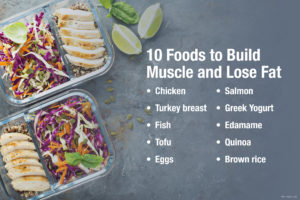
Fuel muscle growth and fat loss with balanced meals. Include lean proteins like chicken and fish. Incorporate complex carbs, such as brown rice and quinoa, for energy. Add healthy fats from avocados and nuts. Prepare meals in advance to save time and stay on track.
Preparing meals for muscle building and fat loss doesn’t have to be complicated. With the right strategies, you can make the process efficient and effective. It’s all about planning and execution. Let’s dive into some practical tips that will help you streamline your meal prep.
Batch Cooking
Cooking in batches can save you time and ensure you always have healthy meals ready. Imagine coming home after a long day knowing you don’t have to start from scratch. Spend a few hours over the weekend cooking large quantities of proteins like chicken or tofu. Store them in airtight containers. Pair them with complex carbs like brown rice or quinoa. Add some steamed veggies, and you have balanced meals for the entire week. Batch cooking reduces the temptation to grab fast food. It also helps you control your meal ingredients. You know exactly what’s going into your body. Does this process sound like something you could start doing to simplify your weekdays?
Portion Control
Portion control is crucial when you’re building muscle and losing fat. Eating too much or too little can derail your progress. Use a kitchen scale to measure your food portions accurately. This may sound tedious, but it becomes second nature with practice. You get to learn what a serving of protein or carbs looks like on your plate. Consider dividing your meals into smaller containers. This method ensures you eat the right amount every time. It helps avoid overeating, which is often a problem when meals are not portioned beforehand. When I started portioning my meals, I noticed a consistent energy level throughout the day. Have you ever tried portioning your meals? What changes did you notice in your eating habits? By applying these tips, you’ll find meal prep becomes less of a chore and more of a routine. You’ll have more control over your diet, and with that, more control over your fitness goals.
Common Mistakes To Avoid
Planning meals for muscle building and fat loss often leads to common errors. Many neglect protein intake or overeat processed foods, hindering progress. A balanced diet with whole foods and mindful portion sizes is essential for achieving fitness goals effectively.
Building muscle and losing fat is a rewarding journey that many embark on. However, along the way, people often make common mistakes that hinder their progress. Understanding these pitfalls and avoiding them can be crucial to achieving your fitness goals. Let’s dive into some of these mistakes and see how you can steer clear of them.
Overeating Healthy Foods
Healthy foods are essential for muscle building and fat loss. Yet, overeating them can stall your progress. Many assume that because something is labeled “healthy,” they can eat as much as they want. This isn’t true. A friend of mine once thought eating large quantities of nuts was beneficial because they are high in protein. However, they also pack a lot of calories. Consuming too many can lead to weight gain, not loss. Portion control is key. Even healthy foods can lead to unwanted calories if not eaten in moderation. Ask yourself if you’re truly hungry or just eating out of habit.
Neglecting Variety
Eating the same meals can lead to nutritional gaps and boredom. Variety is not just a spice of life; it’s a necessity for a balanced diet. I once stuck to chicken and broccoli for weeks, thinking it was the perfect meal combo. It was efficient but I soon lacked essential nutrients found in other foods. My energy levels dropped, and workouts suffered. Mix things up. Incorporate a range of fruits, vegetables, proteins, and grains. A colorful plate is often a healthy one. Are you missing out on nutrients by sticking to your comfort zone? Remember, achieving muscle growth and fat loss is about balance and mindful eating. Keep these tips in mind and watch your efforts pay off.
Frequently Asked Questions
What Diet Is Best For Fat Loss And Muscle Gain?
A balanced diet high in protein, moderate in carbs, and low in fats promotes fat loss and muscle gain. Include lean meats, fish, whole grains, fruits, and vegetables. Prioritize portion control and hydration. Consistency and regular exercise are essential for optimal results.
Consult a nutritionist for personalized advice.
How To Meal Prep To Lose Fat And Gain Muscle?
Plan high-protein meals with lean meats, legumes, and dairy. Include healthy fats like nuts and avocado. Prepare complex carbs like quinoa and sweet potatoes. Portion meals appropriately. Stay hydrated and maintain a balanced diet to support your goals.
How Many Meals Should I Eat To Gain Muscle And Lose Fat?
Eat 4-6 balanced meals daily to gain muscle and lose fat. Include lean proteins, healthy fats, and complex carbs. Keep portions controlled and stay hydrated. Adjust meal frequency based on your activity level and personal goals. Consult a nutritionist for personalized advice.
Are 3 Meals Enough To Build Muscle?
Eating 3 meals daily can support muscle building if they include enough protein and calories. Focus on nutrient-dense foods and balance your macronutrients. Consistency and quality of meals matter more than quantity. Consider including snacks or shakes if additional calories or protein are needed to meet your goals.
Conclusion
Choosing the right meals boosts muscle growth and fat loss. Protein-rich foods help repair and build muscles. Carbs provide energy for workouts. Healthy fats support body functions. Eating balanced meals keeps you strong and lean. Consistency is key. Plan meals wisely.
Listen to your body’s needs. Stay hydrated. Limit processed foods. Enjoy the journey to better health. Every meal counts. Small changes lead to big results. Embrace healthy eating habits. Your body will thank you. Start today, and watch your progress grow.
Remember, a healthy diet supports your fitness goals. Keep pushing forward.








