Affiliate Disclosure: This post may contain affiliate links. If you purchase through links on our site, we may earn an affiliate commission at no extra cost to you.
Are you searching for a plant-based protein that packs a punch in your muscle-building journey? Pea protein might just be the game-changer you need.
Whether you’re a seasoned athlete or just starting to lift weights, understanding the benefits of your protein choices is crucial for achieving your fitness goals. But does pea protein really stand up to its animal-based counterparts when it comes to building muscle?
You might be surprised by what you discover. Dive into this article to uncover the truth about pea protein’s potential to fuel your muscle growth, and find out why it could be the perfect addition to your diet plan. Your gains may depend on it!
Credit: draxe.com
What Is Pea Protein
Pea protein, derived from yellow peas, offers a plant-based alternative for muscle building. Rich in essential amino acids, it supports muscle growth and recovery effectively. Its digestibility and hypoallergenic nature make it suitable for various diets, promoting healthy muscle development.
Pea protein is gaining popularity among fitness enthusiasts and those looking to build muscle. But what exactly is pea protein? If you’re trying to find a plant-based protein source that’s both effective and versatile, pea protein might be what you’re looking for. Let’s explore what makes it a strong contender in the world of protein supplements.
What Is Pea Protein?
Pea protein is derived from yellow peas, a legume known for its high protein content. Unlike some other plant proteins, pea protein is rich in essential amino acids. These are the building blocks your body needs to repair muscles after a workout. This protein is a great option for those who are lactose intolerant or allergic to soy. It’s also gluten-free, making it suitable for various dietary restrictions.
How Is Pea Protein Made?
Manufacturers extract pea protein from yellow peas through a series of processes. First, the peas are dried and ground into a fine powder. This powder is then processed to remove fiber and starch, leaving a concentrated protein source. The result is a smooth, easily digestible protein powder. It can be added to shakes, smoothies, or even baked goods to boost protein intake.
Benefits Of Pea Protein
Pea protein is not just a good source of protein; it’s also rich in iron. Iron is crucial for transporting oxygen in your blood, which can enhance your workout performance. It also supports heart health. Studies suggest that pea protein can lower blood pressure and improve kidney function.
Is Pea Protein Effective For Muscle Building?
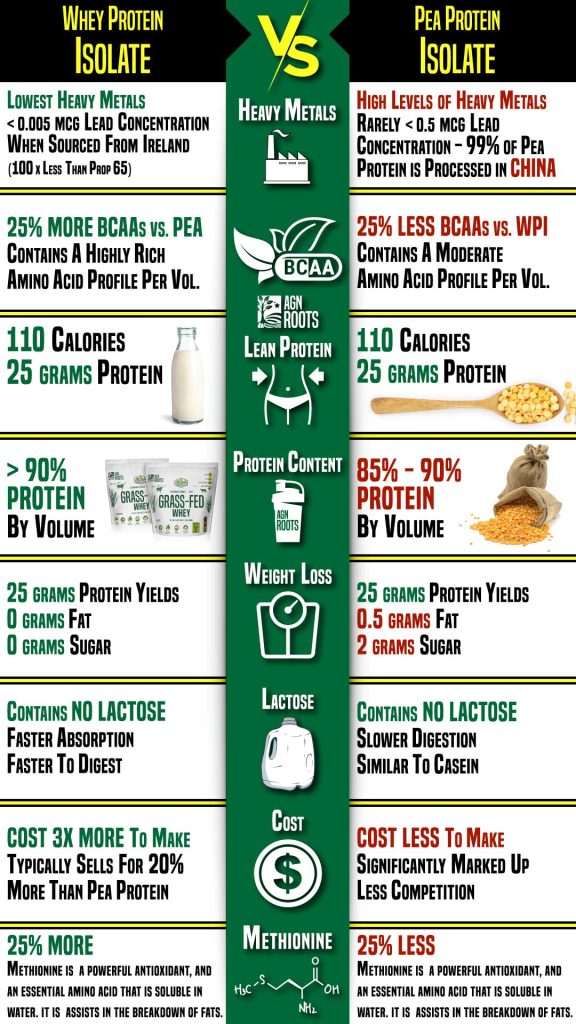
One of the key reasons to consider pea protein is its ability to support muscle growth. A study showed that pea protein is comparable to whey protein in promoting muscle thickness. Its high content of branched-chain amino acids (BCAAs) like leucine plays a critical role in muscle growth. If you’re aiming to gain muscle, pea protein could be an excellent addition to your diet.
How To Use Pea Protein In Your Diet
Integrating pea protein into your diet can be simple. You can start by adding a scoop to your morning smoothie. It mixes well with fruits and your choice of milk for a nutritious start to your day. You can also use it in cooking. Mix it into soups or stews for an extra protein boost.
Should You Choose Pea Protein?
If you’re still wondering if pea protein is right for you, consider your dietary needs and lifestyle. Are you looking for a plant-based protein that’s effective and allergen-free? Pea protein checks those boxes. Think about your fitness goals. If building muscle is a priority, pea protein can be a valuable tool in your regimen.
Nutritional Profile
Pea protein offers a rich source of essential amino acids vital for muscle growth. Packed with iron, it’s effective for recovery and strength. Easily digestible, it serves as an excellent alternative to animal proteins for muscle building.
Pea protein is gaining popularity among fitness enthusiasts. It offers a plant-based alternative for muscle growth. Understanding its nutritional profile can help decide its suitability for your fitness goals.
Amino Acid Composition
Pea protein contains all nine essential amino acids. These are vital for muscle repair and growth. It has a high concentration of branched-chain amino acids. BCAAs play a crucial role in muscle synthesis. Leucine, a key BCAA, is found in good amounts. Leucine stimulates muscle protein synthesis effectively. Although pea protein is lower in methionine, a balanced diet can address this. Combining it with other protein sources can enhance its amino acid profile.
Essential Nutrients
Pea protein is rich in essential nutrients. It contains iron, which supports energy production. Iron also aids oxygen transportation in the body. Pea protein is low in fat and carbs. This makes it suitable for a lean muscle-building plan. It provides a good amount of fiber. Fiber aids digestion and keeps you full longer. It is also gluten-free, ideal for those with gluten sensitivity. Pea protein is hypoallergenic, reducing the risk of allergies.
Benefits For Muscle Growth
Pea protein is gaining popularity among fitness enthusiasts. It’s a plant-based alternative that’s effective for muscle building. Many are asking, “Is pea protein good for building muscle?” It is packed with essential nutrients that support muscle growth. Let’s explore how pea protein aids muscle development.
Protein Synthesis
Protein synthesis is crucial for muscle growth. Pea protein contains all nine essential amino acids. These amino acids are building blocks for muscles. They help to repair and grow muscle tissues. Pea protein supports efficient protein synthesis. This process is vital for achieving muscle gains.
Muscle Recovery
After intense workouts, muscles need recovery. Pea protein helps speed up this process. Its amino acids reduce muscle soreness. They aid in repairing muscle fibers quickly. Faster recovery means you can train harder. Pea protein ensures your muscles are ready for the next session.
Comparing Pea Protein To Other Sources
Pea protein stands out as a muscle-building option due to its high protein content and amino acid profile. It supports muscle growth similarly to whey and soy, offering a plant-based alternative for those seeking variety. Easy digestion makes it suitable for sensitive stomachs, promoting efficient nutrient absorption.
Are you considering pea protein for your muscle-building journey but unsure how it stacks up against other protein sources? It’s important to compare it with the more traditional animal-based proteins and other plant-based options. Pea protein is gaining popularity, but does it truly measure up in terms of effectiveness? Let’s dive in and find out.
Animal Vs. Plant-based Proteins
Animal proteins like whey and casein are staples in the fitness world. They have a complete amino acid profile, which means they contain all the essential amino acids your body needs to build muscle. This makes them highly effective for muscle recovery and growth. On the other hand, pea protein is a plant-based alternative that is also rich in essential amino acids. While it doesn’t have the complete profile found in animal proteins, it comes pretty close and can be complemented with other plant proteins to cover the gaps. Isn’t it fascinating how pea protein can be a sustainable choice without sacrificing much in terms of nutrition? Plus, it’s an excellent option for those who are lactose intolerant or following a vegan lifestyle.
Effectiveness For Muscle Building
You might wonder if pea protein can really help you bulk up. Studies suggest that pea protein is just as effective as whey protein for muscle building, especially when consumed after a workout. This is largely due to its high content of branched-chain amino acids (BCAAs), which are crucial for muscle protein synthesis. Imagine hitting the gym and recovering with a shake that aligns with your dietary preferences without compromising your goals. You can even mix pea protein with other plant proteins like rice or hemp to enhance its effectiveness. Have you tried combining different protein sources to see what works best for you? It’s all about finding the right balance that fits your body and lifestyle. Pea protein stands out not just for its nutritional benefits, but also for its versatility in your fitness regime. Would you make the switch?
Scientific Studies And Research
Pea protein offers a plant-based alternative for muscle growth. Rich in essential amino acids, it supports muscle repair and development. Many studies highlight its effectiveness compared to whey protein, making it a popular choice for athletes and fitness enthusiasts.
Pea protein has been making waves in the fitness community, especially among those keen on building muscle. But is it really effective? Let’s delve into the scientific studies and research that provide clarity on the muscle-building potential of pea protein.
What Do Scientists Say?
Research shows promising results about pea protein’s ability to support muscle growth. A study published in the “Journal of the International Society of Sports Nutrition” found that pea protein can be as effective as whey protein in promoting muscle thickness. This is great news if you’re looking for a plant-based alternative. Scientists have also highlighted the amino acid profile of pea protein. It’s rich in essential amino acids, which are crucial for muscle repair and growth. Unlike other plant proteins, it boasts a good amount of leucine, a key player in muscle protein synthesis.
Comparative Studies With Other Proteins
Pea protein holds its ground when compared to other protein sources. Studies have shown that it can compete with whey protein, traditionally considered the gold standard for muscle building. This challenges the notion that plant-based proteins are inferior. In trials comparing muscle recovery and growth, participants consuming pea protein saw similar gains to those consuming animal-based proteins. This might surprise you if you’ve always thought meat was the only path to muscle.
Real-life Applications
Imagine you’re hitting the gym regularly and looking for a protein supplement. You might wonder if pea protein can fit into your routine. Many athletes and fitness enthusiasts now choose pea protein for its digestibility and plant-based benefits. If you’re lactose intolerant, pea protein offers a stomach-friendly option without compromising your gains. Personal experience shows that switching to pea protein can be smoother for your digestion while still aiding in muscle recovery.
Considerations For Your Diet
Think about how pea protein can complement your diet. Incorporating it into your meals can be easy and rewarding. Blend it into smoothies, mix it with oatmeal, or use it in baking recipes for an added protein boost. Are you curious to try pea protein but unsure how it will affect your muscle-building journey? Consider starting with small servings and observe any changes in muscle recovery and growth. Pea protein’s potential is backed by science, offering you a viable alternative for muscle building. As you explore different protein sources, it’s worth considering how pea protein might fit into your lifestyle and fitness goals.
Credit: titanbiotechltd.com
Considerations And Potential Drawbacks
Pea protein may not provide all essential amino acids needed for muscle growth. Some people find it causes digestive issues. Consider supplementing with other protein sources for a balanced intake.
When considering pea protein for muscle building, it’s important to weigh its benefits against potential drawbacks. While it’s a popular choice for those seeking plant-based options, not everyone finds it the perfect fit. Let’s dive into some considerations you should keep in mind when choosing pea protein.
Digestibility
Pea protein is generally considered easy to digest. It doesn’t cause the bloating some experience with whey. However, everyone’s digestive system is different. If you’ve ever felt discomfort after consuming pea protein, it might be worth experimenting with the dosage or trying a different brand. Some people find that taking it with meals helps reduce any digestive upset. Have you noticed any changes in how your body responds to different types of protein? Paying attention to your body’s signals can save you from digestive woes.
Allergen Concerns
For those with allergies, pea protein is a promising option. It’s free from common allergens like dairy and soy. But, it’s always wise to double-check labels. Manufacturing practices can sometimes lead to cross-contamination. If you have severe allergies, consult with your healthcare provider before adding pea protein to your diet. Have you ever had an unexpected reaction to a product labeled as allergen-free? It’s a reminder that vigilance is key when managing dietary restrictions. While pea protein boasts many benefits, being mindful of these aspects ensures it aligns with your health and fitness goals. What are your experiences with plant-based proteins? Your insights could help others make informed choices.
Practical Tips For Use
Pea protein is a popular choice for muscle building. Its plant-based nature makes it suitable for a wide range of diets. It’s packed with essential amino acids, which are crucial for muscle growth. If you’re considering adding pea protein to your routine, it’s important to do it correctly. Here are some practical tips to help you make the most of pea protein in your diet.
Incorporating Into Diet
Add pea protein to your morning smoothie. It blends well with fruits and greens. You can mix it into your oatmeal for a protein boost. Try using it in baking recipes. It works great in pancakes and muffins. Use it as a base for protein shakes. Simply mix with water or milk. Consider adding it to soups and stews. It enhances the protein content without altering flavor.
Recommended Dosage
Stick to the recommended dosage for best results. Generally, 20 to 30 grams per day is sufficient. This amount supports muscle growth effectively. Adjust based on your specific protein needs. Consult with a nutritionist if unsure. Avoid exceeding the recommended dosage. Too much protein can strain your kidneys. It’s important to balance protein with other nutrients.
Frequently Asked Questions
What Are The Downsides To Pea Protein?
Pea protein may cause digestive issues like bloating in some people. It can also be low in certain amino acids. Some individuals might experience allergies. It’s typically more expensive than other plant-based proteins. Taste and texture might not appeal to everyone.
What Is The Best Protein For Growing Muscle?
Whey protein is highly effective for muscle growth. It digests quickly and contains essential amino acids. Consuming it post-workout can boost muscle recovery and development. Other excellent options include casein and plant-based proteins like pea or soy, which provide diverse nutritional benefits.
Will Pea Protein Not Break Me Out?
Pea protein is generally safe and doesn’t usually cause breakouts. Some individuals may experience reactions due to allergies or sensitivities. It’s advisable to start with small amounts and monitor your skin’s response. Consult a dermatologist if concerned.
Does Pea Protein Thicken?
Yes, pea protein can thicken mixtures. It’s often used to improve texture in foods and beverages. Pea protein absorbs moisture, creating a thickening effect, perfect for smoothies, soups, and sauces. This property makes it a popular choice for vegan recipes and protein supplements.
Conclusion
Pea protein can help build muscle effectively. It’s plant-based and full of nutrients. It supports muscle growth and recovery. Easy to digest and absorb. Great for those avoiding animal products. It provides essential amino acids. Mixes well in shakes and smoothies.
Offers a convenient option for protein intake. Pea protein is versatile and affordable. Suitable for vegetarians and vegans. Try incorporating it into your diet. Notice improvements in muscle strength over time. It’s a beneficial choice for many. Consider adding pea protein to your fitness routine.
Your muscles will thank you.








