Affiliate Disclosure: This post may contain affiliate links. If you purchase through links on our site, we may earn an affiliate commission at no extra cost to you.
Are you tired of hitting the gym without seeing the muscle gains you desire? You’re not alone.
One of the most common questions in strength training is: “How many reps should you do to build muscle? ” Getting this right can transform your workouts from being just sweat sessions to muscle-building powerhouses. Imagine achieving more defined muscles and a stronger physique by simply adjusting the number of reps in your sets.
This isn’t just about lifting weights; it’s about lifting them the right way. As you dive deeper, you’ll uncover the secrets that could change your approach to weightlifting and boost your results significantly. Ready to unlock the potential of your workouts? Let’s find out what the magic number of reps is for you.
Importance Of Reps In Muscle Building
Reps play a crucial role in muscle building. They determine the amount of stress your muscles endure. Proper repetition helps in muscle growth and strength. Understanding the importance of reps can guide your workout routine effectively.
Understanding Muscle Overload
Muscle overload is essential for growth. Performing reps increases tension on muscles. This leads to tiny tears in the muscle fibers. The body repairs these tears, resulting in muscle growth. Consistent overload through reps is key to increasing muscle size.
The Role Of Reps In Strength Building
Strength is built through repetition. More reps enhance muscle endurance. This leads to increased strength. Fewer reps with higher weights focus on building raw power. Balance between reps and weights is vital for optimal strength gain.
Reps And Muscle Endurance
Muscle endurance improves with higher reps. Performing many reps trains muscles to sustain activity longer. This is useful for athletes or those engaged in physical activities. Endurance training helps in reducing fatigue during long exercises.
Finding The Right Balance
Balancing reps and weights is important. Too few reps may not challenge muscles enough. Too many reps can lead to fatigue. Finding the right number is crucial. This ensures effective muscle building without risking injury.
Customizing Reps For Personal Goals
Personal goals dictate your reps strategy. Building bulk may require fewer reps with heavier weights. Enhancing endurance might need higher reps with lighter weights. Understanding your goals helps in customizing reps for best results.
Credit: citizenathletics.com
Factors Affecting Rep Range
Understanding the number of reps needed for muscle growth can be confusing. Different factors influence the ideal rep range. Knowing these helps in tailoring workouts. Let’s explore the factors affecting rep range.
Fitness Goals
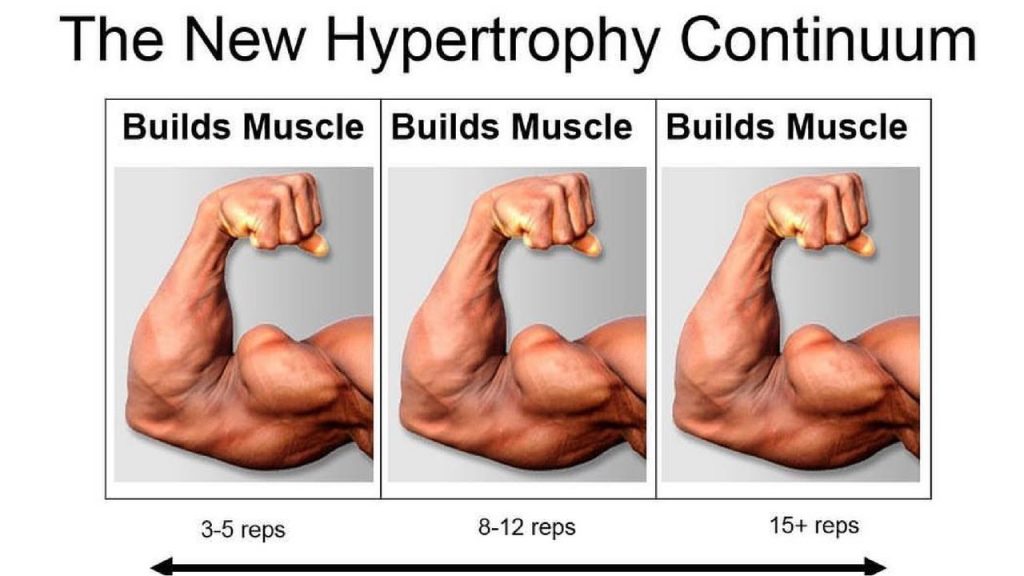
Fitness goals play a major role in determining rep range. Want to build muscle mass? Aim for 6 to 12 reps per set. This range promotes hypertrophy. Looking to increase strength? Do fewer reps, around 1 to 5, with heavier weights. For endurance, higher reps, like 15 or more, work best.
Experience Level
Experience level impacts how many reps you should do. Beginners should start with moderate reps, around 8 to 12. This helps in building a solid foundation. Intermediate and advanced lifters can vary their rep range. They can experiment with different weights and reps for better results.
Type Of Exercise
The type of exercise also affects rep range. Compound exercises like squats and deadlifts often use lower reps. These exercises engage multiple muscle groups. Isolation exercises like bicep curls can be done with higher reps. These focus on a single muscle group.
Optimal Rep Range For Muscle Growth
Building muscle is more than just lifting heavy weights; it’s about finding the right balance in your workout routine. You may have heard of the term “rep range,” but what does it really mean for muscle growth? Understanding the optimal rep range can transform your workout from just moving weights to strategically building muscle. Let’s dive into the science behind rep ranges and how it can impact your muscle growth journey.
Hypertrophy Range
Hypertrophy is the technical term for muscle growth. If your goal is to get bigger muscles, focusing on the hypertrophy range can help. This range typically involves performing 6 to 12 reps per set. It’s not about lifting the heaviest weight possible; it’s about using a weight that challenges you by the last few reps.
Think of this range as the sweet spot. It encourages your muscles to grow by breaking them down and forcing them to repair stronger. Next time you’re in the gym, try this range and see how your body responds over time. Are you noticing changes in muscle size?
Strength Vs. Endurance
Strength and endurance are both important, but they require different approaches. Strength training often involves lower reps and heavier weights, typically 1 to 5 reps per set. This approach builds muscle density and boosts your lifting capacity.
On the other hand, endurance training involves higher reps, usually over 15, with lighter weights. This enhances your muscle stamina, allowing you to perform activities for longer periods. Have you ever found yourself struggling to lift heavy yet breezing through lighter sets? That’s strength versus endurance in action.
By understanding your goals, you can tailor your workouts to either build muscle strength or endurance. Which one aligns with your fitness objectives?
Finding your optimal rep range is like discovering your personal muscle-building formula. It’s not just about following a routine; it’s about knowing what works for you. As you experiment with different ranges, pay attention to your body’s response. How do you feel after a workout? Are your muscles sore in a good way? These insights are your guide to achieving your muscle growth goals.
Progressive Overload
Progressive overload is key to building muscle. It involves gradually increasing the stress placed on your muscles. This helps them grow stronger over time. Without it, your muscles may hit a plateau. They stop growing when they aren’t challenged. So, how do you apply progressive overload?
Increasing Weight
One method is by increasing weight. Start with a weight that is challenging yet manageable. Once it feels easier, add more weight. This forces your muscles to adapt. They grow stronger to handle the new load. Always ensure proper form with heavier weights.
Adjusting Reps
Adjusting reps can also help. Begin with a set number of reps. As you gain strength, increase the number. This puts extra demand on your muscles. They grow to meet the challenge. You can also try varying the rep range. Mix high reps with low reps for balanced growth.
Role Of Rest Periods
Building muscle isn’t just about lifting weights. Rest periods play a crucial role too. How long you rest between sets can impact muscle growth. Rest periods allow muscles to recover and prepare for the next set. Choosing the right rest time can enhance your workout efficiency.
Short Rest Vs. Long Rest
Short rest periods last between 30 to 60 seconds. They increase workout intensity. This approach keeps your heart rate high. It also helps in burning calories. Long rest periods range from 90 seconds to 3 minutes. They allow for better recovery. This method supports lifting heavier weights.
Impact On Muscle Recovery
Muscle recovery is essential for growth. Short rests can lead to faster fatigue. This may limit your performance. Long rests give muscles more time to repair. They reduce the risk of overtraining. Choosing rest periods depends on your fitness goals. For muscle endurance, shorter rests are ideal. For strength and size, longer rests are better.
Common Mistakes To Avoid
Building muscle requires more than just lifting weights. Many people make mistakes that hinder progress. Avoiding these common pitfalls ensures steady muscle growth. Let’s explore these mistakes and how to steer clear of them.
Overtraining
Overtraining is a common mistake among fitness enthusiasts. Many believe more is better, but that’s not true. Muscles need time to recover and grow. Without rest, muscles can’t repair themselves properly. This leads to fatigue and possible injury. Aim for balance in your workout routine. Schedule rest days to allow your body to heal.
Neglecting Form
Form is crucial in any exercise routine. Neglecting form can lead to poor results. Worse, it can cause injury. Many focus on lifting heavier weights. But lifting with bad form is counterproductive. Ensure every rep is executed correctly. Focus on slow, controlled movements. This ensures muscles work efficiently and safely.
Expert Tips For Effective Training
Building muscle effectively requires understanding the right number of repetitions. Aim for 8-12 reps per set for optimal growth. This range helps increase muscle size and strength efficiently.
Building muscle is not just about lifting weights; it’s about doing it effectively. To see real progress, it’s crucial to follow expert tips that optimize your training routine. With the right approach, you can maximize muscle growth while minimizing the risk of injury. Let’s dive into these essential strategies to elevate your workout game.
Consistency
Consistency is your best friend in the journey to muscle building. Regular workouts help your body adapt and grow stronger. Aim for at least three to four sessions per week. Think of it like learning a new skill—practice makes perfect. Skipping workouts can set you back, so create a realistic schedule that fits your lifestyle. Remember, it’s better to do a little consistently than a lot sporadically. Tracking your progress keeps you motivated. Use a journal or an app to record your reps, sets, and weights. Seeing how far you’ve come can boost your confidence and commitment.
Variety In Workouts
Variety is the spice of life and your workouts. Sticking to the same routine can lead to plateaus. Mix up exercises, reps, and sets to keep your muscles guessing. Consider alternating between heavy weights with fewer reps and lighter weights with more reps. This approach engages different muscle fibers, promoting balanced growth. Try new exercises to target muscles from different angles. For instance, if you always do bench presses, add dumbbell flyes or push-ups to your routine. This not only challenges your body but also keeps your workouts exciting. Experiment with different workout styles like circuit training or HIIT. These can add intensity and burn calories, contributing to overall fitness. What new workout will you try this week? By embracing consistency and variety, you’re setting yourself up for success in your muscle-building journey. Keep pushing your limits, and watch your body transform.
Adjusting Reps For Different Muscle Groups
Adjusting reps for different muscle groups is a key strategy in optimizing your workout routine for muscle building. Each muscle group responds differently to various rep ranges, and understanding this can help you tailor your exercises for maximum growth. Whether you’re targeting large muscle groups with compound exercises or focusing on specific areas with isolation exercises, adjusting your reps can significantly impact your progress.
Compound Exercises
Compound exercises like squats, bench presses, and deadlifts engage multiple muscle groups simultaneously. These exercises benefit from lower rep ranges, usually between 4 to 8 reps per set. This allows you to lift heavier weights, stimulating muscle growth effectively. Think about how your body feels after a heavy squat session—the intensity helps trigger growth.
Using compound exercises with fewer reps focuses on strength and power. You might notice increased energy and endurance when tackling these moves. It’s a great way to make the most of your gym time, hitting several muscles in one go. Are you maximizing your compound exercise potential?
Isolation Exercises
Isolation exercises target specific muscles, such as bicep curls or tricep extensions. These exercises benefit from higher rep ranges, typically between 8 to 12 reps per set. This helps in refining and defining the muscle, allowing for more controlled movements. Consider the satisfaction of feeling the burn during those last few reps—it’s a clear sign your muscles are working hard.
Higher reps in isolation exercises focus on muscle endurance and definition. You might find your muscles responding with improved tone and shape over time. This approach allows you to pinpoint areas needing more attention. Are your isolation exercises giving you the results you’re aiming for?
Adjusting your reps according to the type of exercise and muscle group can make a noticeable difference in your workout efficacy. Each muscle group has unique needs, and recognizing this can help you achieve balanced growth and strength. What adjustments will you make to your routine to boost your muscle-building journey?
Frequently Asked Questions
How Many Reps Should I Do For Muscle Growth?
Perform 6 to 12 reps per set for optimal muscle growth. This rep range targets hypertrophy effectively, stimulating muscle fibers and promoting growth. Pair this with proper nutrition and recovery for best results. Adjust weights to maintain form and ensure progressive overload.
Is 3 Sets Of 20 Reps Too Much?
Three sets of 20 reps can be excessive for beginners. It may lead to fatigue or improper form. Focus on quality over quantity. Adjust reps based on your fitness level and goals. Listen to your body and avoid overtraining. Consult a trainer for personalized guidance.
How Many Reps For Muscle Growth?
For muscle growth, aim for 6 to 12 reps per set. This range stimulates hypertrophy, promoting muscle size and strength. Ensure proper form and consistency in your workouts. Adjust weights to maintain intensity.
What Is The Best Rep Range For Beginners?
Beginners should start with 8 to 12 reps per set. This range helps build muscle foundation and improves strength. Focus on proper form and gradually increase intensity. Allow adequate rest between sets to prevent fatigue.
Conclusion
Building muscle involves finding the right balance in reps. Aim for 8 to 12 reps per set. This range helps increase muscle size effectively. Listening to your body is crucial. Adjust reps based on your strength and goals. Remember, consistency is key to growth.
Mix different rep ranges to keep workouts exciting. Always prioritize good form over quantity. Quality reps lead to better muscle gains. Stay patient and committed to your fitness journey. With dedication, results will follow. Keep challenging yourself to see progress.
Stay motivated and enjoy the process of getting stronger.








