Affiliate Disclosure: This post may contain affiliate links. If you purchase through links on our site, we may earn an affiliate commission at no extra cost to you.
Are you tired of feeling like your calves are being left behind in your fitness journey? Building calf muscle doesn’t require expensive gym memberships or fancy equipment.
You can achieve strong, toned calves right from the comfort of your own home. Imagine the confidence you’ll feel walking with defined, powerful legs. You’ll discover simple yet effective exercises and strategies that fit easily into your daily routine. Get ready to transform your calves and feel the burn in all the right ways.
Keep reading to unlock the secrets to building impressive calf muscles without ever leaving your house.
Benefits Of Strong Calf Muscles
Building calf muscles at home enhances balance and boosts leg strength. Simple exercises like calf raises are effective and convenient. Strong calves support daily activities, reducing injury risks.
Benefits of Strong Calf MusclesBuilding strong calf muscles is more than just an aesthetic goal. These muscles play a crucial role in your everyday movements and overall physical health. Let’s dive into the specific benefits you can gain from strengthening your calves.
1. Improved Balance And Stability
Strong calf muscles contribute significantly to your balance. They provide the necessary support when you’re walking, running, or even standing still. Imagine walking on a rocky beach; with strong calves, each step feels more secure.
2. Enhanced Athletic Performance
Whether you’re a casual jogger or a seasoned athlete, strong calves can boost your performance. They help generate power during activities like sprinting and jumping. Next time you play your favorite sport, notice how much more agile you feel.
3. Injury Prevention
Weak calf muscles can lead to a range of injuries, particularly in the lower body. By strengthening your calves, you reduce the risk of strains and other injuries. It’s like giving your legs a protective armor.
4. Better Posture
Surprisingly, strong calves also support better posture. They help in aligning your body correctly when you stand or walk. This can reduce back pain and make you feel taller and more confident.
5. Increased Calorie Burn
Did you know that larger muscles burn more calories, even at rest? By focusing on your calves, you can slightly boost your metabolism. It’s a small change that can make a big difference over time.
6. Greater Endurance
With stronger calf muscles, you can walk, run, or stand for longer periods without fatigue. This increased endurance enhances your daily activities. Imagine having more energy for hiking trips or long city tours. Do you often overlook your calf muscles during workouts? Consider the benefits above and think about how they can improve your quality of life. Strong calves are not just for athletes; they are essential for anyone seeking a healthier, more active lifestyle.
Essential Equipment For Home Workouts
Building calf muscles at home requires minimal equipment like resistance bands and dumbbells. Simple exercises like calf raises can effectively target your calves. Consistent effort and proper form are key to noticeable results.
Building calf muscle at home doesn’t have to be a daunting task. With the right equipment, you can effectively strengthen your calves without stepping into a gym. You might be surprised by how much you can achieve with some simple gear. Let’s dive into the essential equipment you’ll need to maximize your home workouts.
Resistance Bands
Resistance bands are incredibly versatile. They can add tension to calf raises and other leg exercises, helping build strength. Their portability is a bonus. You can easily store them in a drawer or even take them on trips. They’re perfect for maintaining your workout routine wherever you are.
Dumbbells
Dumbbells are a staple in home workouts. They provide the extra weight needed to push your muscles further. Start with a manageable weight, and gradually increase it as you get stronger. You’ll notice the difference in your calf muscles over time. Consider having a couple of pairs with varying weights for progressive training.
Step Platform
A step platform can be a game-changer. It allows you to perform step-ups and calf raises with added elevation. This increases the challenge and engages your muscles more effectively. You can use a sturdy household item like a stair or a low chair if you don’t have a step platform.
Foam Roller
Foam rollers might not build muscle directly, but they are crucial for recovery. They help in releasing tension and increasing flexibility. After a vigorous calf workout, a foam roller can ease soreness and keep you ready for the next session. It’s like having a personal masseuse at home.
Yoga Mat
A yoga mat provides comfort and safety. It ensures you have a non-slip surface for exercises like lunges and stretches. You want to avoid any slips that could lead to injury. Plus, it’s great for cooling down and stretching after your workout. As you set up your home gym, consider what fits your space and budget. Investing in quality equipment pays off in your workout efficiency and results. Have you tried using any of this equipment in your routine? Share your experiences or any tips you might have. Your insights could help others in their fitness journey.
Bodyweight Exercises
Building calf muscles at home is simple with bodyweight exercises like calf raises and jump squats. These exercises don’t need special equipment and can be done anywhere. Regular practice strengthens calves and boosts your fitness level.
Building calf muscle at home doesn’t require fancy equipment or a gym membership. Bodyweight exercises are an effective way to strengthen your calves, and you can do them anywhere. These exercises not only enhance your calf muscle definition but also improve balance and stability.
Standing Calf Raises
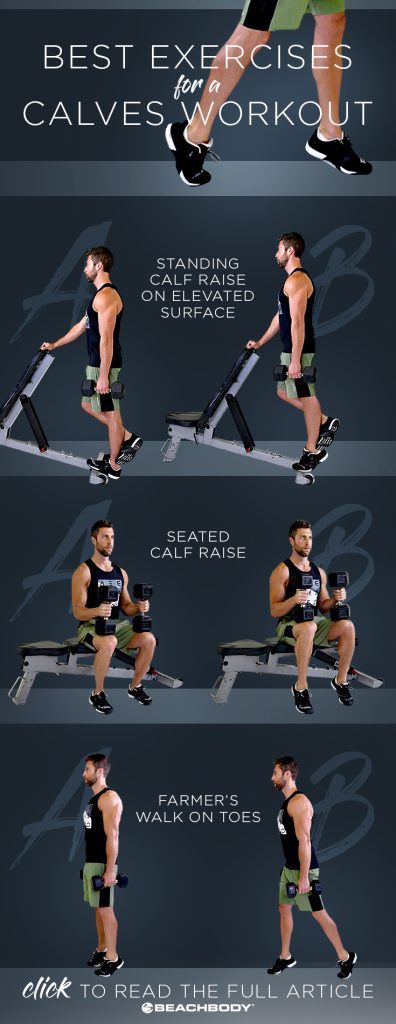
Standing calf raises are a simple and powerful exercise. Stand with your feet shoulder-width apart and slowly lift your heels until you’re standing on your toes. Hold for a moment, then lower your heels back down. This movement targets the gastrocnemius, the larger calf muscle that gives you that defined look. You can do standing calf raises while brushing your teeth or waiting for your coffee to brew. Try doing three sets of 15-20 reps. You’ll start feeling the burn in no time. Are you ready to incorporate this into your daily routine?
Seated Calf Raises
Seated calf raises offer a different angle to work your calves. Sit on a chair with your feet flat on the floor. Place a heavy object like a thick book or backpack on your knees for added resistance. Lift your heels, pushing against the weight. This exercise targets the soleus muscle, which lies beneath the gastrocnemius. The soleus helps with endurance activities like walking and running. Performing seated calf raises regularly will ensure you have a strong foundation for those long hikes.
Single-leg Calf Raises
Single-leg calf raises challenge your balance while strengthening your calves. Stand on one leg and lift your heel to rise on your toes. Hold the position briefly, then lower your heel. Switch legs after completing a set. This exercise not only builds calf muscle but also enhances your balance and stability. Imagine being able to stand on one leg without wobbling. Perform sets of 10-15 reps per leg, and you’ll notice a significant improvement in your overall agility. Using bodyweight exercises, you have the power to sculpt your calf muscles right at home. Which of these exercises will you try first to kickstart your calf-building journey?
Exercises With Resistance Bands
Resistance bands help build calf muscles at home effectively. They offer resistance to tone and strengthen. Easy to use, they fit any workout routine. Perfect for those seeking convenience and efficiency.
Exercises with resistance bands can effectively build calf muscles at home. They provide the right tension to challenge your calves without needing heavy equipment. Plus, they’re lightweight and portable, making them ideal for home workouts. Below are two effective exercises with resistance bands to enhance calf muscle strength.
Resistance Band Calf Extensions
Calf extensions with resistance bands target the calf muscles directly. Start by sitting on a chair. Loop a resistance band around the balls of your feet. Hold the ends of the band firmly with your hands. Extend your legs straight out in front. Press your toes forward, stretching the band. Hold this position for a few seconds. Slowly return to the starting position. Repeat for 10-15 reps. This exercise strengthens the calves and improves flexibility.
Seated Calf Flexion
Seated calf flexion focuses on muscle contraction. Sit comfortably on the floor with legs extended. Place the band around your feet, securing it tightly. Hold the ends with your hands for support. Pull your toes towards you, flexing your calves. Hold the position for a few seconds. Release and repeat for 10-15 reps. This exercise enhances calf muscle tone and endurance.
Using Dumbbells For Added Intensity
Building calf muscles at home can be effective with dumbbells. Adding dumbbells intensifies workouts and enhances results. Simple exercises target calf muscles and improve strength. Dumbbells provide extra resistance and challenge your muscles. This leads to better growth and definition. Let’s explore two great exercises: Weighted Calf Raises and Dumbbell Step-Ups.
Weighted Calf Raises
Stand upright holding dumbbells in each hand. Keep your feet shoulder-width apart. Raise your heels off the ground slowly. Hold the position for a moment. Lower your heels gently to the starting point. Repeat the movement for several reps. This exercise targets the calf muscles directly. It enhances balance and stability. Adjust the weight for more challenge as you progress.
Dumbbell Step-ups
Stand in front of a sturdy bench or step. Hold dumbbells in both hands. Place one foot on the bench. Push through your heel to lift your body up. Bring the other foot to meet the first one. Step back down carefully and repeat with the opposite leg. This exercise works calves and thighs. It improves coordination and agility. Increase weight gradually for added intensity.
Incorporating Plyometric Movements
Plyometric movements like jump squats and calf raises can help build calf muscles at home. These exercises involve quick, explosive movements that target muscle strength and endurance. Consistent practice improves overall calf definition and power.
Building calf muscles at home doesn’t require fancy equipment or a gym membership. Plyometric movements can be a fantastic way to enhance strength and definition in your calves. These exercises are not only effective but also fun to perform. They focus on explosive power, engaging multiple muscle groups, and can easily be done in your living room or backyard. Are you ready to add some bounce to your workout routine?
Jumping Calf Raises
Jumping calf raises are a dynamic twist on the classic calf raise. Start by standing with your feet shoulder-width apart. Slowly lift your heels until you’re standing on your toes. From this position, perform a small jump, ensuring you land softly back on your toes. This exercise not only works your calf muscles but also boosts your balance and coordination. You might be surprised how such a simple movement can make your calves burn. Start with three sets of 10-15 repetitions. As you get stronger, increase the reps or add a weighted backpack for extra resistance.
Box Jumps
Box jumps are a high-energy way to build calf muscle and improve your overall athleticism. Find a sturdy box or platform about knee height. Stand a short distance away, bend your knees, swing your arms, and jump onto the box. Land softly, ensuring your knees are slightly bent. Box jumps are fantastic for boosting your explosive power. They also engage your core and leg muscles beyond just the calves. Aim for three sets of 8-10 jumps. If you don’t have a box, a sturdy step or bench can work just as well. Plyometric exercises like jumping calf raises and box jumps are excellent additions to your home workout routine. They are quick, effective, and can break the monotony of regular exercises. Plus, they might just make you feel like a kid on a playground again. Why not challenge yourself to try them today and feel the difference?
Stretching And Recovery
Stretching and recovery are crucial for building strong calf muscles at home. They help prevent injuries and improve flexibility. Proper stretching ensures your muscles are ready for intense workouts. Recovery allows your muscles to heal and grow stronger.
Calf Stretch Techniques
Calf stretches improve muscle flexibility. Stand facing a wall. Place one foot behind the other. Keep both heels on the ground. Lean forward gently. Feel the stretch in your back calf. Hold for 20-30 seconds. Repeat with the other leg.
Use a step for another stretch. Stand with your toes on the edge. Let your heels drop below the step. Hold for 15-20 seconds. This stretch targets both calf muscles. Repeat a few times for best results.
Importance Of Rest
Rest is vital for muscle growth. It gives your muscles time to repair. After a workout, your calf muscles need rest. This helps in reducing soreness and fatigue. Aim for at least one rest day a week. Listen to your body. If you’re tired, take a break.
Quality sleep also aids recovery. Aim for 7-9 hours each night. Good sleep boosts muscle recovery. It prepares your body for the next workout. Stay hydrated too. Water helps in muscle recovery and overall health.
Creating A Weekly Workout Plan
Building calf muscles at home requires a well-structured weekly workout plan. Focus on exercises like calf raises and jumping rope. Consistency and proper form ensure effective results, enhancing muscle growth over time.
Creating a weekly workout plan is essential for building calf muscles at home. A structured plan keeps you focused and helps track your progress. It’s like having a personal trainer guiding you through each step, ensuring you stay committed to your fitness journey.
Set Clear Goals
Start with clear and achievable goals. Decide how much time you want to spend on your calf workouts each week. Are you aiming for stronger calves or better endurance? Setting specific goals helps you stay motivated and measure your progress effectively.
Choose Your Exercises
Selecting the right exercises is crucial. Calf raises, jumping jacks, and stair climbing are excellent options. Mix them up to keep your workouts interesting. You can also add resistance bands for more challenge. Experiment with different exercises to see what works best for you.
Plan Your Weekly Schedule
Organize your exercises into a weekly schedule. Divide your workouts into three or four sessions per week. Include rest days to allow your muscles to recover. A sample schedule could be calf raises on Monday, stair climbing on Wednesday, and jumping jacks on Friday. Adjust based on your personal needs and progress.
Track Your Progress
Keep a journal of your workouts. Note down the number of sets and repetitions you complete. This helps you see how far you’ve come and what needs improvement. Seeing your progress in writing can be a powerful motivator.
Stay Flexible
Life can be unpredictable, and sometimes you might miss a workout. That’s okay. Adapt your plan as needed. Staying flexible ensures you don’t lose momentum. If you miss a session, simply pick up where you left off. Building calf muscles requires dedication and consistency. Would you be willing to stick to a weekly plan and see the transformation over time? The journey is yours to shape, with each step leading you closer to your goals.
Tracking Progress And Adjustments
Tracking progress is key to building calf muscles at home. Adjust exercises based on personal growth to ensure steady improvement. Regular evaluation helps identify effective workouts and areas needing change for optimal results.
Tracking your progress is key to building calf muscles at home. It helps identify what works and what needs change. This awareness makes your workouts more efficient and effective. Adjusting your routine based on your progress ensures continual muscle growth. This section provides insight into tracking progress and making necessary adjustments.
Setting Measurable Goals
Start with clear, measurable goals. Define what you want to achieve with your calf muscles. Examples include increasing muscle size or improving strength. Use specific numbers or time frames. This keeps you motivated and focused.
Keeping A Workout Journal
Document your exercises, sets, and reps in a journal. Note how your muscles feel during each session. This record helps you track improvements over time. It also highlights which exercises are most effective.
Using Photos For Visual Progress
Take photos of your calves from different angles. Do this every few weeks to see visible changes. Comparing photos shows muscle growth and shape development. This visual feedback can be very motivating.
Regular Measurements
Measure your calf circumference with a tape measure. Record these measurements regularly. Even small changes indicate progress. This method provides a tangible way to track muscle growth.
Listening To Your Body
Pay attention to how your body feels post-exercise. Fatigue or soreness can signal effective workouts. But, pain might indicate overtraining or injury. Adjust your routine based on these body cues.
Adjusting Your Routine
Use your progress data to tweak your exercises. Increase weights or reps for more challenge. Change exercises to target different muscle areas. Regular adjustments prevent plateaus and keep workouts exciting. Tracking progress and making adjustments are essential for building calf muscles at home. This approach ensures your workouts remain effective and tailored to your needs.
Frequently Asked Questions
What Is The Fastest Way To Build Calf Muscles?
Perform calf raises and seated calf raises regularly. Use progressive overload by increasing weights. Incorporate jumping exercises like box jumps and jump rope. Maintain a balanced diet rich in protein for muscle growth. Ensure proper rest and recovery to maximize muscle development.
How Long Does It Take To Build Calf Muscles?
Building calf muscles typically takes 6 to 12 weeks with consistent exercise. Focus on strength training and proper nutrition. Regular workouts and rest are crucial for muscle growth. Results vary based on individual fitness levels and dedication.
How Can I Shape My Calves Fast?
Boost calf muscles quickly by doing calf raises, jump rope, and stair climbing. Eat protein-rich foods for muscle growth. Stay hydrated and stretch regularly to improve flexibility. Consistency and proper form are key for fast results.
What To Eat To Get Big Calves?
Consume protein-rich foods like chicken, fish, and eggs to support muscle growth in calves. Incorporate complex carbohydrates, such as whole grains and sweet potatoes, for energy. Include healthy fats from avocados and nuts. Stay hydrated and eat a balanced diet to support overall muscle development.
Conclusion
Building calf muscles at home is achievable and practical. Start with simple exercises. Remember to maintain consistency for best results. Use household items for resistance. Try calf raises on stairs. Mix exercises for variety. Stretch regularly to prevent injuries. Hydrate and eat protein-rich foods.
Don’t rush the process. Progress takes time and patience. Listen to your body. Adjust workouts as needed. Celebrate small victories along the way. Your calves will strengthen over time. Stay motivated and keep moving forward. Soon, you’ll see noticeable improvements in your calf muscles.
Enjoy the journey and embrace the challenge.








