Imagine looking in the mirror and seeing the toned, muscular body you’ve always wanted. Whether you’re gearing up for beach season or just aiming to feel stronger and more confident, the right diet can make all the difference.
You might be wondering, “How can I build muscle and burn fat at the same time? ” The answer lies in choosing the best diet that works with your body’s needs. We’ll uncover the secrets to fueling your body with the right nutrients, making it easier to achieve your fitness goals.
Get ready to transform your physique and boost your energy levels by discovering the perfect diet plan tailored just for you. Don’t miss out; your dream body is just a few meals away!
Nutrition Basics
Balancing protein-rich foods and healthy fats is key for building muscle and burning fat. Lean meats, fish, eggs, and nuts support muscle growth. Whole grains and vegetables provide energy without extra calories.
Eating the right foods is crucial when trying to build muscle and burn fat. It’s not just about hitting the gym hard; your diet plays a massive role. Understanding the basics of nutrition can set you on the right path to achieving your fitness goals.Macronutrients Overview
Your body needs three main macronutrients: carbohydrates, proteins, and fats. Each serves a unique purpose. Proteins are essential for muscle repair and growth. Carbohydrates provide the energy you need for those intense workouts. Fats, especially healthy ones like avocados and nuts, help keep your hormones balanced. Have you ever noticed feeling sluggish after a heavy meal? That’s often because of an imbalance in these macronutrients.Caloric Intake And Deficit
To build muscle, you need to consume more calories than you burn. But be mindful; this doesn’t mean eating junk. Opt for nutrient-dense foods like lean meats and whole grains. On the flip side, burning fat requires a calorie deficit, meaning you consume fewer calories than you burn. This can be tricky. You might wonder, how do you eat less but still feel full? Focus on foods high in fiber and protein—they’re filling without being calorie-dense.Importance Of Hydration
Water is vital for every bodily function, including muscle growth and fat loss. Staying hydrated helps your muscles recover faster after workouts. It also aids in digestion and nutrient absorption. Ever felt a headache coming on after a workout? It could be your body signaling dehydration. Make it a habit to carry a water bottle with you. Aim for at least 8 glasses a day, but adjust based on your activity level and climate. How do these nutritional basics fit into your daily life? Start small. Swap out soda for water. Add an extra serving of vegetables to your meals. Little changes can make a big difference. Your body—and your future self—will thank you.
Credit: www.youtube.com
Protein Power
Protein Power fuels muscle growth and fat loss. Eating lean meats, fish, and plant-based proteins is essential. Pair proteins with veggies for balanced nutrition and faster results.
Protein is essential for muscle building and fat burning. It repairs muscles after workouts and fuels your body. Consuming enough protein is crucial for fitness goals. It aids in weight loss by keeping you full longer. Understanding protein’s role in your diet helps achieve desired results.Daily Protein Needs
Meeting daily protein needs is vital. Most people need around 0.8 grams per kilogram of body weight. Those building muscle may require more. Athletes often need up to 1.7 grams per kilogram. This ensures muscle repair and growth. Calculate your needs based on activity level and goals. Adjust intake to suit your lifestyle.Best Protein Sources
Choose high-quality protein sources for best results. Lean meats like chicken and turkey are excellent choices. Fish offers healthy omega-3 fatty acids too. Eggs provide a complete protein profile. Plant-based options include beans, lentils, and tofu. Dairy products such as Greek yogurt and milk are rich in protein. Variety ensures balanced nutrition.Timing For Protein Intake
Proper timing enhances protein benefits. Consume protein-rich meals after workouts. This aids muscle recovery and growth. Spread intake throughout the day for constant supply. Include protein in breakfast to start strong. Snacks should have protein to curb hunger. This keeps energy levels steady. Plan meals to optimize protein absorption.Carbohydrates For Energy
Carbohydrates are vital for muscle building and fat burning. They provide the energy needed for workouts. Choosing the right carbs impacts your progress. Let’s explore the types of carbs and their roles.
Complex Vs. Simple Carbs
Complex carbs release energy slowly. Examples include whole grains and vegetables. They keep you fueled longer and stabilize blood sugar. Simple carbs digest quickly, providing a quick energy boost. Think fruits and sweets. Choose complex carbs for sustained energy during workouts.
Role Of Carbs In Muscle Building
Carbs replenish glycogen stores in muscles. They aid muscle recovery after exercise. Without enough carbs, muscles may not repair properly. This can lead to fatigue and reduced strength. Eating carbs helps maintain energy levels and supports muscle growth.
Carb Cycling Techniques
Carb cycling involves adjusting carb intake throughout the week. It balances energy needs and fat loss. On high-intensity workout days, eat more carbs. On rest days, reduce carb intake. This method optimizes muscle building while burning fat.
Healthy Fats
When you’re on a mission to build muscle and burn fat, understanding the role of healthy fats can transform your diet. They’re not just about adding flavor; they play crucial roles in hormone production, energy supply, and maintaining a balanced diet. But do you know which fats to include and how they affect your body’s ability to sculpt muscle while torching fat? Let’s dive into the nitty-gritty of healthy fats.
Types Of Fats To Include
Not all fats are created equal. You want to focus on unsaturated fats, which can be found in foods like avocados, nuts, and olive oil. These fats not only support muscle growth but also help in burning fat. Saturated fats, found in animal products, can be included in moderation as they are beneficial for hormone production.
Trans fats, often found in processed foods, should be avoided. They can hinder your muscle growth and lead to unwanted fat gain. Consider incorporating fatty fish like salmon, which provides essential omega-3 fatty acids. They aid in reducing inflammation and can enhance your workout recovery.
Fats And Hormone Production
Did you know that fats are pivotal in hormone regulation? Your body needs them to produce testosterone and other muscle-building hormones. Testosterone plays a key role in muscle synthesis and fat metabolism. Without adequate fat, your hormone levels might drop, affecting your workout results.
Imagine hitting the gym consistently but not seeing the progress you hoped for. Including healthy fats can prevent this frustration. I once noticed a plateau in my muscle growth until I adjusted my fat intake. The change wasn’t drastic, but it was enough to boost my energy and results.
Balancing Fat Intake
How do you ensure you’re consuming the right amount of fats? It’s all about balance. Aim for fats to make up about 20-35% of your daily calorie intake. This range supports muscle growth and fat loss effectively. Use food tracking apps to monitor your intake easily.
Are you worried about consuming too much fat? Start by evaluating your current diet. Replace unhealthy trans fats with nuts and seeds. Opt for cooking methods like grilling or baking instead of frying. Ask yourself: Are you giving your body the right fuel for your fitness goals?
Healthy fats are more than just a dietary component; they’re a tool for achieving a leaner, stronger physique. By understanding what to include, how they affect hormone production, and balancing intake, you can optimize your diet for muscle building and fat burning. What changes will you make to your diet today?
Meal Timing
Meal timing plays a crucial role in achieving your fitness goals of building muscle and burning fat. It’s not just about what you eat but when you eat. Properly timed meals can enhance workout performance and recovery, making your fitness journey smoother and more effective. By understanding the importance of meal timing, you can optimize your nutrition strategy to support your body’s needs before, during, and after workouts. Let’s dive into the specifics of how you can time your meals for maximum benefits.
Pre-workout Nutrition
Eating before your workout is like fueling a car before a long drive. Your body needs energy to perform at its best. Consider having a balanced meal about 1-2 hours before exercising. This meal should include proteins and carbohydrates. Proteins help in muscle repair, while carbs provide the energy you need to power through your session.
Imagine you’re preparing for a workout; a chicken sandwich on whole-grain bread or a smoothie with yogurt and berries can be excellent options. These meals offer a mix of nutrients that prepare your body for exertion. Remember, you don’t want to feel too full, so keep portions moderate.
Post-workout Nutrition
After a workout, your muscles are like sponges ready to absorb nutrients. This is your window of opportunity to replenish what you’ve lost and build muscle. Aim to eat within 30-60 minutes after exercising. Choose foods rich in protein and carbs to aid recovery.
Ever tried a protein shake with a banana right after a workout? This quick option helps kickstart muscle repair and replenish glycogen stores. You might find this timing boosts your recovery rate and reduces fatigue. Don’t skip this meal; it’s a crucial part of your muscle-building strategy.
Frequency Of Meals
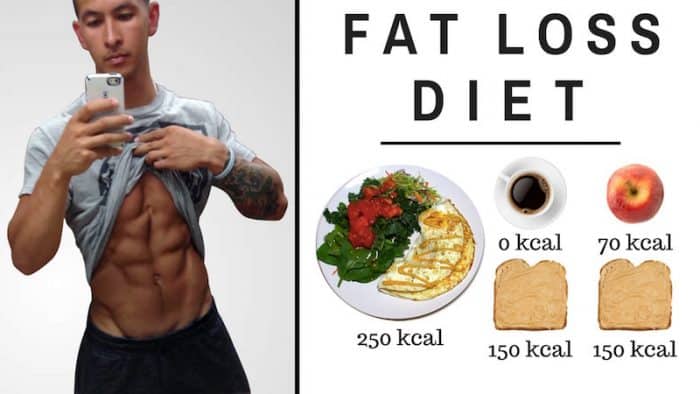
Meal frequency is another vital aspect of your diet strategy. Eating smaller, more frequent meals throughout the day can keep your metabolism active. This approach can help you maintain energy levels and prevent overeating at any single meal.
Have you ever felt sluggish after a large meal? By spreading your meals, you can avoid energy crashes and feel more alert. Try having 4-6 smaller meals a day, including snacks like nuts or yogurt. This could be your secret weapon for sustaining energy while cutting fat.
Consider how your daily routine aligns with your meal timing. Are you optimizing your nutrition to support your fitness goals? Adjusting the timing and frequency of your meals might just be the tweak you need for better performance and faster results.
Credit: builtwithscience.com
Supplements
Supplements can help build muscle and burn fat effectively. They provide essential nutrients that you might not get from food alone. While not mandatory, supplements can enhance your fitness journey. Understanding which ones to use and when can be crucial.
Essential Supplements
Whey protein is popular among fitness enthusiasts. It helps in muscle recovery and growth. Creatine is another widely used supplement. It boosts strength and performance during workouts. BCAAs, or branched-chain amino acids, aid in reducing muscle soreness. They also support muscle growth. Fish oil is beneficial for its anti-inflammatory properties. It can also improve heart health. Multivitamins fill in the nutrient gaps in your diet.
When To Use Supplements
Use protein powder post-workout for muscle repair. It helps replenish protein levels quickly. Creatine is best taken before or after workouts. BCAAs are useful during workouts to maintain muscle energy. Fish oil can be consumed with meals. Multivitamins are usually taken daily with breakfast. Always follow the recommended dosages.
Pros And Cons Of Supplements
Supplements are convenient and easy to consume. They can enhance your diet and fitness goals. You can track your nutrient intake more accurately. But supplements are not substitutes for real food. They can be costly over time. Some may cause side effects or reactions. Always consult a healthcare professional before starting any supplement.
Customizing Your Diet
Crafting a diet to build muscle and burn fat involves balancing protein, healthy fats, and carbs. High-protein foods support muscle growth while healthy fats and complex carbohydrates fuel workouts and recovery. Tailoring portion sizes and meal timing ensures optimal results for individual fitness goals.
Customizing your diet is a crucial step in achieving your goals of building muscle and burning fat. Just as no two people are alike, no two diets should be identical. Your body, lifestyle, and preferences all play a role in determining what works best for you. Tailoring your diet to fit your individual needs can make the difference between seeing results and feeling stuck. Let’s dive into how you can fine-tune your nutrition plan effectively.Personalizing Macronutrient Ratios
Carbs, proteins, and fats are your body’s main energy sources. The right balance can boost your progress significantly. You might find you need more protein to support muscle growth, or perhaps more carbs to fuel your workouts. Start by figuring out your daily caloric needs. Then, decide what percentage of your calories should come from each macronutrient. A common starting point is 40% carbs, 30% protein, and 30% fats. But this is just a guideline. Adjust based on how your body responds. Remember, it’s about finding what works for you. If you feel sluggish, you might need more carbs. If recovery is slow, maybe increase your protein. Your body will give you cues. Listen to it.Adjusting For Body Type
Your body type can influence how you should eat. Ectomorphs, who are naturally lean, might need more calories and carbs to gain muscle. Endomorphs, who tend to store fat more easily, could benefit from a higher protein, lower carb diet. If you’re a mesomorph, you’re in the middle and can usually handle a balanced diet well. But don’t just go by the book. Consider your own experiences. Have you noticed you gain weight quickly? Maybe scale back on carbs. Reflect on your goals too. If fat loss is your priority, adjust your macros accordingly. Your body type is a guide, not a rule. Make tweaks based on what aligns with your goals.Monitoring Progress
Keeping track of your progress can guide your dietary adjustments. Regularly check your weight, muscle measurements, and energy levels. These indicators will help you decide if your current plan is effective. Use a journal or app to log what you eat and how you feel. This can reveal patterns and help you make informed changes. If you’re not seeing muscle gains, increase your protein intake. Be patient with yourself. It takes time to find the perfect balance. Are you feeling more energetic and seeing positive changes? Great, you’re on the right track. If not, keep tweaking. Your diet should be a living plan, evolving as you do. Taking control of your diet can feel empowering. What small change can you make today to get closer to your goals?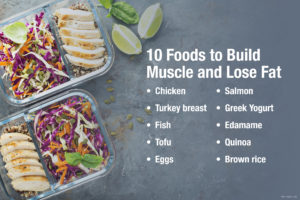
Credit: www.lakeforesthfc.com
Common Mistakes
Choosing the wrong foods can hinder muscle growth and fat loss. Overeating or starving are common diet mistakes. Ignoring protein intake can also derail progress.
In the quest for building muscle and burning fat, many make common mistakes. These errors can hinder progress. Understanding these pitfalls is crucial for achieving fitness goals. Let’s explore the most frequent missteps that sabotage diet plans.Overeating Or Undereating
Balancing calorie intake is key. Eating too much leads to fat gain. Consuming too little slows muscle growth. It’s essential to find the right amount. This ensures effective muscle building and fat burning. Tracking calories helps maintain balance.Ignoring Micronutrients
Vitamins and minerals are vital for overall health. Many focus only on macronutrients like proteins and carbs. Neglecting micronutrients impacts energy and recovery. Incorporate fruits and vegetables into meals. A varied diet supports muscle growth and fat loss.Inconsistent Eating Patterns
Regular meal timing is important. Skipping meals affects metabolism and energy levels. Eating erratically disrupts nutrient absorption. Stick to a schedule for optimal results. Consistent eating patterns aid in maintaining muscle and reducing fat.Frequently Asked Questions
What’s The Best Diet To Gain Muscle And Lose Fat?
A balanced diet rich in protein, healthy fats, and complex carbohydrates helps gain muscle and lose fat. Focus on lean meats, fish, whole grains, fruits, and vegetables. Include strength training and cardio exercises. Stay hydrated and ensure adequate rest for optimal results.
Can You Build Muscle And Lose Fat At The Same Time?
Yes, you can build muscle and lose fat simultaneously. Focus on strength training and consume a balanced diet rich in protein. Maintain a slight calorie deficit to promote fat loss while preserving muscle mass. Consistency and patience are key for achieving these goals effectively.
What Is The Most Effective Way To Build Muscle And Lose Body Fat?
Combine strength training with cardio exercises for optimal results. Focus on a balanced diet rich in protein, healthy fats, and complex carbohydrates. Stay consistent with workouts and maintain a calorie deficit to lose fat. Prioritize sleep and hydration for muscle recovery and growth.
What Should A Woman Eat To Lose Belly Fat And Gain Muscle?
Eat lean proteins like chicken and fish to build muscle. Include whole grains, fruits, and vegetables for balanced nutrition. Limit processed foods and sugars to reduce belly fat. Hydrate well and consider strength training exercises for muscle growth and fat loss.
Conclusion
Achieving muscle growth and burning fat needs the right diet. Focus on protein-rich foods and balanced meals. Include lean meats, fish, eggs, and dairy. Add healthy fats like nuts and avocados. Carbs are important too. Choose whole grains for energy.
Stay hydrated always. Water helps muscle repair and fat burn. Consistency is key. Stick to your plan daily. Patience pays off over time. Results come with dedication. Listen to your body’s needs. Adjust your diet when necessary. Remember, healthy eating supports fitness goals.
Your journey to a fitter you starts now!








