Affiliate Disclosure: This post may contain affiliate links. If you purchase through links on our site, we may earn an affiliate commission at no extra cost to you.
Are you tired of sifting through endless fitness advice, trying to figure out how many calories you need to burn fat and build muscle? You’re not alone.
This puzzle can be overwhelming, but understanding the right balance of calories is crucial for achieving your fitness goals. Imagine feeling more energetic, looking in the mirror with confidence, and knowing exactly what your body needs. The secret lies in discovering the perfect calorie formula that works for you.
Dive into this guide, and unlock the knowledge that could transform your body and boost your confidence. Ready to take control of your fitness journey? Let’s get started!
Calories And Body Composition
Balancing calories is crucial to burn fat and build muscle. Consuming fewer calories than you burn helps shed fat. To build muscle, slightly increase calorie intake while focusing on protein-rich foods.
Calories and Body Composition Understanding calories is key to achieving your fitness goals, whether it’s shedding fat or building muscle. Calories are the energy your body needs to function, and how you manage them affects your body composition. Striking a balance between burning calories and consuming them determines how your body changes over time.
Role Of Calories In Fat Loss
To lose fat, you need to create a calorie deficit. This means burning more calories than you consume. It’s like a simple math equation: consume fewer calories, and your body will start using stored fat as energy. But how many calories should you cut? Aiming for a deficit of 500-1000 calories per day can lead to a healthy weight loss of about 1-2 pounds per week. It’s a sustainable approach that doesn’t leave you feeling deprived. Have you ever tried cutting too many calories and felt drained? Balance is crucial. You don’t want to lose muscle while shedding fat. Keep your protein intake up and engage in strength training to preserve muscle mass.
Calories For Muscle Gain
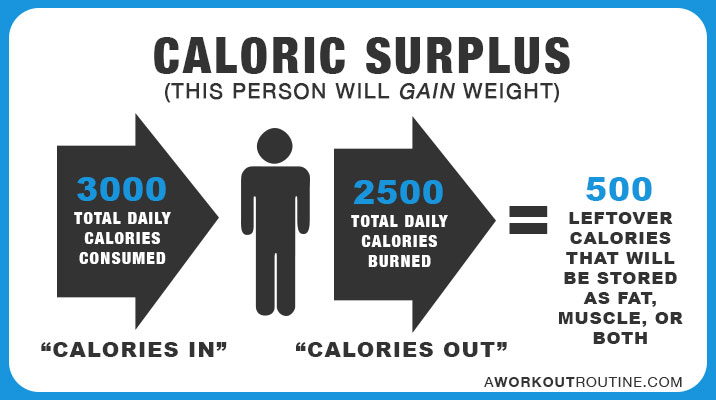
Building muscle requires a calorie surplus. You need to eat more calories than your body burns. Think of it as fueling a construction project; your body needs the extra calories to build new muscle tissue. How many extra calories should you consume? Start with an additional 250-500 calories per day. This gradual increase helps prevent gaining excess fat. Have you ever noticed how rapidly eating more can lead to unwanted weight gain? Focus on nutrient-dense foods to maximize muscle gain. Protein is your best friend here, alongside healthy fats and complex carbohydrates. Staying consistent with your calorie intake and training routine is key. Monitor your progress and adjust as needed. What works for someone else might not work for you, so listen to your body’s responses. Calories play a pivotal role in shaping your body. Whether you’re aiming for fat loss or muscle gain, understanding how to manage your calorie intake can make all the difference.
Calculating Caloric Needs
Understanding how many calories to burn fat and build muscle is essential. Calculating caloric needs helps tailor a fitness plan. It ensures you get the right energy for your goals. Whether shedding pounds or gaining muscle, knowing how your body uses calories is key.
Basal Metabolic Rate
Your Basal Metabolic Rate (BMR) is the number of calories your body needs to function at rest. It accounts for vital activities like breathing and digestion. Calculating BMR helps determine daily caloric needs. Age, weight, and height affect your BMR. The more muscle you have, the higher your BMR. This means muscles burn more calories even while resting. BMR forms the foundation for understanding energy requirements.
Total Daily Energy Expenditure
Total Daily Energy Expenditure (TDEE) includes all activities beyond resting. It combines your BMR with calories burned during exercise and daily tasks. TDEE gives a complete picture of your energy needs. It varies based on activity level. Sedentary lifestyles need fewer calories than active ones. To lose fat, consume fewer calories than your TDEE. To build muscle, you might need a slight calorie surplus. Knowing your TDEE helps balance calories for desired results.
Creating A Caloric Deficit
Creating a caloric deficit helps burn fat and build muscle. Consuming fewer calories than your body needs encourages weight loss. Aim for a balanced approach by cutting calories and increasing exercise for effective results.
Creating a caloric deficit is the magic ingredient in the recipe for burning fat and building muscle. It’s all about the balance between how much energy you consume and how much you expend. This doesn’t mean you should starve yourself or over-exercise. Instead, it’s about smart choices that work for your lifestyle and goals.
Safe Caloric Reduction
Reducing your daily caloric intake safely is crucial for sustainable weight loss. Aim for a modest reduction, such as 500 calories per day. This can help you lose about a pound a week, which is considered healthy and attainable. Think about small changes that won’t make you feel deprived. Swap sugary drinks for water, and opt for baked instead of fried foods. These adjustments can add up over time without drastically changing your routine. Have you ever tried cutting calories only to feel hungry and tired all day? You’re not alone. The key is to find a balance that doesn’t leave you feeling like you’re missing out.
Balancing Nutrition And Deficit
Maintaining nutrition while in a caloric deficit is essential. You need to fuel your body to support muscle growth and recovery. Focus on nutrient-dense foods that provide vitamins and minerals without unnecessary calories. Build your meals around lean proteins, whole grains, and vegetables. These foods keep you full and energized, making it easier to stick to your caloric goals. Consider your favorite meals and how you can tweak them to be healthier. Add more veggies to your pasta or use quinoa instead of rice. Small changes can create a big impact on your nutritional balance. Are you eating enough protein to support your muscle-building efforts? Protein is vital, especially when you’re cutting calories. Ensure each meal includes a source of protein to help preserve muscle mass. Creating a caloric deficit doesn’t mean sacrificing flavor or satisfaction. It’s about finding what works for you and sticking with it. Are you ready to take control of your diet and reach your goals?
Fueling Muscle Growth
Fueling muscle growth involves more than just lifting weights. Eating the right food is crucial. Your body needs the right fuel to grow stronger muscles. Understanding calories and nutrients can help. This knowledge supports your goals of burning fat and building muscle. Let’s explore how to fuel your body for muscle growth.
Caloric Surplus For Muscle
Building muscle requires more calories than you burn. This is called a caloric surplus. Your body uses these extra calories to repair and grow muscle tissues. You do not need a large surplus. A small increase of 250 to 500 calories daily can be effective. Balance is key. Too many calories can lead to fat gain. Monitor your intake and adjust as needed.
Protein’s Role In Muscle Building
Protein is essential for muscle repair and growth. Your muscles need protein to recover after workouts. Aim to consume protein with every meal. Foods like chicken, fish, beans, and tofu are good sources. The general guideline is about 0.7 to 1 gram of protein per pound of body weight. This supports muscle maintenance and growth. Spread your protein intake evenly throughout the day. This helps your body use protein more effectively.
Nutrient Timing
Balancing calorie intake and nutrient timing is key for burning fat while building muscle. Eating the right nutrients before and after workouts helps your body use calories effectively. This approach supports muscle growth and aids in fat loss, making fitness goals more achievable.
Nutrient timing is a crucial aspect of fitness that can significantly impact your ability to burn fat and build muscle. It’s not just about what you eat but when you eat it. Correctly timing your nutrient intake can optimize your workouts and recovery, helping you reach your fitness goals more efficiently.
Pre-workout Nutrition
Eating the right foods before your workout can provide the energy and stamina you need to push harder. A balanced pre-workout meal or snack should include carbohydrates for quick energy and protein to support muscle function. Consider having a banana with a spoonful of peanut butter or a small protein shake 30 to 60 minutes before exercising. Some people find that a cup of coffee boosts their performance. The caffeine can enhance your focus and help you feel more alert. However, be cautious with caffeine intake if you’re sensitive to it. Ask yourself, how does your body feel when you fuel it properly before exercise? You’ll likely notice improved endurance and strength.
Post-workout Recovery
After a workout, your muscles are like a sponge ready to soak up nutrients. Consuming a combination of protein and carbohydrates within 30 minutes of exercising can kickstart the recovery process. A smoothie with protein powder, a handful of spinach, and a banana can be an excellent choice. Remember, rehydration is just as important as refueling. Drink plenty of water to replace fluids lost through sweat. Adding electrolytes can also be beneficial if you’ve had a particularly intense session. Have you ever skipped a post-workout meal and felt sluggish or sore the next day? Proper nutrient timing can alleviate this and help your muscles repair more efficiently. By understanding and implementing nutrient timing, you can enhance your workouts and recovery, supporting your journey to burn fat and build muscle effectively. What adjustments can you make to your current routine to optimize your results?
Impact Of Exercise
Burning calories helps to lose fat while building muscle. Aim to burn around 300-500 calories a day. Consistent exercise and a balanced diet support these goals effectively.
Exercise plays a crucial role in burning fat and building muscle. By understanding the impact of different types of exercise, you can tailor your routine to achieve these goals effectively. Whether you’re aiming to shed pounds or bulk up, the right mix of cardio and strength training can make all the difference. Let’s dive into how each type of exercise impacts your fitness journey.
Cardio And Fat Loss
Cardio exercises, such as running, cycling, or swimming, are excellent for burning calories quickly. They elevate your heart rate, which helps you burn more fat. A 30-minute run can burn around 300-400 calories, depending on your speed and weight. Cardio should be part of your routine if fat loss is your goal. It’s not just about running marathons; even short, intense sessions can be effective. High-Intensity Interval Training (HIIT) can maximize fat burning in less time. Do you remember the last time you took a brisk walk or a quick jog? Those activities count as cardio, too. Consistency is key, so find cardio exercises you enjoy and stick with them.
Strength Training For Muscle Growth
Strength training is essential for building muscle. Lifting weights or doing bodyweight exercises like push-ups helps you gain muscle mass. Muscle burns more calories than fat, even at rest. Incorporating strength training into your routine can transform your body composition. Aim for exercises that target major muscle groups for balanced growth. Squats, deadlifts, and bench presses are great starting points. Have you ever noticed how your strength increases with regular training? That’s your muscles adapting and growing. Challenge yourself by gradually increasing weights or repetitions to continue seeing progress. Consider creating a balanced workout plan that includes both cardio and strength training. How do you plan to integrate these exercises into your weekly routine? By making informed choices, you can efficiently burn fat and build muscle.
Monitoring Progress
Monitoring progress is key in your journey to burn fat and build muscle. Knowing how your body responds helps you make necessary adjustments. This ensures you stay on track and reach your goals effectively.
Tracking Caloric Intake
Track your daily caloric intake for better results. Use apps or food diaries to log meals. This helps you see what you consume. It also highlights any patterns in your eating habits. Consistent tracking ensures you stay within your calorie goals. This is crucial for burning fat and building muscle.
Adjusting Based On Results
Regularly assess your progress. Check if you’re losing fat or gaining muscle. If not, adjust your calorie intake accordingly. This could mean eating more or less based on your goals. Pay attention to your body’s response. Adjusting helps you reach your desired fitness level.
Common Mistakes
Understanding how many calories to burn for fat loss and muscle gain can be tricky. Many people think burning calories is straightforward. But common mistakes often lead to setbacks. Here are some pitfalls that can affect your progress. Avoid them for better results.
Overestimating Caloric Burn
Exercise machines often display calories burned. But these numbers can be misleading. They don’t account for personal factors like weight or intensity. This leads many to believe they burn more calories than they do. Tracking with fitness apps can help. Still, it’s wise to take these numbers with caution.
Another mistake is relying solely on exercise for calorie burn. Daily activities also contribute to calorie expenditure. Walking, standing, and even fidgeting add up. Count these in your daily tally for a realistic view.
Underestimating Nutrient Needs
Building muscle requires more than just calorie burn. Muscles need nutrients to grow. Many focus only on cutting calories. They forget about essential proteins and vitamins. This can hinder muscle growth and recovery.
Eating the right foods supports your workouts. Protein-rich foods are vital for muscle repair. Healthy fats and carbs are important too. They provide energy for exercise. Balance your diet to meet your body’s needs.
Sustainable Lifestyle Changes
Embarking on a journey to burn fat and build muscle demands sustainable lifestyle changes. Quick fixes often lead to short-lived results. A balanced approach ensures lasting success. This involves adopting habits that align with your fitness goals.
Developing Healthy Habits
Start with small, manageable changes in daily routines. Focus on consistent exercise and a nutritious diet. Choose whole foods over processed ones. Prioritize protein-rich meals to support muscle growth. Regular workouts improve metabolism and aid fat loss. Track your progress to stay motivated. Celebrate small victories to maintain enthusiasm.
Maintaining Results Long-term
Consistency is key to sustaining results. Avoid extreme diets or workout regimens. These can lead to burnout or injury. Instead, find activities you enjoy. This makes exercise feel less like a chore. Balance is vital. Allow occasional treats without guilt. This prevents feelings of deprivation. Regularly reassess your goals. Adjust your plan as needed. This keeps your routine fresh and engaging. Remember, lasting change takes time.
Credit: healthyeater.com
Frequently Asked Questions
How Many Calories Should I Eat If I Want To Lose Fat And Gain Muscle?
To lose fat and gain muscle, consume 10-15% fewer calories than your maintenance level. Prioritize protein intake and maintain a balanced diet. Adjust based on progress and activity level. Consult a nutritionist for personalized advice.
Can You Lose Fat And Gain Muscle At The Same Time?
Yes, losing fat and gaining muscle simultaneously is possible. Focus on a high-protein diet and strength training. Balance calorie intake to support muscle growth while promoting fat loss. Consistency in workouts and proper nutrition are key.
How Many Calories Should I Burn A Day To Gain Muscle?
To gain muscle, focus on caloric intake rather than burning calories. Consume more calories than you burn. Aim for a balanced diet with adequate protein, carbohydrates, and healthy fats. Consult a nutritionist for personalized advice based on your goals and activity level.
Exercise regularly with strength training for optimal results.
Is 1500 Calories Enough To Lose Fat And Build Muscle?
Consuming 1500 calories may aid fat loss but can hinder muscle gain. Individual needs vary based on activity and metabolism. Consult a nutritionist for personalized advice. Ensure a balanced diet with sufficient protein to support muscle growth. Adjust calorie intake as necessary for your fitness goals.
Conclusion
Balancing calories is key for fat loss and muscle gain. Eat a healthy diet. Include protein, good fats, and carbs. Exercise regularly to burn calories. Strength training builds muscle. Cardio supports fat burning. Track your progress. Adjust your diet and workouts as needed.
Listen to your body. Rest is important. Sleep well. Stay hydrated. Consistency is crucial for results. Small changes lead to big improvements. Be patient. Results take time. Celebrate small victories. Stay motivated and focused. Keep going. Your goals are within reach.








