Affiliate Disclosure: This post may contain affiliate links. If you purchase through links on our site, we may earn an affiliate commission at no extra cost to you.
Are you on a quest to build muscle and wondering how much whey protein you should consume each day? You’re not alone.
Many fitness enthusiasts grapple with this question as they seek to maximize their muscle gains. The answer isn’t as straightforward as you might think. It involves understanding your body’s unique needs, your fitness goals, and the science behind protein intake.
By the end of this article, you’ll have a clear picture of how much whey protein will help you achieve those muscle-building dreams without wasting money or risking your health. Ready to discover the perfect balance for your body? Let’s dive in and find out!
Credit: naturalforce.com
Whey Protein Basics
Whey protein is a popular supplement for muscle building. Athletes and fitness enthusiasts often use it. Understanding its basics helps in using it effectively. It is derived from milk and is a complete protein. This means it contains all essential amino acids. It is quickly absorbed by the body, making it ideal post-workout.
What Is Whey Protein?
Whey protein is a by-product of cheese production. It comes from the liquid part of milk. After coagulation, this liquid is separated and processed into powder. It is available in three main forms: concentrate, isolate, and hydrolysate. Each form varies in protein content and absorption speed. Whey protein is rich in branched-chain amino acids (BCAAs). These are crucial for muscle repair and growth.
Benefits For Muscle Growth
Whey protein supports muscle growth by providing essential amino acids. These acids are the building blocks of muscles. Consuming whey protein after exercise aids muscle recovery. It helps repair muscle tissues damaged during workouts. This leads to faster muscle growth and strength gains. Whey protein also supports muscle protein synthesis. This process is vital for building new muscle mass. Regular intake can improve workout performance and endurance. It keeps you full, which helps in managing your diet. Overall, it is a valuable tool for anyone aiming to build muscle.
Daily Protein Requirements
Understanding daily protein needs is crucial for muscle growth. Whey protein plays a key role in achieving fitness goals. Knowing how much to consume can make the difference in results. Protein requirements vary from person to person. Factors such as age, weight, and activity level matter. Let’s dive into the elements that influence daily protein needs for muscle building.
Factors Influencing Protein Needs
Several factors affect how much protein you need each day. Age is a big factor. Younger people often need more protein to support growth. Weight also plays a role. Heavier individuals may require more protein to maintain muscle mass. Activity level is crucial. Those who exercise regularly need more protein to repair muscles. Diet can influence protein needs too. Vegetarians might need more whey protein to meet their goals. Health conditions can also affect protein requirements.
Recommended Intake For Different Goals
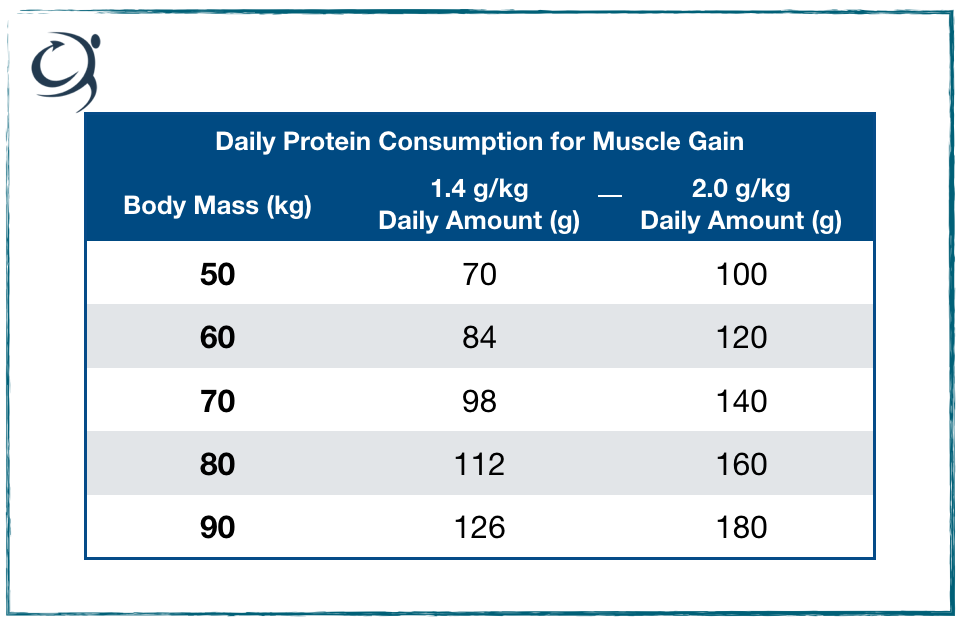
Protein needs vary based on fitness objectives. For muscle gain, aim for 1.2 to 2.0 grams per kilogram of body weight. This range supports muscle repair and growth. Those looking to maintain muscle might need 0.8 to 1.2 grams per kilogram. This helps prevent muscle loss without gaining extra bulk. Individuals focused on weight loss should adjust protein intake. High protein can help preserve muscle while shedding fat. Consult a health professional for personalized advice.
Calculating Your Intake
Understanding how much whey protein you need is crucial for muscle growth. The right amount depends on your body weight and activity level. In this section, we’ll explore how to calculate your ideal intake. You’ll learn to adjust your protein needs for your specific fitness goals.
Body Weight And Protein Calculations
Your body weight helps determine your protein needs. A common guideline suggests consuming 0.8 grams of protein per pound of body weight. For muscle building, you might need 1 to 1.2 grams per pound. This calculation gives you a baseline for daily intake. If you weigh 150 pounds, aim for 150 to 180 grams of protein daily. Whey protein can help meet these needs efficiently.
Adjustments For Activity Level
Activity level influences how much protein you need. More active individuals require more protein. If you exercise daily, consider increasing your intake. Aim for the higher end of the protein range. Sedentary individuals might need less. Adjust based on your workout intensity and frequency. Track your progress and see how your body responds. Protein needs might change as your activity level changes.
Timing And Frequency
Understanding the timing and frequency of whey protein intake helps build muscle. Consuming protein at the right times maximizes muscle growth and recovery. It’s not just about the amount but also how you distribute it throughout the day.
Optimal Times To Consume
Timing your whey protein intake can boost muscle synthesis. The best time is right after your workout. This is when muscles need nutrients the most. Consuming whey protein post-exercise aids in muscle repair and growth.
Another good time is in the morning. After fasting overnight, your body craves protein to kickstart metabolism. A protein-rich breakfast supports muscle maintenance and growth.
Daily Distribution Of Protein
Spreading protein intake evenly throughout the day is key. Aim for three to four servings of whey protein daily. Each serving should be around 20-30 grams. This distribution ensures a steady supply of amino acids to muscles.
Morning, post-workout, and evening are ideal times. Consistent protein intake supports muscle recovery and reduces muscle breakdown. Balance each meal with protein to support your muscle-building goals.
Choosing The Right Whey Protein
Choosing the right whey protein is crucial for maximizing your muscle-building efforts. Not all whey proteins are created equal, and picking the wrong one can hinder your progress. You’ll want to consider factors like types, quality, and purity to ensure you’re getting the best product for your needs.
Types Of Whey Protein
Whey protein comes in different forms, each with unique benefits. The most common types are whey protein concentrate, whey protein isolate, and whey protein hydrolysate.
- Whey Protein Concentrate:It contains a higher level of fats and carbohydrates. It’s often cheaper and offers more flavor options, but might not be ideal if you’re watching your macros closely.
- Whey Protein Isolate:This type is processed to remove most fats and carbs, resulting in higher protein content. It’s perfect for those focused on muscle gains without extra calories.
- Whey Protein Hydrolysate:Known for its rapid absorption, it’s partially broken down, making it easier to digest. Often favored by athletes for quick recovery post workouts.
Quality And Purity Considerations
While choosing whey protein, quality and purity should be your priority. Poor quality protein can be loaded with fillers and additives, which could affect your health and performance.
Check labels for certifications like GMP (Good Manufacturing Practices) and NSF (National Sanitation Foundation). These ensure the product meets high standards of quality and safety.
Consider brands that offer transparency about their sourcing and production processes. Knowing where your protein comes from can provide peace of mind about what you’re putting into your body.
Have you ever bought a protein that promised the moon and didn’t deliver? It’s frustrating, but it happens. Always read reviews and maybe ask a friend who’s a fitness enthusiast for recommendations.
Choosing the right whey protein is not just about price or flavor. It’s about making a smart choice for your health and fitness goals. What type of whey protein do you think aligns best with your goals?
Potential Side Effects
Consuming excessive whey protein daily might lead to side effects like digestive issues, bloating, or kidney strain. Moderation is crucial to avoid these potential health concerns while building muscle effectively. Always consult a healthcare professional to determine the ideal intake for your body.
Consuming whey protein is a popular strategy for those looking to build muscle. But, as with any supplement, it’s essential to be aware of potential side effects. While whey protein is generally safe for most people, some might experience adverse reactions. Understanding these can help you make informed decisions about your diet and health.
Digestive Issues
Whey protein can sometimes lead to digestive discomfort. If you’ve ever felt bloated or experienced gas after your protein shake, you’re not alone. These symptoms often arise because whey is derived from milk and contains lactose. For those who are lactose intolerant, even small amounts can be troublesome. You might want to try whey protein isolate, which has less lactose, or consider plant-based protein alternatives. Have you noticed any changes in your digestion after introducing whey into your diet?
Allergic Reactions
Allergic reactions to whey protein, although rare, can occur. Symptoms can range from mild to severe, including rash, hives, or itching. If you have a known milk allergy, it’s crucial to approach whey protein with caution. Consider starting with a small amount to gauge your body’s response. Keep an eye out for any unusual reactions and consult a healthcare professional if needed. Have you ever experienced unexpected reactions to dietary changes or supplements? Always listen to your body and adjust your protein intake accordingly. It’s about finding what works best for you and supports your muscle-building goals without compromising your health. Remember, moderation is key, and more isn’t always better.
Combining With Other Nutrients
Building muscle isn’t just about how much whey protein you consume. It’s also crucial to balance it with other nutrients that support muscle growth and recovery. By understanding the role of carbohydrates and the importance of fats, you can optimize your nutrition strategy.
Role Of Carbohydrates
Carbohydrates are more than just energy sources. They replenish glycogen stores in your muscles, which are depleted during workouts. This replenishment is essential for recovery and muscle growth.
Think about how your car needs fuel to run efficiently. Similarly, your body needs carbs to function optimally, especially during intense training. Adding a combination of complex carbs like oats, brown rice, or whole grain bread with your protein intake can make a real difference.
Have you ever noticed feeling sluggish during a workout? That might be due to low glycogen levels. Ensuring you have a good carb source pre and post-workout can keep your energy levels high and your muscles happy.
Importance Of Fats
Fats are often misunderstood in the fitness world. They are vital for hormone production, including testosterone, which plays a significant role in muscle building. Incorporating healthy fats like avocados, nuts, and olive oil can enhance your muscle growth journey.
During my early days of training, I avoided fats, thinking they would hinder my progress. But once I introduced healthy fats into my diet, I felt more energetic and noticed better recovery. It was a game changer for me.
Consider this: Are you giving your body the right balance of nutrients it needs to grow? By combining whey protein with the right mix of carbs and fats, you’re setting yourself up for success in your muscle-building goals.
Expert Tips For Muscle Building
Wondering about daily whey protein intake for muscle building? Experts suggest 20 to 30 grams post-workout for optimal results. Balance protein with carbs and fats for efficient muscle growth and recovery.
Building muscle effectively requires more than just hitting the gym; it involves understanding how to fuel your body properly. Expert advice often centers around balancing the right amount of whey protein with your daily activities. Getting this balance right can amplify your efforts in the gym and help you achieve your muscle-building goals faster. Let’s dive into some expert tips to ensure your muscle-building journey is both efficient and effective.
Balancing Diet And Exercise
Your diet plays a crucial role in muscle building. Whey protein is a popular choice among fitness enthusiasts because it’s easy to digest and packed with essential amino acids. But how much should you take? Experts suggest starting with 20-25 grams of whey protein post-workout. This amount helps repair and build muscle tissue efficiently. However, the exact amount can vary based on your body weight and workout intensity. If you’re working out intensely or weigh more, you might need closer to 30-40 grams. Always pair your protein intake with a balanced diet that includes carbs and fats. This ensures your body has enough energy to power through workouts while using protein to build muscle.
Monitoring Progress
Tracking your progress is essential. Are you seeing the muscle growth you expected? If not, it might be time to adjust your protein intake or workout routine. Use a journal or an app to track your workouts and how much protein you consume daily. Regularly take measurements of your muscle size and strength levels. If you notice a plateau, ask yourself: Is your protein intake sufficient? Are you pushing yourself enough in workouts? Sometimes, small tweaks can lead to significant improvements. Listening to your body is key. If you’re feeling fatigued or not recovering well, it might be a sign to reassess your diet and exercise plan. Remember, building muscle is a personalized journey, and your needs may change over time.
Common Myths
Many believe more whey protein equals more muscle, but this isn’t true. Usually, 20-30 grams per day is enough. Proper diet and exercise matter just as much.
When it comes to building muscle, the role of whey protein is often surrounded by common myths. Many gym-goers find themselves puzzled, wondering whether they’re consuming too much or too little. These misconceptions can hinder your progress if not addressed properly. Let’s break down some of these myths and set the record straight.
Overconsumption Concerns
You’ve probably heard that consuming too much whey protein can be harmful. This idea often stems from concerns about kidney health and digestibility. However, for most healthy individuals, moderate whey protein intake is safe. Think about your daily protein needs. If you’re consuming more than twice your body weight in grams of protein, you might be overdoing it. Aim for a balanced approach, considering your overall diet and activity level. A friend of mine believed more protein meant faster muscle growth. He ended up feeling bloated and uncomfortable. Focus on your body’s signals rather than arbitrary numbers.
Whey Protein Misconceptions
Many assume whey protein is a magical solution for muscle growth. While it’s a fantastic supplement, it’s not a substitute for whole foods. Relying solely on whey protein may leave you deficient in other nutrients. Consider incorporating a variety of protein sources. Chicken, fish, and legumes can complement your whey intake. This variety supports overall health and muscle development. There’s also a myth that whey protein is only for bodybuilders. In reality, it can benefit anyone looking to increase protein intake, regardless of fitness level. Are you using whey protein effectively in your diet? If you’re unsure, evaluate your goals and adjust your protein sources accordingly. Remember, knowledge is power when it comes to your fitness journey.
Frequently Asked Questions
Is It Okay To Take 2 Scoops Of Whey Protein A Day?
Yes, taking 2 scoops of whey protein daily is generally safe. It supports muscle growth and recovery. Ensure you’re not exceeding your total protein needs. Consult a healthcare professional if unsure about your dietary requirements. Always choose high-quality protein sources and maintain a balanced diet.
Can 100 Grams Of Protein A Day Build Muscle?
Consuming 100 grams of protein daily can support muscle growth. Individual needs vary based on factors like age, weight, and activity level. For optimal results, combine protein intake with strength training and a balanced diet. Consult a nutritionist for personalized advice.
Is 50g Of Whey Protein A Day Too Much?
Consuming 50g of whey protein daily is generally safe for most adults. It’s important to balance protein intake with overall nutrition needs. Athletes or those with higher protein requirements may benefit, while excessive intake can strain kidneys. Consult a healthcare professional for personalized advice based on your health goals.
Is 200g Of Protein Too Much For Muscle Gain?
Consuming 200g of protein may be excessive for some, depending on individual goals and body weight. Typically, 1. 6-2. 2g per kg of body weight is sufficient for muscle gain. Consult a nutritionist to tailor your intake. Excess protein can stress kidneys and may not enhance muscle growth.
Conclusion
Finding the right whey protein amount is crucial for muscle growth. Balancing intake with your goals supports effective muscle building. Listen to your body. Adjust protein levels as needed. Consult a nutritionist if unsure. Everyone’s needs vary. Proper protein intake aids recovery and boosts strength.
Consistency is key. Stick to your plan for best results. Whey protein can be a powerful ally in your fitness journey. Use it wisely. Remember, patience and dedication are essential. Building muscle takes time and effort. Stay committed. Achieve your goals with the right protein strategy.








