Affiliate Disclosure: This post may contain affiliate links. If you purchase through links on our site, we may earn an affiliate commission at no extra cost to you.
Are you wondering how many bodyweight squats you need to do to build muscle effectively? You’re not alone.
This is a common question for anyone looking to enhance their fitness routine without the need for heavy weights or gym equipment. You might be surprised at how this simple exercise can transform your strength and physique. But how do you strike the right balance between too little and too much?
Don’t worry; you’re about to uncover the secrets to optimizing your squat routine for maximum muscle growth. By the end of this article, you’ll have a clear, actionable plan tailored just for you, ensuring that every squat counts towards building the muscle you desire. Let’s dive in and take the guesswork out of your workout!
Benefits Of Bodyweight Squats
Building muscle with bodyweight squats requires consistency and proper form. Start with 3 sets of 12-15 squats daily. Gradually increase reps as strength improves. Squats boost muscle growth in legs and core, enhancing overall fitness.
Bodyweight squats are more than just a staple exercise in fitness routines; they offer a myriad of benefits that can transform your workout experience. Whether you’re aiming to build muscle, enhance your functional fitness, or simply improve your overall health, bodyweight squats are a versatile and effective choice. Let’s dive deeper into the incredible benefits of incorporating bodyweight squats into your routine.
Muscle Growth Potential
Bodyweight squats can be a powerful tool for muscle growth. They target multiple muscle groups, including your quadriceps, hamstrings, glutes, and calves. This comprehensive engagement helps to build and tone your lower body effectively. Consistency is key. Doing bodyweight squats regularly can lead to noticeable muscle development. You might find that your legs feel more solid and your glutes more defined. Want to push your limits? Try increasing the number of squats gradually. Your muscles adapt and grow stronger with each additional rep.
Improved Functional Fitness
Bodyweight squats improve functional fitness, which is your ability to perform everyday activities with ease. They mimic movements like sitting and standing, making daily tasks feel effortless. Feel more balanced and coordinated as you continue to incorporate squats. You’ll notice an enhancement in your stability, which is crucial for maintaining an active lifestyle. Have you ever thought about how squats can improve your athletic performance? They enhance your jumping ability and speed, which can be a game-changer for sports enthusiasts. Engaging in bodyweight squats isn’t just about building muscle; it’s about improving your overall quality of life. So, how many squats will you challenge yourself with today? Start small, stay consistent, and watch your progress unfold.
Muscle Groups Targeted
Bodyweight squats primarily target the quadriceps, hamstrings, glutes, and calves. Engaging these muscles effectively contributes to building overall leg strength and endurance. For balanced development, incorporate variations focusing on each muscle group, enhancing both power and flexibility.
When performing bodyweight squats, knowing which muscle groups you target is crucial for maximizing your workout’s effectiveness. Understanding this not only helps you focus your training but also allows you to track your progress and set tangible goals. Squats are more than just a leg exercise; they engage multiple muscle groups that contribute to overall strength and muscle growth.
Primary Muscles
Bodyweight squats primarily target the quadriceps, which are the muscles located at the front of your thighs. These muscles are responsible for straightening your knees as you squat. You might notice the burn in your quads after a set of squats, a clear sign they’re working hard. The gluteal muscles, or glutes, also play a significant role. As you stand up from the squat position, your glutes are activated. You might have experienced a sore backside after an intense squat session, a testament to their engagement.
Secondary Muscles
While the primary focus of squats is the quads and glutes, they also engage secondary muscle groups. Your hamstrings, located at the back of your thighs, assist in controlling your movement and stability during the squat. This makes them a vital part of your squatting technique. Calves are another group that help maintain balance. They ensure you don’t tip over as you move. You may not always feel them working, but they are key to a steady squat. Moreover, your core muscles, including your abs and lower back, are engaged to stabilize your torso. A strong core supports your spine and helps prevent injuries, adding to your overall strength. Have you ever noticed how a slight change in your squat stance can shift the focus to different muscles? Paying attention to these shifts can help you target specific areas more effectively. By understanding which muscles you’re working on, you can tweak your routine to enhance muscle growth. How many squats you should do is important, but knowing what you’re working is equally crucial.
Optimal Rep Range
Finding the optimal rep range for bodyweight squats can be a game-changer in your muscle-building journey. It’s not just about doing as many squats as possible; it’s about finding the balance that works for your body and goals. Are you aiming for strength, endurance, or muscle growth? Each goal requires a different approach. Let’s break down the two main strategies: High-Intensity Training and Volume Training.
High-intensity Training
High-intensity training is all about maximizing effort. You’re pushing your body to its limits with fewer reps but higher intensity. Think of performing squats until your muscles reach failure or close to it. This method is effective for building strength and muscle.
Consider incorporating squats with explosive movements or adding a pause at the bottom. These tweaks can increase the challenge without needing additional equipment. How does your body respond when you push the boundaries?
Try aiming for a rep range of 8-12 with maximum effort. Feel the burn and embrace the challenge. This range is where muscle hypertrophy often occurs. But remember, listen to your body; rest is just as crucial as effort.
Volume Training
Volume training is different; it focuses on higher reps with moderate effort. This approach builds muscle endurance and can contribute to muscle growth over time. It’s about consistency and gradually increasing the number of squats you perform.
Begin with a manageable number, perhaps 15-20 reps per set. Gradually increase the reps or sets as you build endurance. How many can you do before your form breaks? Keep pushing the limit.
Volume training isn’t just about numbers; it’s about maintaining perfect form throughout. This helps in preventing injuries and ensuring effective muscle engagement. Consistency is key, so set a routine that challenges you daily.
Now, it’s your turn to decide: which method resonates with your fitness goals? The choice between high-intensity and volume training depends on personal preference and desired outcomes. Experiment with both and adjust your routine as your strength builds and your goals evolve.
Factors Influencing Muscle Gain
Muscle gain from bodyweight squats depends on various factors like intensity, frequency, and progression. Aim for sets of 15-20 squats, gradually increasing reps and difficulty. Consistency and proper form are key to effective muscle building.
Building muscle through bodyweight squats is more than just counting reps. Various factors influence muscle gain, and understanding these can optimize your squat routine. Your unique genetic makeup, what you eat, and how you train all play roles in how your muscles respond to exercise. Let’s dive into these factors, so you can tailor your workouts for maximum benefit.
Genetics
Genetics play a crucial role in muscle development. Some people are naturally predisposed to build muscle faster. Your muscle fiber type can influence how quickly you see results from squats. Fast-twitch fibers are better for explosive movements and muscle growth, while slow-twitch fibers are more about endurance. Have you noticed how some people seem to gain muscle effortlessly? It might be their genetic advantage. But don’t be discouraged. By understanding your body, you can adjust your squat routine to suit your strengths. Consider experimenting with different squat variations. This helps you find what works best for your body type. Listen to your body and pay attention to how it responds.
Nutrition
What you eat can significantly impact muscle gain. Your body needs fuel to build and repair muscles after squats. Protein is essential for muscle growth, so include sources like chicken, tofu, or lentils in your diet. Carbohydrates are also important as they provide energy for your workouts. Whole grains, fruits, and vegetables can keep your energy levels high. Don’t forget healthy fats, which are vital for hormone production and overall health. Are you eating enough to support your squat routine? Track your meals for a week and see if you’re getting the nutrients you need. Small adjustments in your diet can lead to big changes in your muscle gain. Keep hydration in mind as well. Water aids in muscle recovery and performance. Drink plenty throughout the day, especially before and after workouts. Understanding these factors can help you achieve your fitness goals. What changes can you make today to enhance your muscle-building journey?
Progressive Overload Techniques
Progressive overload is key for muscle growth. It involves gradually increasing the stress on your muscles. This can be achieved through various techniques. These techniques ensure your muscles are constantly challenged. Bodyweight squats can be optimized using these methods. Let’s explore some effective strategies.
Increasing Repetitions
Start with a manageable number of squats. Increase the count weekly. This gradual increase helps your muscles adapt. Push your limits gently but consistently. Aim for more repetitions each session. Your muscles grow stronger and more resilient.
Adding Variations
Introduce new squat variations for added challenge. Try pistol squats for single-leg strength. Incorporate jump squats for explosive power. Each variation targets different muscle groups. Variations prevent workout monotony. Keep your body guessing and growing.
Common Mistakes To Avoid
Performing bodyweight squats is a great way to build muscle. But many make mistakes that can hinder progress. Knowing these mistakes will help you improve. This will lead to better results and fewer injuries.
Poor Form
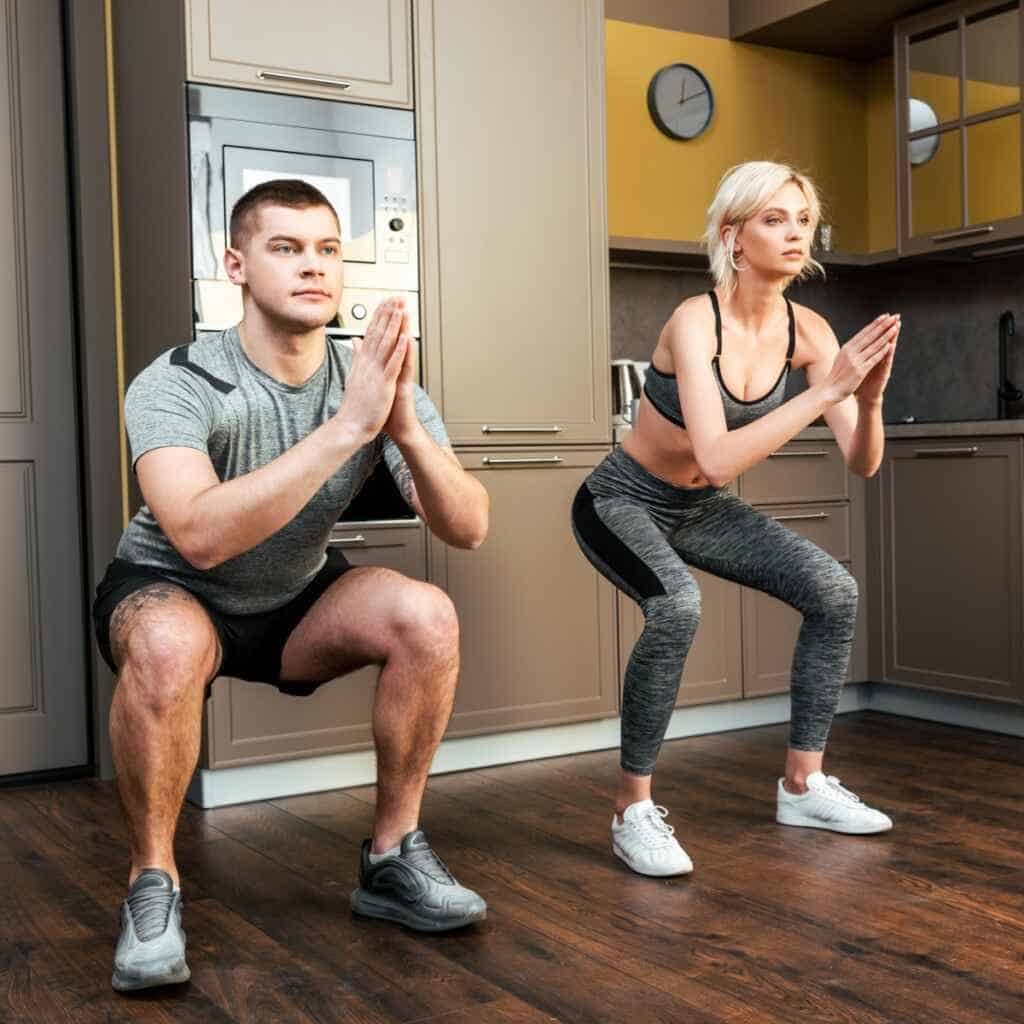
Many people squat with poor form. This increases injury risk. It also reduces muscle gain. Ensure your knees don’t go past your toes. Keep your back straight. Engage your core muscles. Watch your foot placement. Keep them shoulder-width apart. Practice in front of a mirror. Make sure your form is correct.
Inadequate Recovery
Recovery is crucial after intense workouts. Muscles need time to heal. Without proper rest, growth is limited. Ensure you get enough sleep. Eat a balanced diet rich in protein. Hydrate well. Listen to your body. Rest if you feel fatigued. Overtraining can lead to setbacks. Prioritize recovery as much as the workout itself.
Tracking Progress
Building muscle with bodyweight squats requires consistency. Start with sets of 10-15 reps, increasing gradually. Tracking progress helps gauge strength improvements and adjust workout intensity effectively.
Tracking your progress is crucial in building muscle with bodyweight squats. It helps you understand what’s working and what needs adjustment. Knowing how many squats to do relies on seeing your improvements over time. By keeping track, you can set realistic goals and stay motivated.
Measuring Strength Gains
Strength gains show you’re on the right path. To measure, note how many squats you can do without stopping. Increase in numbers shows progress. Another way is timing yourself. See how many squats you complete in one minute. Aim to improve this number weekly. Both methods give you a clear picture of strength gains.
Monitoring Muscle Development
Muscle development may not be visible immediately. Track changes with photos. Take pictures every few weeks. Wear similar clothes and use the same lighting for accuracy. Compare these photos over time. Notice muscle definition and changes. Also, keep a journal of how your muscles feel. Are they less sore after workouts? This indicates better muscle endurance. Use these tools to monitor muscle development effectively.
Credit: bonytobeastly.com
Frequently Asked Questions
Can I Build Muscle With Just Bodyweight Squats?
Yes, you can build muscle with bodyweight squats. They increase strength and endurance when performed consistently. Add variations like jump squats or pistol squats for more challenge. Incorporating progressive overload, such as increasing reps, sets, or intensity, enhances muscle growth.
Proper form is crucial for effectiveness and injury prevention.
How Many Bodyweight Squats Per Day To Build Muscle?
Aim for 50-100 bodyweight squats daily to build muscle. Adjust based on fitness level and goals. Consistency and proper form are key for effective results. Gradually increase reps as strength improves. Always listen to your body to avoid overtraining.
What Happens If I Do 100 Bodyweight Squats A Day?
Doing 100 bodyweight squats daily boosts leg strength, endurance, and muscle tone. You may notice improved balance and flexibility. Consistent squats can aid weight loss and enhance cardiovascular health. Ensure proper form to prevent injury and achieve optimal results.
Is 10 Squats Every 45 Minutes Equal To 10,000 Steps?
10 squats every 45 minutes don’t equal 10,000 steps. Squats and steps measure different activities. Steps count walking, while squats target muscle strength. Walking 10,000 steps covers around five miles. Squats are a strength exercise and won’t replace the cardiovascular benefits of steps.
Conclusion
Building muscle with bodyweight squats requires consistency and proper technique. Start with a manageable number. Gradually increase as strength improves. Aim for sets that challenge, but don’t overwhelm. Listen to your body. Adjust reps based on fatigue levels. Mix up squat variations to target different muscles.
Maintain good form to prevent injury. Rest between sets for recovery. Track progress to stay motivated. Patience and persistence are key. Results take time. Stay committed to your routine. Enjoy the journey of muscle growth.








