Affiliate Disclosure: This post may contain affiliate links. If you purchase through links on our site, we may earn an affiliate commission at no extra cost to you.
Are you looking to build impressive pectoral muscles without ever stepping foot in a gym? You’re not alone.
Many people want to strengthen their chest muscles from the comfort of their own homes. Whether you’re avoiding the gym due to time constraints, budget, or simply prefer working out in your own space, it’s completely possible to achieve amazing results.
You’ll discover simple yet effective exercises and strategies to help you sculpt your chest. Get ready to unlock the secrets to a stronger, more defined upper body using just your body weight and a few common household items. Your path to powerful pecs starts here!
Benefits Of Home Workouts
Working out at home offers numerous benefits. It’s an attractive option for those keen on building pectoral muscles without a gym membership. Home workouts provide convenience, flexibility, and privacy, which are appealing to many.
Convenience And Cost-effectiveness
Home workouts eliminate travel time. You simply exercise in your living room or backyard. This saves time and reduces stress. There’s no need for expensive gym memberships. Basic equipment like dumbbells and a mat are affordable. You can invest in them once and use them for years.
Flexibility In Scheduling
Exercising at home allows you to choose your workout time. You can fit exercise around your other daily activities. This flexibility helps maintain a consistent routine. You don’t have to wait for gym equipment. Your exercise time is your own.
Comfort And Privacy
Home workouts offer a comfortable environment. You can wear what you like. This comfort boosts confidence and motivation. Privacy is another advantage. You don’t have to worry about others watching. You can focus entirely on your workout without distractions.
Essential Equipment For Home Workouts
Dumbbells and resistance bands help build pectoral muscles at home. A sturdy bench supports your chest exercises. Push-up bars enhance your workout routine.
Building pectoral muscles at home requires the right equipment. You don’t need a full gym setup. A few key items can make all the difference. These essentials help target your chest and provide effective workouts. Let’s explore what you need to make the most of your home workout space.
Dumbbells And Resistance Bands
Dumbbells are versatile and great for chest exercises. Choose a weight that challenges you but allows proper form. Resistance bands add variety and can be used for chest presses and flyes. They are portable and affordable. Both tools help build strength efficiently.
Bodyweight Equipment
Push-up bars or stands offer more range of motion. This enhances muscle activation. A sturdy bench or step can be used for dips. These exercises target your chest without heavy gear. You can adjust the intensity by changing angles or positions.
Optional Add-ons
Consider a stability ball for chest presses. This adds balance challenges, engaging more muscles. A pull-up bar can be useful. It works the upper body and improves overall strength. These items are not essential but offer more workout options.
Bodyweight Exercises For Pectorals
Building pectoral muscles at home is not only possible but also incredibly effective with bodyweight exercises. You don’t need a gym membership or expensive equipment to get those chest muscles you’ve always wanted. With a few simple exercises, you can start transforming your upper body right in your living room.
Push-ups Variations
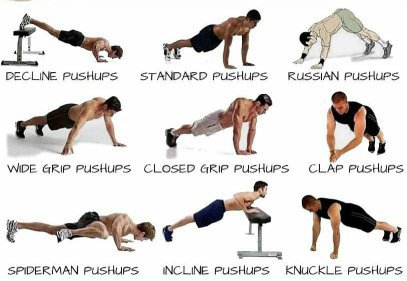
Push-ups are the classic go-to for chest workouts. But did you know there are many variations that target different parts of your pectorals?
- Wide-Grip Push-Ups:Spread your hands wider than shoulder-width. This targets the outer pectorals.
- Diamond Push-Ups:Place your hands close together, forming a diamond shape. Feel the burn in your inner chest.
- Decline Push-Ups:Elevate your feet on a chair or a stair. It emphasizes the upper pectorals.
Each variation offers unique benefits. Challenge yourself to try them all. Which one will be your favorite?
Dips Using Chairs
Dips are another powerhouse for working the chest muscles. All you need are two sturdy chairs. Position them parallel to each other and use them as support for your dips.
Lower your body between the chairs until your elbows form a 90-degree angle. Push back up using your chest and triceps.
It’s amazing how much you can achieve with everyday furniture. Have you ever thought about how versatile your home can be?
Plank To Push-up
This exercise combines stability and strength, engaging your core while building your chest. Start in a plank position on your forearms.
One arm at a time, press up into a full push-up position. Return to the plank by lowering yourself back onto your forearms.
This move is not just a chest builder; it’s a full-body workout. Can you feel your muscles working together?
With these exercises, you’ll soon notice a transformation in your chest area. The best part is, you can do them anytime, anywhere. Ready to get started and see results?
Dumbbell Exercises For Chest
Dumbbell exercises offer an effective way to build pectoral muscles at home. Start with chest presses and flys to target different areas of the chest. Use proper form and gradually increase weight for best results.
Building strong pectoral muscles at home is not only possible but also incredibly effective when you use dumbbells. They are versatile, accessible, and can challenge your muscles in new ways. You don’t need a bench to make significant gains in your chest strength and size. Let’s dive into some dumbbell exercises that can transform your workout routine.
Dumbbell Bench Press Alternatives
Can’t access a bench? No problem. Try the floor press. Lie on your back with knees bent and feet flat on the floor. Hold a dumbbell in each hand, and keep your elbows at a 90-degree angle. Press the weights straight up until your arms are fully extended. Another alternative is the standing chest press. Hold the dumbbells at shoulder height with your palms facing out. Push the weights forward and together, engaging your chest muscles. It’s a fantastic way to activate your pecs without lying down.
Dumbbell Flys
Dumbbell flys are excellent for targeting the inner chest muscles. Lie flat on your back, with a dumbbell in each hand, arms extended above your chest. Slowly lower the dumbbells out to your sides, keeping a slight bend in your elbows. Feel the stretch across your chest before bringing the weights back up. This exercise is all about control. Focus on the mind-muscle connection to maximize effectiveness. Are you feeling the burn yet?
Dumbbell Pullover
The dumbbell pullover is an often-overlooked exercise that hits both your chest and back muscles. Lie on your back with a single dumbbell held with both hands. Start with the weight above your chest and lower it slowly behind your head. Bring it back to the starting position, feeling the stretch and contraction in your chest. This movement is powerful for expanding your chest cavity. It’s a favorite of those who want to add depth to their upper body. Have you tried this underutilized exercise yet? Incorporating these exercises into your routine can lead to noticeable improvements. The key is consistency and focusing on proper form. How will you challenge your chest muscles today?
Resistance Band Workouts
Build pectoral muscles at home using resistance bands. They offer a simple and effective workout, engaging chest muscles with varied tension. Easily adjustable, these bands cater to different fitness levels, ensuring a personalized workout experience.
Resistance Band Workouts are a fantastic way to build your pectoral muscles at home. They are affordable, portable, and offer versatile exercises that target your chest effectively. You don’t need a fancy gym membership to see results; just a simple set of resistance bands can make a significant difference.
Chest Press With Bands
The chest press with bands mimics the classic bench press movement. Secure your bands to a stable anchor point behind you, like a door or heavy furniture. Stand facing away from the anchor, holding a band in each hand. Push the bands forward, keeping your elbows slightly bent. Feel the tension in your chest as you extend your arms. Repeat for 10-15 reps. This exercise builds strength and enhances muscle definition.
Band Flys
Band flys are perfect for targeting the inner chest muscles. With your bands anchored, stand facing the anchor point. Hold the bands with your arms outstretched at shoulder height. Bring your hands together in front of you, squeezing your chest muscles. Slowly return to the starting position. Aim for 10-12 reps. This workout provides a great stretch and challenges your chest stability.
Standing Chest Press
The standing chest press adds a dynamic twist to the usual chest press. Anchor your bands at chest height. Stand facing the anchor with one foot forward and one back, creating a stable base. Press the bands forward, engaging your core and chest. Maintain control and balance throughout the movement. Perform 12-15 reps. This exercise not only targets your pectorals but also enhances core strength. Have you ever felt the burn in your chest after a good resistance band workout? It’s a satisfying reminder that you’re building muscle right at home. Why not challenge yourself with these exercises and track your progress?
Creating A Balanced Routine
Building pectoral muscles at home requires a well-rounded approach. A balanced routine ensures all areas of the chest are targeted. This helps in achieving symmetrical growth and strength. It also reduces the risk of injury. Let’s explore how to create a balanced routine.
Combining Different Exercises
Variety in exercises is key. Push-ups are great for overall chest development. Try wide push-ups for the outer pectorals. Narrow push-ups focus on the inner chest. Use resistance bands for added challenge. Chest flys with dumbbells target the pectorals effectively. Incorporating various exercises keeps the routine dynamic.
Setting Weekly Goals
Set clear, achievable goals each week. Decide how many sessions to complete. Track repetitions and sets for each exercise. Aim for gradual progress. Increase intensity as strength builds. This keeps motivation high and progress steady.
Ensuring Proper Rest
Rest is as important as exercise. Muscles need time to repair and grow. Aim for at least one rest day between workouts. This prevents overtraining and reduces fatigue. Quality sleep aids recovery and performance. A balanced routine includes rest as a vital component.
Nutrition For Muscle Growth
Building pectoral muscles at home requires a balanced diet rich in protein and healthy fats. Focus on lean meats, nuts, and beans to fuel muscle growth. Proper nutrition supports effective workouts and enhances strength development.
Building pectoral muscles at home requires more than just a solid workout plan; it demands attention to what fuels your body. Nutrition plays a critical role in muscle growth. It’s not just about eating more but eating smart. The right foods can optimize your workouts and speed up recovery. Let’s dive into the essentials of nutrition for muscle growth, ensuring you’re on the right track to achieving those impressive pecs.
Protein-rich Foods
Protein is essential for muscle growth and repair. Your muscles need it to recover and grow stronger after workouts. Think of it as the building blocks for your pecs. Consider adding lean meats like chicken or turkey to your meals. Fish such as salmon is also a great option, providing omega-3s alongside protein. For vegetarians, beans, lentils, and chickpeas are excellent choices. Eggs are another powerhouse, offering complete protein and healthy fats. Greek yogurt and cottage cheese can also be your allies, being both protein-rich and easy to include in breakfast or snacks.
Importance Of Carbohydrates
Carbohydrates are your body’s primary energy source. They fuel your workouts and help replenish your energy stores afterward. Without them, you might find yourself feeling sluggish during a workout. Whole grains like brown rice, quinoa, and oats are excellent sources. They provide sustained energy, keeping your blood sugar stable. Fruits and vegetables shouldn’t be overlooked either. They not only offer carbs but also vital vitamins and minerals. Sweet potatoes, bananas, and berries can be a delicious addition to your diet.
Hydration And Supplements
Staying hydrated is crucial for muscle performance and recovery. Dehydration can lead to fatigue and hamper your progress. So, drink water consistently throughout the day. Consider having a water bottle handy during workouts. Hydration is not just about water; electrolytes are also important. Coconut water or sports drinks can help replenish these after intense sessions. Supplements can offer an additional boost. Whey protein, for instance, is convenient post-workout. Creatine is another popular choice, known to enhance strength and performance. Are you paying attention to your nutrition? Adjusting your diet could be the game-changer in your muscle-building journey. By focusing on these nutritional aspects, you’re setting the stage for stronger, more defined pectoral muscles.
Tracking Progress And Adjustments
Building pectoral muscles at home requires dedication and consistency. Tracking progress ensures you stay on the right path. It provides motivation and highlights areas needing improvement. Making necessary adjustments is crucial for continued growth and avoiding stagnation.
Keeping A Workout Journal
A workout journal is essential for tracking progress. Record each exercise, set, and repetition. Note the weights used and any difficulties faced. This helps identify patterns and improvements over time. Regularly reviewing your journal keeps you focused on your goals.
Recognizing Plateaus
Plateaus occur when progress stalls despite consistent effort. They can be frustrating. Recognizing them early is key to overcoming them. Look for signs like unchanged strength or lack of muscle growth. Awareness allows for timely interventions.
Adjusting Intensity And Variations
Adjusting workout intensity can break through plateaus. Increase weights or repetitions to challenge muscles. Introduce variations to keep workouts interesting. Try different push-up styles or resistance band exercises. This keeps muscles engaged and promotes growth.
Frequently Asked Questions
What Is The Fastest Way To Build Pectoral Muscles?
Focus on compound exercises like bench press and push-ups. Increase weight progressively for muscle growth. Ensure proper form and consistency. Include rest days for muscle recovery. Maintain a protein-rich diet for optimal results.
Can You Build Pecs At Home?
Yes, you can build pecs at home. Use bodyweight exercises like push-ups, dips, and chest presses. Consistent workouts and proper form are essential. Incorporate variations to target different muscle areas. Ensure a balanced diet for muscle growth. Rest is crucial for recovery and muscle development.
How Long Will It Take To Build Pecs?
Building pecs typically takes 8-12 weeks with consistent exercise and proper nutrition. Progress varies per individual. Strength training and a protein-rich diet support muscle growth. Stay motivated and track your progress for the best results.
How Do I Get My Pecs To Pop?
Focus on chest workouts like bench presses, push-ups, and dumbbell flyes. Ensure proper form and progressive overload. Maintain a balanced diet with enough protein for muscle growth. Rest adequately between workouts. Consistency is key for noticeable results.
Conclusion
Building pectoral muscles at home is doable with consistency. Start with basic exercises. Push-ups and chest presses are excellent choices. Use household items as weights if needed. Gradually increase intensity as strength builds. Stay patient and committed. Results take time but will come.
Pair exercises with a balanced diet. Protein-rich foods support muscle growth. Hydration is crucial, so drink plenty of water. Remember to rest and recover. Muscles grow during recovery periods. Tracking progress motivates and keeps you on track. Celebrate small milestones.
Keep focused on your goals. Enjoy the journey to stronger pectoral muscles.








