Affiliate Disclosure: This post may contain affiliate links. If you purchase through links on our site, we may earn an affiliate commission at no extra cost to you.
Are you tired of working hard at the gym only to feel like you’re gaining more fat than muscle? You’re not alone.
Many people face the challenge of trying to build muscle while keeping unwanted fat at bay. The good news? There are proven strategies that can help you achieve your fitness goals without the frustration. Imagine looking in the mirror and seeing a lean, strong body that you’re proud of.
It’s entirely possible, and you’re about to discover how. You’ll learn the essential tips and tricks to build muscle effectively while minimizing fat gain. Get ready to transform your body and boost your confidence. Keep reading, because your path to a fitter you starts here.
Nutrition Essentials
Building muscle without gaining fat requires attention to nutrition. It’s not just about lifting weights. Eating the right foods fuels your progress. Nutrition plays a critical role in muscle growth and fat management. Understanding nutrition essentials helps you achieve your fitness goals.
Balanced Macronutrients
Macronutrients include proteins, fats, and carbohydrates. Balance them to support muscle growth. Each macronutrient serves a purpose. Proteins build and repair muscles. Carbohydrates provide energy. Fats support overall health. Eating balanced meals helps maintain energy and muscle health.
Protein Intake Strategies
Protein is crucial for muscle development. Consume protein-rich foods like chicken, fish, and beans. Aim for a consistent intake throughout the day. Spread protein across meals to support muscle repair. Protein shakes can supplement your intake. Choose lean proteins to avoid excess fat.
Healthy Fats And Carbs
Fats and carbs are important energy sources. Healthy fats support hormone production. Include sources like avocados, nuts, and olive oil. Carbs fuel your workouts and daily activities. Opt for whole grains, fruits, and vegetables. Avoid processed carbs and unhealthy fats. This balance helps you build muscle effectively.
Effective Workout Plans
Building muscle without adding fat is a goal many strive for. It requires a balanced approach, combining effective workout plans with smart nutritional choices. In this section, we’ll explore how to tailor your workouts to maximize muscle gain while minimizing fat accumulation. By understanding the basics of strength training, the role of cardio, and the importance of rest and recovery, you’ll be on the right path to achieving your fitness goals.
Strength Training Basics
Strength training is your cornerstone for muscle growth. Focus on compound exercises like squats, deadlifts, and bench presses. These exercises target multiple muscle groups, giving you more bang for your buck.
Start with a weight that’s challenging but allows you to maintain proper form. Gradually increase the weight as you become stronger. Tracking your progress is key; keep a journal to monitor your sets, reps, and weights.
Consider this: are you pushing yourself enough? Often, people underestimate their abilities. Challenge yourself, but never compromise form for heavier weights. This balance is crucial.
Incorporating Cardio
Cardio is essential, not just for heart health, but for maintaining a lean physique. However, too much can hinder muscle growth. Balance is vital.
Include short, intense bursts like HIIT (High-Intensity Interval Training) to boost metabolism without overdoing it. These sessions can be as short as 15 minutes but are highly effective.
Think about your goals. Do you want endurance or fat loss? Tailor your cardio sessions accordingly. This targeted approach helps keep your focus sharp and results visible.
Rest And Recovery Importance
Muscle growth happens during rest, not while you’re lifting weights. Ensure you give your body time to recover. This means quality sleep and rest days.
Aim for at least 7-8 hours of sleep per night. Your muscles repair and grow during this time. Feeling tired or sluggish during workouts? It might be a sign you’re not resting enough.
Recovery days are equally important. They prevent injury and improve performance. Ask yourself, are you respecting your body’s need for downtime? Sometimes stepping back is the best step forward.
By structuring your workouts around these principles, you can effectively build muscle without the unwanted fat. Remember, consistency and balance are your allies in this journey.
Lifestyle Adjustments
Building muscle without gaining fat requires strategic lifestyle adjustments. These changes enhance muscle growth and minimize fat accumulation. Focus on quality sleep, effective stress management, and maintaining consistency. These elements are crucial for achieving fitness goals without unwanted weight gain.
Sleep And Muscle Growth
Quality sleep is vital for muscle development. During sleep, your body repairs and rebuilds muscle tissues. Aim for seven to nine hours of restful sleep each night. This ensures optimal hormone balance and muscle recovery. Create a calming bedtime routine to improve sleep quality. Avoid screens before bed and keep your sleeping environment cool and dark.
Stress Management Techniques
Stress can hinder muscle growth. High stress levels increase cortisol, which breaks down muscle tissue. Practice stress management techniques to keep cortisol in check. Meditation, deep breathing, and regular exercise can reduce stress. Prioritize activities that calm your mind and help maintain focus on fitness goals.
Consistency And Patience
Consistency is key to muscle building success. Stick to a routine that includes regular workouts and balanced nutrition. Adjust your plan as needed but avoid frequent changes. Patience is essential; muscle growth takes time. Progress may seem slow, but results will come with persistent effort. Celebrate small victories and keep pushing forward.
Credit: ericrobertsfitness.com
Monitoring Progress
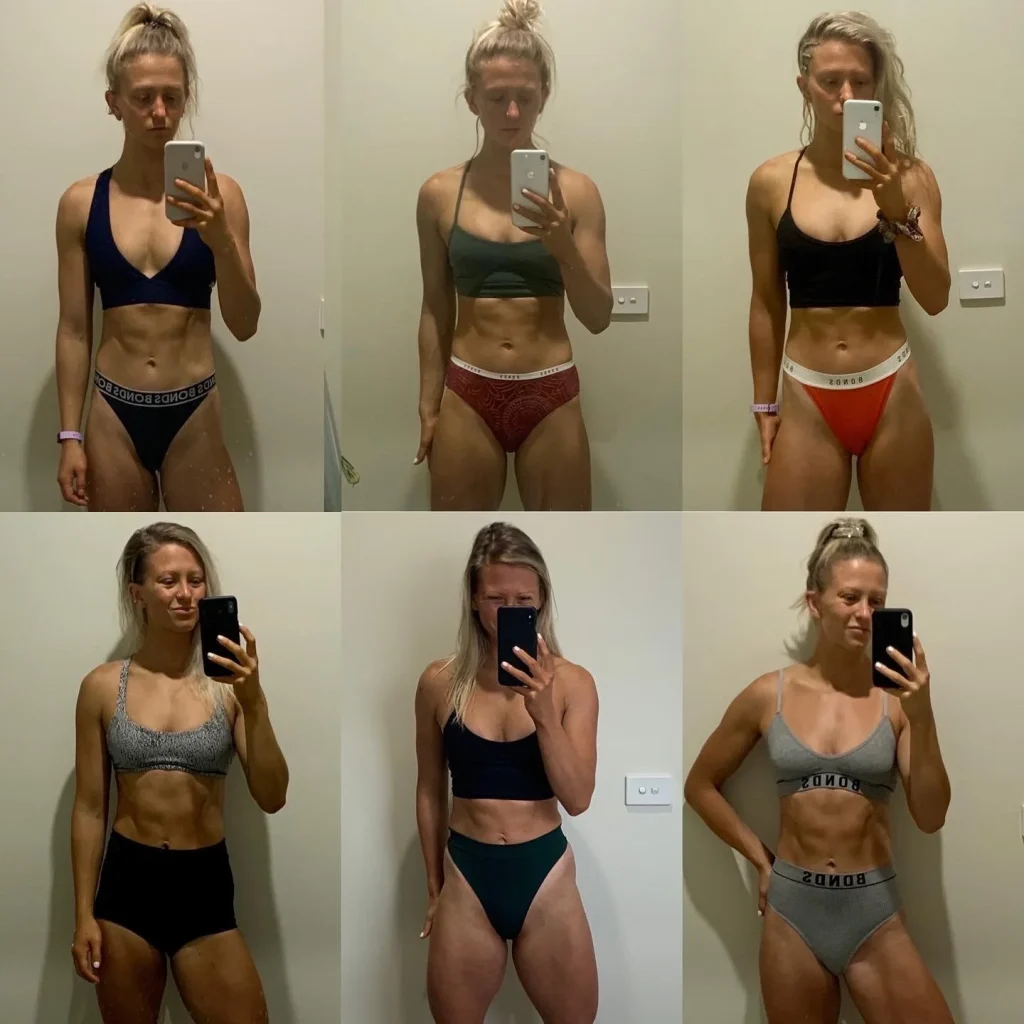
Monitoring your progress is crucial when you’re aiming to build muscle without adding fat. It’s not just about lifting weights or following a diet; it’s about understanding how your body responds and making necessary adjustments. Keeping track helps you stay motivated and ensures that your efforts are paying off.
Tracking Measurements
How do you know if you’re gaining muscle or just fat? Start by measuring specific areas of your body. Record your weight, body fat percentage, and muscle mass regularly. Use a tape measure for areas like your arms, chest, and thighs. These numbers will give you a clear picture of your progress.
Consider keeping a journal or using a fitness app. This helps you spot trends and patterns. Maybe your arms are getting bigger, but your waist isn’t shrinking. Tracking these details helps you tweak your plan effectively.
Adjusting Diet And Exercise
Your diet and workout plan are not set in stone. Based on your measurements, you might need to adjust your calorie intake or exercise routine. If you’re gaining fat, try reducing carbs and increasing protein. This can help your muscles grow without adding unwanted fat.
Are your workouts feeling less challenging? You might need to increase weights or add more reps. Your body adapts, so changing your routine is essential to keep growing. Small tweaks can make a big difference over time.
Celebrating Milestones
Reaching your goals feels amazing, but celebrating smaller wins is equally important. Did you manage to lift heavier weights this week? Or perhaps your body fat percentage dropped a bit? Celebrate these milestones to keep your motivation high.
Share your achievements with friends or on social media. It’s not just about bragging; it’s about recognizing your hard work. These celebrations can boost your confidence and encourage you to push further.
What milestones will you celebrate next? Reflect on your progress and set new goals. Keeping an eye on your achievements keeps you focused and inspired. Monitoring is not just a task; it’s a journey toward your best self.
Common Mistakes To Avoid
Building muscle without gaining excess fat requires strategic planning. Many people unknowingly make mistakes that hinder their progress. Understanding these common pitfalls is crucial for effective muscle growth.
Overtraining Risks
Exercising too much can harm your body. Muscles need time to recover and grow. Excessive workouts lead to fatigue and injuries. Balance your workout routine to prevent overtraining.
Ignoring Nutrition
Nutrition plays a key role in muscle development. Eating the wrong foods can add unwanted fat. Focus on protein-rich meals and healthy fats. Don’t forget vitamins and minerals for overall health.
Unrealistic Expectations
Expecting fast results can be discouraging. Muscle growth takes time and consistency. Set achievable goals and celebrate small victories. Patience is vital for long-term success.
Frequently Asked Questions
How To Gain Muscle But Not Fat?
Focus on strength training exercises to build muscle. Eat a balanced diet with high protein and moderate carbs. Monitor calorie intake to ensure a slight surplus. Prioritize healthy fats and avoid processed foods. Stay hydrated and get enough rest for recovery.
Can I Build Muscle And Lose Fat At The Same Time?
Yes, you can build muscle and lose fat simultaneously. Focus on strength training, consume adequate protein, and maintain a moderate calorie deficit. Prioritize compound exercises and ensure proper recovery. This approach helps in achieving both goals effectively.
Is It Possible To Grow Muscle Without Weight?
Yes, growing muscle without weights is possible. Use bodyweight exercises like push-ups, squats, and planks. Incorporate resistance bands for added challenge. Maintain proper form and gradually increase intensity for effective results. Consistency and a balanced diet will support muscle growth without weights.
Can I Be Skinny And Gain Muscle?
Yes, you can be skinny and gain muscle. Focus on strength training and a protein-rich diet. Consistency and proper rest are crucial. Track progress and adjust your routine. Stay hydrated and manage stress for optimal results.
Conclusion
Building muscle, not fat, requires focus and dedication. Start with a balanced diet. Choose whole foods over processed ones. Combine strength training with cardio. Lift weights regularly. Aim for gradual progress, not quick results. Stay hydrated to support recovery. Listen to your body’s signals.
Rest is crucial for muscle growth. Track your progress and adjust as needed. Celebrate small victories. Consistency is key in achieving your goals. Avoid shortcuts or drastic measures. With patience and effort, you can build muscle effectively. Stay committed to your journey.
Remember, healthy habits lead to lasting results.








