Affiliate Disclosure: This post may contain affiliate links. If you purchase through links on our site, we may earn an affiliate commission at no extra cost to you.
Are you tired of feeling like your legs aren’t living up to their full potential? You’re not alone.
Many people struggle with building muscle in their legs, often feeling frustrated and unsure of where to start. Whether you’re looking to power up your athletic performance, enhance your physique, or simply feel more confident in your shorts, understanding how to effectively build muscle in your legs can be a game-changer.
You’ll discover simple yet powerful strategies that can transform your leg workouts from average to extraordinary. Imagine the confidence boost as you notice your legs getting stronger and more defined with each step. Ready to unlock the secrets to powerful, muscular legs? Let’s dive in and get started!
Understanding Muscle Anatomy
Building leg muscles requires understanding how different muscles work together. Focus on exercises like squats and lunges. They target quadriceps, hamstrings, and calves, promoting balanced growth.
Understanding the anatomy of your leg muscles can be the key to building strength and achieving those toned legs you’ve always wanted. Knowing how your muscles work helps you tailor your workouts for maximum gains. This awareness ensures that you’re not just going through the motions, but making each exercise count.
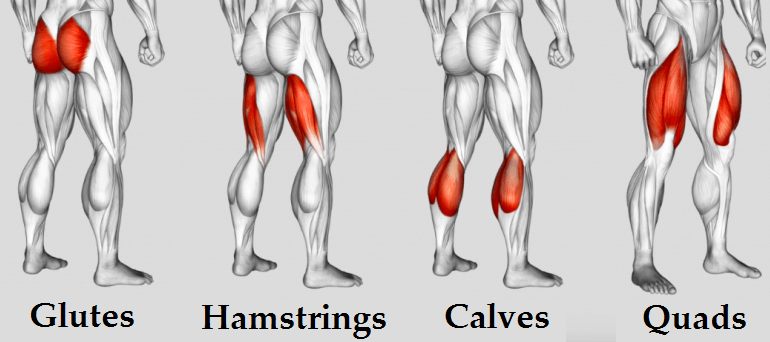
Major Muscle Groups In The Legs
Your legs are powered by some of the biggest muscles in your body. Let’s break it down: – Quadriceps: These are the large muscles at the front of your thighs. They help you straighten your knee and are crucial for activities like squats and running. – Hamstrings: Located at the back of your thigh, these muscles allow you to bend your knee and extend your hip. They’re essential for activities like sprinting and jumping. – Calves: Found at the back of your lower leg, calves are responsible for lifting your heel. They play a key role in walking and running. – Glutes: While technically part of your hips, your glutes are essential for leg power. They’re involved in almost every lower body movement. Have you noticed which muscle group tires out first when you’re climbing stairs? That’s your body signaling where you might need more focus.
Function And Importance Of Leg Muscles
Leg muscles are not just for show—they’re vital for everyday activities. They support your weight and help with movement, balance, and stability. Strong leg muscles can improve your posture and reduce the risk of injury. Consider how you feel after a long day on your feet. If your legs are sore or tired, it might be a sign that they need more strength and conditioning. Building muscle in your legs isn’t just about aesthetics. It’s about enhancing your overall health and performance. Strong legs can even boost your confidence, knowing you have the power to take on physical challenges with ease. Are you ready to strengthen your leg muscles and redefine your limits? Understanding their anatomy is your first step toward that goal. Let’s get moving!
Effective Leg Workouts
Building muscle in your legs requires effective workouts. Strong legs support your body and improve athletic performance. Choosing the right exercises is essential for balanced growth. Focus on compound and isolation exercises for complete leg development.
Compound Exercises For Leg Development
Compound exercises engage multiple muscle groups. Squats are a staple for leg building. They target quadriceps, hamstrings, and glutes. Lunges also offer comprehensive leg engagement. They improve balance and coordination. Deadlifts work the entire lower body. They enhance strength and power. Incorporate these exercises for overall leg strength.
Isolation Exercises For Targeted Growth
Isolation exercises focus on specific muscles. Leg curls target the hamstrings. They help in defining and strengthening. Calf raises isolate the calf muscles. They are crucial for lower leg development. Leg extensions focus on quadriceps. They enhance muscle definition and growth. Use these exercises for targeted leg improvements.
Optimal Training Frequency
Building muscle in your legs requires understanding the best training frequency. Muscles grow with a balance of exercise and rest. Too much or too little can hinder progress. Finding the right frequency is key. It helps maximize muscle growth and strength.
Balancing Volume And Intensity
Volume refers to the amount of work your legs do. Intensity is how hard they work. Both play crucial roles in muscle building. High volume without enough intensity won’t stimulate growth. Too much intensity can lead to fatigue or injury. Aim for a balance that challenges muscles without overworking them.
Consider starting with moderate volume and intensity. Progressively increase as your legs adapt. Listen to your body. Adjust based on how your muscles feel and respond.
Recovery And Rest Days
Muscles need time to recover after workouts. Recovery is when muscles repair and grow. Skipping rest days can lead to overtraining and setbacks. Schedule rest days to allow muscles to heal. They help prevent injuries and improve performance.
Active recovery like walking or stretching aids in muscle relaxation. It keeps blood flowing without straining the legs. Ensure your rest days are truly restful. Avoid intense activities that could strain your muscles.
Proper rest and recovery optimize training results. They are as important as the workouts themselves.
Credit: kbmuscle.com
Nutrition For Muscle Growth
Building muscle in your legs demands more than just exercise. Nutrition plays a crucial role in muscle growth. Proper nutrition fuels your workouts and helps in recovery. It ensures you have the energy for intense leg exercises. Eating the right foods can make your muscles stronger and bigger.
Protein Requirements For Leg Muscles
Protein is vital for muscle repair and growth. Your leg muscles need protein to recover after workouts. Aim for about 1 to 1.5 grams of protein per kilogram of body weight daily. Chicken, fish, and eggs are great protein sources. Plant-based options like beans and lentils can also help meet your protein needs.
Importance Of Carbohydrates And Fats
Carbohydrates provide energy for workouts. They help fuel your leg muscles. Include whole grains, fruits, and vegetables in your diet. Carbs replenish your energy after exercise. Fats are essential for hormone production. Healthy fats like avocados and nuts support muscle growth. Balance is key in your diet.
Supplementation For Leg Gains
Building muscle in your legs requires the right supplementation alongside a balanced diet and exercise. Protein powders, creatine, and branched-chain amino acids can support muscle growth. Pair these supplements with strength training exercises like squats and lunges for effective results.
Building muscle in your legs requires dedication and strategic planning. While regular workouts are essential, supplementation can play a pivotal role in your journey to stronger legs. Supplements can provide nutrients that might be hard to get from food alone, supporting muscle growth and recovery. But how do you choose the right ones?
Popular Supplements For Muscle Building
Consider adding protein powders to your diet. They help repair and grow muscles after intense leg workouts. Whey protein is popular for its fast absorption, making it ideal post-exercise. Creatine is another supplement that boosts energy levels during workouts, allowing you to push harder and lift heavier. You might notice improved strength and endurance in your squats and lunges. For a holistic approach, some opt for branched-chain amino acids (BCAAs). They support muscle recovery and reduce soreness, so you can hit your leg days with full intensity.
Timing And Dosage Recommendations
Timing is everything when it comes to supplements. Protein is best consumed within 30 minutes after your workout. This is when your muscles crave nutrients the most. For creatine, a daily dose of 3-5 grams is typically recommended. Loading phases might involve higher doses initially, but consult a trainer or nutritionist for personalized advice. BCAAs can be taken before, during, or after workouts. A common dosage is 5-10 grams, depending on your intensity level. Do you think you’re getting the most out of your supplements? Adjusting your timing and dosage could make all the difference in your leg gains. Supplementation is not a one-size-fits-all solution. Understanding how each supplement works can help you tailor your approach, ensuring you achieve those leg gains you’ve been dreaming of.
Common Mistakes To Avoid
Building muscle in your legs requires dedication and knowledge. Many people make common mistakes that hinder progress. Avoiding these errors can help you achieve better results and prevent injuries. Let’s look at some frequent pitfalls in leg muscle building.
Overtraining And Its Effects
Overtraining your legs can lead to fatigue and injury. Muscles need time to recover and grow. Working them too hard without rest reduces effectiveness. Aim for balance in your workout routine. Include rest days to let your muscles heal. Listen to your body and adjust your workouts if you feel worn out.
Neglecting Warm-up And Cool-down
Skipping warm-up and cool-down exercises is a common mistake. Warm-ups prepare your muscles for exercise. They increase blood flow and reduce the risk of injury. Spend at least 5-10 minutes warming up with light activities. Stretching and walking are good warm-up options.
Cool-downs help your body return to normal after exercise. They reduce muscle stiffness and soreness. Take 5-10 minutes to cool down with gentle stretching. This helps maintain flexibility and muscle health.
Tracking Progress
Tracking progress is vital for building muscle in your legs. It helps you stay motivated and see improvements over time. Regularly checking your progress ensures you’re on the right path. It also helps in adjusting your routine if needed. Let’s dive into how you can effectively track your leg muscle growth.
Measuring Strength Gains
Strength gains show your muscles are getting stronger. Track how much weight you lift in exercises like squats and lunges. Write down the number of sets and reps you complete. Increase your weights gradually. This shows you’re making progress. Consistency is key. Keep a workout journal for accurate tracking. Seeing your progress can boost your confidence.
Assessing Muscle Hypertrophy
Muscle hypertrophy refers to muscle size increase. Use a tape measure to check your leg measurements. Measure your thighs and calves regularly. Take photos to see visual changes over time. Wear the same clothes for accurate comparison. Keep track of your measurements in a log. This helps in noticing even small gains. Visual progress can be inspiring and keeps you motivated.
Frequently Asked Questions
How To Gain Leg Muscle Fast?
To gain leg muscle fast, focus on compound exercises like squats and lunges. Increase workout intensity with heavier weights. Incorporate protein-rich foods to support muscle growth. Ensure adequate rest and recovery between workouts. Consistency in training is key for rapid muscle development.
How Quickly Can I Build Muscle In My Legs?
Building muscle in your legs can take 4-12 weeks with consistent strength training and proper nutrition. Focus on exercises like squats, lunges, and deadlifts. Ensure adequate protein intake and recovery time. Results vary based on genetics, workout intensity, and diet.
Consult a trainer for personalized guidance.
Can Skinny Legs Gain Muscle?
Yes, skinny legs can gain muscle through strength training and proper nutrition. Focus on exercises like squats and lunges. Consuming enough protein and calories supports muscle growth. Consistency in workouts and diet is key for building muscle mass in legs.
Will 100 Squats A Day Make My Legs Bigger?
Yes, 100 squats daily can increase leg size by building muscle. Consistency and proper nutrition are key. Results vary based on individual fitness levels.
Conclusion
Building strong leg muscles takes time and effort. Start with simple exercises. Squats and lunges work well. Increase weight gradually. Mix strength training with cardio. Eat protein-rich foods. Stay hydrated. Rest and recover for muscle growth. Consistency is key. Track your progress and adjust your routine.
Celebrate small wins and stay motivated. Keep learning about your body. Listen to it carefully. Your dedication will pay off. Strong legs improve balance and endurance. Enjoy the journey. Aim for a healthy lifestyle. Support your leg strength with good habits.








