Affiliate Disclosure: This post may contain affiliate links. If you purchase through links on our site, we may earn an affiliate commission at no extra cost to you.
Are you determined to build muscle and transform your physique? Understanding the right protein to carb ratio can be your secret weapon.
Imagine fueling your workouts with the perfect balance of nutrients, ensuring every rep counts. You might wonder, is there a magic formula for success? The truth is, getting the right mix of protein and carbs is crucial for muscle growth and recovery.
As you delve deeper into this article, you’ll uncover insights that can redefine your fitness journey. So, get ready to discover how tweaking your diet can lead to impressive gains, and feel empowered to achieve the results you’ve always desired.
Importance Of Protein And Carbs
Protein and carbohydrates play essential roles in muscle growth. They provide the energy and building blocks needed for muscle repair and development. Understanding their importance helps in creating a balanced diet plan. This aids in achieving muscle-building goals effectively.
Role In Muscle Building
Protein repairs and builds muscle tissue. It provides amino acids, which are the building blocks of muscles. Consuming enough protein supports muscle recovery after workouts. Carbohydrates supply the energy needed for intense workouts. They replenish glycogen stores, preventing fatigue during exercise. Together, they optimize muscle growth and recovery.
Nutritional Basics
A balanced diet with the right protein and carb ratio is key. Protein sources include lean meats, eggs, and legumes. Carbohydrates come from fruits, vegetables, and whole grains. Combining these ensures a steady energy supply. This supports muscle repair and growth. Monitoring the ratio helps in achieving fitness goals.
Credit: bonytobeastly.com
Ideal Protein To Carb Ratio
Finding the ideal protein to carb ratio is crucial for building muscle effectively. You might wonder why this balance matters so much. The right ratio can power your workouts and enhance recovery, helping you get closer to your muscle-building goals. But what is this magic number? Let’s break it down.
Factors To Consider
Several factors influence the protein to carb ratio that’s best for you. Your activity level is key. If you’re a regular gym-goer, your body may require more protein to repair and grow muscle.
Your age and gender also play a role. Younger individuals often need more protein for growth, while men generally require more than women due to muscle mass differences.
Consider your workout intensity. A high-intensity regime demands more carbs to fuel energy, while lighter workouts might not.
Common Recommendations
Experts often suggest a protein to carb ratio of 1:2. This means for every gram of protein, you consume two grams of carbs. This balance helps maintain energy while supporting muscle repair.
For those focused on muscle gain, a 2:3 ratio might be more effective. It provides extra carbohydrates, crucial for those intense lifting sessions.
Personal story: When I started lifting weights, I realized my energy levels were dropping. Switching to a 1:2 ratio gave me the boost I needed, and my muscle growth improved noticeably.
Have you ever felt drained after a workout? Adjusting your protein to carb ratio might be the missing link.
Remember, there’s no one-size-fits-all approach. Your unique needs should guide your choices. Experiment with different ratios and listen to your body. Tracking your progress can reveal the best balance for you.
Protein Sources For Muscle Growth
Building muscle requires more than just hitting the gym. Your diet plays a crucial role, especially the protein to carb ratio. It’s not just about quantity but quality. Choosing the right protein sources can dramatically impact your muscle growth. Let’s explore some smart choices to boost your gains.
Animal-based Options
Animal-based proteins are often hailed as the best for muscle growth. They offer complete proteins, meaning they contain all essential amino acids your body needs. Think of chicken breast, lean beef, or fish as key players in your diet.
Consider adding eggs. They’re versatile and packed with nutrients. Remember, even Greek yogurt can be a game-changer. It’s high in protein and can be a tasty addition to your meals.
Have you ever noticed how professional athletes often include these in their diet? They’re on to something. If you want to maximize your muscle-building potential, these animal-based proteins are your allies.
Plant-based Alternatives
Don’t worry if you prefer plant-based sources. You can still achieve impressive muscle growth. Lentils, chickpeas, and quinoa are excellent choices, providing a good protein punch.
Try tofu or tempeh. They’re not only rich in protein but also easy to prepare. Plus, they absorb flavors well, making your meals delicious. Add some variety with nuts and seeds, which also contribute healthy fats.
Ever thought of combining different plant proteins? This can enhance their value. Mixing rice and beans, for instance, creates a complete protein. How can you adjust your meals to include these powerful plant-based options?
Whether you choose animal or plant-based sources, focus on balance. Your protein to carb ratio should support your goals. What changes can you make today to improve your muscle-building journey?
Carbohydrate Sources For Energy
Balancing protein and carb intake is key for muscle growth. Carbohydrate-rich foods like oats and rice provide energy. Aim for a harmonious protein to carb ratio to fuel workouts and support muscle recovery.
Carbohydrate Sources for Energy When you’re aiming to build muscle, understanding your carbohydrate sources is crucial. Carbs are your body’s primary energy source, especially during intense workouts. They fuel your muscles, allowing you to push harder and longer.
Complex Vs. Simple Carbs
Not all carbs are created equal. Complex carbs, like brown rice and oats, digest slowly, providing a steady energy release. This means you can power through a gym session without crashing. Simple carbs, found in foods like white bread and sugary snacks, provide a quick energy boost. However, they’re often followed by a rapid drop in energy. Think about how you feel after a sugary snack—energized, then suddenly tired. Choosing the right type of carb at the right time can make or break your workout.
Best Choices For Athletes
For athletes, the best carb choices support sustained energy and recovery. Whole grains like quinoa, sweet potatoes, and legumes are fantastic for long-lasting energy. They also come packed with fiber and nutrients, which are essential for overall health. Fruits, such as bananas and berries, are excellent for a quick energy boost before or after exercise. They provide simple sugars plus vitamins and antioxidants. I once added a banana to my pre-workout routine and noticed an immediate difference in my endurance. Think about your daily diet. Are you getting enough complex carbs for sustained energy? Or are you relying too much on simple carbs, leading to energy slumps? Balancing your carb intake can significantly impact your performance and muscle-building efforts.
Timing And Meal Planning
Timing and meal planning play a crucial role in muscle building. Understanding when and what to eat enhances protein to carb ratios. This aids muscle growth and recovery. Proper timing ensures nutrients are available when your body needs them most. Planning meals around workouts maximizes their effectiveness.
Pre-workout Nutrition
Fueling your body before exercise is essential. A balanced meal provides energy and endurance. Include proteins and carbs in your pre-workout meal. This combination supports muscle performance and reduces fatigue. Ideally, eat 1-2 hours before exercising. Choose foods like chicken, brown rice, or yogurt with fruit.
Hydration also matters. Drink water to maintain hydration levels. It keeps your muscles functioning smoothly. Avoid heavy or greasy foods pre-workout. They may cause discomfort during exercise. Aim for light, nutrient-rich options instead.
Post-workout Recovery
Post-workout nutrition speeds up recovery. It replenishes energy and repairs muscles. Consuming protein and carbs within 30 minutes is beneficial. This timing is known as the anabolic window. It optimizes muscle repair and growth.
Consider a protein shake with a banana or a turkey sandwich. These options offer a good balance of protein and carbs. Rehydration is key after workouts. Water or sports drinks help restore lost fluids. Proper post-workout nutrition aids in reducing muscle soreness. It prepares your body for the next workout.
Balancing Macronutrients
Balancing protein and carbs is crucial for muscle growth. Focus on a higher protein intake compared to carbs. This helps repair muscle tissues and fuel workouts effectively.
Balancing macronutrients is crucial for anyone looking to build muscle. The right protein to carb ratio plays a significant role in muscle growth and recovery. It’s not just about eating more; it’s about eating smart. You need to consider how each macronutrient supports your goals. What works for someone else might not work for you. Let’s dive into how you can tailor your intake for maximum gains.
Adjusting For Goals
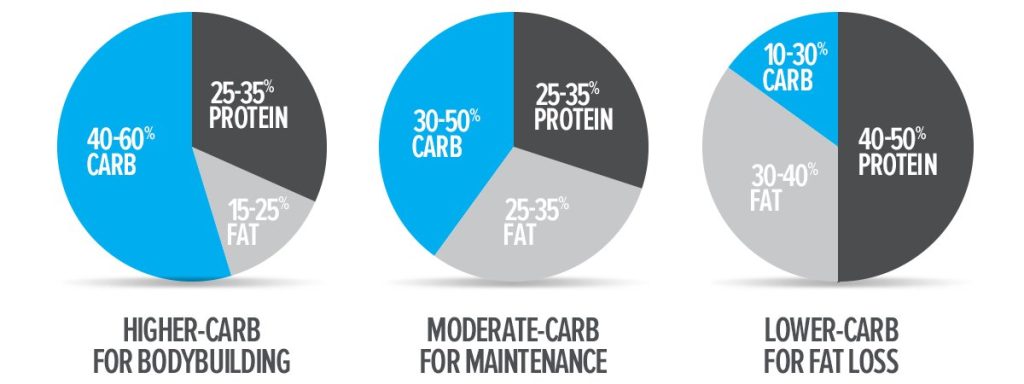
Your fitness goals determine your macronutrient needs. If you’re aiming to bulk up, a higher carb intake can fuel intense workouts. Carbs provide the energy needed to power through lifting sessions. In contrast, if you’re focused on cutting fat while maintaining muscle, a higher protein intake becomes crucial. Protein helps repair and build muscle tissue. Ask yourself: What is your primary goal? Adjust your protein to carb ratio accordingly.
Tracking And Monitoring
Keeping an eye on what you eat can make a huge difference. Have you ever tracked your macronutrient intake? Using apps like MyFitnessPal or Cronometer can simplify this process. They provide insights into your daily consumption. You can easily spot if you’re hitting your target ratios. Consistent tracking helps you understand what your body needs. It also allows you to make informed adjustments as you progress. Start by setting a baseline for your protein and carb intake. Then, observe how your body responds. Are you gaining the desired muscle mass? If not, tweak the ratios slightly. Regular monitoring ensures you stay on track. Remember, what you measure, you can manage. Balancing macronutrients might seem complex, but it’s about finding what works for you. How do you plan to balance your protein and carb intake?
Common Myths And Misconceptions
Building muscle often leads to many myths about protein and carbs. People hear advice from different sources and get confused. This section will clear up some of these common myths. Understanding the right balance is key to effective muscle building.
Debunking Protein Myths
Many believe more protein equals more muscle. This isn’t entirely true. The body can only use a certain amount of protein for muscle building. Excess protein doesn’t always turn into muscle. Instead, it may convert to fat or be excreted. It’s important to know how much protein you need. Listen to your body and adjust based on your needs.
Another myth is that protein shakes are necessary. While convenient, they aren’t always essential. Whole foods can provide enough protein for most people. Shakes should supplement a balanced diet, not replace meals.
Carb Myths Explained
Carbs are often seen as the enemy of fitness. Many think they should cut carbs to gain muscle. This is a misconception. Carbs provide energy needed for workouts. Without them, performance can suffer.
Some believe all carbs are bad for muscle building. Not true. Complex carbs, like whole grains, are beneficial. They release energy slowly and support sustained activity. Understanding the role of carbs helps in planning effective diets.
Carbs also play a role in recovery. After workouts, they help replenish energy stores. This aids in faster muscle recovery and growth.
Credit: shop.bodybuilding.com
Expert Tips For Muscle Gain
Building muscle requires a balanced diet. Protein and carbs play crucial roles. Understanding their ratio can maximize gains. Expert insights can guide your journey.
Advice From Nutritionists
Nutritionists emphasize protein for muscle repair. Carbs offer energy for workouts. A balanced ratio boosts muscle synthesis. Aim for a ratio of 1:2 protein to carbs. This balance supports muscle growth and recovery.
Include lean meats, eggs, and dairy for protein. Opt for whole grains and fruits for carbs. This approach fuels muscles and maintains energy levels. Adjust the ratio based on individual goals and activities.
Athlete Success Stories
Many athletes see results with tailored protein-carb ratios. A well-known sprinter improved performance by adjusting his diet. He focused on high protein post-workout meals. Carbs fueled his intense training sessions.
A bodybuilder shared his success story. He used a consistent protein intake to maintain muscle mass. His carb intake varied based on training intensity. This strategy ensured peak muscle growth and energy.
These stories highlight the importance of diet in muscle gain. Personalizing the ratio can lead to successful results. Listen to your body’s needs and adjust accordingly.
Frequently Asked Questions
What Is The Best Carb To Protein Ratio For Muscle Building?
Aim for a carb to protein ratio of 3:1 for muscle building. This balance supports energy and recovery. Adjust based on individual goals and activity level. Consuming quality carbs and protein enhances muscle growth and performance. Always consult a nutritionist for personalized advice.
What Is The 40 40 20 Rule For Macros?
The 40 40 20 rule for macros divides your daily calories into 40% carbohydrates, 40% protein, and 20% fats. This macro ratio aims to support balanced nutrition and maintain energy levels, often used by those looking to build muscle or maintain weight.
Adjust based on individual goals and needs.
How Many Carbs And Protein Per Day To Build Muscle?
Consume 1. 6-2. 2 grams of protein per kilogram of body weight daily. Aim for 4-7 grams of carbs per kilogram. Adjust based on activity level and goals. Prioritize whole foods for optimal results.
Should My Protein Be Higher Than My Carbs To Build Muscle?
Balancing protein and carbs is essential for muscle growth. Protein repairs muscles, while carbs provide energy. Aim for a diet with adequate protein and carbs tailored to your body and workout intensity. Typically, protein should be around 1. 6-2. 2 grams per kilogram of body weight.
Conclusion
Balancing protein and carbs is key for muscle growth. Protein builds and repairs muscles. Carbs provide energy for workouts. Both are essential in your diet. Aim for a balanced ratio. Listen to your body’s needs. Adjust based on activity level and goals.
Experiment to find what works best. Consult with a nutritionist if unsure. Eating right supports your muscle-building journey. Focus on nutritious sources. Stay consistent with your plan. Progress takes time, but results will come. Keep motivated and track your improvements.
Healthy eating complements your hard work in the gym.








