Affiliate Disclosure: This post may contain affiliate links. If you purchase through links on our site, we may earn an affiliate commission at no extra cost to you.
Have you ever stared at your plate, wondering if you’re getting enough protein to fuel your muscle-building goals? You’re not alone.
Many fitness enthusiasts are on a quest to find the perfect balance of nutrients to optimize their gains, but finding that sweet spot can be daunting. That’s where a protein calculator comes in handy. It simplifies the science, giving you a tailored protein intake that aligns with your personal fitness objectives.
Imagine having the confidence that you’re nourishing your muscles with exactly what they need, without guesswork or confusion. Stick around, and we’ll guide you through the process of determining just how much protein you should be consuming to maximize your muscle-building efforts. Your fitness journey might just get a whole lot easier.
Importance Of Protein For Muscle Growth
Understanding the importance of protein for muscle growth is crucial if you’re on a mission to build muscle. You might wonder why protein takes center stage in fitness discussions. Simply put, protein is the building block of muscles, and without enough of it, your muscle-building efforts may fall flat.
Why Protein Is Essential For Muscle Repair And Growth
Every time you work out, your muscles experience tiny tears. Protein helps repair these tears, making your muscles stronger and bigger. It’s a bit like patching up holes in a wall; without the right materials, the wall remains weak.
Consuming adequate protein ensures your body has the resources it needs to repair and build muscle tissue. If you skimp on protein, your recovery might slow down, affecting your progress. Remember the last time you pushed hard at the gym but felt sore for days? That might have been a sign your body needed more protein.
How Much Protein Do You Really Need?
Finding the right amount of protein can feel like a guessing game. But, it’s often recommended to consume around 1.6 to 2.2 grams of protein per kilogram of body weight for muscle growth. This range allows your body to repair and build effectively.
Your specific needs might vary based on your activity level and goals. A protein calculator can be a helpful tool to personalize your intake. But, are you tracking your protein intake regularly? Keeping a food journal can help you ensure you’re hitting your target.
Can You Overdo Protein?
While protein is vital, more isn’t always better. Consuming excessive amounts doesn’t necessarily speed up muscle growth. Your body can only use so much protein at a time, and the rest may just be extra calories.
It’s important to balance protein intake with other nutrients. Think about your last meal; was it balanced with carbs and fats too? A well-rounded diet supports overall health and optimal muscle growth.
Practical Tips For Increasing Protein Intake
- Start your day with a protein-rich breakfast. Consider eggs or Greek yogurt.
- Include a source of protein in every meal and snack.
- Experiment with protein shakes or bars if you struggle to meet your protein needs through food alone.
- Plan your meals ahead to avoid reaching for low-protein options when you’re hungry.
Think about your last grocery trip. Did you stock up on protein-rich foods? Having a variety of protein sources at home can make it easier to reach your goals.
Are you ready to take your muscle-building journey to the next level? Prioritize protein in your diet and see how it transforms your results.
Factors Influencing Protein Needs
Calculating protein needs for muscle building is not one-size-fits-all. Several factors determine the amount of protein you require. Understanding these can help tailor your diet for optimal muscle growth.
Age And Gender
Age affects how your body uses protein. Younger individuals often need more. Muscle repair and growth is quicker in youth. Gender also plays a role. Men generally need more protein than women. This is due to larger muscle mass and different hormonal profiles.
Activity Level
High activity demands more protein. Athletes and regular gym-goers need more than sedentary individuals. Protein supports muscle repair post-exercise. Intense training sessions increase your protein requirements. Consider this when planning your meals.
Body Composition Goals
Your goals influence protein intake. Aim to bulk up? You’ll need higher protein levels. Looking to maintain muscle while losing weight? Adjust your protein accordingly. Protein helps preserve muscle mass during calorie deficits. Tailor your protein consumption to your specific body goals.
Calculating Protein Intake
Understanding how much protein you need is key to building muscle. Protein intake plays a vital role in muscle growth and recovery. Many factors influence how much protein you should consume daily. From your weight to activity level, each aspect matters. Calculating protein intake helps tailor a plan that suits your needs.
Basic Calculation Methods
Start with your body weight. Multiply it by a standard factor to estimate protein needs. Commonly, 0.8 to 1 gram per pound is used. This method is simple and straightforward. It gives a rough estimate suitable for most people. Adjustments can be made based on individual goals.
Using Online Calculators
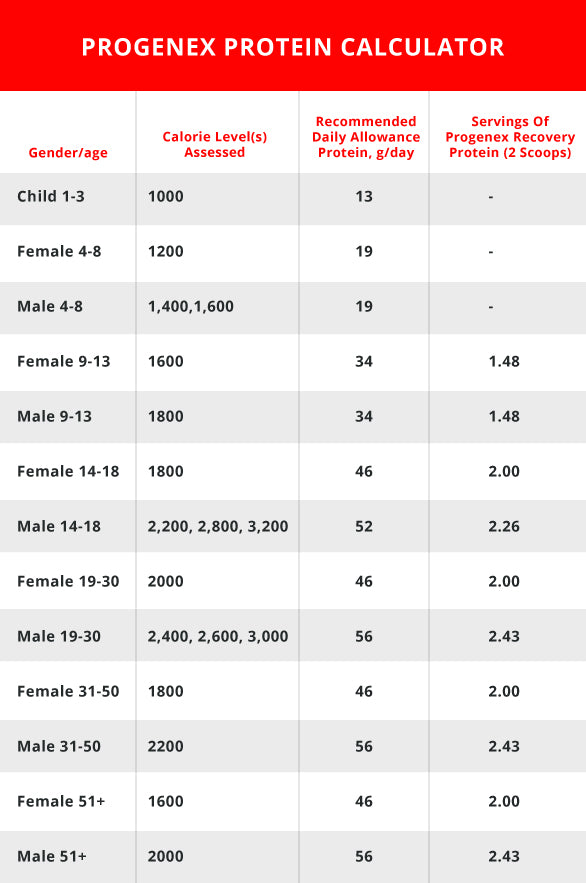
Online calculators provide a quick way to determine protein needs. Enter your weight, age, and activity level. These tools compute the protein required for muscle growth. They often suggest amounts based on scientific research. This approach is convenient and accessible for everyone.
Adjusting For Special Circumstances
Special conditions may require different protein calculations. Athletes might need more protein due to intense training. People with health issues might need adjustments too. Consider your lifestyle and health status. Customize your protein intake for optimal results. Consulting a nutritionist can help refine calculations.
Optimal Timing For Protein Consumption
Knowing how much protein to eat is crucial, but timing your protein intake can be just as important for muscle building. You might wonder, does it really make a difference when you eat your protein? Timing can optimize muscle growth and recovery, allowing you to get the most out of your workouts. Let’s dive into the best times to consume protein for muscle building.
Pre-workout Nutrition
Imagine gearing up for a workout with the right fuel in your system. Eating protein before exercising can provide the necessary amino acids to boost your performance and prevent muscle breakdown. Consider having a protein-rich snack, like a yogurt or a smoothie, 30 minutes before you hit the gym. This can help ensure your muscles are ready for action.
Timing is key. If you eat too early, the benefits might diminish; too late, and you might feel heavy during your workout. Experiment with different timings to find what feels best for you.
Post-workout Protein Needs
The golden window for protein intake is right after your workout. Your muscles are like sponges, ready to soak up nutrients for repair and growth. Consuming protein within 30 minutes to an hour post-exercise can maximize recovery and muscle synthesis. Think about a protein shake or a chicken breast meal as a quick post-workout fix.
Are you skipping this crucial step? Missing post-workout protein could mean missing out on gains. Make it a habit to prioritize this part of your routine.
Daily Protein Distribution
Spreading your protein intake throughout the day can lead to better muscle maintenance. Instead of packing all your protein into one meal, distribute it evenly across breakfast, lunch, and dinner. This strategy helps maintain a constant supply of amino acids to your muscles.
Consider this: your body can only use a limited amount of protein at once for muscle growth. By spreading it out, you ensure you’re always fueling your muscles effectively.
Have you tried balancing your protein throughout the day? It might be the missing piece in your muscle-building puzzle. Start with small adjustments and notice the difference in your energy and recovery.
Best Protein Sources
When aiming to build muscle, the right protein sources can make a significant difference. It’s essential to know where your protein comes from, as this impacts both your health and your muscle-building goals. Let’s dive into some of the best protein sources, ranging from animal-based options to plant-based alternatives and supplements. Each offers unique benefits, and understanding these can help you make informed choices for your diet.
Animal-based Proteins
Animal proteins are rich in essential amino acids, which are crucial for muscle repair and growth. Think about adding chicken, beef, or fish to your meals. They’re not just tasty; they pack a protein punch.
Eggs are another fantastic source. They’re affordable, easy to cook, and versatile. Plus, they offer high-quality protein that your body can easily use.
If dairy is part of your diet, milk and yogurt can be excellent choices. They provide protein and calcium, supporting muscle function and bone health.
Plant-based Alternatives
Plant-based proteins are gaining popularity, and for good reason. They can be just as effective for muscle building. Lentils and beans are great examples, offering protein and fiber.
Don’t overlook quinoa; it’s a complete protein, meaning it contains all essential amino acids. It’s also a great side dish or salad base.
Tofu and tempeh are versatile and can be used in a variety of dishes. They’re perfect for those following a vegetarian or vegan lifestyle.
Supplements And Shakes
Protein supplements can be a convenient way to meet your daily needs, especially when you’re on the go. Whey protein is popular for its fast absorption and effectiveness post-workout.
For those who prefer plant-based options, pea protein or hemp protein shakes can be a great alternative. They often blend well with fruits and greens.
But remember, supplements should complement your diet, not replace whole foods. Aim for a balanced approach to fuel your muscle growth.
Have you ever wondered if you’re choosing the right protein sources for your goals? Your choices can impact your progress. Are you ready to make informed decisions for better results?
Common Myths About Protein Intake
Many myths surround protein intake for muscle growth. These myths often mislead people. Some believe more protein always equals more muscle. Others worry about health risks. Understanding the truth helps make informed decisions.
Protein Overconsumption
Some say eating too much protein builds more muscle. This isn’t true. The body can only use so much protein for muscle repair. Excess protein converts to energy or fat. Eating huge amounts won’t speed up muscle growth. Balance is key.
Protein And Kidney Health
There’s a myth that protein harms kidneys. Studies show this isn’t true for healthy individuals. Kidney problems from protein are rare. People with existing kidney issues should monitor intake. Always consult a healthcare professional if unsure.
Monitoring And Adjusting Your Protein Intake
Monitoring and adjusting your protein intake is crucial for muscle building. Everyone’s body responds differently to protein. It’s important to ensure you’re consuming the right amount. This helps in achieving your muscle growth goals effectively.
Listening To Your Body
Your body sends signals about its needs. Feeling tired or fatigued might mean you need more protein. Pay attention to these cues. They guide you to adjust your protein intake accordingly. Always listen to what your body tells you.
Tracking Progress
Keep a record of your muscle growth journey. Use a journal or app to track your progress. Note changes in your strength and body composition. This helps you understand if your current protein intake is effective. Adjust based on your findings.
Seeking Professional Guidance
Consider consulting a nutritionist or dietitian. Professionals offer personalized advice on protein intake. They assess your unique body needs and goals. This ensures you’re on the right path to muscle growth. Expert guidance can make a significant difference.
Credit: promixnutrition.com
Frequently Asked Questions
How Do I Calculate How Much Protein I Need To Eat To Build Muscle?
To build muscle, consume 1. 6 to 2. 2 grams of protein per kilogram of body weight daily. Calculate your protein needs by multiplying your weight in kilograms by this range. Adjust intake based on workout intensity and goals for optimal results.
How Much Protein Is Ideal For Muscle Growth?
To build muscle, aim for 1. 6 to 2. 2 grams of protein per kilogram of body weight daily. This range supports muscle repair and growth. Individual needs may vary based on activity level and fitness goals. Always consult with a nutritionist for personalized advice.
Can I Eat Too Much Protein For Muscle Gain?
Yes, excessive protein intake offers no additional muscle-building benefits and may strain kidneys. Balance protein with carbs and fats for optimal nutrition. Aim for a moderate protein intake within recommended guidelines. Always consult a healthcare professional for personalized dietary advice.
Does Protein Timing Affect Muscle Building?
Yes, consuming protein post-workout supports muscle recovery and growth. Aim for 20-30 grams within 30 minutes after exercise. Consistent protein intake throughout the day also helps. Prioritize high-quality protein sources for best results. Adjust timing based on your workout schedule.
Conclusion
Calculating protein needs helps you build muscle effectively. Use the calculator to find the right amount for your goals. Meeting daily protein needs supports muscle growth. Balance protein intake with a healthy diet and exercise. Adjust your protein as your fitness goals change.
Listen to your body and track progress. Stay consistent in your routine for best results. Healthy eating and regular workouts lead to stronger muscles. Keep learning about nutrition to optimize muscle building. Remember, your journey is unique. Make informed choices for your health and fitness.








