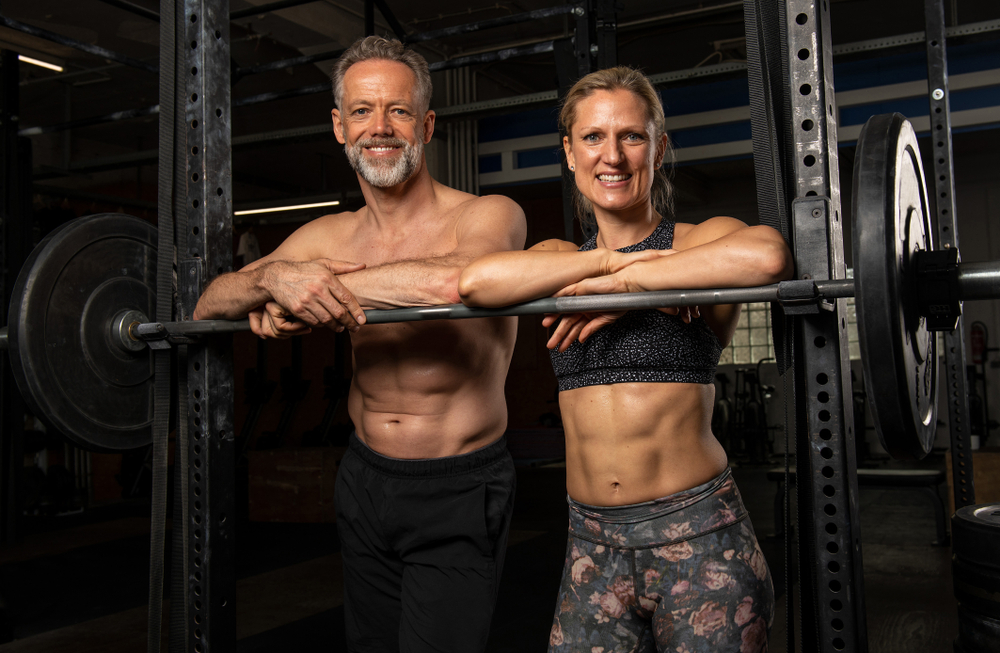
Have you ever wondered if there’s a specific age when your muscles just stop growing? Perhaps you’ve heard myths or conflicting advice on when muscle building halts, leaving you uncertain about your fitness goals.
It’s a question that stirs curiosity and even a bit of anxiety. Understanding the truth about muscle growth can change how you approach exercise and health. Imagine knowing exactly how your body works, allowing you to make informed decisions that keep you strong and healthy at any age.
This knowledge is not just empowering—it’s essential. With accurate information, you can maximize your workouts and maintain confidence in your fitness journey, regardless of the number of candles on your birthday cake. So, what’s the real story behind muscle growth and age? Let’s dive deeper to uncover the facts and separate myth from reality.

Credit: www.facebook.com
Muscle Growth Across Ages
Muscle growth is a fascinating journey that evolves as you age. From the energetic highs of your twenties to the more calculated strategies of your fifties, understanding how muscle development changes can empower you to maintain strength and vitality. Let’s explore how muscle growth unfolds at different life stages, providing you with insights to maximize your potential at any age.
In Your 20s: The Prime Time For Muscle Building
During your twenties, your body is in its prime for muscle growth. Testosterone levels are high, and recovery is swift. This is the ideal time to push your limits and establish a strong fitness foundation.
Engage in compound exercises like squats and deadlifts. These moves recruit multiple muscle groups, ensuring efficient growth. Prioritize protein intake to support muscle repair and growth.
30s: Maintaining Momentum
As you move into your thirties, you may notice subtle changes in recovery time. Life becomes busier, yet maintaining your fitness routine is crucial. Consistency is your ally.
Incorporate strength training at least three times a week. Focus on maintaining intensity in your workouts. Balance weightlifting with cardio to keep your heart healthy.
40s: Adjusting The Strategy
Your forties bring a shift in how your body responds to exercise. Metabolism begins to slow, and muscle mass can decrease if not actively maintained.
Include more recovery-focused activities like yoga or stretching. These can enhance flexibility and prevent injury. Nutrition becomes even more vital—ensure you’re getting enough protein and healthy fats.
50s And Beyond: Staying Strong
In your fifties and beyond, muscle growth is still possible, but it requires a more tailored approach. Joint health becomes a priority, and exercises should be adapted to accommodate this.
Focus on low-impact activities like swimming or cycling. Resistance bands can be an excellent tool for strength training without putting undue stress on your joints. Regular check-ins with a fitness professional can help tailor your routine to your needs.
Have you considered how your current lifestyle impacts your muscle health? Small, consistent changes can yield significant benefits, no matter your age. By adapting your approach as you age, you can continue to build and maintain muscle effectively.

Credit: www.youtube.com
Factors Influencing Muscle Building
Building muscle is a dynamic process influenced by various factors. It’s not just about lifting weights or sticking to a rigorous workout routine. Your body’s ability to build muscle can shift due to genetic factors, hormonal changes, and lifestyle choices. Understanding these influences can help you optimize your muscle-building efforts, regardless of your age.
Genetic Factors
Ever wonder why some people seem to gain muscle effortlessly, while others struggle despite consistent workouts? Your genes play a crucial role in muscle building. Certain genetic traits can determine how quickly and efficiently your body responds to exercise. If you’ve inherited a predisposition for muscle growth, consider it a bonus. But don’t let genetics dictate your limits. With persistence and tailored workouts, you can overcome genetic hurdles.
Hormonal Changes
Hormones are powerful regulators of muscle growth. As you age, hormonal levels fluctuate, impacting your ability to build muscle. Testosterone, for instance, peaks in your twenties and gradually declines, affecting muscle development. Yet, you can counteract these changes. Regular exercise boosts testosterone levels, helping you maintain muscle mass. Think about how you can adjust your workout to support your hormonal health.
Lifestyle And Diet
Your lifestyle and diet are pivotal in muscle building. A balanced diet rich in proteins fuels muscle repair and growth. Imagine how your workout performance improves with proper nutrition. Additionally, your lifestyle choices, such as sleep, stress management, and activity level, directly influence muscle growth. Reflect on your daily habits. Are they aligned with your muscle-building goals? Small changes can make a big difference.
Understanding these factors can empower you to build muscle effectively at any age. Don’t let age be the sole determinant of your muscle-building potential. Instead, focus on optimizing these elements to achieve your fitness goals. What steps can you take today to enhance your muscle-building journey?
Common Myths About Muscle Building
Many myths surround muscle building and its age-related limitations. These misconceptions can prevent people from pursuing strength training. Understanding these myths can help you stay motivated and informed. Let’s explore some common myths about muscle building.
Muscle Growth Stops After A Certain Age
It’s a common belief that muscle growth halts as you age. This is not true. Muscle can grow at any age with proper exercise and nutrition. Your body’s ability to build muscle may slow, but it never completely stops. Regular strength training keeps muscles active and strong.
Strength Training Is Ineffective For Older Adults
Many think strength training doesn’t benefit older adults. Actually, it improves balance, flexibility, and overall health. Older adults can gain strength and muscle mass. Consistent workouts help maintain independence and reduce injury risks.
Dietary Supplements Are Necessary For Muscle Growth
Some believe supplements are essential for muscle growth. Supplements can help but are not mandatory. A balanced diet provides necessary nutrients for muscle building. Whole foods offer vitamins and minerals that support muscle growth. Focus on protein-rich foods, fruits, and vegetables.

Credit: www.youtube.com
Scientific Evidence On Muscle Growth
Have you ever wondered if there’s an age limit to building muscle? Science shows that muscle growth isn’t exclusive to the young. As you age, your body might change, but your muscles can still adapt and grow. Let’s dive into some scientific evidence that might surprise you.
Research On Muscle Growth In Older Adults
Recent studies reveal that older adults can build muscle effectively. It’s not just the gym-goers in their 20s seeing gains. Even if you’re in your 60s or 70s, there’s potential for muscle growth.
One study showed participants over 60 gained muscle mass after a consistent resistance training program. This means age doesn’t necessarily stop muscle growth—it’s the activity level that matters.
Imagine your future self, maintaining strength and vitality well into your golden years. It’s possible, and science backs it up.
Studies On The Role Of Exercise And Diet
Your exercise routine and diet play a significant role in muscle growth. It’s not just about lifting weights; it’s about what you fuel your body with, too.
Research indicates that protein intake is crucial for muscle development. Incorporate protein-rich foods like chicken, fish, and legumes into your meals. These foods support muscle repair and growth.
Exercise-wise, a mix of strength training and cardio can enhance muscle growth. Think about how a balanced approach might benefit your overall health.
Have you considered how small changes in your routine could lead to big results? Challenge yourself to try new exercises or tweak your diet. You’ll be surprised at how your body responds.
Ultimately, the scientific evidence is clear: age is just a number when it comes to muscle growth. So, what’s stopping you from reaching your full potential?
Effective Strategies For All Ages
Building muscle isn’t limited by age. Whether you’re in your 20s or your 60s, there are effective strategies to enhance your muscle growth. The key lies in adapting your approach to suit your body’s changing needs. Let’s dive into some practical tips that can make a real difference.
Strength Training Tips
Focus on compound exercises like squats and deadlifts. These movements engage multiple muscle groups, maximizing your workout efficiency. Start with lighter weights to perfect your form and gradually increase the load. Consistency is crucial—aim for at least two strength training sessions per week.
Mix things up to keep your muscles guessing. Try different exercises or change your workout routine every few weeks. This prevents plateaus and keeps your sessions exciting. Remember, quality trumps quantity. A well-executed set is more beneficial than rushing through multiple reps.
Nutritional Guidance
Protein is your best friend. It fuels muscle repair and growth. Include lean meats, fish, eggs, and plant-based options like beans in your meals. Aim for a balanced diet—complex carbs, healthy fats, and plenty of fruits and veggies.
Hydration is often overlooked. Drinking enough water helps nutrient absorption and muscle recovery. Consider adding a post-workout shake with protein and carbs. This can boost recovery and muscle synthesis.
Recovery And Rest Importance
Rest days are as important as workout days. Your muscles need time to repair and grow stronger. Listen to your body; if you’re feeling overly fatigued, take a break. Sleeping well is another vital aspect of recovery. Aim for 7-9 hours of quality sleep each night.
Stretching and foam rolling can improve flexibility and reduce soreness. These practices enhance blood flow to your muscles, aiding in faster recovery. Have you ever felt that rush of energy after a good night’s sleep? That’s your body’s way of saying it’s ready for another round of strength training.
Think about your current strategy. Could you tweak it to better suit your age and lifestyle? Small changes can lead to big results. Your journey to building muscle is unique, and with the right strategies, you can continue growing stronger at any age.
Success Stories And Real-life Examples
Discover inspiring stories of individuals who built muscle at various ages. These examples show it’s possible to gain strength even in later years. Age is just a number in achieving fitness goals.
When it comes to building muscle, age often sparks curiosity and concern. Many wonder if there’s a point when the body stops responding to workouts or if it’s ever too late to start. Real-life success stories can offer valuable insights and inspire you to keep pushing, regardless of the number on your birthday card.John’s Journey: Muscle Building At 60
John never set foot in a gym until he turned 60. His story is a testament to the power of starting late. With a simple routine and dedication, he managed to gain muscle and improve his overall health. He began with basic exercises, focusing on form rather than heavy weights. Consistency played a crucial role in his progress. John’s results showed that age is just a number when it comes to achieving fitness goals.Emily’s Transformation At 45
Emily was a busy mom who believed she couldn’t build muscle after 40. However, after joining a local fitness group, she discovered new strength. Her journey was not just about physical change but also mental empowerment. She started with bodyweight exercises, gradually adding weights as her confidence grew. Her story illustrates that even midlife can be the perfect time to embark on a muscle-building journey.Inspiring Story Of George: A Veteran’s Comeback
George, a retired veteran, decided to return to weightlifting at 70. His story challenges the notion that muscle building is only for the young. With discipline and a supportive community, he made impressive gains. He focused on compound exercises that worked multiple muscle groups. George’s experience shows that with the right approach, you can push boundaries at any age.Mary’s Motivation: From 50 To Fit
Mary’s determination to get fit at 50 led her to inspiring results. She swapped her sedentary lifestyle for a more active one, focusing on muscle building. Her story is a reminder that the right mindset can lead to incredible transformations. She began with small goals, celebrating each milestone along the way. Mary’s journey proves that setting achievable targets can lead to long-term success.What Can You Learn From These Stories?
These real-life examples show that muscle building isn’t confined to the young. Each story is unique, yet shares a common lesson: age is not a barrier. Have these stories sparked a desire to start or continue your muscle-building journey? Think about how you can apply their strategies to your routine. Remember, your path will be different, but it can be just as rewarding. Are you ready to create your own success story?Future Research Directions
Exploring when muscle growth slows is crucial for understanding fitness and health. Research aims to determine how age impacts muscle-building capacity. Identifying optimal exercises and nutrition can aid in maintaining muscle mass as people age.
Understanding how muscle-building changes with age is crucial for anyone interested in fitness and health. While there’s a lot of information available on this topic, the science is still evolving. Future research directions can offer fresh insights and practical solutions to help people maintain muscle mass as they age. Let’s explore where research might lead us in this fascinating area.Exploring Genetic Influences On Muscle Growth
Genetics play a significant role in how our bodies build and maintain muscle. Researchers are now focusing on how specific genes can influence muscle growth. Knowing this could lead you to personalized fitness plans tailored to your genetic makeup. Imagine having a workout routine designed just for your genetic profile. This could optimize your muscle-building potential, regardless of age. It raises the question: how much could you improve if your exercises were customized to your DNA?Innovations In Nutrition And Supplements
Nutrition is a cornerstone of muscle development, and new studies are examining how diet impacts muscle growth in older adults. Future research might reveal which nutrients are most effective for muscle maintenance as you age. Think about the possibilities of specialized supplements that could help you continue building muscle well into your later years. The next big breakthrough in nutrition could be just around the corner. Would you be willing to adjust your diet if it meant keeping your strength longer?Advancements In Exercise Science
Exercise science is constantly evolving, with new techniques emerging that could help older adults build muscle. Researchers are exploring innovative exercise methods that focus on reducing the risk of injury while maximizing results. Imagine trying a new type of workout that is both safe and effective for your age group. These advancements could help you stay active and strong, no matter your age. Are you ready to challenge your current workout routine with the latest exercise science?The Role Of Technology In Muscle Building
Technology is becoming an integral part of fitness, with gadgets and apps that track progress and provide real-time feedback. Future research may delve into how technology can specifically aid muscle growth in older individuals. Envision using wearable devices that give you instant data on your muscle activity and recovery. This could revolutionize how you approach your workouts. Would you embrace technology if it meant achieving better muscle growth outcomes?Understanding Hormonal Changes And Muscle Mass
Hormones significantly influence muscle mass, and scientists are investigating how age-related hormonal changes affect muscle building. Future studies may offer strategies to mitigate these changes and preserve muscle mass. Consider the potential of treatments that could balance your hormones and support muscle growth as you age. How might this impact your fitness goals and quality of life? Would you be open to exploring hormonal therapies as part of your muscle-building strategy? These future research directions hold the promise of extending your muscle-building journey, regardless of age. Keep an eye on these developments, as they could offer practical solutions to help you maintain strength and vitality throughout your life.Frequently Asked Questions
Can You Really Build Muscle After 50?
Yes, building muscle after 50 is possible. Focus on strength training, balanced nutrition, and consistent exercise. Age-related muscle loss can be counteracted with dedication. Consulting a fitness expert may enhance results. Stay committed to a healthy lifestyle for optimal muscle growth.
Can You Build Muscle After 70?
Yes, you can build muscle after 70. Regular strength training and a balanced diet help increase muscle mass. Consult with a healthcare professional to create a safe exercise routine. Stay consistent and patient for the best results. Prioritize exercises that suit your body’s condition and capabilities.
What Age Is Hardest To Gain Muscle?
Gaining muscle becomes harder after age 40. Muscle mass declines naturally with age, reducing growth potential. Hormonal changes also impact muscle building. Maintaining a healthy diet and regular exercise helps mitigate muscle loss. Adapting workout routines for age-related changes can improve muscle growth efficiency.
What Is The Age Limit For Muscle Growth?
Muscle growth is possible at any age, but peaks during late teens and early adulthood. As you age, it may slow down, but with regular exercise and proper nutrition, you can continue building muscle effectively. Always consult a fitness expert for personalized advice on muscle growth at different ages.
Conclusion
Muscle building doesn’t stop at a specific age. It varies for everyone. Staying active is key. Regular exercise helps maintain muscle mass. Age impacts muscle growth, but doesn’t halt it. Healthy lifestyle choices matter. Balanced diet, strength training, and rest are crucial.
These factors support muscle health. Listen to your body. Adjust workouts as needed. Consult health professionals for advice. Consistency is vital for results. Age is just a number when building muscle. Stay motivated. Keep pushing limits safely. Embrace the process.
Enjoy the journey to a stronger you.








