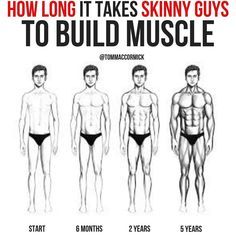
Are you eager to see a stronger, more defined version of yourself in the mirror? You’re not alone.
Many people start their fitness journey with the burning question: “How long will it take to build muscle? ” If you’ve ever felt the frustration of working hard at the gym without seeing the results you hoped for, you’re in the right place.
We’ll dive into what really influences your muscle-building journey and uncover the secrets to achieving those gains you desire. Prepare to be surprised by the factors you might have overlooked and learn how to maximize your efforts. Stick around, because understanding these key elements could be the game-changer in your path to a muscular physique. Let’s get started!
Credit: www.reddit.com
Factors Influencing Muscle Growth
Building muscle is a complex process influenced by various factors. Understanding these factors helps in optimizing your muscle growth journey. Each person experiences muscle growth uniquely due to several key elements.
Genetics Role
Your genes play a significant role in muscle growth. They determine your potential for building muscle. Some individuals may build muscle faster due to favorable genetics. This doesn’t mean others can’t achieve results. It simply means progress can vary.
Diet And Nutrition
Nutrition is crucial for muscle development. Consuming enough protein supports muscle repair and growth. Balanced meals provide essential nutrients for overall body health. Hydration also impacts muscle performance and recovery.
Exercise And Training
Consistent exercise is necessary for muscle growth. Weightlifting and resistance training are effective methods. Varying your routine can prevent plateaus. Progressively increasing the weight challenges your muscles further.
Rest And Recovery
Rest is as important as exercise. Muscles need time to repair and grow. Sleep aids in recovery and hormonal balance. Scheduling rest days prevents overtraining and injuries. Listen to your body for optimal results.
Timeframes For Muscle Gain
Muscle gain requires time and effort. The process varies based on experience level, workouts, and nutrition. Understanding different stages of muscle growth helps set realistic goals. Let’s explore how muscle growth progresses from beginner to advanced stages.
Beginner Muscle Growth
Beginners often see quick results. Their muscles respond rapidly to new stimuli. Initial gains can be noticeable within weeks. This phase lasts around three to six months. Beginners gain muscle mass and strength. This is due to the body’s adaptive response. Consistent workouts and proper nutrition enhance growth.
Intermediate Plateau
Intermediate lifters face a plateau after initial gains. Muscle growth slows down. This phase can last several months. Adjusting workout routines helps overcome stagnation. Focus on increasing intensity and variety. Nutrition plays a crucial role here. Ensure adequate protein intake for muscle repair.
Advanced Muscle Development
Advanced lifters have well-developed muscles. Gains become gradual and require patience. Progress might take years of commitment. Focus shifts to refining muscle details. Advanced workouts target specific muscle groups. Consistency and dedication are key. Nutrition remains essential for sustained growth.
Effective Training Strategies
Building muscle is a journey that requires dedication, patience, and effective training strategies. If you’re eager to see results, it’s crucial to focus on the right methods to maximize your efforts. Understanding the basics of strength training, the importance of progressive overload, and how to add variety in your workouts can significantly impact your muscle growth timeline.
Strength Training Basics
Strength training is the cornerstone of muscle building. It involves exercises that force your muscles to work against resistance, such as weights or body weight. Start with fundamental exercises like squats, deadlifts, and bench presses. These exercises target multiple muscle groups, promoting overall growth.
Consistency is key. Aim for at least three sessions a week. This sets a solid foundation for building strength and muscle. Remember, quality over quantity—proper form prevents injury and ensures effective results.
Progressive Overload
Have you ever wondered why your muscles stop growing after a while? Progressive overload might be the missing piece. It’s about gradually increasing the resistance your muscles face. This can be done by adding more weight, increasing repetitions, or reducing rest periods.
Think of it like pushing your limits. When I added an extra five pounds to my bench press, my muscles responded by growing stronger and larger. Continuously challenge your muscles to keep them adapting and growing.
Incorporating Variety
Boredom in workouts can stall your progress. Does your routine feel monotonous? Spice it up with variety! Try different exercises, change your rep range, or switch your workout order.
Mixing things up keeps your muscles guessing, preventing plateaus. When I swapped my usual dumbbell curls for cable curls, I noticed an improvement in my arm strength and definition. Variety keeps you motivated and engaged.
Effective training is about smart strategies, not just hard work. Are you ready to optimize your muscle-building journey? Apply these strategies, and watch your muscles transform.

Credit: www.pinterest.com
Nutrition For Muscle Building
Nutrition plays a crucial role in muscle building. The foods you eat fuel your workouts and aid recovery. A balanced diet with the right nutrients supports muscle growth. Let’s explore key components of nutrition for building muscle.
Protein Importance
Protein is vital for muscle repair and growth. It provides amino acids, the building blocks of muscles. Consuming protein-rich foods like chicken, fish, and beans is essential. Aim for protein intake with each meal to maximize muscle synthesis.
Carbohydrates And Fats
Carbohydrates give energy for workouts and recovery. Whole grains, fruits, and vegetables are excellent sources. They help replenish glycogen stores post-exercise. Healthy fats like avocados and nuts are important too. They support hormone production and overall health.
Hydration Needs
Staying hydrated is crucial for muscle function. Water helps transport nutrients to muscles. It aids in removing waste products from the body. Drink water regularly throughout the day. Hydration supports endurance and recovery, making it key for muscle building.
Role Of Rest And Recovery
Rest and recovery are crucial in building muscle. They allow muscles to repair and grow stronger after workouts. Without adequate rest, progress slows, and the risk of injury increases.
Building muscle isn’t just about lifting heavy weights; it’s equally about giving your body the rest it needs to grow. The role of rest and recovery in muscle building is often underestimated. Yet, without proper downtime, your muscles can’t repair and strengthen effectively. So, how much rest do you actually need? Let’s dive into the essential components that make rest and recovery a crucial part of your muscle-building journey.Sleep Impact
Adequate sleep is non-negotiable. During sleep, your body releases growth hormones that are vital for muscle repair. Aim for 7-9 hours of quality sleep each night to maximize these benefits. Ever notice how everything feels heavier at the gym after a sleepless night? That’s your body signaling it’s not fully recovered. Prioritize a consistent sleep schedule to enhance your muscle-building efforts.Rest Day Benefits
Taking rest days might seem counterproductive if you’re eager to see gains. However, these breaks are crucial for your muscles to repair and grow stronger. Incorporating one or two rest days into your weekly routine can prevent burnout and reduce the risk of injury. Do you feel guilty skipping a workout? Think of it this way: rest days are workouts for your muscles, just in a different form.Stress Management
Stress can be a silent muscle-building killer. High stress levels increase cortisol, a hormone that can hinder muscle growth. Finding ways to manage stress is as important as nailing your workout routine. Consider activities like yoga, meditation, or even just taking a walk. How do you manage stress after a long day? Finding a balance will not only improve your muscle-building progress but also your overall well-being. Rest and recovery are not just passive activities but active components of your muscle-building strategy. Next time you’re tempted to skip that rest day or cut your sleep short, remember: your gains depend on it.
Credit: 1upnutrition.com
Tracking Progress
Building muscle takes time and dedication. Progress varies for each person, influenced by factors like age and diet. Regular workouts and proper nutrition are key to seeing results over months.
Tracking your progress is crucial when you’re building muscle. It not only helps you stay motivated but also ensures you’re on the right path. Are you unsure how to measure your gains effectively? Let’s dive into some practical ways to track your muscle growth journey.Measuring Muscle Growth
Start by tracking your measurements. Regularly measure the circumference of key muscle groups like your arms, legs, and chest. Keep a record of these numbers to see tangible progress over time. Photos are another excellent tool. Take consistent photos every few weeks from the same angles. Visual comparisons can reveal subtle changes that numbers might miss. Don’t forget about strength gains. Are you lifting heavier weights or doing more repetitions? This often indicates muscle growth, even if the scale doesn’t move.Adjusting Workout Plans
Your workout plan isn’t set in stone. If you notice stagnation, it might be time to change things up. Adding new exercises or increasing weights can stimulate growth. Listen to your body. Are certain exercises not yielding results? Consider replacing them with alternatives that target the same muscles. Consult a fitness professional if you’re unsure. A fresh perspective can offer insights and adjustments you might not have considered.Setting Realistic Goals
It’s tempting to aim for rapid muscle growth, but patience is key. Set achievable goals that challenge you without overwhelming you. Celebrate small victories. Did you add an extra rep to your set or notice a slight increase in muscle size? These are signs of progress. Reevaluate your goals regularly. Are they still aligned with your current fitness level and lifestyle? Adjust them to stay motivated and on track. Tracking progress isn’t just about numbers. It’s about understanding your body and making informed decisions. Are you ready to take control of your muscle-building journey?Frequently Asked Questions
How Long Does It Take To Build Noticeable Muscle?
Building noticeable muscle usually takes around 8 to 12 weeks with consistent workouts and proper nutrition. Focus on strength training, protein intake, and recovery. Results vary based on genetics, diet, and exercise routine. Stay committed and track progress for best results.
How Do I Know If I Am Gaining Muscle?
Track progress with measurements, photos, and strength gains. Notice tighter clothes, increased muscle definition, and improved physical performance. Monitor body weight changes alongside muscle growth indicators for accuracy. Regularly assess strength improvements in workouts to confirm muscle building. Ensure balanced nutrition and adequate rest for optimal muscle gain.
How To Speed Up Muscle Growth?
Boost muscle growth by eating protein-rich foods and maintaining a balanced diet. Focus on progressive weight training and ensure sufficient rest for recovery. Stay hydrated and maintain consistency in your workout routine. Consider supplements like creatine under professional guidance.
Is Working Out 30 Minutes A Day Enough To Build Muscle?
Yes, 30 minutes a day can build muscle with the right intensity and exercises. Focus on compound movements and maintain progressive overload. Consistency and proper nutrition also play crucial roles in muscle growth. Tailor your workouts to your fitness level and goals for optimal results.
Conclusion
Building muscle takes time and effort. Consistency is key. Regular workouts and a balanced diet help. Results vary for each person. Some may see changes in weeks. Others might take months. Stay patient. Track your progress. Celebrate small wins. Listen to your body.
Rest is crucial for muscle growth. Avoid overtraining. Consult a trainer for guidance. Stay motivated and focused. Remember, health comes first. Building muscle is a journey. Enjoy the process. It’s not just about the end result. Embrace the lifestyle changes.
They’ll benefit you long term. Stay strong and committed.








