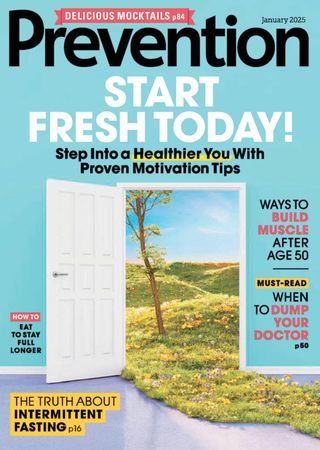
Ever found yourself wondering if it’s too late to build muscle after 50? The good news is, it’s not only possible, but it can also be a game-changer for your health and vitality.
As you age, maintaining muscle mass becomes crucial for preventing injuries, enhancing strength, and boosting overall well-being. Imagine feeling stronger, more energetic, and confident in your daily activities. The secret to achieving this lies in understanding the right strategies tailored for your body.
You might be surprised to learn that the key to building muscle isn’t just about lifting weights. It’s about adopting a holistic approach that involves the right balance of nutrition, exercise, and lifestyle adjustments. By discovering these secrets, you can unlock a healthier, more vibrant version of yourself. Curious about how to make this happen? Keep reading to uncover the powerful techniques that can transform your muscle-building journey after 50. Your body will thank you, and you’ll thank yourself for taking this empowering step.
Key Challenges In Muscle Building After 50
Building muscle after 50 presents unique challenges. The body undergoes significant changes as it ages. Understanding these challenges is crucial for effective muscle building. Addressing them can help maintain strength and vitality.
Age-related Muscle Loss
Age-related muscle loss, known as sarcopenia, affects many older adults. Muscle mass decreases naturally with age. This process starts around 30 but accelerates after 50. Muscle fibers shrink and lose elasticity. Strength decreases, impacting daily activities. Resistance training can slow this decline.
Metabolic Changes
Metabolism slows with age, affecting muscle growth. The body burns fewer calories at rest. It becomes harder to maintain muscle mass. Protein synthesis decreases, impacting muscle repair. Adjusting diet and exercise can support metabolic health.
Joint And Bone Health
Joint and bone health are vital for muscle building. Aging affects joint mobility and bone density. Joints may become stiffer, limiting exercise options. Bones weaken, increasing fracture risk. Incorporating weight-bearing exercises can strengthen bones. Flexibility exercises help maintain joint function.
Nutrition Strategies
Building muscle after 50 requires smart nutrition strategies. Focus on protein-rich foods to support muscle growth. Balance your diet with fruits, vegetables, and whole grains for optimal health.
Building muscle after 50 is not just about hitting the gym; it’s about nurturing your body with the right nutrition strategies. As you age, your body’s nutritional needs change, and adapting to these changes can be the key to muscle growth. Whether you want to feel stronger or simply improve your overall health, paying attention to what you eat is crucial.Protein Intake
Protein is the building block of muscles. After 50, your body may need more protein to maintain muscle mass. Consider adding lean proteins like chicken, fish, or plant-based options like beans and lentils to your meals. A friend of mine, who started weight training at 55, shared that increasing his protein intake helped him feel more energized. He found that eating protein-rich snacks like Greek yogurt or almonds between meals kept his muscles nourished. Do you think you’re getting enough protein daily? If not, it’s time to rethink your meal plan and ensure protein takes center stage.Essential Vitamins And Minerals
Your body needs vitamins and minerals to function efficiently. Calcium and vitamin D are especially vital for bone health, while magnesium supports muscle function. After turning 50, I noticed that adding a multivitamin to my routine made a difference in my energy levels. Including colorful veggies and fruits in your diet can naturally boost these essential nutrients. How often do you check the nutritional content of what you eat? Taking a closer look might reveal gaps you didn’t know existed.Hydration Importance
Staying hydrated is often overlooked but is crucial for muscle health. Water aids in transporting nutrients and removing waste products. I once underestimated the power of hydration until I experienced muscle cramps after a workout. Drinking water regularly throughout the day helped alleviate this issue. Consider keeping a water bottle handy as a reminder to drink more. Do you have a hydration routine, or is it something you need to establish? Adopting these nutrition strategies can help you build muscle effectively after 50. It’s about making conscious choices that support your body’s needs. What changes will you make today to enhance your muscle-building journey?Exercise And Fitness Routines
As you step into your 50s, building muscle becomes a bit more challenging but certainly not impossible. Exercise and fitness routines tailored to your needs can make all the difference. Whether you’re aiming to maintain strength, improve heart health, or enhance flexibility, there are specific strategies that can help you achieve your goals. Let’s dive into the essentials of how you can build muscle effectively after 50.
Strength Training Essentials
Strength training is crucial for muscle building, especially as you age. Focus on compound exercises like squats and deadlifts that engage multiple muscle groups. These exercises not only build muscle but also improve overall functional fitness. You might notice that lifting weights helps you feel stronger in daily activities. Begin with lighter weights and gradually increase as your strength builds. Consistency is key, so aim to incorporate strength training into your routine at least twice a week.
Cardio For Heart Health
Cardio exercises are vital for maintaining heart health, but they also play a role in muscle building. Activities such as brisk walking, cycling, or swimming can boost your cardiovascular health and support muscle endurance. Consider using a heart rate monitor to track your progress and ensure you’re working within a safe zone. How often do you find yourself out of breath climbing stairs? Cardio can help with that. Try to include at least 30 minutes of moderate cardio exercises most days of the week.
Flexibility And Balance Exercises
As we age, flexibility and balance become increasingly important to prevent injuries. Incorporate exercises like yoga or tai chi that promote both flexibility and balance. Have you ever felt wobbly on uneven ground? These exercises can help stabilize you. Simple stretches can also improve your range of motion, making everyday tasks easier. Allocate time for flexibility and balance exercises a few times a week to maintain agility and prevent falls.
Building muscle after 50 requires a well-rounded approach. Which area do you feel needs the most attention in your routine? By focusing on strength, cardiovascular health, and flexibility, you can create a balanced fitness plan that supports your goals and enhances your quality of life.
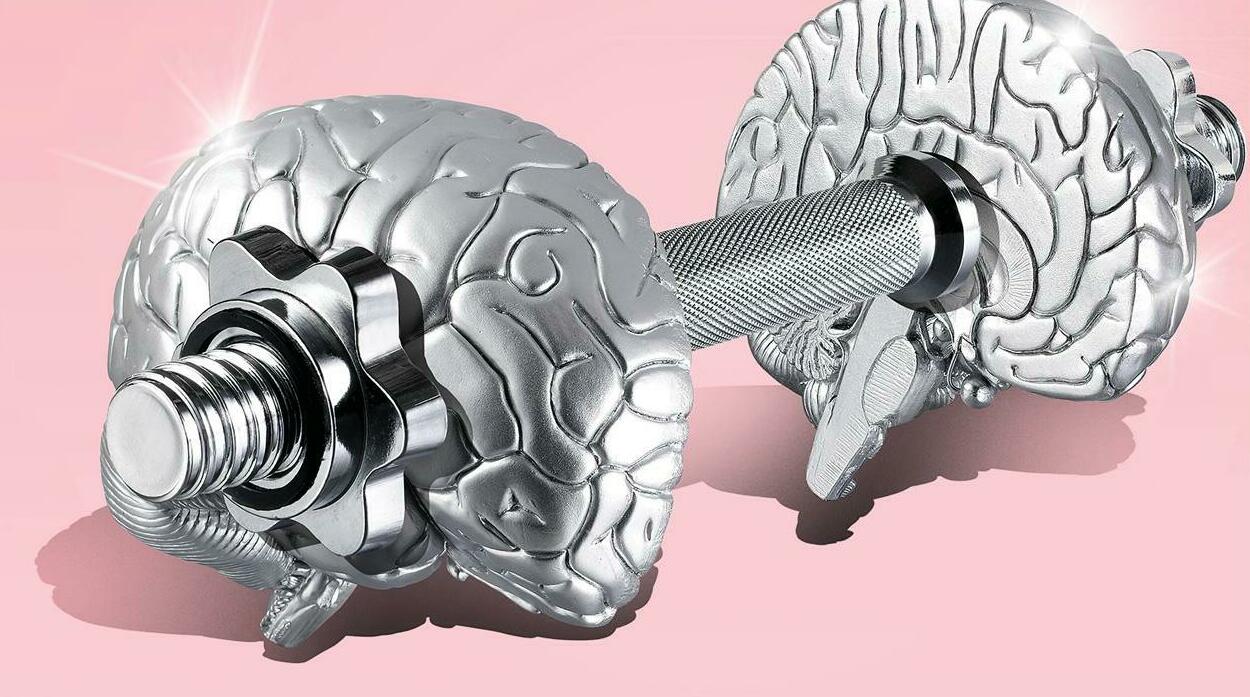
Credit: www.magzter.com
Recovery And Rest Techniques
Building muscle after 50 requires smart recovery and rest techniques. Proper sleep and balanced nutrition help repair and strengthen muscles. Gentle stretching and regular hydration also support muscle growth and prevent injuries.
Building muscle after 50 is not just about lifting weights and eating right. Recovery and rest are crucial components that can make or break your progress. As you age, your body’s ability to repair itself changes, making recovery techniques vital to your fitness journey. Let’s dive into some effective strategies that can help you maximize muscle growth through proper recovery.Importance Of Sleep
Sleep is not just about closing your eyes at night; it’s a powerful recovery tool. When you sleep, your body goes into repair mode, healing tissues and building muscle. Aim for 7-9 hours of quality sleep each night. Think about how you feel after a poor night’s sleep. Your energy dips, and workouts seem daunting. Prioritize sleep to support your fitness goals. Consider creating a bedtime routine. Reduce screen time before bed, keep your room cool, and opt for calming activities like reading.Stress Management
Stress is a sneaky saboteur of muscle growth. It increases cortisol, a hormone that can break down muscle tissue. Managing stress is key to recovery. Ever notice how stress affects your workouts? You might feel weaker or less motivated. Implement stress-reduction techniques to counteract this. Practice deep breathing exercises or meditation. Even short sessions can lower stress and enhance your recovery.Active Recovery Methods
Active recovery keeps your body moving without straining your muscles. It’s about low-intensity exercises that promote blood flow and reduce muscle soreness. Take a brisk walk or enjoy a leisurely swim. These activities stimulate recovery without overtaxing your body. Listen to your body. If you’re sore, opt for yoga or stretching to ease tension and aid muscle repair. Recovery isn’t just a passive process. It’s an active commitment to your health and fitness. How can you tweak your routine to incorporate these recovery strategies?Injury Prevention
Building muscle after 50 requires a focus on injury prevention. As the body ages, it becomes more susceptible to injuries. This makes safety a top priority. Taking the right precautions helps maintain a steady fitness routine. This section explores crucial steps to avoid injuries while building muscle.
Proper Warm-up And Cool-down
A proper warm-up prepares muscles for exercise. It increases blood flow and flexibility. Start with light cardio like brisk walking. Follow with dynamic stretches targeting key muscle groups. A cool-down is equally important. It helps the body return to a resting state. Gradual stretching and deep breathing aid recovery.
Safe Exercise Practices
Safety is key in any workout routine. Use correct form to reduce injury risk. Avoid heavy weights if form suffers. Controlled movements protect joints and muscles. Stay hydrated and wear appropriate gear. This ensures a safe and effective workout environment.
Listening To Your Body
The body sends signals when it’s overworked. Pay attention to any pain or discomfort. Rest if you feel exhausted. Modify exercises that cause strain. Regular rest days are essential for muscle recovery. Listening to your body prevents overtraining and injuries.

Credit: www.amazon.com
Mental And Emotional Health
Building muscle after 50 requires more than physical effort. Mental and emotional health play a crucial role. A positive mindset boosts motivation and aids recovery. Emotional well-being helps maintain consistency in fitness routines. Let’s explore how mental and emotional health impact muscle building. We’ll focus on motivation, support networks, and mindfulness practices.
Motivation And Goal Setting
Staying motivated is key. Setting clear goals gives direction. Short-term goals provide quick wins and boost confidence. Long-term goals keep the bigger picture in view. Write down your goals. Review them regularly. Celebrate small victories to stay inspired. A positive attitude fuels progress. Visualize success to enhance motivation.
Building A Support Network
A strong support network is invaluable. Friends and family offer encouragement. Share your fitness journey with them. Seek advice from those with experience. Join local fitness groups. Online communities provide motivation too. Interacting with like-minded individuals fosters commitment. They celebrate your achievements and offer advice during challenges.
Mindfulness And Meditation
Mindfulness reduces stress. Stress hampers muscle growth. Practicing meditation improves focus. Focus helps in achieving fitness goals. Spend a few minutes meditating daily. Deep breathing exercises calm the mind. A calm mind enhances workout performance. Mindfulness also improves sleep quality. Better sleep aids muscle recovery.
Role Of Supplements
Supplements help build muscle after 50 by providing essential nutrients. They support recovery and boost energy levels. Choose wisely to enhance your fitness journey.
As you get older, building muscle isn’t as straightforward as it once was. However, the right supplements can be a game-changer in your fitness journey after 50. Supplements can help fill nutritional gaps, boost energy levels, and enhance recovery. But how do you know which ones to choose? And more importantly, how do you ensure they’re safe and effective for you?Popular Supplements For Muscle Growth
Several supplements have gained popularity among those over 50 aiming to build muscle. Protein powders, such as whey and plant-based options, provide essential amino acids to support muscle repair and growth. Creatine is another favorite, known to increase strength and muscle mass. Many also turn to branched-chain amino acids (BCAAs) for their role in reducing muscle soreness and aiding recovery. Have you tried any of these, or are you considering them?Safety And Efficacy
Not all supplements are created equal. It’s crucial to consider both safety and efficacy when adding supplements to your regimen. Always check for third-party testing on supplement labels to ensure they’re free from harmful substances. Look for scientific research backing their claims. I once tried a supplement based on a friend’s recommendation, only to find it wasn’t tested and had no proven benefits. That taught me the importance of doing my own research. What steps do you take to ensure your supplements are safe?Consulting Healthcare Professionals
Before starting any new supplement, it’s wise to consult with healthcare professionals. They can provide personalized advice based on your health history and current medications. This is particularly important if you have underlying health conditions. I remember speaking with my doctor before starting a new supplement, and he adjusted the dosage to fit my needs. Have you had a similar experience? Your healthcare provider’s guidance can be invaluable in making the right choices.
Credit: www.amazon.com
Frequently Asked Questions
How To Build Muscle After 50 Prevention?
Build muscle after 50 by focusing on strength training exercises. Prioritize protein-rich meals and stay hydrated. Ensure adequate sleep and recovery. Consult healthcare professionals for personalized advice. Stay consistent with workouts for effective results.
What Is The Secret To Building Muscle After 50?
Stay consistent with strength training and focus on compound exercises. Prioritize protein-rich nutrition for muscle recovery. Ensure adequate rest and recovery time. Monitor progress and adjust your routine as needed. Consult a healthcare professional before starting new exercise programs.
What Is The 6 12 25 Rule?
The 6 12 25 rule suggests using 6 words in a subject line, 12 in a teaser, and 25 in the main message. This helps in crafting concise and engaging content for better reader engagement and communication effectiveness.
How To Prevent Muscle Loss In 50s?
Exercise regularly, focusing on strength training. Consume a balanced diet rich in protein. Stay hydrated and get adequate sleep. Maintain a healthy weight and manage stress effectively. Consult a healthcare professional for personalized advice.
Conclusion
Building muscle after 50 is possible and rewarding. Start slow and stay consistent. Focus on strength training and balanced nutrition. Listen to your body. Rest is crucial for recovery. Hydrate and fuel your muscles properly. Avoid overexertion. Consult with a fitness expert if needed.
Set realistic goals and track your progress. Celebrate small wins. Remember, age is just a number. Stay motivated and patient. Your efforts will pay off over time. Enjoy your fitness journey and the benefits it brings. You can achieve a healthier, stronger you.








