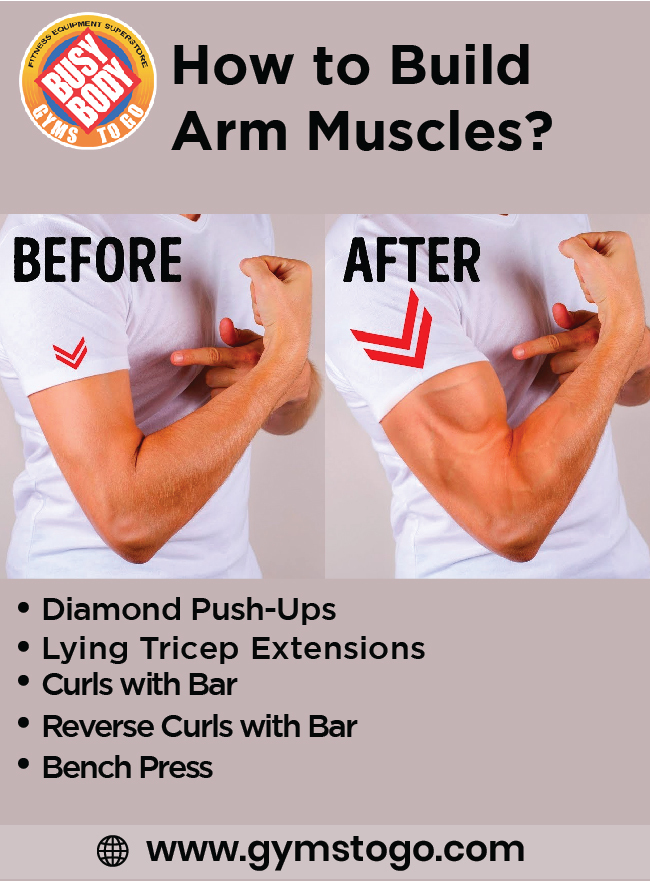
Are you tired of staring at your arms in the mirror, wondering when they’ll finally start to show the results of your hard work? You’re not alone.
Building muscle in your arms can often feel like a slow and challenging process, especially when you’re eager to see those gains. But how long does it really take to see noticeable improvements? The answer might surprise you. Understanding the timeline and what influences muscle growth can help you set realistic goals and stay motivated.
Imagine finally filling out your favorite t-shirt sleeves with confidence, knowing that your efforts are paying off. We’ll dive into the factors that affect muscle growth in your arms and provide you with actionable tips to speed up the process. Ready to transform your arms and unleash your potential? Let’s get started.
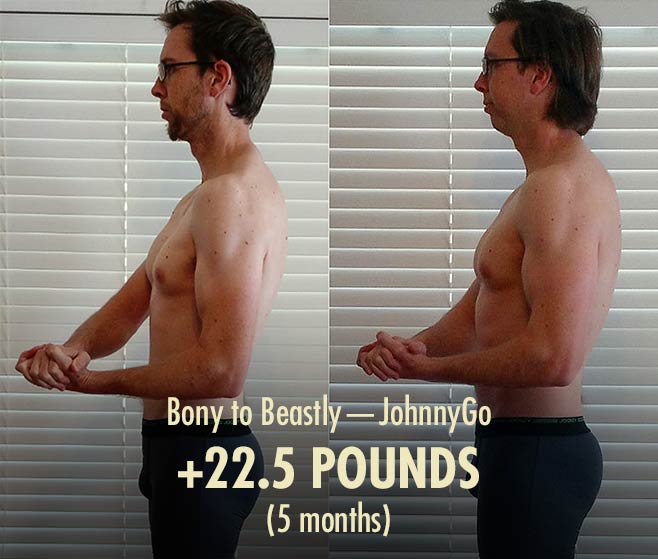
Credit: bonytobeastly.com
Factors Affecting Muscle Growth
Building muscle in the arms depends on various factors. Exercise type, diet, and rest all play crucial roles. Consistent strength training and proper nutrition can significantly impact growth speed. Genetics also influence how quickly muscles develop. Patience and regular workouts lead to stronger arms over time.
Building muscle in your arms involves more than just lifting weights. Various factors influence how quickly and effectively your muscles grow. Understanding these elements can help you tailor your workout and nutrition plans for maximum results. Curious about what might be affecting your gains? Let’s dive into some of the key factors that play a role in muscle growth.Genetics And Body Type
Your genetic makeup significantly impacts how easily you build muscle. Some people naturally have a muscular build, while others may find it more challenging. For example, if you have a mesomorphic body type, characterized by a naturally athletic physique, you might notice muscle growth more quickly than someone with an ectomorphic build, which tends to be leaner. Although you can’t change your genetics, understanding them can guide your expectations and strategy. If you know your body type, you can tailor your workout routine to suit your needs. This knowledge can help you stay motivated, seeing progress at your own pace without comparing yourself to others.Age And Hormonal Balance
Age plays a crucial role in muscle development. Younger individuals often have higher levels of growth hormones and testosterone, which are vital for muscle growth. If you’re older, your hormonal balance might not favor muscle building as much, but it’s still possible with the right approach. Consider consulting with a healthcare professional to understand your hormonal levels. They can offer advice on optimizing your workout and nutrition plan for your age group. Remember, it’s never too late to start building muscle, but your strategy might need adjustments as you age.Diet And Nutrition
What you eat directly affects how your muscles grow. A balanced diet rich in protein, healthy fats, and carbohydrates is essential for muscle development. You might find that increasing your protein intake with foods like chicken, fish, or plant-based options accelerates your muscle growth. Don’t forget about hydration and vitamins, as they play a vital role in recovery and muscle repair. Consider tracking your meals to ensure you’re getting enough nutrients. Is your diet helping or hindering your muscle-building goals? Making small adjustments can lead to significant changes in your results. Understanding these factors can empower you to make informed decisions about your muscle-building journey. Tailor your approach based on your unique situation, and remember that patience and consistency are key. Which factor do you think is most impacting your muscle growth right now?Effective Arm Workouts
Building muscle in your arms can be an exciting journey. You might wonder how to sculpt those biceps and triceps effectively. The secret lies in choosing the right workouts. Effective arm workouts can transform your arms, giving you the strength and definition you’ve been aiming for. Let’s dive into some key exercises and techniques that can help you reach your goals.
Strength Training Exercises
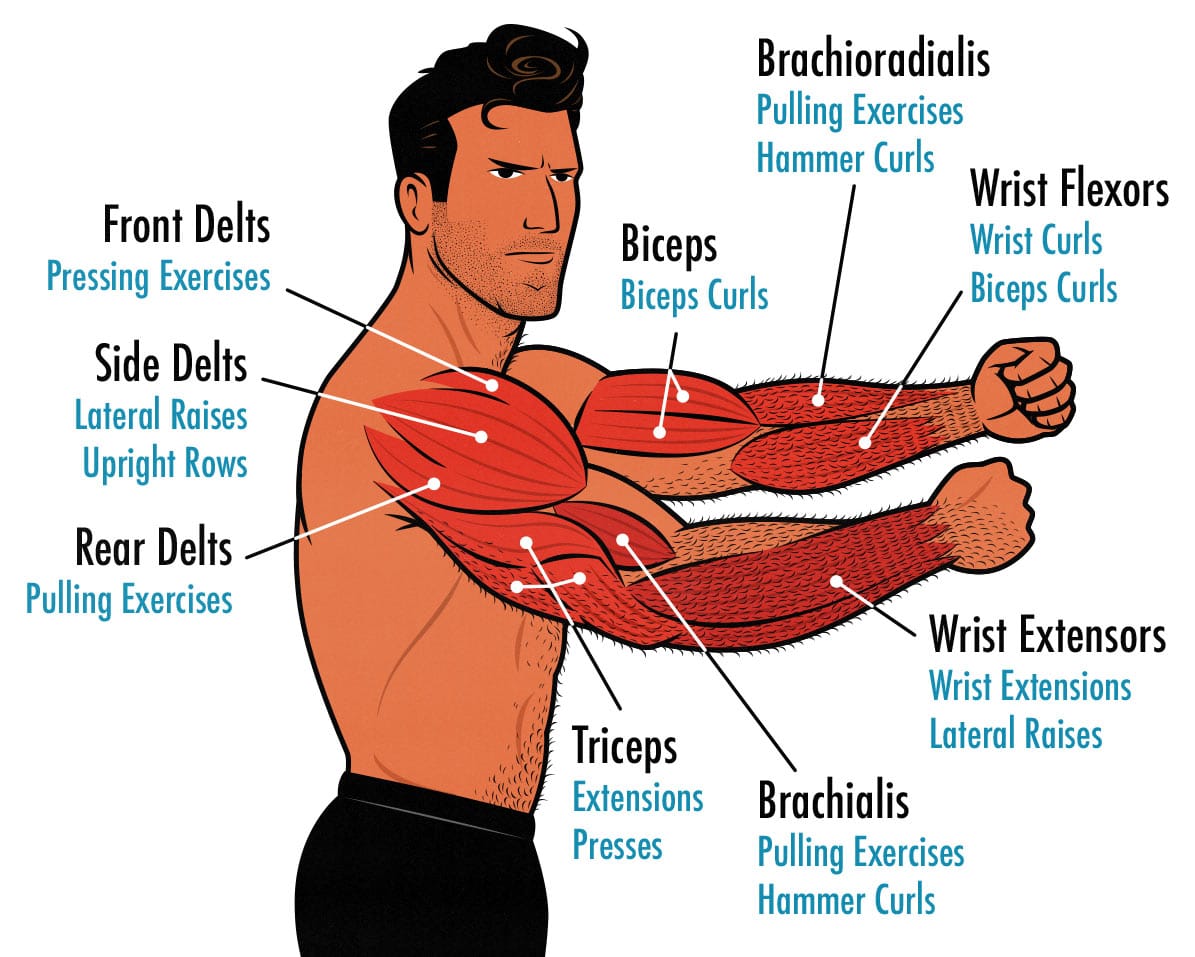
Strength training is your best friend when it comes to building muscle. Exercises like bicep curls and tricep dips are simple yet powerful. These exercises target specific muscles and help you build mass and strength. Remember that consistency is key. Set a routine and stick to it, and you’ll notice the difference.
Resistance Training Techniques
Resistance training offers another avenue for arm muscle growth. Using resistance bands or dumbbells can add variety to your workouts. They provide a different challenge for your muscles, encouraging growth. Mix up your routine with different resistance levels. You’ll keep your muscles guessing and growing.
Importance Of Progressive Overload
Progressive overload is crucial in muscle building. This means gradually increasing the weight or resistance. Your muscles need to be challenged to grow. If you’re lifting the same weight every week, your muscles won’t change. Push yourself to lift heavier or do more reps. Are you ready to see results?
Building muscle takes time, patience, and dedication. Effective arm workouts are your path to stronger arms. You have the tools; now it’s time to use them wisely. What changes will you make to your routine today?
Role Of Rest And Recovery
Rest and recovery are crucial for building muscle in arms. Muscles need time to repair after workouts. Adequate sleep and nutrition support muscle growth effectively.
Building muscle in your arms requires more than just lifting weights. The role of rest and recovery is often underrated but is crucial to your success. While you may be eager to see quick results, remember that your muscles need time to heal and grow stronger. Rest is not just about taking a day off; it’s a comprehensive approach that includes sleep, muscle repair, and smart recovery strategies.Importance Of Sleep
Sleep is not just a break for your mind; it’s a crucial phase for muscle recovery. During sleep, your body releases growth hormones that aid in repairing and building muscles. Aim for 7-9 hours of quality sleep each night. A lack of sleep can delay your progress and increase the risk of injury. Have you ever noticed how sluggish you feel after a poor night’s sleep? Your workout performance takes a hit, and so does your muscle growth. Prioritize sleep just like you do your workout routine.Muscle Repair And Growth
After a workout, your muscles undergo tiny tears that need repairing. This is where the magic happens: your muscles grow back stronger and bigger. Consuming protein-rich foods post-workout can speed up this process. Repair takes time, and patience is key. Overtraining can lead to fatigue and hinder your progress. Listen to your body; it’s your best guide on when to rest and when to push harder.Active Recovery Strategies
Active recovery doesn’t mean doing nothing; it means engaging in low-intensity exercises. Activities like yoga, walking, or swimming can improve blood flow and speed up recovery. Stretching is another effective strategy. It can reduce muscle stiffness and improve flexibility, making your next workout more efficient. Ever tried foam rolling? It’s a great tool for muscle relaxation and recovery. Active recovery also helps in maintaining a balanced routine. It keeps you engaged without overexerting your muscles. How do you incorporate rest into your fitness schedule? Experiment with different methods and find what suits you best. By understanding and applying these principles, you’ll be on your way to building stronger arms in a sustainable way. So, the next time you plan your arm workout, remember that rest is just as important as reps.Optimizing Nutrition For Muscle Growth
Building muscle in your arms isn’t just about lifting weights; it’s also about what you eat. Nutrition plays a crucial role in muscle growth. To see real progress, you need to fuel your body with the right nutrients. Have you ever wondered if your diet is holding you back from achieving those toned arms you desire?
Protein Intake Recommendations
Protein is the building block of muscles. To grow your arm muscles, include protein in every meal. Aim for about 0.7 to 1 gram of protein per pound of your body weight daily.
Think of foods like chicken, fish, beans, and tofu. They’re not just tasty but also packed with the protein your muscles crave. Are you getting enough protein in your meals?
Carbohydrates And Energy Levels
Carbs are your energy source. They power your workouts, helping you lift more and work harder. Include whole grains, fruits, and vegetables in your diet for sustained energy.
Without enough carbs, you might feel too tired to push through your gym session. Have you noticed low energy levels during your workouts? It might be time to check your carb intake.
Hydration And Muscle Function
Water is essential for muscle function. Staying hydrated helps your muscles recover and function efficiently. Aim for at least eight glasses of water a day.
Dehydration can lead to cramps and fatigue. Ever felt your muscles cramping mid-workout? A simple sip of water might be the solution. Is your water bottle your constant gym companion?
Optimizing your nutrition can significantly impact your muscle-building journey. It’s not just about lifting more but also about eating right. Are you ready to fuel your muscles for growth?
Tracking Progress
Tracking progress is essential in your muscle-building journey. It keeps you motivated and helps identify what works best for your arms. Knowing how to measure improvements accurately can make a significant difference. Let’s delve into effective methods for tracking your progress.
Measuring Strength Gains
Strength is a clear indicator of muscle growth. Start by recording weights lifted for each exercise. Keep a log of reps and sets. Try to increase weights over time. Track how often you achieve personal bests. Consider using a journal or app for consistent updates. Look for gradual improvements every few weeks.
Monitoring Body Composition
Assessing body composition helps understand muscle gains and fat loss. Use skinfold calipers or bioelectrical impedance devices. These tools measure body fat percentage. Keep track of measurements monthly. Notice changes in muscle mass. Observe how clothes fit as muscle develops. Take photos to see visual progress.
Adjusting Workout Plans
Adjust workout plans based on tracked results. Identify exercises that show the most gains. Focus more on effective exercises. Modify routines every few weeks. Increase intensity or change reps and sets. Ensure workouts challenge the muscles regularly. Listen to your body and avoid overtraining.

Credit: www.wikihow.com
Common Myths And Misconceptions
Building muscle in the arms can be confusing. Many myths and misconceptions exist. These myths can mislead those new to fitness. Let’s explore some common myths.
Spot Reduction Myth
Spot reduction is a common belief. Many think targeting one area will burn fat there. But that’s not true. Fat loss happens across the entire body. You can’t choose where to lose fat. Focus on overall fitness for better results.
Overtraining Concerns
Some think more is better. They train arms every day. This can lead to overtraining. Muscles need rest to grow. Training too much can cause fatigue and injury. Balance is key for muscle growth. Aim for two to three arm workouts weekly.
Supplements And Quick Fixes
Quick fixes are tempting. Many products promise fast muscle growth. Supplements can help, but they’re not magic. Real progress requires hard work and time. Healthy diet and exercise are essential. Don’t rely only on supplements for results.
Credit: bonytobeastly.com
Frequently Asked Questions
What Is The Fastest Way To Build Arm Muscle?
To build arm muscle fast, focus on compound exercises like pull-ups and push-ups. Increase weight progressively. Train consistently, aiming for 8-12 reps per set. Ensure adequate protein intake and rest for muscle recovery. Mix workouts with curls and tricep dips for balanced growth.
How Long Does It Take For Muscle To Show On Arms?
Muscle growth in arms can show in 4 to 8 weeks with consistent strength training and proper nutrition. Focus on exercises like bicep curls and tricep dips, and maintain a balanced diet rich in protein. Individual progress may vary based on genetics, workout intensity, and diet adherence.
Are Arm Muscles Easy To Build?
Building arm muscles requires consistent effort and a balanced workout routine. Proper nutrition and rest are essential. Focus on exercises like bicep curls, tricep dips, and push-ups. Results vary per individual, but dedication speeds up progress. Remember to gradually increase weights for best results.
How Quickly Can Arm Muscles Grow?
Arm muscle growth varies by individual. Beginners may see results in 4-6 weeks with consistent training. Progress slows as muscles adapt. Nutrition, rest, and proper technique enhance results. Aim for gradual increases in intensity and volume for sustained growth.
Conclusion
Building muscle in your arms takes time and patience. Consistent workouts matter most. Focus on your diet as well. Protein helps repair muscles. Rest is vital for growth. Avoid overtraining to prevent injury. Results vary for each person. Genetics play a role in progress.
Stay motivated and track your progress. Celebrate small victories along the way. Adjust your routine when needed. Listen to your body and its signals. Stay committed to your goals. With dedication, you will see improvement. Remember, persistence pays off in the long run.
Keep pushing, and you’ll reach your muscle-building goals.








