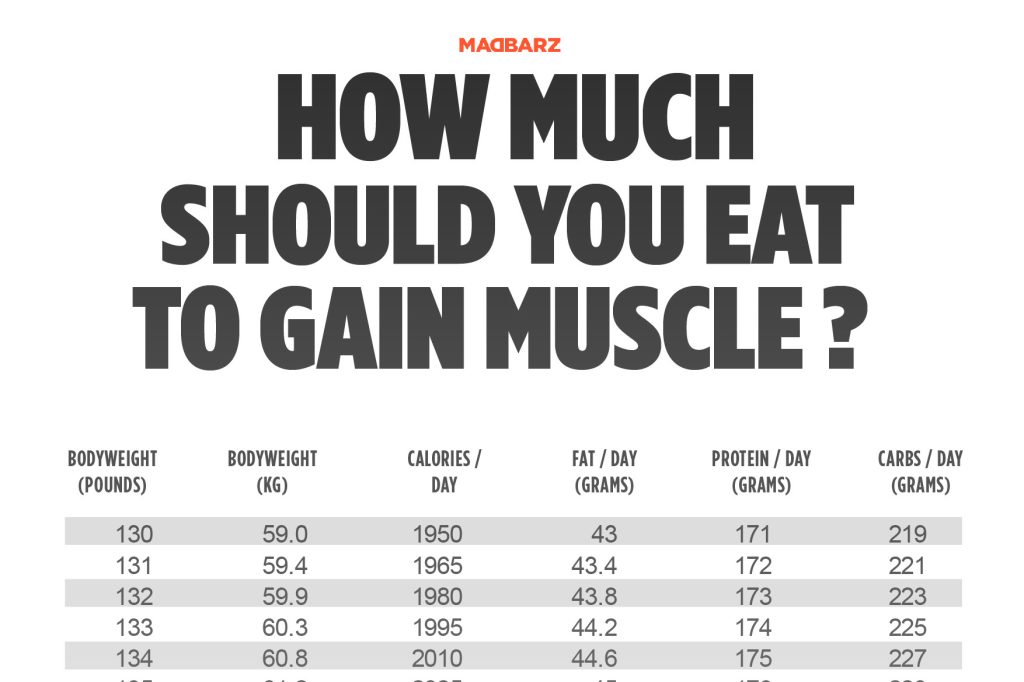
Are you trying to pack on some muscle but unsure how many calories you need to make it happen? You’re not alone.
Figuring out the right amount of calories can feel like solving a puzzle, especially with so many conflicting pieces of advice out there. But don’t worry—you’re about to uncover the secrets to fueling your body for maximum muscle growth. Imagine seeing real changes in the mirror and feeling stronger every day.
Intrigued? Keep reading, because the information ahead could be the game-changer you’ve been looking for in your fitness journey.
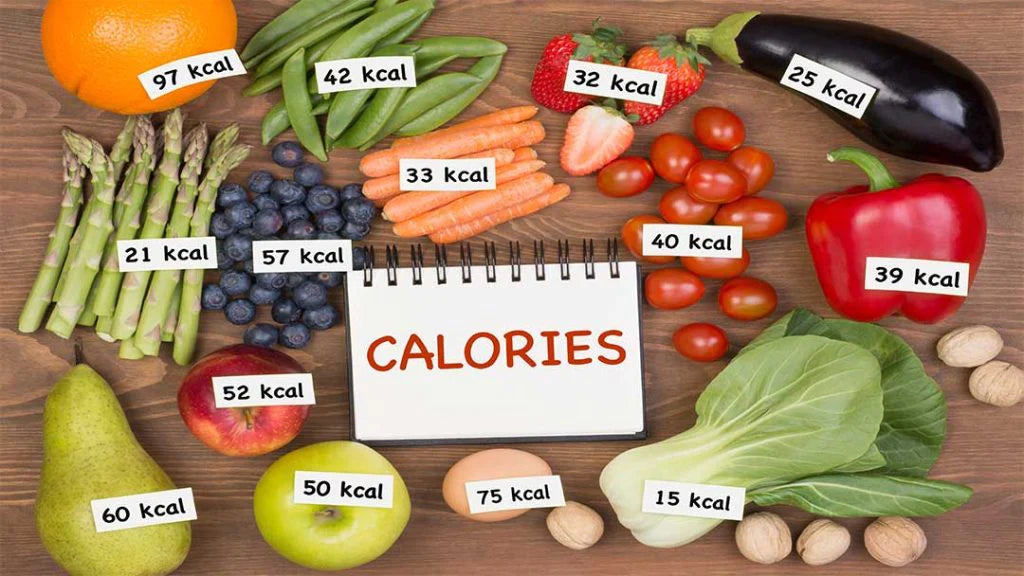
Credit: ironbullstrength.com
Caloric Needs For Muscle Growth
Building muscle requires a careful balance of diet and exercise. Proper caloric intake is essential for muscle growth. Without enough calories, muscles may not develop effectively. Understanding how many calories to consume can help maximize gains.
Understanding Your Basal Metabolic Rate (bmr)
Your BMR represents the calories needed for basic bodily functions. It helps determine your daily caloric needs. Calculate BMR using factors like age, weight, height, and gender.
Calculating Total Daily Energy Expenditure (tdee)
TDEE includes calories burned during daily activities. Exercise increases TDEE significantly. To gain muscle, consume more calories than your TDEE.
Establishing A Caloric Surplus
Consuming a surplus of calories promotes muscle growth. Aim for a surplus between 250 to 500 calories daily. This surplus supports muscle repair and growth.
Monitoring Macronutrient Intake
Protein is crucial for muscle development. Ensure protein intake aligns with your fitness goals. Include carbohydrates for energy and fats for hormone regulation.
Adjusting Caloric Intake Based On Progress
Track progress regularly to adjust caloric intake. Gains may plateau if calories are insufficient. Increase intake gradually to continue muscle growth.
Importance Of Consistency
Consistency in diet and exercise is key. Maintain a regular eating schedule. Ensure workouts are challenging yet sustainable.
.jpg?width=1200&name=Macros-Trifecta-08%20(1).jpg)
Credit: www.trifectanutrition.com
Calculating Your Baseline
Calculating your baseline is crucial when determining how many calories you need to build muscle. It’s a personalized journey that demands understanding your body’s unique requirements. Start by figuring out your basal metabolic rate (BMR), which is the number of calories your body requires to maintain basic functions at rest. Knowing this helps set the foundation for your muscle-building calorie plan. Let’s dive into how you can calculate your BMR and understand the factors affecting your caloric needs.
Understanding Basal Metabolic Rate
Your BMR represents the calories you burn at rest. It’s like your body’s maintenance budget. Calculating your BMR gives you insight into how many calories you need just to keep the lights on.
To calculate your BMR, you can use various formulas, like the Harris-Benedict equation. This takes into account your age, gender, weight, and height. For example, a 25-year-old male weighing 70 kg and standing 175 cm tall might have a BMR of approximately 1700 calories.
Consider this as your starting point. If you’ve ever tried a fitness app or online calculator, you’ve likely seen these numbers pop up. Reflect on how accurate they felt compared to your actual energy levels.
Factors Affecting Caloric Requirements
Several factors influence your daily caloric needs beyond your BMR. Activity level is a big one. The more active you are, the more calories you need to fuel your workouts and recover.
Think about your lifestyle. Are you sitting at a desk all day or on your feet, moving around? Your job and daily routines play a huge role in how many calories you should consume.
Genetics also play a part. Some people naturally burn more calories, even at rest. Reflect on your family’s metabolism traits. Have you noticed patterns in how your relatives gain or lose weight?
Then, there’s the muscle itself. Muscle tissue burns more calories than fat even when you’re not working out. So, as you build muscle, your caloric needs will increase. Are you noticing changes in your appetite as you progress in your muscle-building journey?
Considering these factors can help you tweak your diet effectively. Are you consuming enough to support your workouts and recovery? How are you adjusting your intake as your activity levels change?
Finding the right balance is key. It’s about fueling your body properly to see the gains you want. What adjustments can you make to your diet to optimize your muscle-building process?
Macronutrient Distribution
To build muscle, eating the right amount of calories is essential. Focus on a balanced macronutrient distribution. Aim for proteins, carbs, and fats in proper proportions to fuel muscle growth effectively.
Building muscle isn’t just about hitting the gym; it’s also about what you feed your body. Macronutrient distribution plays a crucial role in this process. Many people focus solely on calorie intake, but understanding the right balance of protein, carbs, and fats can make a significant difference. So, how do you decide what your plate should look like?Role Of Protein In Muscle Building
Protein is often seen as the superstar in muscle building, and for good reason. It’s the building block for muscle repair and growth. You might be wondering, “How much protein do I really need?” Aiming for about 1 to 1.5 grams of protein per pound of body weight is generally recommended. Let’s put this into perspective: if you weigh 150 pounds, you should aim for 150 to 225 grams of protein daily. This might seem like a lot, but think about adding lean meats, eggs, and legumes to your meals. You’ll be surprised how easily you can meet your protein goals.Balancing Carbs And Fats
Carbs and fats often get a bad rap, but they are vital components in muscle building. Carbs provide the energy needed for intense workouts. Without them, you’d struggle to lift heavier weights or sustain longer sessions. Consider including whole grains, fruits, and vegetables in your diet. These not only fuel your muscles but also keep your energy levels stable. Fats, on the other hand, are essential for hormone production, including testosterone. This hormone is crucial for muscle growth. Healthy fats like avocados, nuts, and olive oil should be part of your diet. But here’s a thought-provoking question: Are you consuming enough good fats to support your muscle-building goals? Finding the right balance between carbs and fats can be tricky. A good starting point is a diet with about 40% carbs, 30% protein, and 30% fat. Track your intake and adjust based on how your body responds. Understanding macronutrient distribution could be the game changer in your muscle-building journey. Are you ready to tweak your diet for better gains?Adjusting Caloric Intake
Determining caloric needs for muscle building involves balancing energy intake and expenditure. Consuming extra calories supports growth, but too much can lead to fat gain. Focus on protein-rich foods and complex carbs to fuel workouts and recovery. Adjust based on body type, activity level, and progress.
Adjusting your caloric intake is crucial when your goal is to build muscle. It’s not just about eating more; it’s about finding the right balance that works for you. This process involves understanding your body’s needs, tracking your progress, and making necessary tweaks along the way.Increasing Calories For Muscle Gain
To build muscle, you need to consume more calories than your body burns. But how much more? A general rule is to increase your intake by 250 to 500 calories per day. This range allows you to gain muscle gradually without adding too much fat. Consider what foods you’re adding to meet this increase. Opt for nutrient-dense options like lean proteins, whole grains, and healthy fats. Have you noticed how a small handful of almonds or an extra serving of chicken can make a significant difference?Monitoring Progress And Adjustments
Keeping track of your progress is as important as the initial calorie increase. Regularly check your weight and body measurements to see if you’re gaining muscle. Are you seeing changes in your muscle definition or strength? If you’re not seeing the desired results, it might be time to adjust. This could mean increasing your calorie intake further or changing the types of foods you’re eating. Every body is different, and what works for someone else might not work for you.Common Mistakes
Misjudging calorie needs often hinders muscle growth. Consuming too few calories can limit progress. Eating too much might lead to fat gain instead of muscle. Balancing calorie intake is key to effective muscle building.
When you’re on a mission to build muscle, understanding how many calories you should eat can seem like a daunting task. Many people make common mistakes that can hinder their progress. These missteps often stem from misinformation or a lack of understanding about nutrition and how it impacts muscle growth. Let’s dive into some of these errors and see how you can avoid them to stay on the right track.Overeating And Fat Gain
Some people believe that eating as much as possible will automatically lead to bigger muscles. I once fell into this trap, thinking more food meant more muscle. Instead, I ended up gaining excess fat. Consuming more calories than your body needs can result in fat gain rather than muscle growth. Your body can only build a certain amount of muscle at a time. Eating way beyond your caloric needs won’t speed up muscle growth; it will just increase fat storage. To avoid this, monitor your caloric intake closely. Use a calorie calculator to determine your needs based on your activity level and goals. Keep track of your progress and adjust as necessary. Are you gaining weight too quickly? It might be time to scale back a bit.Underestimating Caloric Needs
On the flip side, some people underestimate the number of calories they need to build muscle. I’ve seen friends struggle to gain muscle because they simply weren’t eating enough. Building muscle requires energy, and that energy comes from food. If you’re not consuming enough calories, your body won’t have the fuel it needs to create new muscle tissue. This can lead to frustration and plateaus in your muscle-building journey. Assess your caloric needs accurately. Consider factors like your metabolism, workout intensity, and body composition goals. Are you feeling sluggish and not seeing progress? You might need to increase your calorie intake slightly. Remember, building muscle is a balance. It’s about giving your body enough fuel to grow without overloading it. By understanding these common mistakes, you can make more informed decisions and optimize your muscle-building efforts. What adjustments can you make today to improve your results?Tools And Resources
Determining caloric intake for muscle building requires effective tools and resources. Understanding your goals and body type is essential. Utilize calorie calculators and fitness apps to track daily intake and monitor progress efficiently.
In the quest to build muscle, knowing the right calorie intake is key. Tools and resources can simplify this process. They help track progress and tailor your diet plan. Using these resources ensures that your efforts are aligned with your muscle-building goals.Tracking Apps And Calculators
Tracking apps and calculators make calorie counting easier. They provide instant feedback on your daily intake. Apps like MyFitnessPal or Cronometer track calories and macros. They help you stay on top of your nutritional needs. Calculators give you a personalized calorie estimate. They consider factors like age, weight, and activity level. This ensures your diet supports muscle growth effectively.Consulting Nutrition Professionals
Consulting nutrition professionals can offer tailored advice. They assess your current diet and suggest improvements. A professional can create a detailed meal plan. This plan aligns with your specific muscle-building goals. They can also help adjust your plan as your needs change. This personalized approach ensures optimal results. Utilizing these tools and resources supports your muscle-building journey. They offer guidance and structure to your dietary habits.
Credit: www.fitfatherproject.com
Frequently Asked Questions
Is 2500 Calories Enough To Build Muscle?
2500 calories may be enough to build muscle, depending on factors like age, gender, and activity level. Adjust calorie intake based on your body’s needs and progress. Focus on protein-rich foods, strength training, and adequate rest to support muscle growth effectively.
Always listen to your body’s signals.
How Many Calories To Gain Muscle Mass?
To gain muscle mass, consume more calories than you burn. Typically, an additional 250-500 calories daily can help. This ensures your body has enough energy for workouts and recovery. Adjust based on your metabolism and activity level.
Should I Count Macros For Muscle Building?
Yes, counting macros helps optimize muscle growth. Focus on protein for muscle repair, carbs for energy, and healthy fats for overall health. Adjust proportions based on your goals and dietary needs.
Can I Build Muscle On A Calorie Deficit?
Building muscle on a calorie deficit is challenging but possible. Focus on high protein intake and strength training. Ensure you’re getting enough nutrients for recovery and energy. Monitor progress and adjust your diet as needed.
Conclusion
Finding the right calorie intake aids in building muscle effectively. Listen to your body and adjust as needed. Balance your meals with proteins, carbs, and fats. Keep track of your progress and stay consistent. Hydration and rest are crucial for muscle growth.
Don’t forget to enjoy your fitness journey. Healthy lifestyle choices lead to better results. Eating right fuels your workouts and recovery. Stay patient and persistent with your goals. Trust the process and celebrate small victories. Building muscle takes time, effort, and dedication.
Stay committed to your plan for success.








