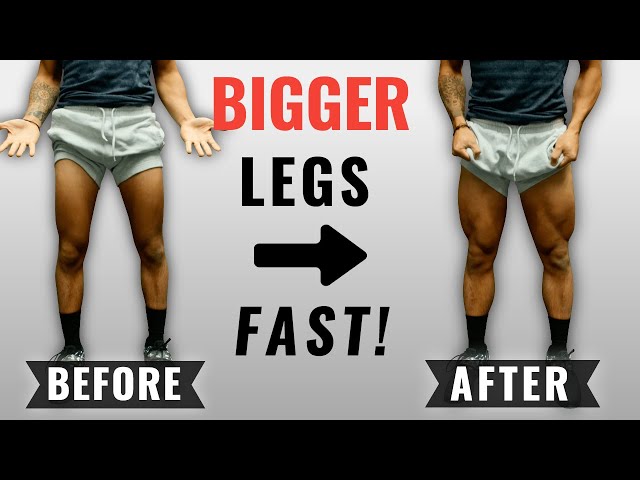
Are you tired of waiting for results every time you hit the gym? Do you find yourself wondering how long it actually takes to build muscle in your legs?
You’re not alone. Many people share your frustration and are eager to know the secrets to more muscular, toned legs. Imagine walking with confidence, flaunting those strong legs that turn heads wherever you go. It’s within your reach, and understanding the timeline can make all the difference.
You’ll uncover the factors that influence muscle growth, realistic expectations for your journey, and practical tips to accelerate your progress. Stick around, and you’ll discover how to transform your leg workouts into a powerhouse routine that delivers visible results. Ready to take the next step towards achieving the legs you’ve always dreamed of? Let’s dive in.
Factors Influencing Muscle Growth
Building muscle in the legs requires dedication and time. Various factors influence how quickly your legs develop muscle. Understanding these can help tailor your workout and nutrition plan for optimal growth.
Genetic Potential
Your genetics play a significant role in muscle growth. Some people naturally build muscle faster due to their genetic makeup. Muscle fiber type and hormonal balance vary among individuals. These genetic factors affect how quickly you can gain muscle.
Age And Gender
Age impacts muscle development. Younger individuals often build muscle more quickly. Their bodies are generally more responsive to exercise. Gender also influences muscle growth. Men typically gain muscle faster due to higher testosterone levels. Women can build muscle too, but the rate might differ.
Diet And Nutrition
Proper diet is crucial for muscle growth. Consuming enough protein supports muscle repair and growth. Carbohydrates provide energy for workouts. Healthy fats aid hormone production. Vitamins and minerals are essential for overall health. Balanced nutrition accelerates muscle development.
Effective Leg Exercises
Leg muscles need time to grow strong. Regular exercises like squats and lunges help. Results often appear in weeks.
Building muscle in the legs requires effective exercises. Targeting leg muscles with the right moves leads to stronger and toned legs. Include these key exercises in your routine for noticeable results. They focus on different muscle groups for balanced growth.Squats And Variations
Squats are a staple in leg workouts. They target the quadriceps, hamstrings, and calves. Keeping your core engaged is crucial. Try different squat variations for better results. Goblet squats use a dumbbell for added resistance. Front squats shift the focus to the quadriceps more. Bulgarian split squats improve balance and strength. Start with bodyweight squats. Gradually add weights as you progress. Consistency is key for muscle growth.Lunges And Step-ups
Lunges are excellent for leg development. They work the quadriceps, hamstrings, and glutes. Step-ups strengthen the same muscles efficiently. Use a bench or a sturdy box for step-ups. Alternating lunges improve stability and coordination. Walking lunges add a dynamic element to your workout. Incorporate weights for increased intensity. Focus on maintaining proper form. This prevents injuries and maximizes gains.Leg Press And Extensions
The leg press machine targets the quadriceps and glutes. Adjust the seat for proper alignment. Begin with lighter weights. Gradually increase as your strength improves. Leg extensions isolate the quadriceps effectively. They enhance muscle definition and endurance. Keep the movements controlled to avoid strain. Combine these exercises for comprehensive leg development. They complement squats and lunges perfectly.Training Frequency And Volume
Building muscle in legs requires consistent training and proper volume. Leg muscles grow with regular workouts and gradual intensity increase. Aim for balanced frequency and volume to see noticeable results.
Building muscle in your legs requires a strategic approach to training frequency and volume. These elements are crucial in determining how quickly you can see results. While some people might train sporadically, a consistent and well-structured plan can make all the difference. Let’s dive into the optimal workout schedule, intensity, and recovery to maximize your leg muscle growth.Optimal Workout Schedule
Creating an effective workout schedule is essential. Aim for leg workouts 2-3 times per week. This frequency allows for adequate muscle stimulation without overtraining. For instance, you might do squats and lunges on Monday, deadlifts and calf raises on Wednesday, and a mix of exercises on Friday. Consistency is key. Missing a session can set back your progress. Have you ever skipped leg day and regretted it? Stick to your plan and watch your legs transform.Balancing Intensity And Recovery
While pushing yourself is important, balance it with recovery. High intensity workouts are great, but they require proper rest. After a tough leg session, your muscles need time to repair. This is when growth happens. Ensure you’re getting enough sleep and rest days. Think about how you feel after a workout. Exhausted or energized? Use that as a gauge for adjusting intensity. Listen to your body, it knows best. Incorporate lighter exercises or active recovery like walking to help with muscle repair. How often do you allow your legs to recover fully? Recovery is as vital as the workout itself.
Credit: www.youtube.com
Role Of Nutrition In Muscle Building
Proper nutrition fuels muscle growth in legs. Protein and carbs are vital for strength and recovery. Nutrient-rich foods help build muscle faster and efficiently.
Building muscle in your legs requires more than just hitting the gym. Nutrition plays a crucial role in ensuring your muscles have the fuel they need to grow. Without proper nourishment, your efforts can fall short. Your dietary choices can either accelerate or hinder your muscle-building journey. So, what should you eat to make sure your legs are getting the best support?Protein Intake And Timing
Protein is essential for muscle repair and growth. Your muscles are like a sponge for protein, especially after a workout. Aim to consume a protein-rich meal within 30 minutes post-exercise. This could be a chicken breast, tofu, or a protein shake. Consider spreading your protein intake throughout the day. This keeps your muscles supplied with the necessary amino acids for continuous repair. Think of protein as the building blocks for your leg muscles.Carbohydrates For Energy
Carbs are your body’s primary energy source. Without them, your workouts might feel sluggish. Before leg day, opt for complex carbs like oats or whole grain bread. These provide sustained energy. Don’t shy away from carbs post-workout either. They help replenish glycogen stores, aiding recovery and muscle growth. Imagine carbs as the fuel that keeps your workout engine running smoothly.Hydration And Muscle Recovery
Hydration is often overlooked but is vital for muscle health. Water helps transport nutrients to your muscles. Dehydrated muscles are more prone to cramps and fatigue. Keep a water bottle handy during workouts. Sip regularly to stay hydrated. After exercising, focus on replenishing lost fluids to support recovery. Proper hydration can be the difference between sore muscles and a smooth recovery. Have you ever finished a workout and felt unusually fatigued? It might be your nutrition. Taking care of what you eat can turn your leg workouts from good to great. What changes can you make today to support your muscle-building goals?Importance Of Rest And Recovery
Building muscle in legs requires rest and recovery for optimal results. Muscles grow stronger during rest periods, not workouts. Adequate sleep and nutrition significantly enhance muscle development, ensuring your legs gain strength efficiently.
Building muscle in your legs requires more than just hitting the gym hard. Rest and recovery are crucial in this process. Without proper rest, your body can’t repair and grow stronger. Think of it as giving your muscles the downtime they need to rebuild. This is where you make the real gains. Let’s dive into why sleep and active recovery are essential for leg muscle development.Sleep Quality And Duration
Quality sleep is the foundation of effective recovery. During deep sleep, your body repairs muscle tissues, balancing hormones that affect muscle growth. Aim for 7-9 hours of uninterrupted sleep each night to optimize muscle recovery. Consider creating a relaxing bedtime routine. This could involve turning off screens an hour before bed or enjoying a warm bath. A consistent schedule helps your body regulate its internal clock, promoting better sleep quality.Active Recovery Techniques
Active recovery involves low-intensity activities that promote blood flow without straining your muscles. Walking, cycling at a leisurely pace, or doing yoga can be excellent options. These activities help reduce muscle soreness while keeping your legs flexible. Have you ever tried foam rolling? It’s a simple yet effective way to release muscle tension. Spend just a few minutes rolling out your leg muscles to enhance recovery and reduce stiffness. What recovery methods work best for you? Experiment with different techniques to see which ones your body responds to positively. Remember, rest is not about doing nothing—it’s about doing what’s necessary for your muscles to grow.
Credit: aminoco.com
Tracking Progress And Adjustments
Tracking progress is crucial in building muscle in your legs. It helps identify what’s working and what’s not. Regular assessments can guide your workout adjustments. This ensures continuous muscle growth. Let’s explore how to track effectively.
Measuring Strength Gains
Strength gains are a clear indicator of progress. Record the weight you lift in leg exercises. Keep track of reps and sets completed each session. Noticeable strength increases mean muscle growth. Use a workout journal or app for consistency.
Test your strength every few weeks. Compare your results to previous records. This reveals your progress clearly. Celebrate small victories. They motivate and confirm your efforts are paying off.
Adapting Workouts For Plateaus
Plateaus can stall progress. Adjusting your workout routine can break them. Change the exercises or their order. Increase weights or reps slightly. Introduce new variations of leg exercises. This challenges muscles differently.
Listen to your body. Rest is vital for muscle recovery. Ensure you’re getting enough protein and hydration. These factors aid in overcoming plateaus. Stay patient and persistent with your efforts.
Common Mistakes To Avoid
Building muscle in your legs takes time and effort. Many people make mistakes that slow their progress. Knowing these common pitfalls can help you stay on track. Avoiding them can lead to better results and fewer setbacks.
Overtraining Risks
Overtraining can harm your progress. It happens when you push too hard without enough rest. Your muscles need time to repair and grow. Working out every day can do more harm than good. This can lead to injuries and burnout. Aim for three to four leg workouts each week. Balance intensity with adequate rest.
Ignoring Flexibility And Mobility
Flexibility and mobility are often overlooked. They play a crucial role in muscle growth. Tight muscles can limit your range of motion. This can affect your exercise form and effectiveness. Include stretching and mobility exercises in your routine. This helps improve performance and prevents injuries. Spend time warming up before workouts. Cool down with stretching to maintain flexibility.
Credit: greensafaris.com
Frequently Asked Questions
What Is The Quickest Way To Build Leg Muscle?
The quickest way to build leg muscle is through compound exercises like squats and lunges. Prioritize progressive overload and ensure proper form. Incorporate resistance training and maintain a balanced diet rich in protein. Adequate rest and hydration also support muscle growth.
Consistency is key for achieving noticeable results.
Are Leg Muscles Hard To Build?
Building leg muscles requires consistent effort and targeted exercises. With dedication, results become visible over time. Focus on squats, lunges, and deadlifts to strengthen leg muscles effectively. Proper nutrition and rest are essential for muscle growth. Stay committed to your fitness routine for optimal leg muscle development.
Are Legs A Fast-growing Muscle?
Leg muscles generally grow slower than other muscle groups. Consistent training and proper nutrition boost growth. Prioritize exercises like squats and lunges. Genetics also play a role in growth rate. Focus on progressive overload and recovery for best results. Patience is key in building strong and muscular legs.
How Quickly Can Leg Muscles Grow?
Leg muscle growth varies based on factors like genetics, diet, and workout intensity. Typically, noticeable changes occur within 6-8 weeks of consistent training. Combining strength exercises, proper nutrition, and recovery can enhance results. Always consult a fitness expert for personalized advice.
Conclusion
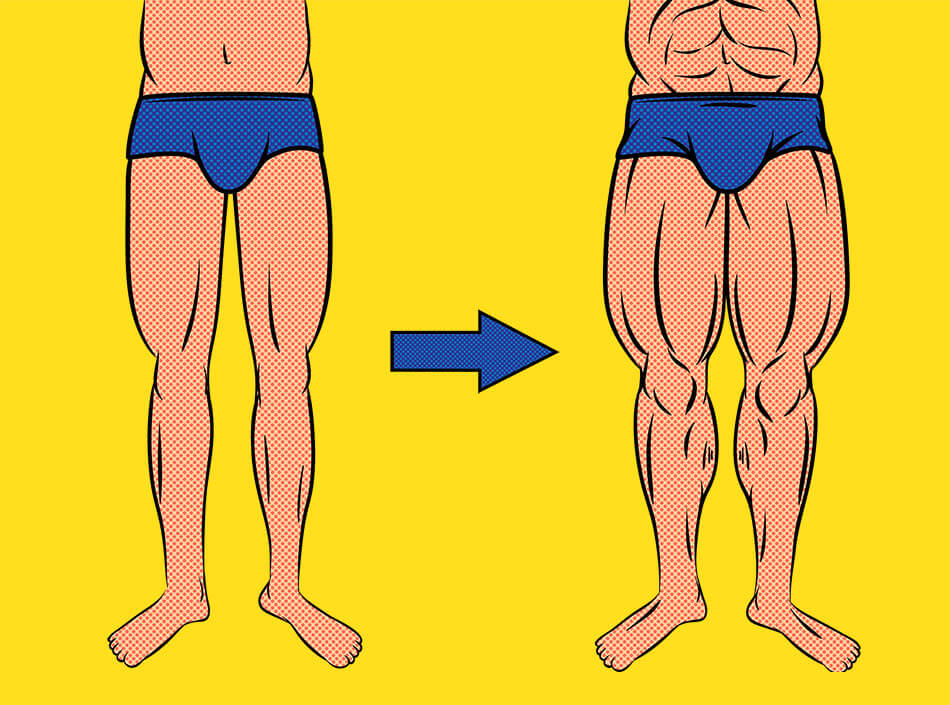
Building muscle in legs takes time and consistency. Results vary for everyone. Some see changes in weeks, others in months. Patience is key. Focus on a balanced diet and regular exercise. Rest is crucial too. Muscles grow during recovery. Set realistic goals.
Track your progress. Stay motivated. Celebrate small achievements. Every step counts. Remember, it’s a journey, not a race. Consistency and dedication will bring success. Keep pushing forward. Your hard work will pay off. Stronger legs are within reach. Stay committed and enjoy the process.








