
Are you wondering how many pushups you need to do to start building muscle? You’re not alone.
This common question can be the key to transforming your fitness routine and achieving your goals. Pushups are a classic exercise that can help you build strength and muscle without any fancy equipment. But figuring out the right number can feel like a puzzle.
Whether you’re just starting out or you’re looking to take your workouts to the next level, knowing the right amount can make all the difference. Dive in to discover how many pushups you should aim for, and unlock the secrets to maximizing your muscle growth. Let’s get started on your path to a stronger you!
Benefits Of Pushups
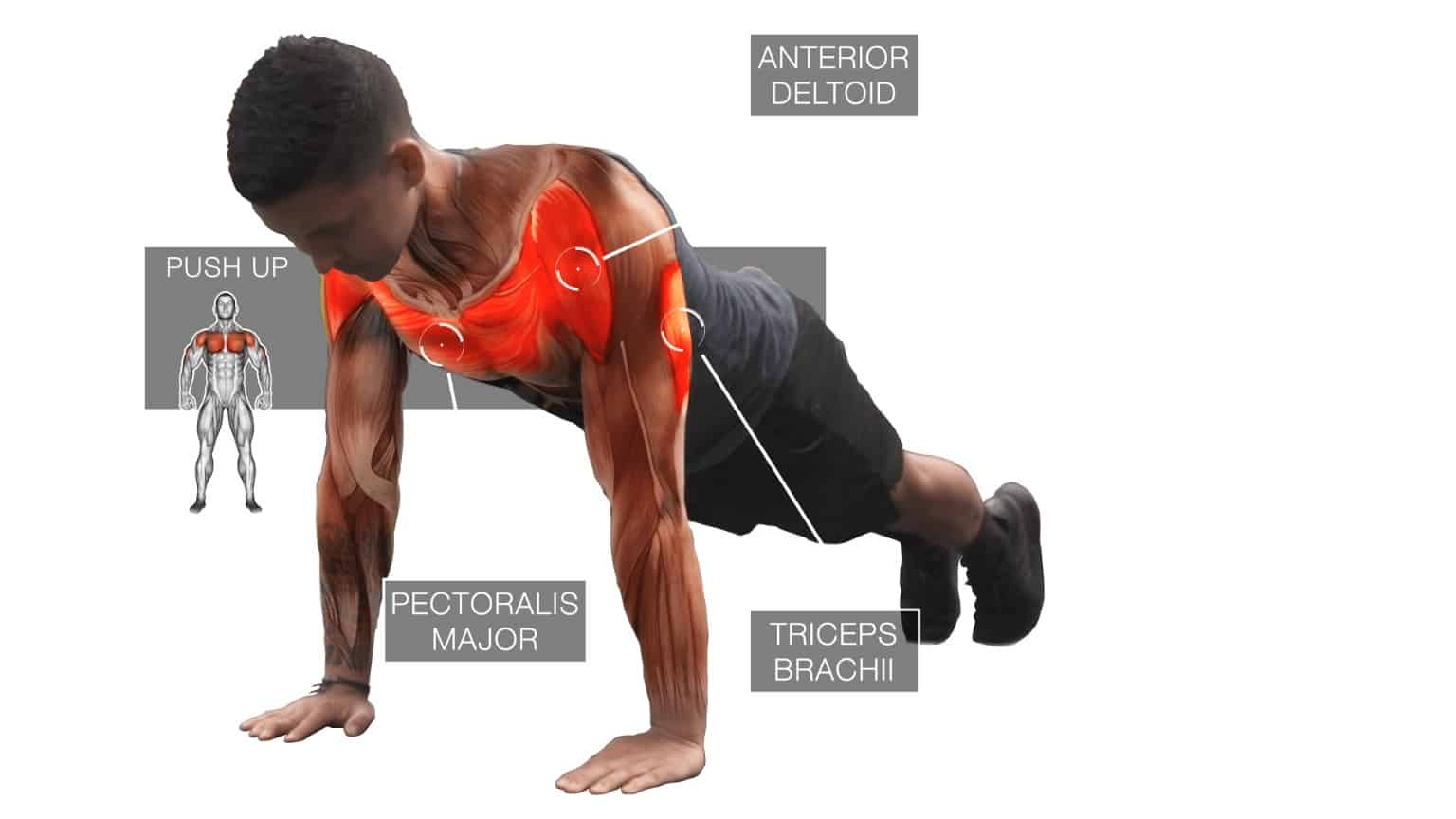
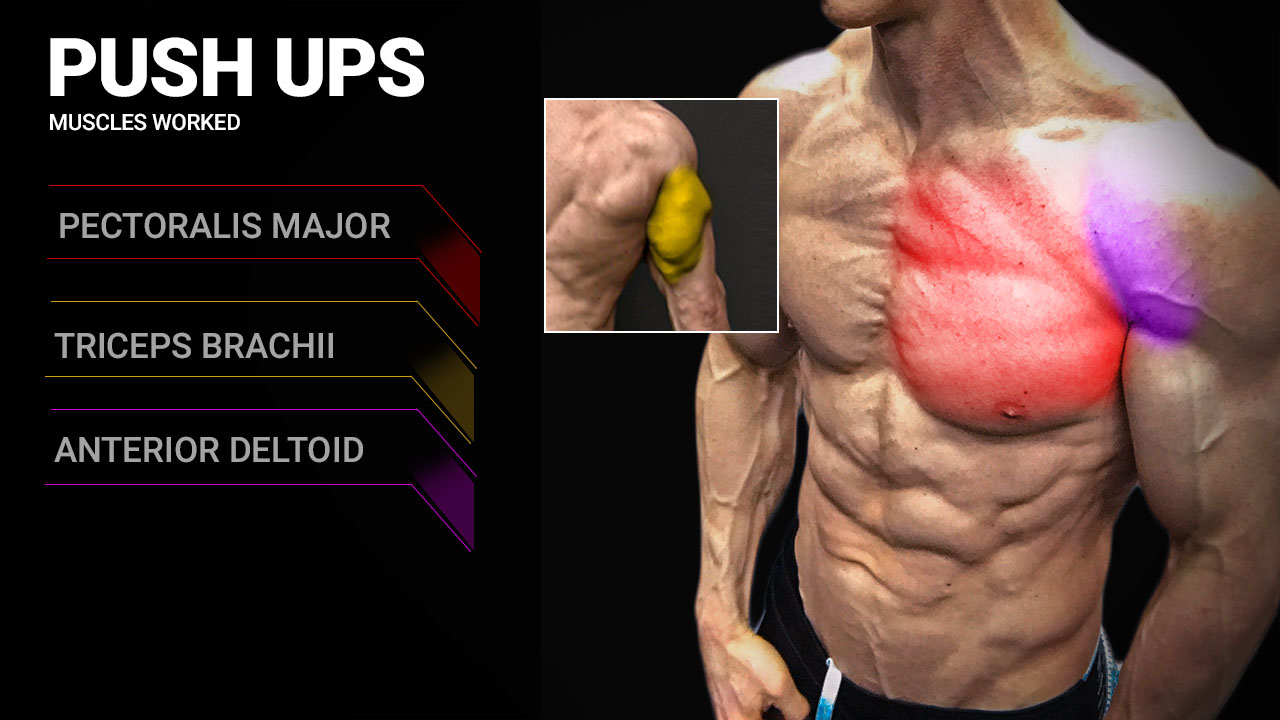
Pushups are a classic exercise known for their simplicity and effectiveness. They offer numerous benefits for those seeking to build muscle and improve fitness. Regularly performing pushups can enhance strength and endurance. This exercise targets multiple muscle groups, including the chest, shoulders, and triceps. Pushups also contribute to core stability and improve overall body posture.
1. Improves Upper Body StrengthPushups are excellent for building upper body strength. They primarily target the chest muscles, shoulders, and triceps. By engaging these muscles, pushups help increase muscle mass and strength. With consistent practice, you’ll notice improved muscle tone and power.
2. Enhances Core StabilityMaintaining a plank position during pushups engages the core muscles. This strengthens the abdominal and lower back muscles. A strong core supports better posture and reduces the risk of injuries. Pushups are a great way to enhance core stability.
3. Boosts Cardiovascular HealthPushups are not just for building muscle. They also elevate heart rate, promoting cardiovascular health. Performing pushups regularly can improve blood circulation and heart efficiency. This makes pushups a valuable part of a fitness routine.
4. Increases Functional FitnessPushups mimic movements used in daily activities. This makes them excellent for functional fitness. They improve the ability to push, lift, and carry objects. Pushups enhance overall body coordination and balance.
5. Offers Versatile VariationsPushups can be modified to suit different fitness levels. Beginners can start with knee pushups. Advanced variations include clap pushups and decline pushups. This versatility keeps workouts engaging and challenging.
Credit: builtwithscience.com
Factors Affecting Pushup Reps
Wondering how many pushups you should do to build muscle? The answer isn’t one-size-fits-all. Several factors influence the number of pushup reps you should aim for. Understanding these can help you tailor your pushup routine to suit your body’s needs and maximize muscle growth. Let’s dive into these factors.
Fitness Level
Your current fitness level plays a crucial role in determining how many pushups you should do. If you’re a beginner, you might start with fewer reps to avoid strain and injury. Focus on proper form and gradually increase your count. Advanced fitness enthusiasts can aim for higher reps, pushing their limits to build more muscle.
Think about your endurance. Can you maintain good form throughout your set? If not, reduce the reps and work up to more as your stamina improves. Consistency is key, but remember to listen to your body.
Age And Gender
Age affects your ability to perform pushups and build muscle. Younger individuals often have more energy and faster recovery, allowing them to do more reps. As you age, focus on maintaining strength and adjusting reps as needed.
Gender also influences pushup performance. Generally, men may find it easier to do more pushups due to natural muscle mass differences. Women can still build muscle effectively but might start with fewer reps, focusing on gradual progress.
Body Weight
Your body weight significantly impacts the number of pushups you can perform. Heavier individuals might find pushups more challenging due to the increased resistance. This can lead to muscle growth, but initial reps might be lower.
If you’re lighter, you might perform more reps, but the focus should be on building muscle through controlled movements. Consider adding variety to your pushup routine to target different muscle groups and enhance overall strength.
Have you considered the role of consistency in muscle building? How can adjusting pushup reps based on these factors benefit your fitness journey? Tailor your approach to pushups and watch your progress unfold.
Proper Pushup Form
To build muscle with pushups, mastering the right form is crucial. It’s not just about numbers; it’s about doing each pushup correctly. Proper form ensures you engage the right muscles, avoid injury, and get the most out of your workout. Let’s dive into the essentials of proper pushup form.
Hand Placement
Your hand placement can make or break your pushup efficiency. Place your hands shoulder-width apart for standard pushups. This position helps target your chest and triceps effectively. Too wide or too narrow can strain your shoulders or wrists.
Have you ever found your wrists aching after pushups? Adjust your hand placement slightly to find comfort while maintaining stability.
Think of your hands as the foundation. A firm grip on the ground stabilizes your movement and boosts muscle engagement.
Body Alignment
Your body alignment is key to a successful pushup. Maintain a straight line from head to heels. Engage your core to keep your hips from sagging or lifting too high.
Imagine a plank position. That’s your pushup starting point. This alignment not only ensures effectiveness but also protects your lower back.
Check your posture in a mirror or ask a friend to observe. Are you aligned correctly? This simple check can prevent long-term issues.
Breathing Techniques
Breathing might seem secondary, but it can enhance your pushup performance. Inhale as you lower your body, exhale when pushing up. This rhythm stabilizes your core and provides energy.
Ever found yourself holding your breath during a tough set? It’s common but can lead to fatigue. Focus on consistent breathing to maintain your stamina.
How does breathing impact your pushup routine? Controlled breathing aligns your movements and maximizes muscle gain.
What does your pushup form say about your workout habits? By perfecting these elements, you not only build muscle but also develop a safer, more efficient exercise routine. Remember, it’s not just the number of pushups but how well you do them that counts.
Recommended Pushup Repetitions
Building muscle with pushups depends on your fitness level. Beginners might start with 10-15 repetitions. Intermediate exercisers aim for 20-30 reps. Advanced individuals challenge themselves with 40 or more pushups. Adjust reps based on your strength and progress.
When aiming to build muscle with pushups, repetition counts matter. The number of pushups you should do varies by your fitness level. Understanding your category helps in crafting an effective routine. Let’s explore recommended pushup repetitions for different fitness levels.Beginners
Beginners should start slowly to avoid injury. Aim for 3 sets of 5 to 10 pushups. Focus on form over quantity. Rest between sets is important. Allow your muscles to recover. As you progress, gradually increase repetitions. Consistency will build strength.Intermediate
Intermediate levels can handle more volume. Try 3 sets of 12 to 20 pushups. Challenge yourself with variations. Incline pushups or diamond pushups add intensity. Keep your core tight and back straight. Proper technique ensures better muscle growth.Advanced
Advanced individuals need a greater challenge. Perform 4 sets of 20 to 30 pushups. Increase intensity with weighted vests. Explore advanced variations like clap pushups. Focus on controlled movements. High repetitions boost endurance and strength. Adjust based on your personal goals.Pushup Variations For Muscle Building
Building muscle with pushups isn’t just about repetition. It’s also about variety. By switching up your pushup technique, you target different muscle groups and prevent workout boredom. Have you ever wondered why your muscles hit a plateau? Changing your pushup style can break that cycle. Let’s dive into some effective variations that will transform your routine.
Incline Pushups
Incline pushups are a fantastic way to target your lower chest and shoulders. To do this, place your hands on an elevated surface like a bench or step. The higher the incline, the easier the pushup becomes, making it perfect for beginners. If you’re looking to add muscle definition, challenge yourself by decreasing the height over time.
Incline pushups also reduce the pressure on your wrists, a great relief if you’ve faced wrist discomfort. Trying these out might be the change you need to keep your pushup routine fresh.
Decline Pushups
Feeling adventurous? Decline pushups are the answer. With your feet elevated on a surface, this variation shifts the focus to your upper chest and shoulders. It’s a tougher variation, demanding more from your core for balance. Remember the first time you tried a decline pushup and felt that intense muscle burn? That’s your body adapting and growing.
It’s essential to maintain form. Keep your body straight, and don’t let your hips sag. Are you ready for the challenge?
Diamond Pushups
Diamond pushups are the ultimate tricep builder. By placing your hands close together, forming a diamond shape with your fingers, you emphasize the triceps more than the chest. It’s not just about building bigger arms; it’s about building strength.
Try doing a few, and you’ll feel the burn in your triceps. This variation can be demanding, so consider starting with your knees on the ground. If you’re aiming for those toned arms, diamond pushups are a must in your workout arsenal.
Remember, variety is the spice of life—and your workout. Changing up your pushup routine can be the key to building muscle and keeping things interesting. Which variation are you excited to try today?
Credit: learn.athleanx.com
Incorporating Pushups Into Workouts
Build muscle with pushups by aiming for 3 sets of 10-15 repetitions. Gradually increase reps as strength improves. Focus on maintaining proper form to maximize results and prevent injury.
Incorporating pushups into your workouts can be a game-changer in building muscle and enhancing overall fitness. Pushups are versatile and can fit seamlessly into any routine, whether you’re a beginner or a seasoned athlete. But how exactly should you structure your pushup regimen to maximize results? Let’s dive into the details.Frequency And Volume
Deciding how often and how many pushups you should do is crucial. Typically, starting with three to four sessions a week provides a balance between giving your muscles time to recover and keeping them engaged. Aim for three sets of 10-15 pushups if you’re a beginner. As you progress, you can increase the number of sets and reps based on your comfort and stamina.Pairing With Other Exercises
Pushups pair well with a variety of other exercises to create a balanced workout routine. Consider combining pushups with squats and lunges for a full-body workout. Adding exercises that target different muscle groups ensures that no part is neglected. You could try a circuit that includes pushups, planks, and jumping jacks, keeping your routine dynamic and engaging.Progressive Overload
To build muscle effectively, you need to challenge your muscles consistently. Progressive overload is a method that involves gradually increasing the difficulty of your workouts. You can do this by adding more reps, increasing the number of sets, or trying more challenging pushup variations. Elevate your feet for a decline pushup or try clap pushups for added intensity. Ever wondered if you’re pushing yourself hard enough? Track your progress over time to ensure that you’re continuously improving. Reflect on where you started and where you are now. Are you achieving the increase in strength and endurance you aimed for? If not, consider tweaking your routine to better suit your growth.Common Mistakes To Avoid
Pushups are a popular exercise for building muscle. Yet, many people make common mistakes. These errors can hinder progress. Avoiding these pitfalls is crucial for effective results.
Not Using Proper Form
Proper form is essential in pushups. Many people overlook this. Incorrect form can lead to injuries. It also reduces the effectiveness of the exercise. Ensure your body is straight. Keep your hands shoulder-width apart. Your elbows should not flare out.
Doing Too Many Too Quickly
Some think more pushups mean faster results. This is a mistake. Quality matters more than quantity. Focus on controlled movements. Start with a number you can handle. Gradually increase as you build strength.
Ignoring Rest Days
Rest days are vital. Muscles need time to recover and grow. Skipping rest can lead to fatigue. It might also cause muscle strain. Plan regular rest days in your routine.
Neglecting Other Muscle Groups
Pushups primarily target the chest and arms. Some neglect other muscle groups. Balance is key in a workout routine. Include exercises for legs, back, and core. This ensures overall muscle development.
Not Breathing Properly
Breathing is often overlooked. Proper breathing aids performance. Inhale on the way down. Exhale as you push up. This helps maintain energy levels. It also improves focus and endurance.

Credit: www.youtube.com
Expert Tips For Maximizing Results
Understanding how many pushups you should do to build muscle can be challenging. Pushups are a powerful bodyweight exercise. They help strengthen your upper body and core. To get the best results, consider expert tips that focus on consistency, tracking progress, and listening to your body. These methods will help you maximize your muscle growth effectively.
Consistency
Consistency is key to muscle building. Set a regular schedule for your pushup routine. Doing pushups three to four times a week can be effective. Gradually increase the number of pushups as your strength improves. This steady approach helps muscles grow and prevents injury.
Tracking Progress
Tracking your progress keeps you motivated. Use a journal or app to record your pushups. Note down the number of sets and reps you complete. Regularly check your progress to see how far you’ve come. Adjust your routine based on your growth. This helps you set new goals and stay on track.
Listening To Your Body
Listen to your body to avoid overtraining. Pay attention to any signs of fatigue or pain. Rest when needed to allow muscles to recover. Recovery time is essential for muscle growth. If something feels off, it might be time to scale back. Always prioritize your health and well-being.
Frequently Asked Questions
How Many Push-ups A Day Will Build Muscle?
Doing 20-50 push-ups daily can help build muscle, depending on fitness level. Ensure proper form and increase reps gradually. Combine push-ups with a balanced diet and strength training for better results. Listen to your body and adjust intensity to avoid injury.
Consistency is key for muscle growth.
Can 100 Pushups A Day Build Muscle?
Yes, 100 pushups a day can build muscle, especially for beginners. Consistency increases strength and endurance. For optimal results, combine with varied exercises and proper nutrition. Remember to listen to your body and rest when needed to prevent injury.
How Many Pushups Are Effective For Muscle Growth?
To build muscle, aim for 3 sets of 8-12 pushups. This range targets hypertrophy effectively, helping you gain strength and size. Adjust the number according to your fitness level. Gradually increase reps or add variations as you progress to continue challenging your muscles.
Can Pushups Alone Build Upper Body Muscle?
Yes, pushups can build upper body muscle effectively. They target the chest, shoulders, and triceps. For balanced growth, incorporate variations like incline pushups or diamond pushups. Combine pushups with other exercises for comprehensive strength training, ensuring overall muscle development.
Conclusion
Building muscle with pushups takes consistency and the right technique. Start with a number you can handle. Focus on form and gradually increase repetitions. Listen to your body and rest when needed. It’s not just about quantity; quality matters too.
Combine pushups with a balanced diet for the best results. Remember, progress takes time. Stay patient and committed. Adjust your routine as you get stronger. Celebrate small victories along the way. Keep pushing forward, and you’ll see improvements. Your journey is unique, so find what works best for you.








