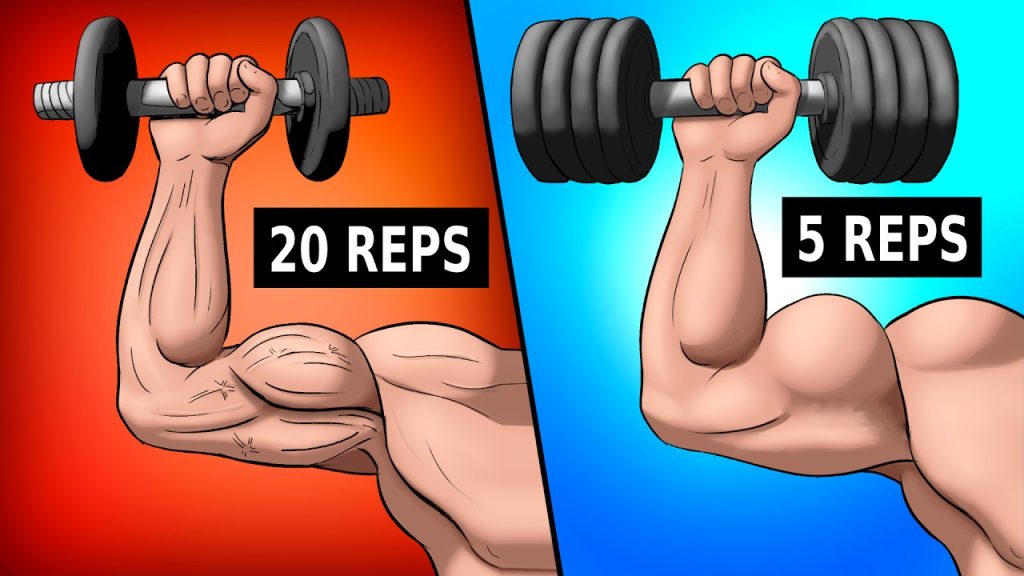
Are you trying to build muscle but confused about the right workout strategy? You’re not alone.
Many fitness enthusiasts grapple with the question of whether lifting lighter weights with more repetitions is the key to muscle growth. It’s an intriguing debate that can significantly impact your fitness journey. Imagine maximizing your gains without the heavy lifting that often leaves you exhausted.
This method might be the game-changer you need, but is it truly effective for muscle building? Let’s dive deeper into this topic and discover if low weight, high reps could be your ultimate muscle-building strategy. Get ready to unravel the truth and transform your workout routine!
Science Of Muscle Growth
The science of muscle growth fascinates many fitness enthusiasts. Understanding it can enhance your workout results. Muscles grow through a process called hypertrophy. This involves increasing the size of muscle cells. Several factors influence this growth. Weight and repetition play crucial roles. Let’s delve into these aspects to see how they impact muscle building.
Hypertrophy Basics
Hypertrophy is the key to muscle growth. It occurs when muscle fibers thicken. Exercise stimulates this process. Resistance training is effective for hypertrophy. It stresses the muscles, leading to growth. Nutrients and rest also support hypertrophy. Proper nutrition feeds muscles. Rest allows recovery and growth. All these contribute to larger, stronger muscles.
Role Of Repetitions And Weight
Repetitions and weight are vital in muscle growth. Low weight high reps focus on endurance. They increase muscular stamina. High reps with low weight can lead to hypertrophy. They engage slow-twitch muscle fibers. These fibers grow with consistent training. On the other hand, heavy weight low reps build strength. They target fast-twitch fibers. These fibers are responsible for power. Both methods have their benefits. Consider your goals when choosing a routine.
Low Weight High Reps Explained
Low weight high reps is a popular method in fitness circles. Many believe it helps build muscle. It focuses on using lighter weights with more repetitions. This technique contrasts with traditional heavy lifting. Understanding its benefits is important for effective workouts.
Definition And Method
Low weight high reps involves lifting lighter weights. The main goal is to increase the number of reps. Usually, this means doing 15 or more reps per set. It can help improve muscle endurance. This method targets slow-twitch muscle fibers. These fibers are responsible for endurance activities. It also promotes blood flow to the muscles.
Common Misconceptions
Some think low weight high reps won’t build muscle. They believe only heavy lifting is effective. This is not entirely true. Muscle growth depends on tension and time under load. Low weight high reps can still achieve this. It can also prevent injuries. This method reduces stress on joints and tendons. It is suitable for beginners and advanced athletes. It also offers variety in workout routines.
Benefits Of Low Weight High Reps
Low weight high reps training offers unique benefits for muscle building. This approach focuses on lighter weights and performing more repetitions. It contrasts with lifting heavy weights for fewer reps. Many athletes and fitness enthusiasts favor this method. It enhances endurance, supports joint health, and boosts overall stamina. Let’s explore these advantages further.
Endurance And Stamina
Low weight high reps increase muscular endurance. Your muscles work for longer periods. This improves stamina. You can perform daily tasks with ease. Athletes often use this method. It helps in sports that require sustained activity. Running, cycling, and swimming benefit from this training. It builds a solid foundation for overall fitness.
Joint And Tendon Health
Heavy lifting can strain joints and tendons. Low weight high reps reduce this risk. The lighter load means less stress on your body. It is suitable for those with joint issues. Older adults find it beneficial. It promotes healthy movement without discomfort. Tendons strengthen over time, supporting muscle growth.

Credit: m.facebook.com
Drawbacks To Consider
While the method of using low weight high reps can be effective for muscle building, it is not without drawbacks. These potential issues may impact your progress and overall satisfaction. Understanding these challenges can help you make informed decisions about your workout strategy.
Potential For Plateaus
Repeatedly using the same low weight can lead to plateaus. Your muscles adapt to the weight over time. Muscle growth may stall as a result. To continue growing, muscles need new challenges. Without increasing weight, you might find progress slows. This can be frustrating for those seeking continuous improvement. Introducing variety in your routine can help overcome this.
Time And Commitment
Low weight high reps require longer workout sessions. Completing high reps can be time-consuming. You must dedicate sufficient time to maintain results. Busy schedules might make this difficult. Consistency is key for muscle growth. Missing sessions may hinder progress. This approach demands commitment and discipline. Ensure your lifestyle supports this commitment.
Comparing To High Weight Low Reps
Building muscle can be achieved through low weight high reps, promoting endurance and muscle tone. This approach increases muscle fatigue and growth through higher repetitions. Balancing both methods can enhance overall strength and physique.
When it comes to building muscle, the debate between low weight high reps and high weight low reps is a common one. Each method has its own merits and can be effective depending on your goals. Whether you’re aiming for bigger muscles or increased strength, understanding the differences can help you tailor your workout to your needs.Strength Gains
High weight low reps are known for maximizing strength. When you lift heavier weights, your muscles adapt to the increased load, which can lead to greater strength gains. This method is often favored by powerlifters and those focused on improving their one-rep max. Low weight high reps, on the other hand, can still contribute to strength but in a different way. It enhances muscular endurance, which can improve your ability to perform exercises over a longer period. This can be beneficial if you’re looking to improve your overall fitness level or engage in endurance sports.Muscle Mass Differences
Building muscle mass often involves increasing the size of your muscle fibers. High weight low reps typically stimulate type II muscle fibers, which are responsible for explosive and powerful movements. This can lead to significant muscle growth, especially if paired with proper nutrition and recovery. Low weight high reps target type I muscle fibers, which are more endurance-focused. While these reps might not lead to the same size increases as heavier weights, they can improve muscle tone and definition. Consider what you want to achieve: bigger muscles or more defined ones? If you’re unsure, why not incorporate both methods into your routine for a balanced approach? Your muscles may surprise you with their adaptability and growth. Both methods have their place in a well-rounded fitness program. Have you tried alternating between the two to see which yields the best results for you? Your body might just respond better to variety than you think.
Credit: www.youtube.com
Ideal Scenarios For Low Weight High Reps
Low weight and high reps can be ideal for toning muscles and increasing endurance. This approach helps maintain muscle tension over time, leading to improved muscle definition. Suitable for beginners and those aiming for lean muscles without bulk.
Ideal Scenarios for Low Weight High Reps If you’re wondering whether low weight high reps are right for you, consider your goals and circumstances. This approach isn’t just about building muscle; it can be ideal for specific scenarios. When used correctly, it can enhance your fitness journey in unexpected ways.Rehabilitation And Recovery
If you’ve ever faced an injury, you know how challenging the road to recovery can be. Low weight high reps offer a gentle way to rebuild strength without overstraining your muscles. This method is particularly beneficial during rehabilitation as it promotes blood flow, which aids in healing. I remember a time when a sprained wrist halted my gym sessions. Incorporating low weight high reps helped me regain my strength and confidence gradually. Would you consider easing back into your routine with this approach? It could be the perfect balance between rest and activity.Specific Sport Training
Are you training for a sport that requires endurance rather than sheer power? Low weight high reps might be your secret weapon. For sports like rowing or cycling, where muscle endurance is key, this method enhances stamina and muscular endurance. It mimics the repetitive movements in your sport without causing fatigue from heavy lifting. Imagine pushing through the last miles of a cycling race with less fatigue. That’s the power of training smartly with low weight high reps. Could this be the missing link in your sports training regimen? In both scenarios, low weight high reps serve a purpose beyond muscle building. They support recovery and enhance sport-specific endurance, offering versatility in your fitness plan.Expert Opinions
Experts weigh in on the debate over low weight, high reps for muscle growth. Some suggest it enhances endurance and muscle tone. Others argue that heavier weights are essential for substantial muscle gain.
When it comes to building muscle, the debate between low weight high reps versus heavy weight low reps is never-ending. Many fitness enthusiasts often wonder which approach will yield better muscle growth. To shed light on this topic, let’s explore expert opinions from seasoned trainers and delve into scientific studies that can guide your fitness journey.Trainer Insights
Many trainers advocate for low weight high reps as an effective method for muscle endurance and toning. They argue that this approach can lead to increased muscle definition without the risk of injury from heavy lifting. One trainer I spoke with mentioned how clients often enjoy the variety and the reduced stress on joints. He noticed that clients who mixed low weight high reps with heavier sessions saw balanced muscle growth and stayed motivated. Another fitness coach highlighted how this method can be especially beneficial for beginners. It allows them to focus on perfecting their form and technique, which is crucial for long-term progress.Scientific Studies
Scientific studies have shown mixed results when it comes to low weight high reps for muscle building. However, research indicates that this method can increase muscle endurance and stimulate muscle fibers in a different way compared to heavy lifting. A notable study found that participants who performed more repetitions with lighter weights still experienced muscle growth. The key was ensuring they lifted to the point of fatigue. Another study emphasized the role of metabolic stress. Performing higher reps with lower weights can increase blood flow and nutrient delivery to muscles, supporting growth and recovery. So, should you embrace low weight high reps for muscle building? It might depend on your personal goals and fitness level. Have you considered combining both approaches to see which works best for you? Try alternating between low weight high reps and heavier lifting sessions to maximize your results.Creating A Balanced Workout Routine
Exploring low weight high reps offers a great way to build muscle endurance. This method targets slow-twitch muscle fibers. It can lead to increased muscle definition over time.
Creating a balanced workout routine is essential for muscle growth. Many people debate the best method for building muscle. Some prefer low weight and high reps. Others opt for heavy weights with fewer reps. Each method has its benefits. It’s crucial to find what works best for you. This involves creating a routine that’s varied and adaptable.Incorporating Variety
Mixing different exercises can help you achieve better results. Each muscle group benefits from different types of stress. Low weight with high reps targets endurance. Heavy weights with fewer reps focus on strength. Alternating these methods challenges your muscles. This can lead to improved growth. Try different exercises for each muscle group. This keeps your routine interesting. It also ensures balanced muscle development.Listening To Your Body
Your body knows what’s best. Pay attention to how it responds to exercises. If a certain workout causes pain, stop immediately. This might mean adjusting your routine. Rest days are just as important as workout days. They allow muscles to recover and grow. Feeling overly tired or sore? Consider taking a break. Your body needs time to repair itself. This is crucial for long-term success. Remember, consistency is key. But so is knowing your limits.Credit: www.quora.com
Frequently Asked Questions
Will Low Weight High Reps Build Muscle?
Yes, low weight high reps can build muscle. This approach enhances muscular endurance and promotes hypertrophy. For best results, ensure progressive overload and proper nutrition. Vary your routine to prevent adaptation and stagnation. Consistency and intensity are key to achieving muscle growth.
Is It Better To Lift Heavy Or Light Weights To Gain Muscle?
Lift moderate to heavy weights for muscle growth. Aim for 6-12 reps per set for optimal results. Light weights can also help if used with higher reps, focusing on muscle endurance. Ensure proper form and progressive overload for the best gains.
Mix both for balanced muscle development.
Will Slow Reps Build More Muscle?
Slow reps can help build more muscle by increasing time under tension. This maximizes muscle fiber recruitment and growth. Controlled, slow movements enhance muscle engagement and improve form. Combine slow reps with proper nutrition and rest for optimal results. Adjust your workout routine to include both slow and fast reps for balance.
Is High Reps Good For Muscle Growth?
High reps can enhance muscle endurance but may not maximize hypertrophy. Combining low reps with heavy weights boosts muscle size effectively. Mix both approaches for balanced muscle development and strength gains. Personal goals and preferences should guide your training strategy for optimal results.
Conclusion
Low weight, high reps can be effective for muscle building. It focuses on endurance and muscle tone. This method suits beginners and those avoiding heavy lifting. It reduces injury risk while still building strength. Consistency is key. Combine with proper nutrition for best results.
Listen to your body’s needs. Adjust your routine if necessary. Explore different approaches to find what works. Balance is vital in any fitness journey. Keep your goals in mind and stay committed. Embrace the process and enjoy your progress.








