
Are you eager to transform your physique and see those muscles grow? You’re not alone.
Many people wonder how long it takes to start building muscle, and the answer can be both intriguing and motivating. Imagine glancing in the mirror and spotting noticeable changes—your arms looking more defined, your clothes fitting better, and a boost in your confidence.
But how quickly can you expect these changes to happen? The journey to building muscle is like unlocking a new level in a game, full of strategies and rewards. In this blog post, we’ll delve into the factors that influence muscle growth and reveal what you can do to speed up the process. Ready to uncover the secrets to sculpting your dream body? Keep reading, and you’ll find out exactly what it takes to start seeing those gains.
Factors Influencing Muscle Growth
Muscle growth is influenced by various factors. Understanding these can help tailor your fitness journey. Each person’s body responds differently to exercise. Knowing what influences muscle growth can aid in setting realistic expectations.
Genetics And Body Type
Genetics play a significant role in muscle building. Some people naturally gain muscle faster. Body type also impacts how muscles develop. Ectomorphs are naturally slim and may struggle to gain muscle. Mesomorphs are naturally muscular and gain muscle easily. Endomorphs may gain muscle but also store more fat. Understanding your body type helps in designing effective workouts.
Age And Hormonal Levels
Age affects muscle growth significantly. Younger individuals often build muscle faster. Hormonal levels peak in your twenties, aiding muscle development. As age increases, hormone levels decline. This makes muscle growth slower. But with the right routine, older adults can still build muscle. Consistency and smart training matter.
Diet And Nutrition
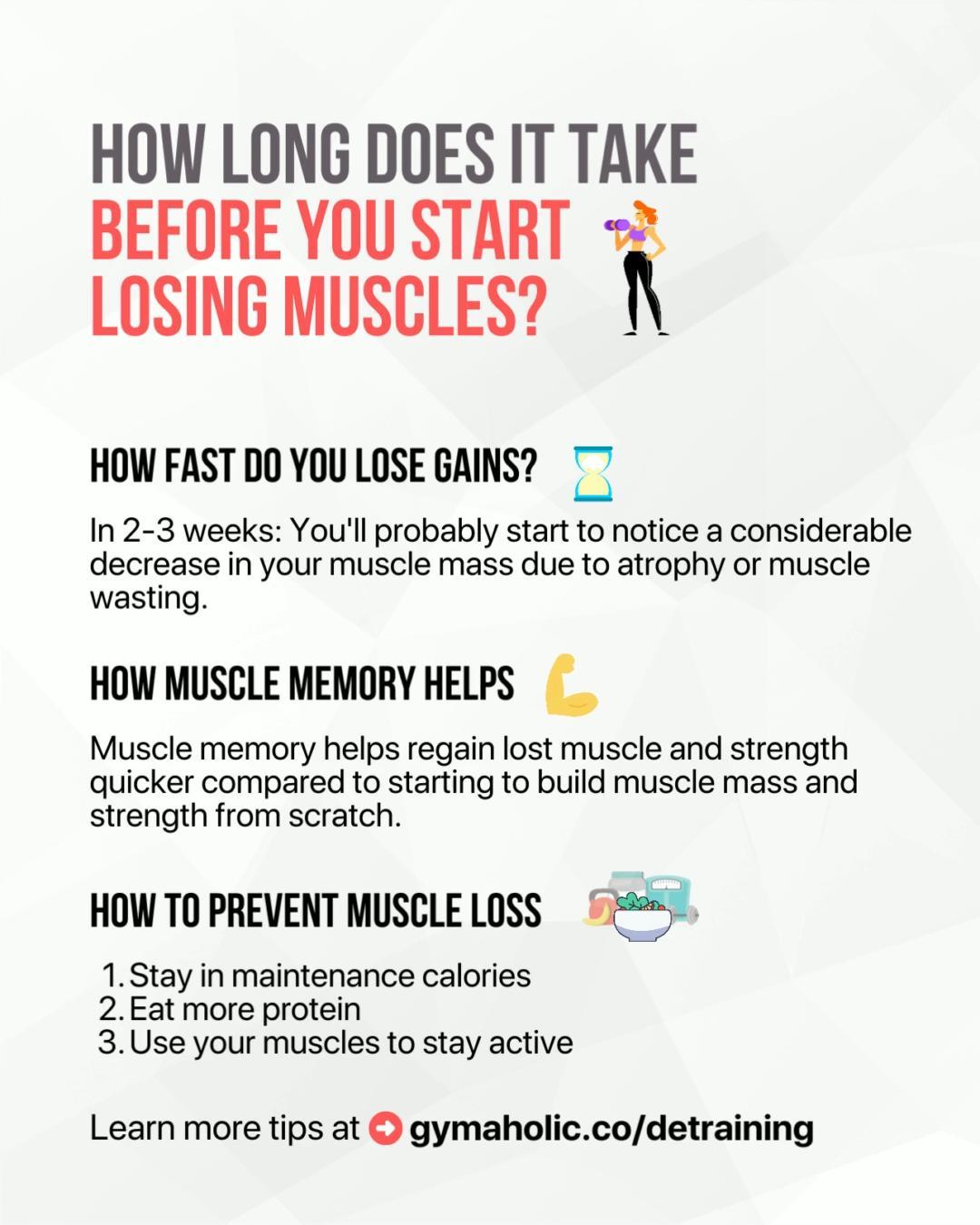
Proper nutrition is crucial for muscle growth. Proteins are the building blocks of muscle. Consuming enough protein aids muscle repair and growth. Carbohydrates provide the energy needed for workouts. Fats support hormone production. A balanced diet promotes muscle development. Hydration is also important. Muscles need water to function effectively.
Credit: www.gymaholic.co
Importance Of Consistent Training
Building muscle isn’t a sprint; it’s a marathon that requires dedication and consistency. The importance of consistent training cannot be overstated if you’re serious about transforming your physique. You might wonder how long it takes to start seeing those muscles pop. The truth is, your journey will be unique, shaped by factors like diet, genetics, and most importantly, your training routine. Consistency is the secret sauce that ties all these elements together, pushing you closer to your goals. Let’s dive into why consistent training matters and how you can make the most of your efforts.
Resistance Training Basics
Resistance training is the cornerstone of muscle growth. It involves exercises that make your muscles work against a weight or force, like lifting dumbbells or using resistance bands. This type of training is essential because it challenges your muscles and promotes growth. Don’t let complex terms intimidate you; start simple. Focus on compound exercises like squats and bench presses. These engage multiple muscle groups and offer more bang for your buck. The key is to be persistent, gradually increasing your weights as you gain strength.
Role Of Progressive Overload
Progressive overload is not just a fancy gym term. It’s a fundamental principle that pushes your muscles to grow. You need to gradually increase the amount of stress on your muscles to keep them developing. This could mean lifting heavier weights, doing more reps, or reducing rest time between sets. Imagine your muscles as students; they need harder challenges to improve. By consistently applying progressive overload, you prevent plateaus and keep your muscles guessing and growing.
Frequency And Rest Periods
Finding the right training frequency is crucial. Too much exercise can lead to burnout, while too little won’t yield results. Aim for at least three to four sessions a week, focusing on different muscle groups. Rest is equally important. Muscles grow when you rest, not while you train. Ensure you get adequate sleep and include rest days in your routine. Listen to your body; if you feel overly fatigued, it might be time for a break. This balance between work and rest is vital for optimal muscle growth.
Consistency in training isn’t just about hitting the gym; it’s about making every session count. Imagine the pride of seeing your reflection and noticing progress. Are you ready to commit to a routine that brings real results? Remember, the journey to muscle growth is a test of patience and perseverance. Your dedication will be your greatest ally.
Nutritional Strategies For Muscle Gain
Building muscle takes time and patience. Typically, noticeable gains appear after about 8-12 weeks of consistent training. Eating protein-rich foods and maintaining a balanced diet support this process.
Building muscle isn’t just about lifting weights; it’s a holistic journey that requires attention to nutrition. What you eat plays a crucial role in how effectively you gain muscle. With the right nutritional strategies, you can speed up the muscle-building process and see results sooner. Whether you’re a newbie or a seasoned gym-goer, understanding the essentials of nutrition can make a significant difference in your fitness journey.Protein Intake Recommendations
Protein is the foundation for muscle growth. You might wonder how much protein you need daily to support muscle building. Generally, aiming for 1.6 to 2.2 grams of protein per kilogram of body weight is ideal for muscle gain. This means if you weigh 70 kilograms, you should aim for 112 to 154 grams of protein a day. Include sources like chicken, fish, eggs, and beans in your meals. Don’t forget dairy options like Greek yogurt. These not only help repair your muscles after workouts but also build them stronger.Carbohydrates And Muscle Recovery
Carbohydrates are often misunderstood in the muscle-building world. They’re not just for energy; they help with recovery too. Post-workout, your muscles need glycogen replenishment, which carbohydrates provide effectively. Make sure to have a carb source like rice, potatoes, or whole grains after your workout. This aids in faster recovery, allowing you to hit the gym again sooner. Imagine skipping carbs and feeling fatigued the next day; it’s your body telling you it needs fuel for repair and growth.Hydration And Muscle Function
Hydration is key to optimal muscle function. Water helps transport nutrients to your muscles and removes waste products. But are you drinking enough? Aim for at least 3 liters a day, especially if you’re training hard. Consider adding electrolytes to your water to enhance hydration. Remember, a well-hydrated muscle performs better, reducing the risk of cramps and injuries. Next time you’re at the gym, ask yourself: Is your water bottle your best friend? By focusing on these nutritional strategies, you’re setting yourself up for success in your muscle-building journey. Remember, the kitchen is as important as the gym in achieving your goals. Which strategy will you adopt today?
Credit: www.cardiotrek.ca
Role Of Sleep And Recovery
Sleep and recovery play vital roles in muscle growth. Restful sleep helps repair muscle tissue and boosts growth hormones. For effective muscle building, ensure consistent recovery periods and quality sleep.
Building muscle is not just about lifting weights and eating protein. The role of sleep and recovery is crucial in this journey. Without proper rest, your muscles won’t have the time they need to repair and grow stronger. You might be surprised to learn how much your sleep and recovery habits can impact your progress. Let’s dive into how you can optimize these essential components to see results faster.Sleep’s Impact On Muscle Repair
Sleep is your body’s natural muscle repair mechanism. During deep sleep, growth hormone levels increase, which is vital for muscle growth and recovery. If you’re skimping on sleep, you might be hindering your muscle-building efforts without even realizing it. Think about the last time you had a restless night. Did you feel sluggish and weaker in your next workout? This is because your muscles didn’t get the chance to fully recover. Aim for 7-9 hours of quality sleep to maximize your gains.Active Recovery Techniques
Active recovery is a game-changer for muscle growth. It involves low-intensity exercises that keep your blood flowing and your muscles engaged without the strain of a regular workout. Consider adding activities like walking, yoga, or swimming to your routine on rest days. These activities can help reduce muscle stiffness and promote faster recovery. Have you tried a light yoga session after a tough leg day? It can be a refreshing way to ease soreness and get you ready for your next workout.Managing Stress Levels
Stress can be a silent muscle-building saboteur. High stress levels lead to increased cortisol, a hormone that can break down muscle tissue and hinder recovery. Are you constantly feeling stressed out? It might be time to evaluate your stress management techniques. Simple practices like meditation, deep breathing, or even a short walk can significantly reduce stress levels. A calmer mind can lead to a stronger body, allowing your muscles to rebuild effectively. Remember, building muscle is not just about what you do in the gym. It’s a holistic process that involves taking care of your body outside of the gym too. Is your current routine supporting your muscle-building goals? Consider adjusting your sleep and recovery strategies to make the most of your hard work.Tracking Progress And Adjustments
Building muscle takes time, usually visible in a few weeks to months. Tracking progress helps identify effective workouts and adjustments. Regularly assessing routine ensures optimal results and prevents stagnation.
Tracking your progress and making necessary adjustments are crucial components of building muscle. Whether you’re just starting or have been at it for a while, knowing how to evaluate your progress can keep you motivated. Sticking to a routine is important, but being flexible and ready to tweak your approach is what leads to lasting success. Let’s dive into how you can effectively track your muscle-building journey and make smart adjustments.Using Measurements And Photos
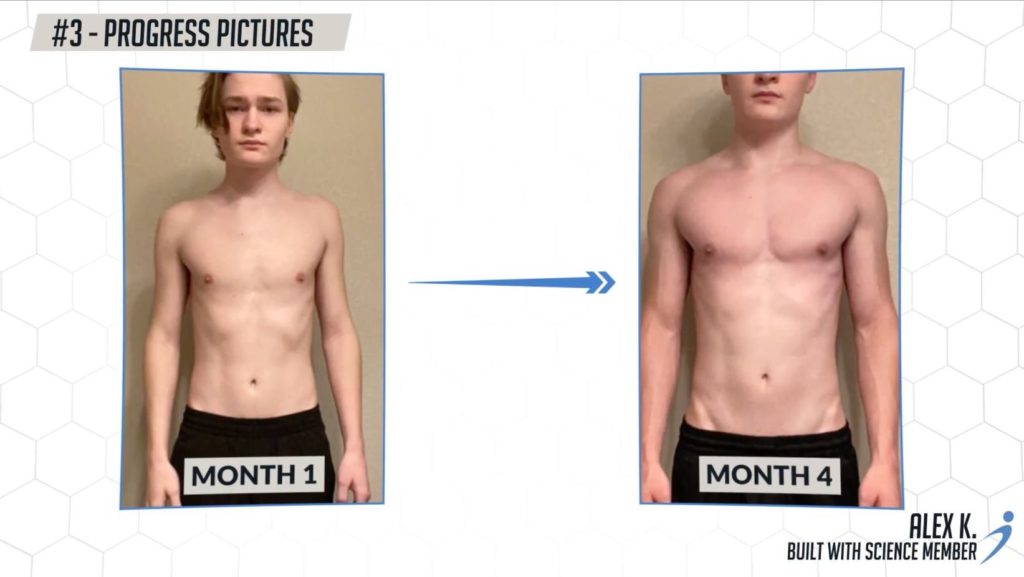
One of the most effective ways to track your progress is by using measurements and photos. Regularly measure your arms, chest, waist, and legs to see tangible changes. Photos offer a visual comparison that numbers alone can’t provide. Take pictures from multiple angles and under consistent lighting. This helps you notice muscle definition and growth that might not be obvious in the mirror. These records can boost your motivation and show you where changes are happening.Adjusting Training Variables
When you hit a plateau, it’s time to tweak your training variables. Consider altering the number of sets, reps, or the weight you lift. Small changes can reignite your progress. Think about switching up your exercises to target muscles differently. If you’ve been focusing on machines, try free weights or resistance bands. Variety not only shocks your muscles into growth but also keeps your workouts exciting.Setting Realistic Goals
Setting realistic goals is vital for sustained progress. It’s tempting to aim high, but setting achievable milestones keeps you motivated. Reflect on your current fitness level and lifestyle when setting these goals. Break larger goals into smaller, manageable steps. Celebrating these small victories keeps your spirits high and your motivation intact. Ask yourself, what do you want to achieve in the next month? Use these smaller goals as stepping stones to your ultimate muscle-building success.Common Myths And Misconceptions
Building muscle is often misunderstood. Many believe it happens overnight, but it takes consistent effort and time. Progress varies with each individual, influenced by diet, workout routine, and genetics. Patience and persistence are key.
When it comes to building muscle, many people fall prey to common myths and misconceptions. These can lead you down the wrong path, wasting time and effort. Let’s debunk some of these myths so you can focus on what really works.Spot Reduction Myth
Many believe they can target specific areas for fat loss, known as spot reduction. You might think doing countless sit-ups will melt away belly fat. However, the body doesn’t work that way. Fat loss happens overall, not just in one spot. Muscle-building exercises can strengthen an area, but they won’t specifically burn fat there. A balanced approach of cardio, strength training, and a healthy diet is more effective.Supplements As Quick Fixes
Supplements often promise quick muscle gains. It’s easy to get caught up in the hype of miracle pills and powders. But are they really magic? While supplements can aid your journey, they are not a substitute for hard work. Relying solely on them without proper nutrition and exercise won’t yield results. Think of supplements as a boost, not the main driver of success.The ‘no Pain, No Gain’ Mentality
The belief that you must push to the point of pain to gain muscle is widespread. However, this can lead to injury and burnout. Is it worth risking your health? Progress comes from consistent effort, not suffering. It’s crucial to listen to your body and allow time for recovery. Smart training, with proper form and gradual intensity, leads to sustainable gains. These myths can derail your efforts, making muscle building seem like an impossible task. What outdated belief have you been holding onto? Challenge it, and embrace evidence-based practices for your fitness journey.When To Expect Noticeable Changes
Building muscle requires time and dedication. Many wonder when they will see changes. This section will guide you through the timeline for visible muscle growth. Understand when you might notice the first changes and how to sustain progress.
Initial Changes In Strength
Expect to feel stronger after a few weeks of training. Your muscles adapt quickly to new exercises. This is due to improved neuromuscular efficiency. Your brain communicates better with your muscles. Lifting weights becomes easier. You will lift more with less effort.
Visible Muscle Growth Timeline
Visible muscle growth takes longer than strength gains. Most people notice changes in 8-12 weeks. Muscles need time to grow bigger. Consistent training and proper nutrition are key. Monitor your progress with photos and measurements. This helps to see subtle changes over time.
Plateaus And Progression
Expect to hit plateaus during your journey. Plateaus are normal and temporary. They happen when your body adapts to the same routine. To break through, change your workout. Increase weights or reps. Try new exercises to challenge your muscles. This encourages continuous growth.
Credit: builtwithscience.com
Frequently Asked Questions
How Long Until Muscle Starts To Build?
Muscle starts building within 4 to 6 weeks of consistent strength training. Proper nutrition and rest are crucial. Beginners may see faster initial gains due to neuromuscular adaptation. Consistency is key for long-term muscle growth.
How Quickly Can Beginners Build Muscle?
Beginners can start seeing muscle growth within 4 to 6 weeks with consistent strength training and proper nutrition. Progress varies based on individual factors like genetics, workout intensity, and diet. Prioritize protein intake and rest for optimal results. Always consult a professional to tailor your fitness plan effectively.
How Quickly Can Beginners See Muscle Growth?
Beginners can start seeing muscle growth in 4 to 8 weeks. Initial changes often include improved strength and endurance. Consistent workouts and nutrition are essential. Progress varies based on individual factors like genetics and effort. Focus on proper technique and gradually increasing weight for best results.
Do Diet Changes Speed Up Muscle Building?
Yes, diet changes can speed up muscle building. Consuming enough protein aids muscle repair and growth. Balanced meals with healthy fats and carbs support energy levels. Staying hydrated is crucial for optimal performance. Tailor your diet to meet your fitness goals and individual needs.
Conclusion
Building muscle takes time and patience. Results don’t happen overnight. Consistency in workouts and diet is key. It’s important to set realistic goals. Listen to your body and adjust as needed. Tracking progress can keep you motivated. Everyone’s body responds differently.
Celebrate small victories along the way. Stay committed, and results will follow. Remember, it’s a journey, not a race. Keep learning and stay informed. With dedication, you’ll see progress. Muscle building is a gradual process. Enjoy the journey and stay positive.








