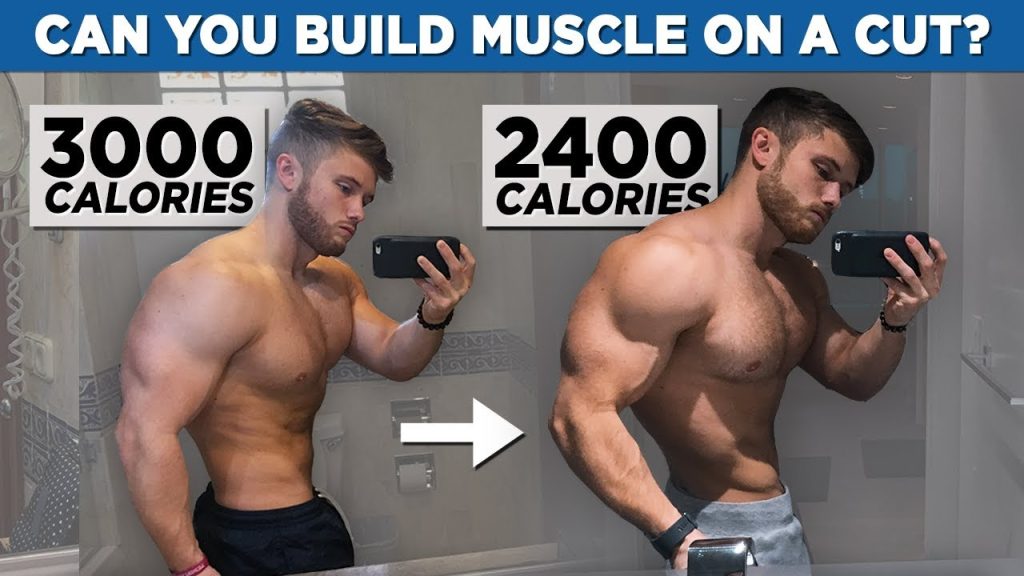
Are you struggling to build muscle while trying to lose weight? It might seem impossible, but you can actually gain strength and muscle even in a calorie deficit.
Imagine transforming your body, shedding those extra pounds, and still getting stronger. Sounds appealing, right? In this guide, you’ll discover the secrets to achieving this balance. We’ll break down simple yet effective strategies to help you reach your fitness goals without sacrificing muscle.
So, are you ready to learn how to sculpt your body while trimming fat? Keep reading, and unlock the potential to redefine your physique.
Understanding Calorie Deficit
Building muscle in a calorie deficit involves balancing nutrition and exercise effectively. Focus on consuming protein-rich foods to support muscle growth. Combine strength training with a well-planned diet to maximize results.
Understanding Calorie Deficit Building muscle while in a calorie deficit might seem like a contradiction. How do you gain strength while consuming fewer calories? The key lies in understanding the balance between what your body needs and what it uses. This doesn’t mean you have to starve yourself. Instead, focus on a strategic approach to eating that supports muscle growth.Basics Of Caloric Intake
Caloric intake is simply the number of calories you consume daily. To fuel muscle growth, you need to know how many calories your body requires to maintain its current weight. This is your maintenance level. Start by tracking your daily food intake with apps like MyFitnessPal. It’s surprising how often we underestimate our calorie consumption! Once you have a clear picture, you’ll be equipped to make informed decisions about adjusting your diet.Role Of Deficit In Muscle Building
Building muscle in a calorie deficit requires careful planning. You’re eating fewer calories than your body needs to maintain its weight. But how does this help in muscle building? A calorie deficit forces your body to use stored fat for energy. If you’re strength training, your muscles will get the signal to grow even though you’re consuming fewer calories. It’s like teaching your body to become more efficient with the fuel it has. Imagine yourself lifting weights after a long day. You’re tired, but you push through. That effort tells your muscles they need to be stronger next time. Now, think about your diet. Are you providing enough protein to support this growth? Protein is crucial in muscle repair and growth, especially in a calorie deficit. What changes will you make in your diet to support your muscle-building goals? Consider adding lean meats, beans, or tofu to your meals. These protein-rich foods can be game-changers in your muscle-building journey.
Credit: www.facebook.com
Balancing Macronutrients
Building muscle in a calorie deficit requires a balanced intake of macronutrients. Protein supports muscle growth, while carbohydrates provide energy for workouts. Healthy fats are essential for hormone balance and overall health.
Building muscle while in a calorie deficit might sound challenging, but it’s entirely possible with the right approach to macronutrients. Balancing protein, carbohydrates, and fats is crucial for achieving your fitness goals. Each macronutrient plays a unique role in muscle building and overall health. Let’s dive into how you can optimize them for your benefit.Importance Of Protein
Protein is your muscle-building powerhouse. It provides amino acids essential for muscle repair and growth. Aim for high-quality protein sources like chicken, fish, eggs, and legumes. These options are not only rich in protein but also in other nutrients. Consider this: Are you consuming enough protein daily to support your workouts? Increasing your intake might be the key to seeing better results.Carbs And Muscle Recovery
Carbohydrates are often misunderstood when it comes to muscle growth, especially on a calorie deficit. They are vital for replenishing glycogen stores post-workout. Think of carbs as your energy source. Whole grains, fruits, and vegetables should be part of your meals. Ever felt sluggish after a workout? Adding more carbs could boost your recovery and performance.Healthy Fats For Hormonal Balance
Fats are essential for maintaining hormonal balance, which is crucial for muscle growth. They support the production of testosterone and other growth hormones. Incorporate sources like avocados, nuts, and olive oil into your diet. These fats not only keep your hormones in check but also add flavor to meals. Reflect on your fat intake: Are you getting enough to support your body’s needs? Balancing fats could be what your routine is missing. Balancing macronutrients isn’t just about eating different foods. It’s about understanding their roles and ensuring you’re meeting your body’s demands. How will you adjust your diet to maximize muscle growth?Effective Workout Strategies
Building muscle in a calorie deficit requires smart workout strategies. Focus on resistance training to stimulate muscle growth. Ensure adequate protein intake to support muscle repair and maintenance.
Building muscle while in a calorie deficit might seem like a challenging task. However, with effective workout strategies, you can achieve your fitness goals without compromising your energy levels. Let’s dive into how you can make the most of your workouts to gain muscle even when you’re consuming fewer calories.Resistance Training Essentials
Resistance training is your best friend in a calorie deficit. Focus on lifting weights that challenge your muscles. Aim for compound exercises like squats, deadlifts, and bench presses. These movements engage multiple muscle groups, maximizing your efforts. Consider the intensity and volume of your workouts. Higher weights with fewer reps can help you maintain muscle mass. But if you’re new to this, start with lighter weights and gradually increase as you build strength. This approach keeps your muscles growing, even when your calorie intake is reduced.Incorporating Cardio Wisely
Cardio is essential, but overdoing it can hinder muscle growth. You might think more cardio equals faster weight loss. However, excessive cardio can lead to muscle loss. Balance is key. Opt for moderate-intensity cardio sessions. Think brisk walking or cycling a few times a week. These activities support fat loss without eating into your muscle reserves. Remember, cardio should complement, not dominate your routine.High-intensity Interval Training
High-Intensity Interval Training (HIIT) is a powerful tool. These short bursts of intense activity followed by rest periods are efficient and effective. HIIT workouts torch calories and enhance muscle definition. You can incorporate exercises like sprints or burpees into your routine. These exercises push your body to its limits, increasing calorie burn and preserving muscle mass. HIIT sessions are perfect for those with limited time but high energy goals. Have you ever wondered why some people seem to maintain muscle effortlessly while losing weight? It often boils down to their workout strategy. By optimizing your approach, you can stay strong and shredded, even in a calorie deficit. Are you ready to reshape your fitness journey?
Credit: m.youtube.com
Optimizing Recovery
Building muscle in a calorie deficit requires smart recovery strategies. Focus on protein intake and strength training to maintain muscle mass. Adequate rest and hydration help your body repair and grow stronger.
Optimizing recovery is crucial when building muscle in a calorie deficit. While working out and eating right are essential, recovery plays a major role. It ensures your body can handle the demands of muscle growth. Let’s explore how to optimize recovery for effective muscle building.Sleep And Muscle Growth
Quality sleep boosts muscle growth. During sleep, the body repairs damaged tissues. Aim for 7-9 hours of sleep each night. Lack of sleep can hinder muscle gains. Establish a bedtime routine to enhance sleep quality. A cool, dark room helps improve sleep. Avoid screens before bed for better rest.Stress Management Techniques
Stress impacts muscle recovery negatively. High stress levels can lead to muscle loss. Practice stress management techniques regularly. Meditation is effective in reducing stress. Deep breathing calms the mind and body. Physical activity also lowers stress levels. Find activities that make you feel relaxed.Active Recovery Practices
Active recovery aids in muscle growth. It involves low-intensity exercises. Walking or cycling are great examples. These activities increase blood flow. They help remove waste products from muscles. Active recovery reduces muscle soreness. It keeps your body moving without straining it. Incorporate it into your routine weekly.Nutrient Timing
Nutrient timing plays a crucial role in building muscle, even in a calorie deficit. Timing your meals can help optimize muscle growth and recovery. It involves planning what and when to eat around your workouts. This strategy ensures that your body gets the right nutrients at the right times. It can be a powerful tool for those aiming to gain muscle while losing fat.
Pre-workout Meals
Eating before a workout fuels your body. Aim for a balanced meal one to three hours before exercise. Include carbohydrates for energy and protein for muscle support. An example is chicken with brown rice. This combo provides steady energy. Avoid heavy meals right before exercising. They can cause discomfort.
Post-workout Nutrition
Post-workout nutrition is vital for recovery. Consuming protein and carbs after exercise helps repair muscles. A protein shake with a banana is a quick option. This mix aids in replenishing energy stores. Timing is key. Try to eat within 30 to 60 minutes after finishing your workout.
Meal Frequency Tips
Meal frequency can impact muscle growth. Eating smaller, frequent meals can maintain energy levels. Aim for three main meals and two snacks daily. This approach provides a steady nutrient supply. It also helps in controlling hunger. Remember, quality matters more than quantity. Focus on nutrient-dense foods for better results.
Tracking Progress
Building muscle in a calorie deficit requires careful tracking. Monitor your workouts, diet, and body changes. Consistent tracking helps identify what works best for muscle growth while losing fat.
Tracking your progress is essential when aiming to build muscle in a calorie deficit. It helps you understand what’s working and what needs adjustment. This way, you can stay on the right track to achieve your fitness goals.Monitoring Body Composition
Keep an eye on your body composition to see real changes. Use a scale that provides body fat percentage, not just weight. This tells you if you’re losing fat while preserving muscle. Take measurements regularly, like waist and hip circumference. Photos can also show progress you might not notice day-to-day. Have you ever felt your clothes fitting differently? That’s a sign of body composition changes.Adjusting Caloric Intake
To build muscle on a calorie deficit, you need to adjust your intake strategically. Don’t just slash calories; focus on nutrient-dense foods. Track what you eat using an app or a food journal. This helps spot patterns and make necessary tweaks. If progress stalls, consider slightly increasing calories or adjusting macronutrient ratios. Are you getting enough protein?Evaluating Strength Gains
Strength gains are a strong indicator of muscle growth. Log your workouts to track improvements. Are you lifting heavier weights or doing more reps? Celebrate those wins! Sometimes progress isn’t visible in the mirror but shows up in your strength. How does it feel to lift what you couldn’t a month ago? Tracking progress isn’t just about numbers. It’s about understanding your journey and making informed choices. Are you ready to see the changes you’ve been working hard for?Common Mistakes To Avoid
Building muscle in a calorie deficit is challenging. Many people make mistakes. These errors can hinder progress. Knowing what to avoid helps you succeed. Let’s explore common pitfalls you should steer clear of.
Overtraining Pitfalls
Overtraining is a common mistake. People think more is better. This leads to burnout. Muscles need rest to grow. Too much exercise can cause injury. Balance workouts with rest days. Listen to your body.
Ignoring Nutritional Needs
Nutrition is crucial. Some ignore it when cutting calories. They eat too little protein. This slows muscle growth. Ensure a balanced diet. Include enough protein in meals. Track your intake to stay on target.
Underestimating Recovery
Recovery is often underestimated. Rest and sleep are vital. Muscles repair during rest. Without enough sleep, recovery suffers. Aim for 7-9 hours of sleep. Use rest days wisely. Let your body heal and grow.

Credit: sci-fit.net
Frequently Asked Questions
Is It Possible To Build Muscle In A Calorie Deficit?
Building muscle in a calorie deficit is challenging but possible. Focus on high-protein intake and strength training. Ensure adequate recovery and manage stress. Prioritize nutrient-dense foods to support muscle growth. Consistency and proper planning are essential for success.
Can You Build Muscle On 1200 Calories A Day?
Building muscle on 1200 calories a day is challenging. Such low intake may not provide enough nutrients. Adequate protein and calories are essential for muscle growth. Consult a nutritionist to ensure a balanced diet. Prioritize strength training and proper nutrition for optimal results.
Is 1500 Calories A Day Enough To Lose Weight And Gain Muscle?
Consuming 1500 calories daily may help with weight loss but might not support muscle gain for everyone. Individual needs vary based on age, gender, activity level, and metabolism. Consulting a nutritionist or fitness expert can provide personalized guidance for balancing calorie intake for weight loss and muscle gain.
How Much Protein Do I Need To Build Muscle While In A Calorie Deficit?
To build muscle in a calorie deficit, consume 1. 6 to 2. 2 grams of protein per kilogram of body weight daily. Adjust based on your activity level and goals for optimal results. Prioritize high-quality protein sources like lean meats, fish, and plant-based options for effective muscle growth.
Conclusion
Building muscle on a calorie deficit is possible. Focus on strength training. Ensure protein intake remains high. Monitor your progress regularly. Adjust your diet and workouts as needed. Stay consistent and patient with your routine. Rest and recovery are essential too.
Listen to your body’s signals. Balance is key in achieving your goals. Small changes lead to big results over time. Keep educating yourself on nutrition and exercise. Trust the process and stay motivated. You’ll see improvements with dedication. Remember, every step counts towards a healthier you.








