Are you tired of sifting through endless fitness advice that never seems to work? If you’re looking to lose weight and build muscle, you’re not alone.
Many people are searching for the perfect workout plan that fits their lifestyle and delivers real results. Imagine the confidence you’ll feel when you finally see changes in the mirror and your clothes fit just right. This isn’t just about dropping a few pounds; it’s about transforming your body into a stronger, healthier version of yourself.
Ready to discover a workout plan that actually works? Keep reading, and learn how you can start making those powerful changes today.
Benefits Of Combining Weight Loss And Muscle Gain
A workout plan that focuses on weight loss while building muscle offers numerous benefits. It boosts metabolism, leading to more calories burned even at rest. Achieving a balanced physique enhances overall health, increases strength, and improves mood.
Combining weight loss and muscle gain can lead to transformative results. It’s not just about shedding pounds or bulking up. This approach offers dual benefits that can improve your overall health and fitness.Enhanced Metabolism
When you build muscle while losing fat, your metabolism gets a significant boost. Muscle tissue burns more calories than fat even at rest. This means you can enjoy a higher calorie burn throughout the day. Imagine having more energy to tackle your daily tasks or enjoy activities you love.Improved Strength And Endurance
As you lose weight and gain muscle, you’ll notice you’re stronger and can do more. This increased strength and endurance make everyday tasks easier. Whether it’s carrying groceries or playing sports, you’ll feel the difference. Have you ever thought about how your fitness impacts your daily life?Better Body Composition
Combining weight loss with muscle gain leads to a leaner, more toned physique. You won’t just lose weight; you’ll reshape your body. This shift in body composition can boost your confidence and make clothing fit better. Think about the satisfaction of achieving your ideal shape.Long-term Health Benefits
This strategy isn’t just about aesthetics; it’s about your health. Reduced body fat and increased muscle mass can lower your risk of chronic diseases. Your heart health improves, and your joints are better supported. Wouldn’t you prefer a workout plan that supports your health for years to come?Increased Motivation And Satisfaction
Seeing tangible results can fuel your motivation. Progress in both weight loss and muscle gain can be incredibly satisfying. This success can inspire you to set and achieve new goals. Have you ever felt that rush of accomplishment after a hard workout? By combining weight loss and muscle gain, you create a balanced approach that supports your fitness journey. It’s about more than just looking good; it’s about feeling good and being your best self.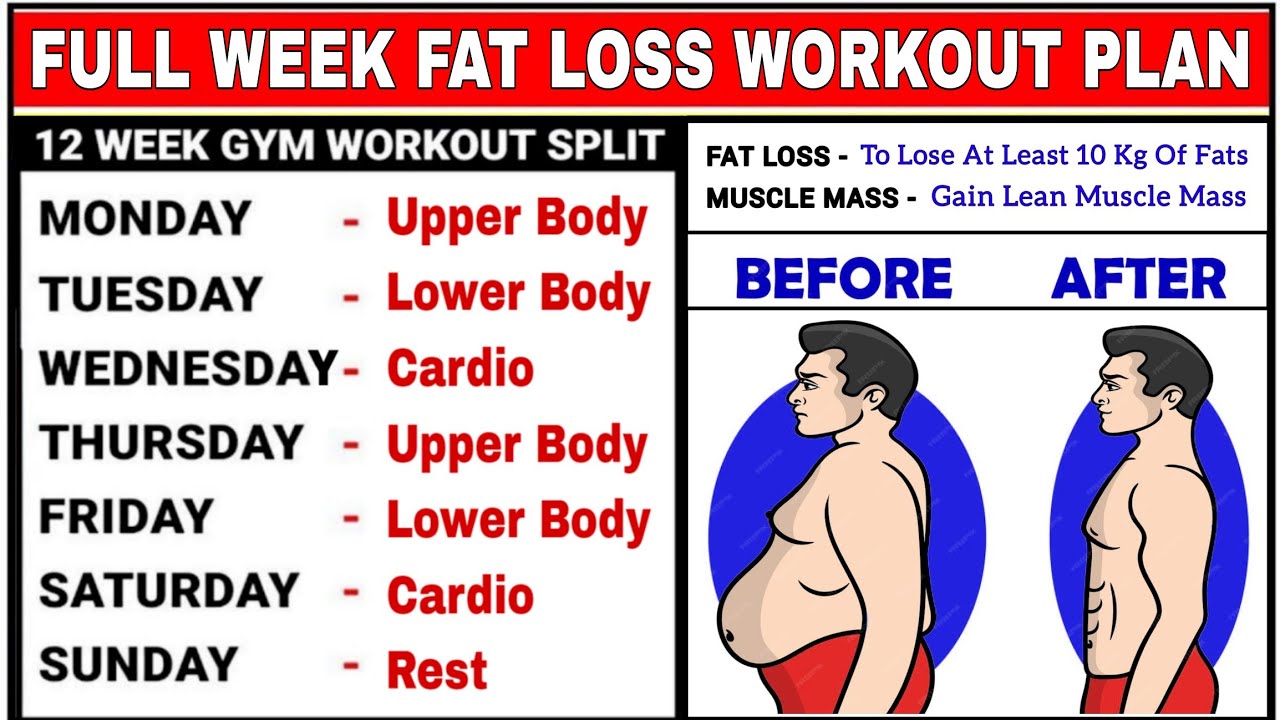
Credit: m.youtube.com
Setting Realistic Goals
Creating achievable goals is key in a workout plan. Focus on steady weight loss while building muscle. This balance ensures progress and sustainability.
Setting realistic goals is crucial for a successful workout plan. Whether you aim to lose weight or build muscle, clear targets guide your journey. They keep you motivated and on track. Without realistic goals, achieving results becomes difficult. Let’s explore how to set these goals effectively.Assessing Current Fitness Level
Begin with understanding your current fitness level. Knowing where you stand helps set achievable targets. Evaluate your stamina, strength, and flexibility. Track your body measurements and weight. Consider how often you exercise and what activities you enjoy. A fitness assessment provides a baseline. From this, you create a plan tailored to your needs.Defining Short-term And Long-term Goals
Set both short-term and long-term goals. Short-term goals are steps towards your ultimate aim. They keep you motivated with quick wins. Long-term goals are your bigger picture, like losing 20 pounds or building visible muscles. Break them down into smaller, manageable chunks. This approach helps maintain focus and progress. Ensure goals are specific, measurable, achievable, relevant, and time-bound.Essential Components Of A Workout Plan
Creating a workout plan to lose weight and build muscle requires balance. Each element plays a crucial role in the journey toward fitness. Understanding the essential components can make your plan effective and enjoyable. Let’s explore these components that form the foundation of a successful workout plan.
Strength Training Basics
Strength training is key for building muscle. It involves lifting weights or using resistance bands. This type of exercise increases muscle mass and boosts metabolism. You should focus on compound movements like squats and deadlifts. These exercises work multiple muscle groups at once. Start with lighter weights and gradually increase them. This approach helps prevent injuries and encourages steady muscle growth.
Cardiovascular Exercise Importance
Cardiovascular exercise aids in weight loss. It increases heart rate and burns calories efficiently. Activities such as running, cycling, or swimming are ideal. Aim for 150 minutes of moderate cardio weekly. This not only helps shed pounds but also improves heart health. High-intensity interval training (HIIT) is also effective. It alternates short bursts of intense activity with rest periods.
Flexibility And Mobility
Flexibility and mobility are often overlooked. They ensure joints move freely and muscles recover well. Stretching exercises should be included in every workout plan. Yoga and pilates improve flexibility and balance. These exercises enhance muscle recovery and prevent stiffness. Dedicate at least 10 minutes to stretching after workouts. This practice keeps your body agile and reduces injury risks.

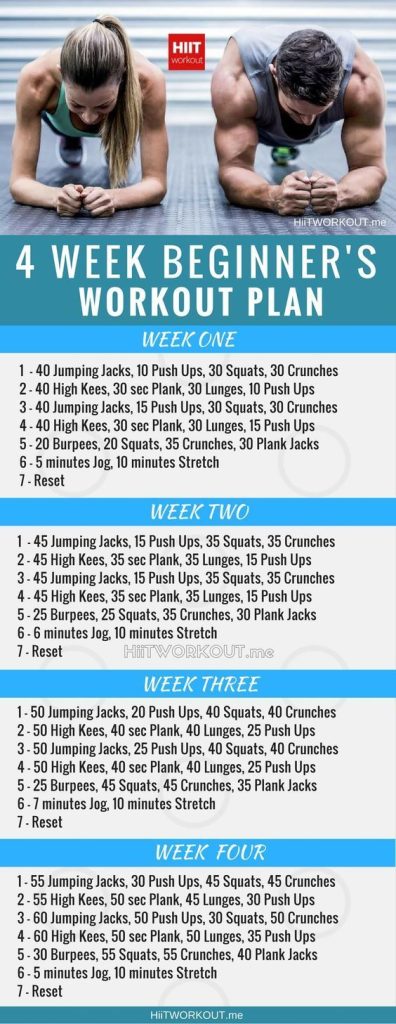
Credit: www.pinterest.com
Creating A Balanced Workout Routine
Crafting a balanced workout routine helps shed pounds and build muscle efficiently. Include strength training for muscle growth and cardio to burn calories. Mix exercises to keep the body challenged and motivated.
Creating a balanced workout routine is essential for losing weight and building muscle. It combines various exercises, focusing on different body parts. This approach ensures comprehensive fitness and effective muscle development. A well-structured plan aids in achieving your fitness goals efficiently. It also keeps workouts exciting and prevents burnout.Weekly Schedule Overview
Design a weekly schedule to structure your workouts. This helps in maintaining consistency and tracking progress. Plan exercises for different days to target various muscle groups. Allocate time for cardio and strength training. Include rest days to allow muscles to recover. A balanced schedule enhances overall fitness. It prevents injuries and supports muscle growth.Alternating Muscle Groups
Alternating muscle groups maximizes workout effectiveness. It keeps the body engaged and avoids overstrain. Focus on upper body muscles one day, then switch to the lower body. This method ensures each muscle group gets adequate attention. It promotes balanced muscle development. Alternating helps in burning fat efficiently. It prevents boredom and enhances workout enjoyment.Effective Strength Training Exercises
Are you ready to transform your body and elevate your fitness journey? Effective strength training exercises are your ticket to a leaner, stronger physique. Whether you’re aiming to lose weight or build muscle, these exercises will help you achieve your goals. Let’s dive into the world of strength training and discover powerful movements that can reshape your body.
Compound Movements
Compound movements engage multiple muscle groups at once, making them incredibly efficient. They’re the heavy lifters in your workout routine. Think squats, deadlifts, and bench presses. These exercises not only build muscle but also torch calories, aiding in weight loss. Imagine the thrill of nailing a perfect squat and feeling your legs and core working in harmony. That’s the power of compound movements. Have you tried adding them to your routine yet?
Isolation Exercises
Isolation exercises focus on a single muscle group. They allow you to target specific areas for growth and definition. Bicep curls and tricep extensions are popular choices. These exercises help you sculpt your muscles with precision. Picture the satisfaction of seeing your biceps grow after weeks of consistent curls. Isolation exercises offer that rewarding feeling. Which muscle group do you want to focus on?
Bodyweight Workouts
Bodyweight workouts are incredibly versatile and can be done anywhere. They require no equipment, just your determination. Push-ups, pull-ups, and planks are effective choices. These workouts build muscle and burn fat, making them ideal for weight loss and muscle gain. Think back to the last time you tried a plank. Did you feel the burn in your core? That’s your body working hard without any extra weight. How can you incorporate bodyweight exercises into your daily routine?
Effective strength training exercises are all about finding the right balance and variety. Mixing compound movements, isolation exercises, and bodyweight workouts keeps your routine fresh and exciting. Remember, the journey to a stronger, fitter you is just a workout away. Are you ready to start?
Cardio Workouts For Fat Loss
When you’re on a mission to lose weight and build muscle, cardio workouts play a vital role in torching fat. They not only help burn calories but also boost your cardiovascular health. The right mix of cardio can efficiently target fat loss while complementing your muscle-building efforts.
High-intensity Interval Training (hiit)
HIIT is a powerful tool in your cardio arsenal. It involves short bursts of intense activity followed by brief rest periods. This method keeps your heart rate up and can torch calories in a fraction of the time compared to traditional workouts.
One of the best parts about HIIT is its adaptability. You can tailor exercises to your fitness level and preferences. Whether you’re sprinting, cycling, or doing jump squats, the principle remains the same—push hard, rest, and repeat.
Reflect on this: During a HIIT session, have you ever noticed how your body feels like it’s working overtime, even after you stop? That’s the afterburn effect—your body continues to burn calories long after your workout ends.
Steady-state Cardio Options
Steady-state cardio involves maintaining a consistent, moderate intensity over a longer period. Think of activities like jogging, swimming, or cycling at a steady pace. This type of cardio is effective for burning fat and improving endurance.
Consider incorporating steady-state cardio into your weekly routine. It complements HIIT by allowing you to recover while still burning calories. You might find that it also gives you a mental break—time to clear your mind while your body works.
Ask yourself, what steady-state cardio could you see yourself enjoying? Maybe it’s a morning jog in the park or a swim at the local pool. Choose something you love, and it’ll be easier to stick with it.
In the journey of fitness, balance is key. Mixing HIIT with steady-state cardio can optimize your fat loss while keeping your workouts varied and exciting.
Nutrition For Weight Loss And Muscle Gain
Effective nutrition supports both weight loss and muscle gain. Balanced meals with protein, healthy fats, and carbohydrates fuel workouts. Consistent exercise and mindful eating enhance results, promoting a healthier body composition.
Embarking on a journey to lose weight and build muscle can be challenging, but the right nutrition can make all the difference. It’s not just about cutting calories or pumping iron—nutrition is the cornerstone of your fitness goals. Understanding how to fuel your body effectively will help you achieve the results you desire.Macronutrient Balance
Finding the right balance of macronutrients—proteins, fats, and carbohydrates—is crucial. Proteins are the building blocks for muscle growth, while healthy fats provide energy and support cell function. Carbohydrates, often misunderstood, are essential for fueling intense workouts and aiding recovery. Consider a diet with a higher protein intake, moderate fats, and controlled carbs. A common strategy is the 40/30/30 rule: 40% of your calories from carbs, 30% from protein, and 30% from fats. Personalize this ratio based on your goals and activity level.Meal Planning Tips
Creating a meal plan can streamline your nutrition strategy. Start by prepping meals ahead of time to avoid last-minute unhealthy choices. Use simple recipes with whole foods to ensure you’re getting the nutrients you need. Incorporate a variety of colorful vegetables and lean proteins in your meals. This not only keeps things interesting but also ensures a well-rounded nutrient intake. Keep snacks like nuts or Greek yogurt on hand to curb hunger between meals.Hydration And Recovery
Staying hydrated is as important as your macros. Water aids digestion, nutrient absorption, and muscle recovery. Aim for at least 8-10 glasses a day, adjusting for your activity level and climate. Post-workout recovery is essential. Consider adding a protein shake or a small meal rich in protein and carbs after your workouts. This helps repair muscles and replenish glycogen stores. Have you ever noticed your energy levels dip after a workout? It might be due to dehydration or inadequate nutrition. Pay attention to how your body responds to your current diet and make adjustments as needed. With these insights, you can tweak your nutrition to support your workout plan. Remember, consistency is key, and small changes can lead to big results. What’s one small change you can make today to improve your nutrition?Tracking Progress And Adjusting Plans
Tracking progress is key in a workout plan. It helps you see changes over time. Adjusting your plan keeps you moving forward. Both are vital to reach your goals.
Monitoring Body Measurements
Body measurements show how your shape changes. Measure your waist, hips, and arms weekly. Record the data for accurate tracking. Seeing these changes can boost motivation.
Photos are another useful tool. Take them monthly for visual progress. Comparing photos can reveal changes not seen in measurements.
Adapting Workouts To Progress
Workouts need adjustments as you improve. Increase weights when lifting becomes easy. More reps can also boost muscle growth. Change exercises to target different muscles.
Listen to your body. Rest if you feel tired or sore. Adjusting workouts can prevent injury and aid recovery. Stay flexible and adapt as needed.
Common Mistakes To Avoid
Starting a workout plan can be exciting. It’s important to learn from mistakes. Many people aim to lose weight and build muscle. But they make common errors that slow progress. Understanding these mistakes can help you reach goals faster.
Overtraining Risks
Overtraining is a common mistake in fitness. People think more exercise means better results. But too much exercise can harm your body. Muscles need time to recover and grow. Without rest, you risk injury and burnout. Listen to your body and balance workouts with rest days. This approach ensures steady progress.
Ignoring Nutrition
Nutrition plays a key role in fitness goals. Many people focus only on exercise. They forget about the importance of a balanced diet. Consuming the right nutrients fuels workouts and aids recovery. Protein supports muscle growth. Carbs give you energy. Healthy fats are essential too. Consider speaking with a nutritionist. They can provide guidance tailored to your needs. Remember, exercise and nutrition work hand-in-hand for success.
Motivation And Staying Consistent
Embarking on a workout plan to lose weight and build muscle requires motivation. Staying consistent is key to achieving your fitness goals. Many start with enthusiasm but struggle to maintain it. Understanding how to keep your motivation alive is crucial.
Setting small goals can make a big difference. These small achievements fuel your determination. Consistency becomes manageable when broken into smaller tasks.
Setting Achievable Milestones
Set clear, achievable milestones to track progress. These milestones should be realistic and specific. Celebrate small victories along the way. This boosts your motivation and keeps you on track. Seeing progress helps maintain enthusiasm. It reminds you that your efforts are paying off.
Start with simple goals like workouts twice a week. Gradually increase frequency as you get comfortable. Adjust milestones based on your progress. This approach keeps your focus sharp.
Finding A Workout Buddy
Consider finding a workout buddy. A partner can add fun to your routines. They provide support and encouragement. Working out together fosters a sense of commitment. You are less likely to skip sessions when someone is waiting.
Choose someone with similar goals. This ensures mutual motivation and understanding. Share progress and celebrate achievements together. A buddy can make workouts feel less daunting. They can turn exercise into an enjoyable social activity.
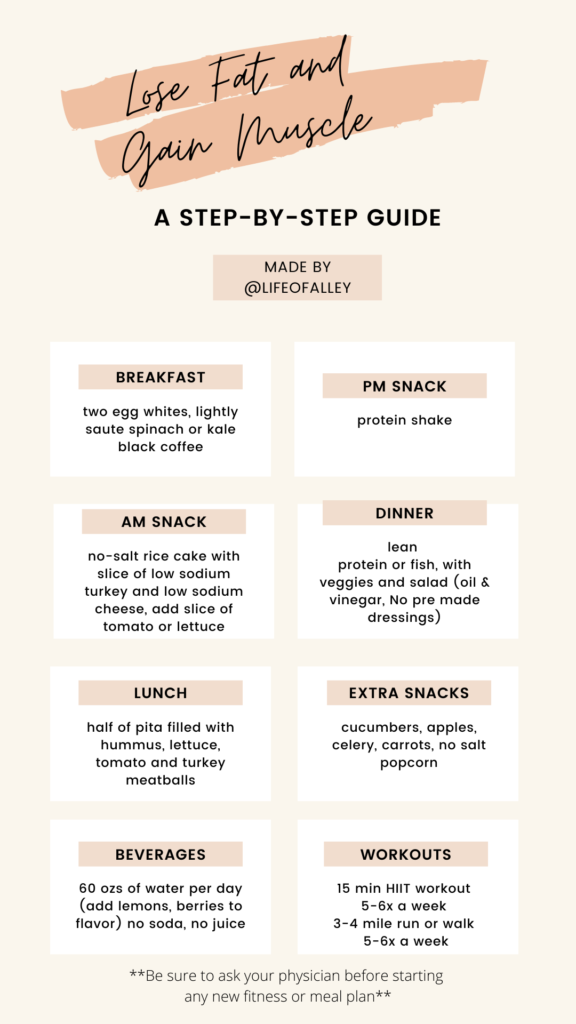
Credit: www.lifeofalley.com
Frequently Asked Questions
What Is The Best Workout Plan To Lose Weight And Gain Muscle?
A balanced workout plan includes strength training and cardio. Focus on compound exercises like squats, deadlifts, and bench presses. Incorporate high-intensity interval training (HIIT) for effective fat loss. Maintain a calorie-controlled diet rich in protein. Consistency is key for achieving weight loss and muscle gain.
Can I Lose Weight And Build Muscle At The Same Time?
Yes, you can lose weight and build muscle simultaneously. Focus on strength training and a balanced diet. Ensure sufficient protein intake and maintain a calorie deficit. Stay consistent with workouts and monitor progress. Combining these strategies helps achieve both goals effectively.
What Is The 30 30 30 Rule For Weight Loss?
The 30 30 30 rule for weight loss involves consuming 30 grams of protein, 30 grams of fiber, and exercising for 30 minutes daily. This approach helps in managing hunger, improving digestion, and boosting metabolism, contributing to effective weight loss.
What Is The 4-2-1 Workout Method?
The 4-2-1 workout method involves a rep tempo. Lift for 4 seconds, hold for 2 seconds, and lower for 1 second. This technique enhances muscle control and strength. It’s popular for improving workout efficiency and results.
Conclusion
Achieving weight loss and muscle gain requires dedication. Stick to your workout plan. Eat balanced meals and stay hydrated. Progress comes with consistency. Remember to rest and recover. Listen to your body’s signals. Adjust your plan as needed. Celebrate small victories along the way.
Patience is key. Results take time. Surround yourself with supportive friends. They can motivate you. Stay positive and focused. Your health journey matters. Enjoy the process and learn from it. Each step brings you closer to your goals. Keep pushing forward.
You’re on the right track. Believe in yourself.








