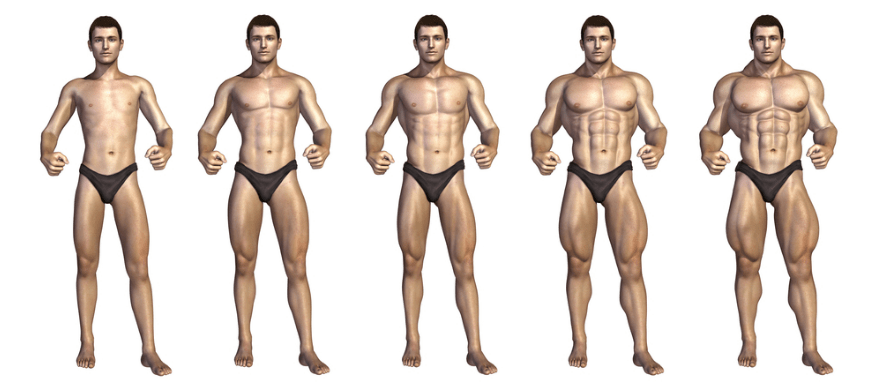
Are you tired of wondering why your muscles aren’t growing as fast as you’d like? You’re not alone.
Many people dive into fitness with high hopes, only to feel frustrated when results seem slow. But here’s the truth: building muscle is a complex process that varies for everyone. How long will it take to see those muscles you’ve been dreaming of?
The answer isn’t one-size-fits-all, but understanding the factors at play can make all the difference. We’ll break down what influences muscle growth and how you can maximize your efforts. Let’s uncover the secrets to achieving the physique you desire. Stick with us—you might just find the motivation and insight you need to transform your body and boost your confidence.
Factors Influencing Muscle Growth
Building muscle is a journey influenced by various factors. Each individual’s experience is unique due to these components. Understanding them can help set realistic expectations.
Genetics And Body Type
Genetics play a significant role in muscle development. Some people build muscle quickly due to their genes. Others may find it takes longer. Body type also impacts growth. Ectomorphs are naturally lean and may struggle to gain muscle. Mesomorphs often build muscle easily. Endomorphs may gain fat more readily than muscle.
Age And Gender
Age affects muscle growth significantly. Younger individuals often build muscle faster. Testosterone levels are higher in youth, aiding growth. Gender also plays a role. Men typically have more testosterone. This hormone accelerates muscle development. Women have less testosterone, often growing muscle at a slower rate.
Diet And Nutrition
Nutrition is crucial in muscle building. Protein is the building block of muscles. Consuming enough protein is essential. Carbohydrates provide energy for workouts. Healthy fats support hormone function. A balanced diet aids muscle repair and growth.
Exercise And Training Regimen
Exercise routine impacts muscle growth. Consistent strength training is key. Lifting weights promotes muscle hypertrophy. Varied workouts prevent plateaus. Rest days are essential for recovery. Overtraining can hinder progress. A well-planned regimen supports optimal growth.

Credit: www.cardiotrek.ca
Setting Realistic Expectations
Building muscle takes time and patience. Results vary based on exercise, diet, and genetics. Typically, noticeable changes appear after several months.
Setting realistic expectations is crucial when embarking on your muscle-building journey. Many people dive into fitness routines with high hopes, only to feel disheartened when results don’t come overnight. Understanding how muscle growth works and setting achievable goals can keep you motivated and on track. So, how long will it really take to build muscle? Let’s break it down.Short-term Vs Long-term Goals
Short-term goals are essential for keeping your motivation high. Think about what you can achieve in the next month or two. Maybe it’s lifting a heavier weight or noticing some definition in your arms. Long-term goals, on the other hand, require patience and persistence. Building significant muscle mass takes months, if not years, of consistent effort. Consider how you want your body to look or feel in a year. Setting both types of goals can provide a roadmap for your fitness journey. They help you celebrate small victories while keeping your eyes on the bigger prize. Are you setting goals that match your reality?Understanding Muscle Growth Stages
Muscle growth doesn’t happen all at once. It’s a process that unfolds in stages. Initially, your body adjusts to the new demands you place on it. This is why you may see rapid improvements in strength in the first few weeks. The next stage involves muscle hypertrophy, where muscle fibers grow larger. This stage can take several months, and it requires consistent training and proper nutrition. Finally, as you progress, muscle growth slows down. You might need to tweak your routine to keep seeing results. Have you noticed how your body adapts over time? Understanding these stages helps in setting realistic expectations. You won’t see dramatic changes overnight, but with persistence, you will see progress. Building muscle is a journey of learning and adapting. Each stage offers something new, keeping the process exciting and rewarding. So, how will you embrace each stage of your muscle-building adventure?Effective Training Strategies
Building muscle requires more than just lifting weights. Effective training strategies are crucial for gaining strength and size. Understanding these strategies helps you maximize your workout efforts.
Strength Training Techniques
Strength training is vital for muscle growth. Focus on compound exercises like squats and deadlifts. These exercises work multiple muscle groups at once. Use proper form to prevent injury and ensure effective results. Gradually increase weights for continued progress. Balance your routine with isolation exercises. Isolation exercises target specific muscles, enhancing overall muscle definition.
Importance Of Rest And Recovery
Muscles grow when you rest. This makes recovery essential. Allow muscles to repair by taking breaks between workouts. Sleep is crucial for recovery. Aim for 7-9 hours of sleep each night. Proper nutrition supports recovery. Consume protein-rich foods to aid muscle repair. Avoid overtraining. Overtraining leads to fatigue and hampers muscle growth.
Progressive Overload Principles
Progressive overload is key to muscle development. Gradually increase weights to challenge your muscles. Track your progress and adjust your routine as needed. Increase repetitions and sets for added difficulty. Consistency is crucial for progressive overload. Stay committed to your workout plan for optimal results.
Role Of Nutrition In Muscle Building
Building muscle isn’t just about hitting the gym; what you eat plays a vital role too. Nutrition is like the secret weapon in your muscle-building arsenal. It fuels your workouts, aids recovery, and supports growth. Think of your body as a machine; without the right fuel, it simply won’t perform optimally. Curious about how nutrition can elevate your muscle-building journey? Let’s dive into it.
Protein And Caloric Intake
Protein is the building block of muscles. Your muscles need it to repair and grow stronger after workouts. Aim for a balanced intake throughout the day. Eggs, chicken, and beans are excellent protein sources.
But don’t forget about calories. To build muscle, you need to consume more calories than you burn. It’s like a surplus that allows your body to focus on growth. Consider tracking your caloric intake to ensure you’re getting enough energy for your workouts.
Macronutrients Balance
Balancing macronutrients—proteins, carbs, and fats—is crucial. Carbs provide the energy you need to lift heavier weights. Healthy fats support hormone production, essential for muscle growth.
A friend once shared how swapping processed carbs for whole grains boosted his energy and muscle gains. Maybe it’s time to reevaluate your macronutrient balance. What changes could you make to improve your diet?
Supplements And Their Impact
Supplements can be a helpful addition, but they’re not magic pills. Protein powders can help you meet daily protein goals, while creatine supports energy levels during intense workouts.
However, they should complement a solid diet, not replace it. Have you ever wondered if supplements are really necessary for you? Consider your diet and workout regimen first. Remember, real food should always be your primary source of nutrients.
Nutrition is not just about eating; it’s about eating smart. What changes are you willing to make to support your muscle-building goals? The right nutritional choices can make all the difference.
Monitoring Progress
Building muscle can vary greatly in time. Factors like diet, exercise consistency, and genetics play crucial roles. Typically, noticeable results appear in 8 to 12 weeks with regular workouts.
Building muscle is a journey that requires patience and persistence. As you embark on this path, keeping an eye on your progress is crucial. Monitoring progress doesn’t just keep you motivated; it helps you understand what’s working and what needs tweaking. Whether you’re measuring your biceps or tracking how much you can lift, being aware of your improvements can make all the difference.Tracking Measurements And Performance
It’s important to track both your body measurements and performance metrics. Consider keeping a journal or using an app to record measurements like arm circumference or waist size. Regularly check your weight, but don’t rely solely on the scale—muscle weighs more than fat. Document your workout performance, noting reps and weights. Ask yourself: Are you lifting more than last month? Are your clothes fitting differently? These insights provide a clear picture of your progress.Adjusting Plans Based On Results
Monitoring results is pointless if you don’t adjust your plans based on what you learn. If you’re not seeing the muscle growth you expected, it might be time to change your workout routine or diet. Are your meals packed with protein? Are you challenging your muscles enough? Set new goals if you’re hitting plateaus. Experiment with different exercises or increase your intensity. Be flexible—what worked once might need a refresh. Your body evolves, and so should your approach to building muscle. Reflect on what’s effective and be open to making changes. Remember, progress isn’t linear—it’s a dynamic process requiring constant adaptation.
Credit: www.pinterest.com
Common Mistakes To Avoid
Understanding muscle growth takes time and patience. Many expect quick results and get frustrated. Balance workouts and rest for steady progress.
Building muscle is a journey that requires more than just lifting weights. Many aspiring muscle builders make common mistakes that can slow down their progress. Understanding these pitfalls can save you time and frustration on your fitness journey.Overtraining And Burnout
Overtraining might seem like dedication, but it can lead to burnout and injuries. When I started weightlifting, I hit the gym seven days a week, thinking more was better. Instead, I ended up exhausted and demotivated. Giving your muscles time to recover is crucial. Rest days are not just for the weak. They are for smart trainers who understand that muscles grow during rest, not during workouts. Are you pushing too hard and ignoring your body’s signals? Listen to your body; it knows when it’s time to pause.Ignoring Nutrition Basics
Nutrition is often overlooked but is as important as your workout routine. You can’t out-train a poor diet, no matter how hard you try. I once thought protein shakes were the magic solution, ignoring whole foods. Consider your daily meals as fuel. Are you giving your body the nutrients it needs to grow? Focus on balanced meals with proteins, carbs, and healthy fats to support muscle growth.Lack Of Consistency
Consistency is the key to success in muscle building. Skipping workouts and inconsistent training schedules can halt your progress. I learned this when my random workout sessions showed no results. Stick to a routine and track your progress. Are you showing up regularly or letting excuses get in the way? Make a plan and commit to it. Even small, regular efforts can lead to significant gains over time.Success Stories And Motivation
Building muscle takes time, patience, and consistency. Results vary based on diet, exercise routine, and individual body types. Many find motivation in success stories, showing that dedication leads to visible progress.
Building muscle takes time, effort, and dedication. Everyone’s journey is different. Some people achieve their goals faster than others. Personal stories of success can inspire and motivate. They can provide hope and direction for those on a similar path. Let’s explore some real-life transformations and tips to stay motivated.Real-life Transformations
Consider John, a 30-year-old office worker. He wanted to gain muscle. He started with a simple workout plan. He committed to lifting weights three times a week. Within six months, he noticed changes. His arms and chest became more defined. Friends and family saw his progress. This motivated him to continue. John’s transformation shows the power of consistency. Then there’s Sarah. She struggled with weight gain due to a medical condition. Her goal was to build strength and confidence. She joined a gym and hired a personal trainer. With tailored exercises, she built muscle over a year. Her journey was slow but steady. Sarah’s story highlights that patience and expert guidance are crucial.Staying Motivated Through Plateaus
Everyone faces plateaus in muscle building. Progress may halt unexpectedly. This can be discouraging. Shifting focus helps overcome these periods. Set small, achievable goals. Celebrate each milestone, no matter how small. This keeps the journey exciting. Change your routine. Introduce new exercises or increase weight. This challenges the body and can break through plateaus. Keeping a journal of workouts and progress can also motivate. Seeing past achievements can reignite determination. Lastly, surround yourself with supportive people. Join a fitness community. Share experiences and learn from others. Support and encouragement can be powerful motivators.
Credit: fitspire.online
Frequently Asked Questions
How Long Does It Take To Build Noticeable Muscle?
Building noticeable muscle usually takes 8-12 weeks with consistent strength training and proper nutrition. Results vary based on genetics, workout intensity, and diet. Beginners may see faster gains initially. Aim for regular workouts, balanced meals, and adequate rest to optimize muscle growth.
Consistency is key for visible and lasting results.
How Quickly Can Muscle Growth Be Seen?
Muscle growth can be visible after consistent training for 4-6 weeks. Progress depends on diet, workout intensity, and individual body type. Results vary, but dedication accelerates muscle development over time. Consistency in strength training and nutrition is key for noticeable gains.
Is Muscle Building Different For Beginners?
Yes, beginners often experience faster initial muscle gains due to adaptation. This phase is known as “newbie gains. ” Progress can be noticeable within weeks. As you advance, gains might slow down, requiring varied routines. Consistent effort and proper nutrition enhance results.
How Does Diet Impact Muscle Growth Time?
Diet significantly influences muscle building speed. High protein intake supports muscle repair and growth. Balanced meals with carbohydrates and fats provide energy for workouts. Supplements can aid but aren’t substitutes for a healthy diet. Eating correctly accelerates muscle development.
Conclusion
Building muscle takes time and patience. Results don’t appear overnight. Consistent effort with workouts and a balanced diet is key. Every body is unique, so progress varies. Stay committed to your fitness journey. Celebrate small victories along the way. Set realistic goals to keep motivation high.
Listen to your body and rest when needed. Regular exercise and proper nutrition build strength over time. Remember, persistence leads to success. Trust the process and enjoy the journey. Stay focused, and your hard work will pay off. Muscle growth is a rewarding achievement.
Keep pushing forward, and you’ll see results.








