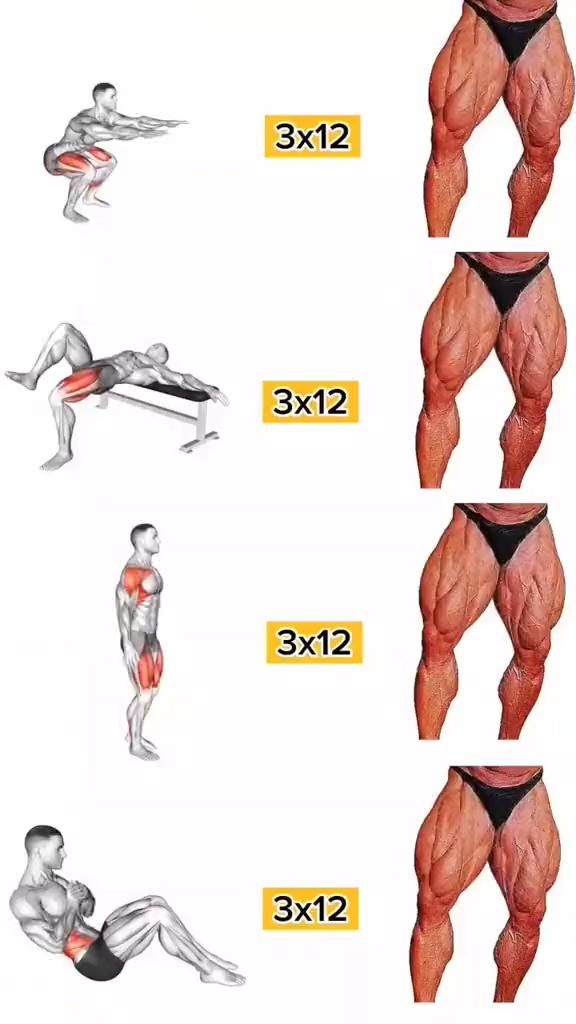
Picture this: no gym membership, no fancy equipment, just you and your determination to build strong, muscular legs right at home. Imagine the convenience of exercising whenever you want, saving time, and still seeing amazing results.
Sounds appealing, right? You’re not alone. Many people are discovering the power of at-home leg exercises to not only transform their muscles but also boost their confidence and overall health. We’re diving into the most effective leg exercises you can do in your living room, bedroom, or even your backyard.
These workouts are designed to challenge you, push your limits, and help you achieve the muscle growth you’re aiming for. Ready to unlock the secrets of building muscle without stepping foot in a gym? Keep reading, and discover how you can elevate your fitness routine from the comfort of your home.
Benefits Of Leg Exercises
Leg exercises are essential for overall fitness. They strengthen muscles and improve balance. Strong legs support daily activities. They also boost endurance and aid in weight loss. Exercising your legs at home offers convenience and flexibility.
Improved Muscle Strength
Leg exercises build muscle strength. Strong muscles help in lifting and carrying. They also protect from injuries. Regular training leads to toned legs.
Enhanced Balance And Stability
Leg workouts improve balance. Strong legs stabilize the body. This reduces the risk of falls. Balance exercises can be done at home easily.
Increased Endurance
Leg exercises boost endurance. They make walking and running easier. With stronger legs, activities become less tiring. This increases overall energy levels.
Better Joint Health
Regular leg exercises improve joint health. They support knees and ankles. This reduces pain and stiffness. Flexibility and movement are enhanced.
Boosted Metabolism
Leg workouts boost metabolism. More calories are burned. This helps in maintaining a healthy weight. An active lifestyle is promoted.

Credit: harubina.co.jp
Essential Warm-up Techniques
Before diving into your at-home leg exercises, warming up is crucial to prepare your muscles and joints. It can prevent injuries and enhance your performance. Essential warm-up techniques are the foundation of any successful workout routine, helping you gradually transition from rest to action.
Dynamic Stretching
Dynamic stretching involves active movements that increase your heart rate and improve flexibility. Try leg swings and walking lunges. These exercises target your legs while boosting circulation. You’ll feel more agile and ready for your workout.
Jumping Jacks
Jumping jacks are a simple yet effective way to get your blood pumping. They engage your entire body, especially the legs, and help elevate your heart rate. Start with a minute or two to increase energy and focus.
High Knees
High knees are excellent for activating your leg muscles and improving coordination. Lift your knees as high as you can while maintaining a rapid pace. This exercise is great for building endurance and preparing your legs for the workout ahead.
Bodyweight Squats
Bodyweight squats warm up your leg muscles and joints effectively. Focus on your form and go slow. Feel the stretch in your thighs and calves. This practice can enhance your squat performance later in your workout.
Leg Circles
Leg circles improve mobility and flexibility. Lie on your back and draw circles with your legs. This technique loosens up your hip joints and prepares them for more demanding exercises. It’s a gentle yet impactful way to start your routine.
Warm-ups might seem like a small part of your workout, but they can make a big difference. Have you ever noticed how a good warm-up changes your whole exercise session? Preparing your body well can lead to better results and less discomfort. So, why skip it?
Squats For Muscle Growth
Squats can boost muscle growth right at home. They engage multiple muscle groups for stronger legs. Regular practice helps build strength efficiently.
Squats are a powerful exercise for building leg muscles at home. They target the thighs, glutes, and calves. Squats use your body weight or added resistance. This makes them accessible for any fitness level. Performing squats regularly enhances muscle growth and boosts strength. They activate multiple muscle groups, promoting balanced development. Squats also improve flexibility and stability. This makes them essential for leg workouts.Proper Form Tips
To maximize benefits, maintain proper form. Stand with feet shoulder-width apart. Keep your chest lifted and back straight. Lower your body as if sitting in a chair. Your knees should align with your toes. Engage your core for better balance. Breathe deeply as you squat down. Exhale when standing back up. This helps maintain rhythm and control. Ensure your weight is distributed on your heels. This prevents strain on your knees.Common Mistakes To Avoid
Avoid rounding your back. This can lead to injury. Keep your spine neutral throughout the exercise. Do not let your knees collapse inward. This can cause joint stress. Ensure your knees do not extend beyond your toes. This helps maintain proper alignment. Do not rush through repetitions. Slow, controlled movements ensure effective muscle engagement. Avoid holding your breath. Breathing steadily supports muscle endurance. Ensure your feet remain flat on the ground. This prevents instability and maintains balance.Lunges For Strength And Balance
Lunges are effective for building leg muscles and improving balance at home. They target quadriceps, hamstrings, and glutes, enhancing strength and stability. Perfect for a quick workout without equipment.
Lunges are a fantastic exercise for building strength and balance. They engage multiple muscle groups, enhancing stability and coordination. Perfect for at-home workouts, lunges require no special equipment. They can be easily incorporated into any fitness routine. By practicing lunges regularly, you can effectively improve your lower body strength. Plus, they help in maintaining proper body alignment and posture.Variations To Try
There are many lunge variations to keep your workouts interesting. Forward lunges are great for beginners. They focus on your quads and glutes. Reverse lunges are another option. They place less strain on the knees, making them ideal for joint concerns. Side lunges target the inner and outer thighs. This variation improves lateral movement and flexibility. Walking lunges add a cardio element. They elevate heart rate, increasing endurance. Curtsy lunges engage the inner thighs and glutes. They challenge balance and coordination.Targeted Muscle Groups
Lunges primarily target the quadriceps. These muscles are located at the front of your thighs. They play a crucial role in leg movements. The glutes also benefit significantly from lunges. Strong glutes improve hip stability and power. Hamstrings, located at the back of the thighs, are engaged too. They assist in knee flexion and hip extension. Calves and core muscles stabilize the body during lunges. This helps maintain balance and posture. Lunges also activate hip flexors. These muscles aid in lifting and movement of the legs.Calf Raises For Defined Muscles
Strengthen your legs with calf raises at home. This simple exercise targets calf muscles, enhancing leg definition. No equipment needed, making it perfect for any fitness level.
Calf raises are an effective at-home exercise to build defined muscles. They focus on your calves, giving them shape and strength. With just a little effort, you can enhance your lower leg aesthetics and improve stability. The beauty of calf raises is their simplicity, yet they can be modified for increased challenge. Interested in taking your calf workout to the next level? Let’s explore how you can maximize results with weights and repetition strategies.Incorporating Weights
Adding weights to your calf raises can significantly enhance muscle growth. Consider holding a pair of dumbbells while you lift your heels. This adds resistance, which encourages your muscles to work harder. If dumbbells aren’t available, you can use household items like water bottles or even a backpack filled with books. The key is to maintain balance while adding weight. Are you ready to feel the burn? Challenge yourself by gradually increasing the weight as your strength improves.Repetition Strategies
Consistency and the right number of repetitions are vital for muscle definition. Start with three sets of 12 to 15 repetitions. This range is effective for muscle endurance and growth. Varying your speed can also lead to different muscle responses. Try slow, controlled movements to maximize tension on the calf muscles. Or, add explosive calf raises to engage fast-twitch muscle fibers. Have you considered integrating calf raises into a circuit routine? This can keep your workouts dynamic and engaging. Try pairing them with squats or lunges for a full lower-body workout. Remember, your calves play a crucial role in everyday activities like walking and running. By dedicating time to strengthen them, you’re investing in your overall fitness and mobility. So why not start today?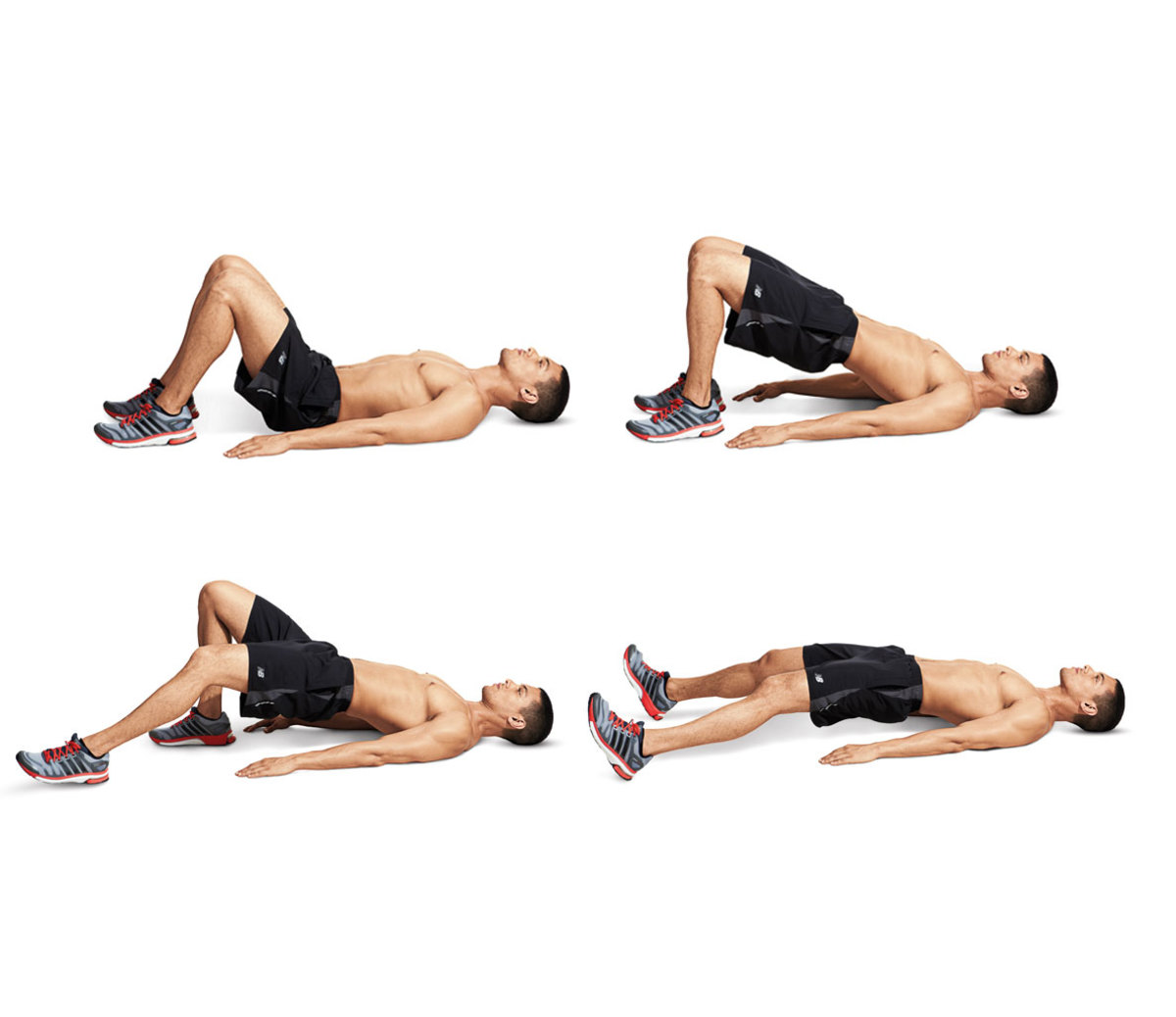
Credit: www.nuk.ma
Leg Press Alternatives
Squats, lunges, and step-ups offer effective leg exercises at home. These alternatives require minimal equipment and target major muscle groups. Build strength and improve balance with these simple moves.
Building strong legs doesn’t always require access to a gym. There are numerous effective leg press alternatives you can do right at home. These exercises can help you develop muscle, improve strength, and boost your overall fitness. Let’s dive into some practical options you can incorporate into your workout routine.Using Resistance Bands
Resistance bands are a fantastic tool for home workouts. They are affordable, portable, and versatile. You can use them to mimic the leg press movement effectively. Attach a resistance band to a sturdy anchor point, like a railing or a heavy piece of furniture. Sit on the floor with your back against the anchor, and place your feet in the bands. Push your legs out, simulating the leg press action, and feel the burn in your thighs and glutes. Experiment with different band tensions to increase the challenge. This flexibility allows you to progress over time. Who knew that a simple band could replace a bulky machine?Bodyweight Options
Don’t underestimate the power of bodyweight exercises. They can build muscle and enhance your leg strength significantly. Squats are a perfect start. Stand with your feet shoulder-width apart and lower your body as if you’re sitting back into a chair. Keep your chest up and push through your heels to return to standing. This exercise targets your quads, hamstrings, and glutes. Another excellent option is lunges. Step forward with one leg, lowering your hips until both knees are bent at a 90-degree angle. Alternate legs to ensure balanced muscle development. These exercises require no equipment, making them ideal for any space. Can you feel the empowerment of using your body as your gym? By incorporating resistance bands and bodyweight exercises, you can create a balanced leg workout plan. These alternatives offer both simplicity and effectiveness, ensuring you never miss out on leg day. What’s stopping you from trying these exercises today?Incorporating Plyometrics
Plyometric exercises boost muscle growth in the legs. They involve explosive movements like jumps and hops. Doing these at home can improve strength and power effectively.
When you want to build muscle at home, adding plyometrics can take your leg workouts to the next level. Plyometrics are explosive exercises that boost your power and performance. Think of them as the missing link between strength and speed. You may wonder how jumping and bounding can transform your workout routine. I remember the first time I tried box jumps in my living room. The rush of pushing off the floor and the satisfaction of landing solidly helped me see how powerful my legs could be. Are you ready to experience that kind of explosive power in your workouts?Benefits For Explosive Power
Plyometrics train your muscles to respond quickly and forcefully. This can translate into better performance in sports or any physical activity you enjoy. They help in developing fast-twitch muscle fibers, crucial for quick bursts of energy. Imagine being able to sprint faster or jump higher during a game. Engaging in these exercises can also improve your balance and coordination. Over time, you’ll notice improved agility, making everyday movements smoother and more efficient.Safety Considerations
Before you start, ensure that your body is warmed up. Cold muscles can lead to injuries, and no one wants to spend time recovering instead of training. Choose a safe space for your exercises. Clear away clutter and use a mat to cushion your landings. Listen to your body. If you feel any sharp pain, stop immediately. It’s better to rest and recover than to push through and risk a more serious injury. Adding plyometrics to your routine doesn’t have to be complicated. Simple exercises like jump squats or tuck jumps can be done in your living room. Are you ready to take your leg workouts up a notch?Tracking Progress And Adjustments
Stay consistent with tracking progress and adjusting routines for effective leg muscle building at home. Record each workout to see growth and identify where changes might help. Fine-tuning exercises ensures balanced muscle development and overall strength improvement.
Tracking your progress and making necessary adjustments are crucial when it comes to at-home leg exercises. These elements ensure that your workout routine remains effective and aligned with your fitness goals. Consistently monitoring what works and what doesn’t can significantly boost your motivation and results.Setting Realistic Goals
When setting goals for your at-home leg workouts, make sure they are achievable. It’s easy to get excited and aim too high, only to feel discouraged later. Break your goals into smaller, manageable steps that you can meet weekly or monthly. Consider your current fitness level. If you’re just starting, aim to perform a certain number of squats or lunges per day. As you progress, you can gradually increase these numbers. Tracking tools can be invaluable. Apps or even a simple journal can help you keep tabs on your achievements. Seeing your progress on paper or screen can be incredibly motivating and keeps you accountable.Adjusting Intensity Levels
One key factor in building muscle is the intensity of your workouts. If you’re not feeling challenged, it might be time to increase the intensity. Adding more reps, using resistance bands, or incorporating weights can make a big difference. On the flip side, if you’re feeling too sore or fatigued, it’s essential to dial it back. Listen to your body. Overtraining can lead to injuries, which will set back your progress. A friend of mine once ignored the signs of overtraining, resulting in a knee injury. It took weeks to recover, causing a significant delay in achieving his fitness goals. Have you been adjusting your intensity levels appropriately? Regularly reassess your routine. Every few weeks, evaluate your progress and decide if you need to make any changes. This flexibility helps in continuously challenging your muscles and preventing plateaus. Remember, building muscle is a journey, not a race. Keep your goals clear and your adjustments thoughtful to ensure steady progress.Importance Of Recovery And Rest
Muscles need rest to grow stronger. Rest days help repair muscle tissues after intense leg exercises at home. This downtime is essential for optimal muscle growth and preventing injuries.
Building muscle at home through leg exercises can be incredibly effective, but the importance of recovery and rest can’t be overstated. Recovery isn’t just about taking breaks; it’s an essential part of the muscle-building process. When you exercise, you create tiny tears in your muscle fibers. Rest allows these fibers to repair and grow stronger. Skipping this vital step can lead to fatigue and injuries, derailing your progress. Have you ever felt sore after a workout, only to push through the pain the next day? That’s your body signaling it needs rest. Listen to it. Allowing your muscles time to heal ensures they become more resilient. You’ll find that respecting recovery makes you stronger and more energized for your next workout.Stretching Techniques
Stretching is a great way to aid recovery. Post-workout stretches help maintain flexibility and reduce muscle stiffness. Consider a simple hamstring stretch: sit on the floor with one leg extended and reach for your toes. Hold for 15-30 seconds. Repeat on the other side. Dynamic stretches, like lunges or leg swings, can also be beneficial before workouts. They prepare your muscles for action, reducing the risk of injury. Try them out and notice the difference they make in your performance.Nutrition For Muscle Repair
Recovery isn’t just physical; nutrition plays a key role too. What you eat matters. Protein-rich foods like chicken, fish, and beans can help repair muscle tissues. Consider adding a post-workout smoothie with Greek yogurt, berries, and a scoop of protein powder. This combination provides essential amino acids for muscle recovery. Hydration is crucial, too. Water aids in nutrient transport and waste removal. Are you fueling your body effectively after workouts? Make nutrition a priority to maximize your muscle-building efforts.
Credit: www.dmtl.africa
Frequently Asked Questions
Is It Possible To Build Leg Muscles At Home?
Yes, you can build leg muscles at home using exercises like squats, lunges, and calf raises. Use body weight or resistance bands for added challenge. Consistency and proper form are key to muscle growth. Adjust the intensity and repetitions based on your fitness level.
Is A 20 Minute Leg Workout Enough To Build Muscle?
Yes, a 20-minute leg workout can build muscle with the right intensity and exercises. Consistency and progressive overload are key. Focus on compound movements like squats and lunges. Ensure proper nutrition and rest for optimal results.
Are 4 Exercises Enough For Leg Day?
Yes, 4 exercises can be enough for leg day. Focus on compound movements like squats, lunges, and deadlifts. Ensure proper form and intensity. Adjust sets and reps to meet your fitness goals. Listen to your body and avoid overtraining for optimal results.
Can I Build Leg Muscle Without Weights?
Yes, you can build leg muscle without weights. Perform exercises like squats, lunges, and step-ups. Use resistance bands for added challenge. Consistency and proper form are key for muscle growth. Incorporate variations and increase intensity over time to maximize results.
Conclusion
Building leg muscles at home is achievable. Consistency is key to results. Try these exercises regularly. Start with squats and lunges. Add variety with calf raises and wall sits. Focus on proper form to avoid injury. No equipment needed. Just your body and some space.
Stay motivated and track your progress. Celebrate small victories. Strong legs support overall fitness. They’re essential for daily activities. Keep pushing yourself. Your efforts will pay off. Enjoy the journey to stronger legs.








