Imagine transforming your living room into a high-intensity, adrenaline-fueled training ground. The Fight Club Workout at Home is your ticket to achieving that gritty, raw fitness level you’ve always admired in action heroes.
You don’t need a fancy gym membership or expensive equipment; all you need is determination and a bit of space. Are you tired of the same old workout routine? Ready to challenge your limits and sculpt your physique like a fighter?
This workout promises to push you beyond your comfort zone and ignite a sense of empowerment. Dive in and discover how you can unleash your inner warrior without leaving the comfort of your home.
Credit: x.com
Basics Of The Fight Club Workout
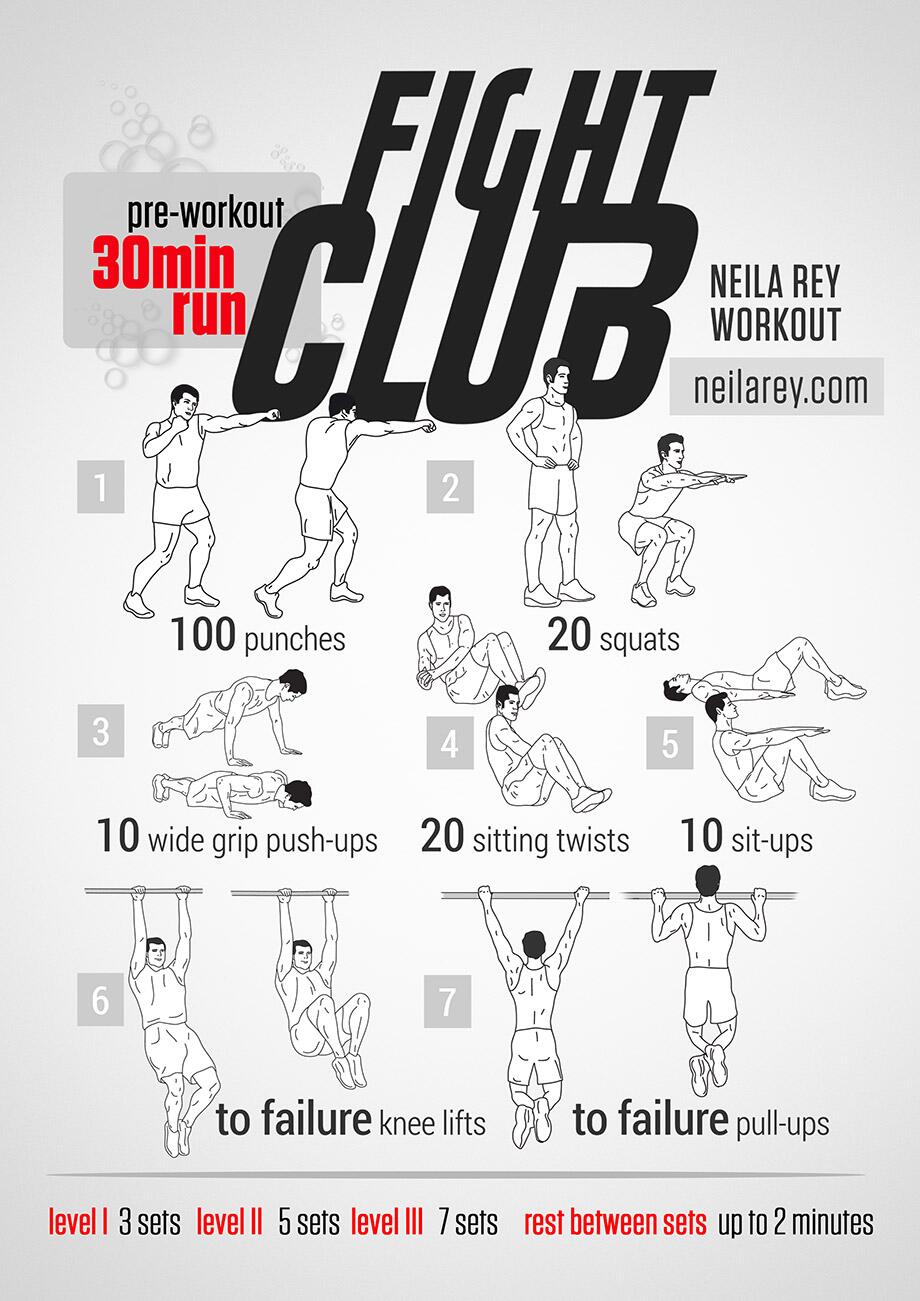
Explore the Fight Club Workout at home, focusing on basic moves like punches, squats, and push-ups. This workout combines strength and cardio, offering a challenging routine without needing gym equipment. Stay consistent for improved fitness and stamina.
The Fight Club Workout is more than just a fitness routine—it’s a lifestyle choice inspired by the gritty, no-nonsense spirit of the cult classic movie, “Fight Club.” This workout is designed to push your limits and transform both your body and mind, all from the comfort of your home. Whether you’re a movie fan or just someone looking to shake up your exercise routine, the Fight Club Workout offers something unique and challenging.Inspiration From The Movie
“Fight Club” isn’t just about underground boxing; it’s about embracing discomfort and challenging yourself. Remember the raw energy and intensity of the characters? The workout taps into that same spirit. It encourages you to break free from routine and comfort zones. Imagine channeling your inner Tyler Durden as you punch, kick, and sweat your way to fitness. You don’t need to fight in basements, but adopting the movie’s fearless attitude can redefine your home workouts.Core Principles
The essence of the Fight Club Workout lies in its simplicity and intensity. It focuses on fundamental movements like push-ups, squats, and planks. These exercises require no equipment, making them perfect for home workouts. Consistency is key. Commit to a regular schedule—perhaps three to four times a week. This creates a habit and reinforces discipline. Will you challenge yourself to stick to it? Intensity is your friend. Push yourself with high-intensity interval training (HIIT). This maximizes calorie burn and builds endurance. Are you ready to push your limits? Finally, track your progress. Keep a journal or use a fitness app. Documenting your journey helps you stay motivated and see how far you’ve come. What milestones will you achieve this month? By incorporating these elements, the Fight Club Workout can become a transformative part of your routine. Ready to embrace the challenge?Essential Equipment
When you’re ready to bring the intensity of Fight Club workouts into your home, having the right equipment is key. But don’t worry, you don’t need a fully equipped gym to start. In fact, with a few essential pieces, you can create a powerful workout space that fuels your fitness journey. Whether you’re looking to replicate the gritty atmosphere of Fight Club or simply want to get fit, having the right gear will make all the difference.
Minimal Gear Requirements
Creating an effective Fight Club workout space at home doesn’t have to break the bank. You’ll be surprised how little you actually need to get started.
- Jump Rope:Perfect for cardio and coordination, it’s a staple for any fighter’s workout.
- Resistance Bands:These are great for strength training, and they take up virtually no space.
- Free Weights:A pair of dumbbells can offer versatility for various exercises targeting different muscle groups.
These items are compact and affordable. They provide an excellent foundation for your Fight Club-inspired workouts. You’ll be able to work on strength, agility, and endurance.
Alternatives Using Household Items
Don’t have gym equipment? No problem. You can still get your Fight Club workout using items you already have at home.
- Stairs:Use them for cardio by running up and down. They offer a great workout for your legs and stamina.
- Heavy Books:Use them like dumbbells for bicep curls or squats.
- Towels:Use them as sliders on a smooth floor for core exercises.
These alternatives show that creativity is your best friend. You’ll realize that your home is filled with potential workout tools. Why not challenge yourself to find new ways to use everyday items?
So, what’s stopping you from starting your Fight Club workout today? With the right equipment or creative substitutes, you can transform your living space into a dynamic workout zone. Are you ready to take on the challenge and make your home your personal gym?
Warm-up Techniques
Getting ready for your Fight Club workout at home starts with a proper warm-up. It prepares your body and mind for intense exercise. A good warm-up enhances your performance and reduces injury risk. Let’s explore effective techniques to kick off your session.
Dynamic Stretching
Dynamic stretching involves active movements. It boosts blood flow to muscles. Try arm circles to loosen shoulders. Perform leg swings to engage hips and thighs. These stretches improve flexibility and range of motion.
Cardio Exercises
Cardio exercises elevate heart rate. They prepare your cardiovascular system for workout. Jumping jacks are simple yet effective. High knees stimulate leg muscles. These exercises build endurance and warm your body quickly.

Credit: www.menshealth.com
Core Workouts
Core workouts are the backbone of any effective Fight Club Workout at home. They are crucial for stability and strength, helping you maintain balance in every punch and kick. Your core muscles, including the abs and back, play a vital role in your performance. Strong core muscles can elevate your workout routine, making each move more powerful and precise.
Abdominal Exercises
Start with crunches. Lie on your back, feet flat on the floor, and knees bent. Raise your shoulders, tightening your abs with each lift. Do three sets of 15 reps. Crunches are simple but effective for building strong abs.
Planks are another powerful exercise. Place your elbows on the ground, legs straight, and hold your body in a straight line. Aim for 30 seconds to start, increasing as you get stronger. Planks engage your core fully, enhancing stability.
Think about adding bicycle crunches to your routine. Lie on your back, hands behind your head, and bring opposite elbow to knee. This exercise targets your obliques and helps sculpt a well-rounded core.
Back Strengthening
Strengthening your back is essential for maintaining balance and preventing injuries. Try Superman lifts. Lie face down, extend your arms and legs, and lift them simultaneously. Hold for a few seconds before releasing. These lifts improve your lower back strength.
Bridge exercises can also be beneficial. Lie on your back with knees bent. Lift your hips, creating a straight line from shoulders to knees. Bridges help enhance your glutes and lower back strength.
Consider incorporating bird-dogs into your routine. Start on all fours, extend one arm and opposite leg, then switch sides. This exercise promotes back stability and coordination.
Are you ready to build a rock-solid core? Your abs and back are waiting for attention. Dive into these workouts and experience the difference in your Fight Club routine. Which exercise will you try first to elevate your home workout game?
Upper Body Routines
Are you ready to chisel your upper body without stepping foot outside your home? Dive into the world of Fight Club-inspired workouts that promise to sculpt your muscles and boost your stamina. Upper body routines are the backbone of building strength and improving your physique. With a mix of classic exercises and boxing-inspired drills, you can transform your living room into your personal gym.
Push-ups Variations
Push-ups are the bread and butter of upper body workouts. They target your chest, shoulders, and triceps, making them essential for anyone looking to pack on muscle. But here’s the twist: variety is key. Regular push-ups can get monotonous, so spice things up with variations.
- Diamond Push-Ups:Place your hands close together, forming a diamond shape. This targets your triceps more intensely.
- Plyometric Push-Ups:Add a clap at the top of your push-up. This explosive move builds power and agility.
- Wide Grip Push-Ups:Spread your hands wider than your shoulders. Feel the burn in your chest as you lower down.
Each variation challenges different muscle groups. Mix them into your routine to keep your workouts fresh and effective. Which variation will you conquer first?
Shadow Boxing Drills
Shadow boxing is not just for fighters; it’s a powerhouse exercise for toning your arms and shoulders. Imagine yourself in the ring, throwing punches with speed and precision. It’s a cardio workout that engages your entire upper body.
Start with simple drills:
- Jab:Extend your fist forward quickly, keeping your elbow close to your body.
- Cross:Rotate your torso and punch across your body, using your back foot for momentum.
- Uppercut:Bend your knees slightly and punch upwards, targeting your opponent’s chin.
Practice these moves in front of a mirror. Notice how your posture improves and your muscles tighten with each punch. Shadow boxing is not just physical; it’s mental. Are you ready to unleash your inner fighter?
These upper body routines are not just workouts; they’re a lifestyle. Challenge yourself, and watch your strength soar. What’s stopping you from embracing the Fight Club spirit today?
Lower Body Exercises
Lower body exercises are crucial for building strength and stability. In a Fight Club workout, focusing on the legs and glutes enhances overall performance. Strong legs improve balance and power, aiding in agility and endurance. Let’s dive into some effective lower body exercises you can do at home.
Squats And Lunges
Squats and lunges target the major muscles in the lower body. These moves are excellent for toning the thighs and glutes. Stand with feet shoulder-width apart. Bend your knees while keeping your back straight. Push through your heels to return to standing. That’s a squat. For lunges, step forward with one foot. Lower your hips until both knees are bent at a 90-degree angle. Return to standing. Alternate legs for balanced strength.
Plyometric Moves
Plyometric moves boost power and explosiveness. They involve quick, intense bursts of movement. Try jump squats to start. Perform a regular squat, then jump up explosively. Land softly and repeat. Another move is the lunge jump. Begin in a lunge position. Jump and switch legs mid-air. Land in a lunge on the opposite side. These exercises improve speed and coordination.
Cool Down Practices
After a high-energy Fight Club workout, cooling down is crucial. It helps your body transition smoothly from intense activity to rest. Cool down practices reduce muscle stiffness and prevent injuries. They also calm the mind, promoting overall well-being. Let’s explore effective cool down techniques for your home workout.
Static Stretching
Static stretching lengthens and relaxes your muscles. It enhances flexibility and circulation. Focus on major muscle groups like legs, arms, and back. Hold each stretch for about 20 to 30 seconds. This duration allows muscles to release tension effectively. Keep movements gentle and breathe deeply.
Breathing Exercises
Breathing exercises help calm your mind and body. They reduce stress and improve mental clarity. Start by inhaling deeply through your nose. Then, exhale slowly through your mouth. Repeat this process for a few minutes. This practice aids in lowering your heart rate. It also enhances oxygen flow to your muscles.

Credit: www.pinterest.com
Tracking Progress
Tracking progress in your Fight Club workout at home ensures steady improvement. Monitor strength, endurance, and technique regularly to stay motivated. Keep a workout journal to see results and make necessary adjustments.
Tracking progress in your Fight Club workout at home is crucial for achieving your fitness goals. It keeps you motivated and on track, ensuring that each punch and kick brings you closer to your desired level of fitness. By understanding your progress, you can make informed decisions to adjust your routines and push your limits further.Setting Achievable Goals
Start by setting clear, achievable goals. Do you want to improve your endurance, strength, or lose weight? Define what you want to achieve in a specific timeframe. Break your goals into smaller, manageable milestones. Instead of aiming to do 100 push-ups in a month, aim for 25 push-ups a week. This approach keeps you motivated and helps track your progress easily. Reflect on your progress regularly. Ask yourself: Are you hitting your milestones? If not, what can you change to meet them?Using Fitness Apps
Fitness apps can be your best ally in tracking progress. They provide tools to record your workouts, track calories, and measure improvements over time. Apps like MyFitnessPal or Google Fit offer insights into your daily activity levels. They help you see patterns and make adjustments to improve your performance. Use apps that allow you to set reminders for workouts. These notifications can keep you accountable and ensure you never miss a workout session. Track the progress of your Fight Club workout with precision and dedication. How will you adapt your strategy as you see your results?Staying Motivated
Staying motivated during your Fight Club workout at home can be challenging. You might feel excited at first, but maintaining that energy is tough. With the right strategies, you can keep your motivation high. These tips will help you stay on track and achieve your fitness goals.
Creating A Routine
Creating a routine helps build discipline. Start by setting specific workout days. Choose a time that fits your schedule. Stick to this time daily. Consistency is key to forming a habit. Write down your workouts. Logging progress keeps you accountable. Adjust your routine as needed. This prevents boredom and keeps your workout fresh.
Finding A Workout Partner
Finding a workout partner boosts motivation. They encourage you to push harder. You can share goals and celebrate achievements together. Having someone by your side makes workouts enjoyable. You are less likely to skip sessions. Choose someone with similar goals. This fosters mutual support. Communicate regularly to keep each other motivated. Share tips and challenge each other.
Frequently Asked Questions
What Is The 3 Rule Of Fight Club?
The third rule of Fight Club is: If someone yells “stop,” goes limp, or taps out, the fight is over.
What Was Brad Pitt’s Workout Routine For Fight Club?
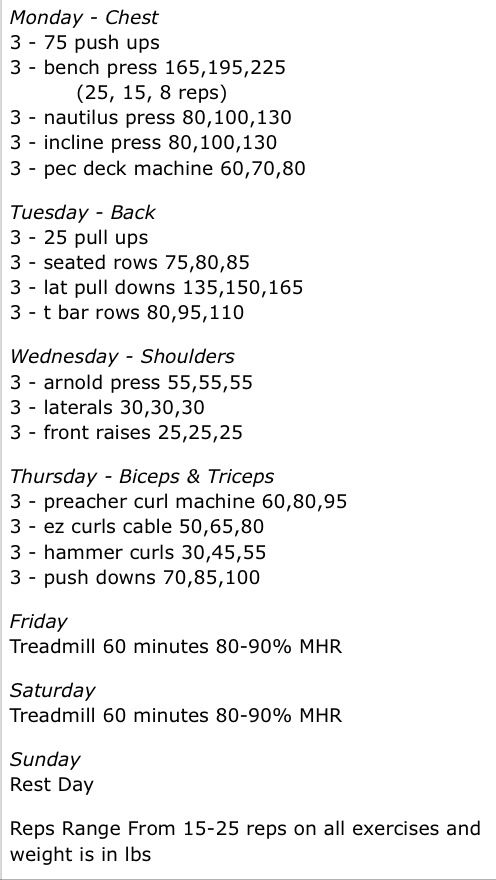
Brad Pitt’s Fight Club routine included weight training, focusing on low body fat and lean muscle. He worked out six days a week, targeting different muscle groups each day. His regimen combined cardio, lifting, and core exercises to achieve a chiseled physique.
Diet played a crucial role in maintaining low body fat.
How Much Was Brad Pitt Benching For Fight Club?
Brad Pitt reportedly benched around 175 pounds while preparing for his role in Fight Club. His rigorous training included weightlifting, cardio, and a strict diet to achieve his iconic physique.
What Is The 3 2 1 Body Workout?
The 3 2 1 body workout involves a structure of three cardio, two strength, and one core exercise. This format promotes balanced fitness by alternating different workout types. It’s efficient and effective for burning calories and building muscle. Ideal for those seeking a versatile and quick workout routine.
Conclusion
Achieving a Fight Club workout at home is possible and rewarding. It boosts strength and confidence. No gym needed. Just your dedication and space. Focus on consistent practice and form. Small steps lead to big gains. Remember to stay safe and listen to your body.
Adjust exercises if necessary. Progress takes time, but it’s worth it. Enjoy the journey, not just the results. With patience and effort, you’ll see improvements. Embrace the challenge and transform your fitness routine. Your home is now your training ground.
Keep pushing forward. You got this!








