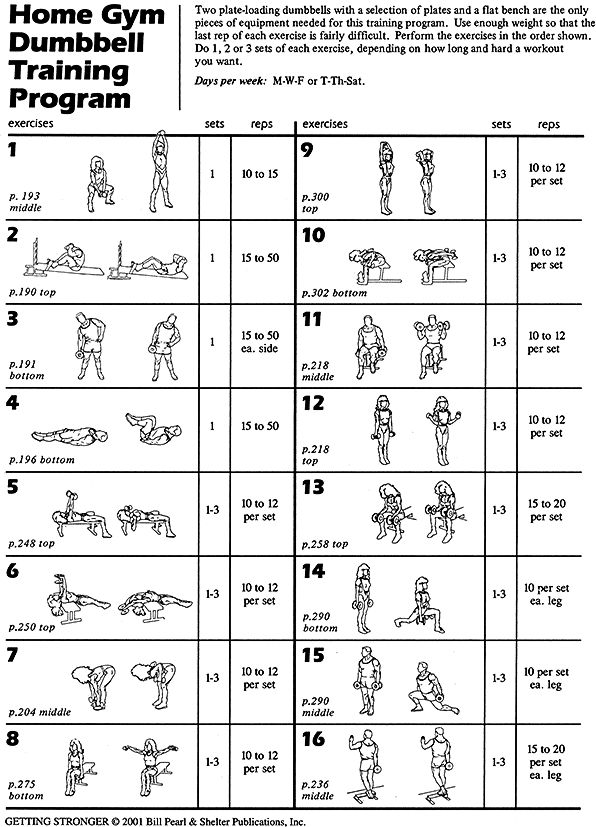
Are you tired of crowded gyms and expensive memberships? Imagine sculpting your dream body from the comfort of your own home with just a pair of dumbbells.
Yes, it’s entirely possible! A well-structured dumbbell workout schedule can transform your living room into a personal fitness haven. Picture yourself achieving your fitness goals without the hassle of commute and on your own terms. This guide will reveal the secrets to maximizing your home workouts, keeping you motivated and on track.
Ready to discover how you can revolutionize your fitness routine at home? Let’s dive in and unlock the full potential of your dumbbell workouts!
Benefits Of Dumbbell Workouts
Dumbbell workouts offer remarkable benefits for those exercising at home. They are versatile, allowing many exercises targeting different muscle groups. With just a pair of dumbbells, you can effectively work on strength, endurance, and flexibility. This convenience makes them ideal for home workouts.
1. Improves Muscle StrengthDumbbell workouts build muscle strength efficiently. Lifting weights increases muscle mass and strength. Regular dumbbell use targets specific muscles, promoting growth. This helps in achieving balanced muscle development.
2. Enhances FlexibilityUsing dumbbells enhances flexibility. Different movements stretch your muscles, improving range of motion. Greater flexibility reduces injury risk and improves overall performance. It also helps in daily activities.
3. Aids in Weight LossDumbbell exercises burn calories. Engaging multiple muscle groups increases energy use. Regular sessions boost metabolism, aiding weight loss. This helps maintain a healthy body weight.
4. Boosts Mental HealthWorking out with dumbbells boosts mental health. Physical activity releases endorphins, improving mood. It reduces stress and anxiety, promoting mental well-being. Regular exercise fosters a positive mindset.
5. Convenient and Cost-EffectiveDumbbells are affordable and space-saving. They fit easily in home settings, requiring minimal space. This convenience allows consistent workouts without gym trips. Investing in dumbbells saves money in the long run.
6. Customizable WorkoutsDumbbell workouts are easily customizable. Adjusting weight changes intensity, catering to fitness levels. This adaptability suits beginners and advanced exercisers. You can tailor workouts to meet specific goals.

Credit: in.pinterest.com
Essential Equipment
Creating a dumbbell workout schedule at home starts with the right equipment. Having essential gear makes your workout effective and enjoyable. Dumbbells are versatile and great for home use. They do not take up much space. Their flexibility allows for a variety of exercises. But, what exactly do you need to get started? Let’s break it down.
Adjustable Dumbbells
Adjustable dumbbells are a smart choice. They save space and offer varied weights. You can easily switch weights for different exercises. This makes your workout more efficient. Adjusting them is quick and easy. They suit both beginners and advanced users.
Exercise Mat
An exercise mat is crucial for comfort. It provides a cushion for floor exercises. It also prevents slipping. A good mat protects your floor from damage. Choose a durable mat with enough padding. It enhances your workout experience.
Workout Bench
A workout bench adds variety to your routine. It supports different exercises. Benches help improve form and stability. They are ideal for upper body workouts. Opt for a foldable bench to save space. Ensure it is sturdy and comfortable.
Resistance Bands
Resistance bands are a great addition. They complement dumbbell exercises. Bands increase resistance and improve muscle tone. They are lightweight and portable. Perfect for adding intensity to your workouts. Choose bands with different resistance levels.
Water Bottle
Staying hydrated is key during workouts. Keep a water bottle nearby. It helps maintain energy and focus. Choose a bottle that is easy to carry. Ensure it has a secure lid to prevent spills. Hydration supports performance and recovery.
Workout Timer
A workout timer keeps you on track. It helps manage exercise and rest periods. Timers improve workout efficiency. You can use a simple timer or a smartphone app. Consistent timing enhances routine discipline. It ensures you get the most out of your session.
Setting Up Your Space
Creating a dedicated space for your dumbbell workout is essential. It helps maintain focus and ensures safety. A well-organized area can motivate you to stick to your routine. Whether you have a small corner or a spacious room, setting up the right environment is crucial.
Choosing The Right Spot
Select a location with enough room to move freely. Ensure there’s adequate ventilation to keep the area fresh. Natural light can boost your energy and mood. If possible, choose a quiet spot to avoid distractions.
Organizing Equipment
Keep your dumbbells neatly arranged for easy access. Use a rack or shelf to store them efficiently. Avoid clutter to prevent accidents during your workout. Having a tidy space keeps you motivated and focused.
Flooring Considerations
Invest in a mat or carpet to protect your floor. It provides cushioning and prevents slipping. Ensure the flooring is level to avoid imbalance issues. A stable surface enhances your safety and performance.
Adding Personal Touches
Decorate your space with motivating posters or quotes. Personal touches can inspire and energize you. Create an environment that reflects your personality and goals. A personalized space makes your workouts more enjoyable.
Warm-up Routine
Begin your dumbbell workout at home with a warm-up routine. Stretch arms, legs, and core for flexibility. Light exercises prepare muscles for lifting weights efficiently.
Warming up before a dumbbell workout at home sets the tone for an effective and injury-free session. It’s tempting to skip the warm-up, especially when you’re eager to dive into the main workout, but those few minutes can make a significant difference. A proper warm-up elevates your heart rate, loosens stiff muscles, and mentally prepares you for the exercises ahead.Dynamic Stretches To Get You Started
Dynamic stretches are a great way to start your warm-up. Unlike static stretches, these involve movement and help increase blood flow to your muscles. Simple exercises like arm circles, leg swings, and torso twists can be very effective. Try doing each for about 30 seconds.Cardio Burst For Increased Heart Rate
A short cardio burst can elevate your heart rate and prepare your body for more intense activity. Jumping jacks or high knees for a minute can do wonders. This quick burst not only warms you up but also gets you in the right mindset for the workout.Joint Mobility Exercises
Joint mobility exercises are crucial, especially if you’ve been sitting for long periods. Focus on key joints that you’ll use during your dumbbell workout. For example, wrist circles and ankle rolls can prepare these smaller joints for action.Personal Insight: The Difference It Makes
I used to skip warm-ups, thinking they were unnecessary. However, after experiencing a minor injury, I realized their importance. Now, I never skip them, and my workouts feel smoother and more effective. Have you ever noticed a difference when you warm up properly?Listen To Your Body
Pay attention to how your body feels during the warm-up. If something feels off, adjust the routine. Your body knows best, and it’s important to respect its signals. Warm-ups are not just a formality; they’re an essential part of your workout. They prepare both your body and mind, setting the stage for a successful session. So, next time you’re about to lift those dumbbells, remember the value of a good warm-up.Upper Body Exercises
Working out at home is convenient and effective. Dumbbells offer a versatile option for upper body exercises. You can target different muscle groups with a few simple moves. Let’s focus on the chest, shoulders, back, and arms.
Chest And Shoulders
Start with the dumbbell bench press. Lie on a flat bench and hold a dumbbell in each hand. Push the weights up until your arms are straight, then lower them slowly. This exercise builds the chest muscles.
Move on to shoulder presses. Sit or stand with a dumbbell in each hand at shoulder height. Push the weights overhead and bring them back down. This strengthens your shoulders.
Back And Arms
Try bent-over rows. Stand with feet shoulder-width apart and bend slightly at the waist. Hold a dumbbell in each hand, and lift them towards your chest. This targets your back muscles.
For arms, perform dumbbell curls. Stand straight and hold a dumbbell in each hand. Curl the weights up toward your shoulders, then lower them. Your biceps will feel the burn.
Another great arm exercise is the tricep kickback. Bend at the waist and hold a dumbbell in one hand. Extend your arm behind you and return to the starting position. This builds your triceps.
These exercises help strengthen and sculpt your upper body. Always maintain proper form to avoid injury.
Lower Body Exercises
Enhance your lower body strength with a dumbbell workout at home. Lower body exercises help build muscle and improve balance. By focusing on key areas, you can achieve better results. Let’s explore some effective exercises for your legs and glutes, and calf strengthening.
Legs And Glutes
Squats are essential for building strong legs and glutes. Hold a dumbbell in each hand. Stand with feet shoulder-width apart. Lower your body as if sitting back in a chair. Keep your back straight. Return to the standing position. Repeat for 10-15 reps.
Lunges also target the legs and glutes effectively. Hold a dumbbell in each hand. Step forward with one leg. Lower your hips until both knees are bent at 90 degrees. Push back to the starting position. Alternate legs for 10-15 reps per side.
Calf Strengthening
Calf raises help strengthen your calf muscles. Stand with feet hip-width apart. Hold a dumbbell in each hand. Lift your heels off the ground. Balance on the balls of your feet. Lower your heels back down. Repeat for 10-15 reps.
Seated calf raises provide another option. Sit on a chair with a dumbbell on each knee. Lift your heels off the ground. Focus on squeezing the calf muscles. Lower your heels back to the ground. Complete 10-15 reps.
Core Strengthening Moves
Dumbbell workouts at home can strengthen your core effectively. Simple moves target muscles for better balance and posture. Consistent practice leads to noticeable improvements in strength and endurance.
Building a strong core is essential for overall fitness and stability. Your core muscles are the foundation of every movement you make. They support your spine and ensure you perform exercises safely and effectively. With a few dumbbells and a dedicated space at home, you can enhance your core strength without the need for a gym membership. Plank RowsThis exercise targets your core while also engaging your back and arms. Begin in a plank position with a dumbbell in each hand. Pull one dumbbell towards your ribcage, then return it to the floor. Alternate arms while maintaining a stable plank position. Russian TwistsSit on the floor with your knees bent and feet flat. Hold a dumbbell with both hands and lean back slightly. Rotate your torso, bringing the dumbbell beside your hip. Repeat on the opposite side. This move strengthens your obliques, which are crucial for rotational strength. Standing Dumbbell Side BendStand with your feet shoulder-width apart. Hold a dumbbell in one hand and let it hang beside your body. Slowly lean to the side while keeping your back straight. Return to the starting position and repeat on the other side. This exercise works your obliques and helps improve balance. Weighted Sit-UpsLie on your back with your knees bent and feet flat on the ground. Hold a dumbbell across your chest. Perform a sit-up by lifting your shoulders off the floor and bringing your chest towards your knees. Lower back down with control. This adds resistance, making your core work harder. Renegade RowsThis dynamic move combines a push-up with a row. Start in a high plank with a dumbbell in each hand. Perform a push-up, then pull one dumbbell towards your hip, engaging your core. Alternate sides after each push-up. It challenges your balance and strengthens multiple muscle groups. Incorporating these moves into your routine can transform your core strength. Have you noticed how a strong core improves your daily activities? From lifting groceries to playing sports, a stable core supports it all. So grab those dumbbells and make core strengthening a priority.Full-body Workouts
Full-body workouts are efficient and effective. They target multiple muscle groups in a single session. This approach saves time and builds balanced strength. Working out with dumbbells at home can be convenient and versatile. You don’t need fancy equipment or a crowded gym. Just some space and a pair of dumbbells.
A proper warm-up prepares your muscles for exercise. Start with light cardio, like jogging in place. Perform dynamic stretches, focusing on the whole body. This gets your blood flowing and reduces injury risk.
Squats For Legs And Core
Squats engage your legs and core. Hold a dumbbell in each hand at shoulder height. Keep your back straight and lower into a squat. Push through your heels to return to standing. Perform 10 to 15 reps for a strong lower body.
Dumbbell Bench Press
The bench press targets your chest and arms. Lie back on a flat surface. Hold dumbbells above your chest, palms forward. Lower the weights slowly and push them back up. Aim for 8 to 12 reps to build upper body strength.
Deadlift For Posterior Chain
Deadlifts strengthen the lower back, glutes, and hamstrings. Stand with feet shoulder-width apart. Hold dumbbells in front of your thighs. Bend your knees slightly and hinge at the hips. Lower the weights toward the floor. Return to standing by engaging your glutes.
Overhead Press
The overhead press works shoulders and upper arms. Stand with feet shoulder-width apart. Hold dumbbells at shoulder level. Press the weights overhead until arms are straight. Lower them back to shoulder height with control.
Plank Rows
Plank rows engage the core and back. Start in a plank position with a dumbbell in each hand. Keep your body straight and row one weight up to your side. Alternate sides for 10 to 12 reps each.
Cool Down Stretch
Cool down with stretches to relax muscles. Focus on areas you worked hard. Stretch your legs, arms, and back gently. Hold each stretch for 20 to 30 seconds. This helps prevent soreness and aids recovery.
Weekly Schedule Plan
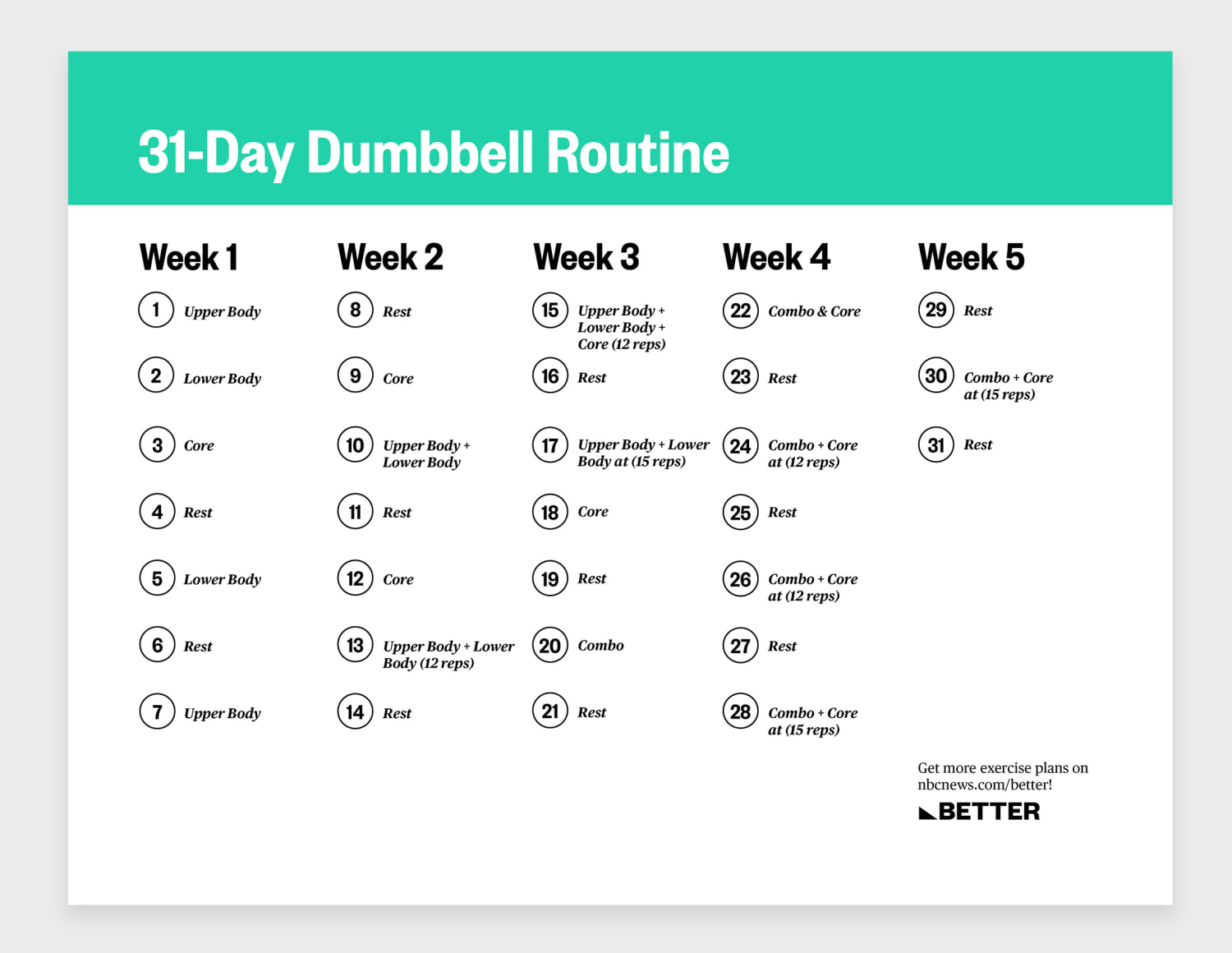
Creating a weekly dumbbell workout schedule at home can be your path to achieving fitness goals without the need for a gym membership. With just a pair of dumbbells, you can target different muscle groups effectively. But how do you plan your week to maximize results? Let’s dive into a practical weekly schedule that keeps your workouts fresh and engaging.
Monday: Upper Body Strength
Start your week by focusing on your upper body. Think about exercises like bicep curls, tricep extensions, and shoulder presses. These movements build strength in your arms and shoulders. Aim for three sets of each exercise, with 8-12 reps per set. Feel the burn, but keep good form.
Tuesday: Lower Body Power
It’s time to give some love to your legs. Squats, lunges, and calf raises are your best friends today. These exercises target your thighs, glutes, and calves, helping you build power and endurance. Remember to maintain a straight back and engage your core throughout.
Wednesday: Core Focus
Mid-week, switch your attention to your core. Try exercises like Russian twists, planks, and dumbbell side bends. These will help you strengthen your abdominal muscles and improve balance. Keep your movements controlled and focus on your breathing.
Thursday: Rest Or Light Cardio
Your body needs time to recover. Consider taking a rest day or engage in light cardio like a brisk walk or cycling. This helps with muscle recovery and keeps your energy levels high. How do you usually feel after a solid rest day?
Friday: Full Body Circuit
End the work week with a full-body workout. Combine exercises from earlier in the week into a circuit. This keeps your heart rate up and boosts endurance. Mix it up with squats, push-ups, and rows. Challenge yourself to complete the circuit three times.
Saturday: Active Recovery
Enjoy a lighter day with activities that relax your muscles. Yoga or stretching can be great options. These activities improve flexibility and reduce muscle tension. It’s a great time to reflect on your progress over the week.
Sunday: Personal Choice
Choose an activity you love. Whether it’s dancing, hiking, or playing a sport, keep it fun and active. This maintains your fitness momentum without feeling like a chore. What activity brings you joy and keeps you moving?
Setting a weekly plan not only structures your workout but also keeps you motivated. Remember, consistency is key. Follow this schedule, adjust as needed, and watch your strength and confidence grow.
Progress Tracking
Tracking your progress is essential in any workout routine. It keeps you motivated and ensures you are moving forward. A dumbbell workout schedule at home can be effective. But without tracking, it’s hard to measure improvement. Knowing how far you’ve come helps set new goals. Let’s explore simple ways to track your progress with dumbbells.
Using A Workout Journal
A workout journal is a powerful tool. Write down your exercises and repetitions. Record the weights you use each day. This gives a clear view of your efforts. Over time, you see patterns and improvements. A journal is more than a record. It’s a motivator that shows your growth.
Weekly Photos For Visual Progress
Photos capture physical changes. Take weekly photos of your muscles. Compare them over time to see the difference. You might not notice changes daily. But pictures tell the story of your progress. They show the results of your hard work. Visual progress keeps you inspired.
Setting Realistic Goals
Goals guide your workout journey. Set clear and realistic targets. They should be achievable and challenging. Write them down and track your achievement. Adjust them as you grow stronger. Realistic goals prevent burnout and maintain focus. They lead you step by step to success.
Monitoring Strength Gains
Strength gains are key in dumbbell workouts. Notice how much weight you lift. Increase weights gradually as you get stronger. Document your lifting progress regularly. This shows your muscles are growing. It confirms your workout’s effectiveness. Tracking strength gains builds confidence.
Using Apps For Tracking
Apps make tracking simple. They offer features like timers and logs. Use them to note sets, reps, and weights. Apps provide reminders and track progress automatically. They help visualize your achievements. Choose an app that suits your needs. Digital tracking is convenient and efficient.
Common Mistakes To Avoid
Embarking on a dumbbell workout at home can be exciting and rewarding. It’s essential to avoid common mistakes to ensure you achieve your fitness goals. Making errors can lead to injury or hinder progress. Recognizing these pitfalls is crucial for effective and safe training. Let’s dive into some common mistakes people make during their dumbbell routines.
Skipping Warm-up Exercises
A proper warm-up prepares your muscles for exercise. It reduces the risk of injury. Many neglect this vital step, which can lead to strains or discomfort. Always spend a few minutes warming up before lifting weights.
Using Incorrect Form
Form is critical in any workout. Using incorrect form can cause injuries and reduce effectiveness. Focus on posture and technique during each exercise. Watch tutorials or seek guidance to ensure you’re doing it right.
Choosing The Wrong Weight
Selecting the appropriate weight is essential for progress. Too heavy weights can cause strain or injury. Too light weights may not challenge you enough. Gradually increase weight as you gain strength. Listen to your body and adjust accordingly.
Not Resting Between Sets
Rest periods are important for muscle recovery. Many skip rest or rush between sets, which can lead to fatigue. Take short breaks to allow muscles to recover. It enhances performance and reduces risk of injury.
Ignoring Balanced Nutrition
Exercise alone won’t deliver results. Balanced nutrition plays a vital role. Neglecting diet can hinder progress and energy levels. Ensure you’re consuming enough protein, carbs, and healthy fats. Proper nutrition supports muscle growth and recovery.
Overtraining
Rest days are crucial for recovery. Overtraining can lead to burnout and injury. Ensure you have rest days in your schedule. Listen to your body and take breaks when needed.
Focusing Only On Upper Body
Many focus solely on upper body exercises. Neglecting lower body can lead to muscle imbalances. Include a variety of exercises targeting all muscle groups. Aim for a balanced workout schedule to improve overall fitness.

Credit: www.amazon.ie
Tips For Staying Motivated
Staying motivated during your dumbbell workout schedule at home can be challenging. Lack of motivation often leads to skipped workouts. It’s crucial to find ways to keep your spirits high and your commitment strong. Explore these simple yet effective tips to stay on track with your fitness journey.
Set Clear Goals
Define what you want to achieve with your workouts. Having specific goals gives you a target to aim for. Break larger goals into smaller, manageable tasks. Celebrate each milestone you reach. This keeps you motivated and eager to continue.
Create A Routine
Establish a consistent workout schedule. Consistency helps form habits. Choose a time that suits you best. Stick to it. Knowing when you’ll work out makes it easier to prepare mentally and physically.
Track Your Progress
Keep a workout journal or use apps to track your progress. Seeing improvements boosts motivation. Record your weights, reps, and sets. Note how you feel after each session. Reflecting on your progress keeps you focused and motivated.
Mix Up Your Exercises
Variety keeps workouts interesting. Change your routine every few weeks. Try new dumbbell exercises. This prevents boredom and challenges different muscle groups. Fresh routines inspire you to push harder.
Find A Workout Buddy
Partnering with a friend can increase motivation. Share goals and encourage each other. Having someone to work out with makes sessions more fun. A workout buddy holds you accountable and helps you stay committed.
Reward Yourself
Set up a reward system for meeting your workout goals. Treat yourself to something you enjoy. Rewards provide additional motivation. They remind you of the benefits of sticking to your schedule.
Credit: mofundafrica.org
Frequently Asked Questions
Can I Build Muscle With Dumbbells Only At Home?
Yes, you can build muscle with dumbbells at home. Consistent workouts targeting different muscle groups are essential. Focus on exercises like squats, lunges, presses, and rows. Ensure progressive overload by gradually increasing weight or repetitions. Maintain proper form and a balanced diet to support muscle growth effectively.
What Is The 5 4 3 2 1 Workout Method?
The 5 4 3 2 1 workout method involves five exercises. Perform each exercise for a set time or reps. Start with five minutes or reps, then decrease to four, three, two, and one. This approach enhances cardiovascular endurance and strength through a structured, time-efficient routine.
What’s A Good Dumbbell Workout Routine?
A good dumbbell workout routine includes bicep curls, tricep extensions, shoulder presses, squats, and lunges. Perform 3 sets of 10-15 reps each. Include rest days for recovery. Tailor exercises to your fitness level and increase weights gradually for progress. Always maintain proper form to prevent injuries.
How Many Times A Week Should You Do Dumbbell Workouts?
Aim for dumbbell workouts 2-4 times a week. Ensure rest days for muscle recovery and growth. Adjust frequency based on fitness goals and experience level. Consistent workouts help build strength and endurance effectively. Listen to your body to avoid overtraining.
Conclusion
Creating a dumbbell workout schedule at home is simple and effective. It helps build strength and improve fitness at your own pace. Consistency is key for the best results. Start with lighter weights. Gradually increase as you become stronger. Remember to focus on proper form to avoid injury.
Mix up exercises to keep it interesting. This keeps your muscles engaged. Stay committed and make it a habit. Soon, you’ll see progress and feel more confident. Keep going, and enjoy the journey to a healthier you.








