
Are you tired of scouring the internet for the perfect workout routine that promises muscle growth but never delivers? You’re not alone.
The key to building muscle isn’t just about lifting weights; it’s about having a well-structured plan that challenges your body while giving it time to recover. Imagine seeing real results in just one week. Sounds too good to be true?
It’s not. This 7-day workout routine is designed to push your limits and transform your physique efficiently. With each day tailored to target specific muscle groups, you’ll find yourself stronger and more confident. Ready to unlock your full potential? Let’s dive into a routine that’s crafted to maximize your gains and keep you coming back for more.
Benefits Of A Structured Workout Routine
A structured workout routine offers many benefits for muscle building. It provides a clear path and measurable goals. Consistency is key in any fitness journey. A set plan ensures regular engagement. This leads to better results over time.
Consistency And Discipline
Following a routine fosters discipline. You know what to do each day. This reduces guesswork and keeps you focused. Over time, this builds a strong habit of exercise.
Efficient Use Of Time
With a structured plan, you maximize gym time. Each session is purposeful and targeted. This prevents wasted efforts and helps track progress.
Balanced Muscle Development
A well-designed routine targets all muscle groups. This prevents imbalances and reduces injury risk. Balanced training enhances overall body strength.
Motivation And Progress Tracking
Structured plans make tracking progress easier. Seeing improvements boosts motivation. This keeps you committed to your fitness goals.
Reduces Overtraining
A routine helps in managing workout intensity. It ensures adequate rest days. This prevents overtraining and promotes muscle recovery.
Improves Mental Focus
Knowing your daily workout boosts mental focus. You’re mentally prepared for each session. This enhances workout quality and effectiveness.
Customizable To Individual Needs
A structured plan can be tailored. It fits personal fitness levels and goals. Customization ensures a more effective muscle-building journey.
Key Principles Of Muscle Building
Building muscle requires understanding key principles. These principles guide effective workouts. They ensure your efforts lead to real results. Focus on these fundamentals to maximize your muscle growth.
Progressive Overload
Progressive overload is essential for muscle growth. Gradually increase weight or intensity. This challenges muscles and promotes growth. Without progressive overload, muscles adapt but do not grow.
Proper Nutrition
Nutrition fuels workouts and recovery. Consume protein for muscle repair. Carbs provide energy for exercise. Healthy fats support hormone balance. Hydration is crucial, too. Water aids nutrient absorption.
Rest And Recovery
Muscles need time to recover. Rest days are vital for growth. Sleep is important for muscle repair. Overtraining can hinder progress. Listen to your body. Allow muscles to rebuild stronger.
Day 1: Chest And Triceps
Starting your muscle-building journey, Day 1 targets the chest and triceps. These muscle groups work together. They are crucial for upper body strength. A focused workout will enhance muscle growth. It will sculpt your physique. Dive into exercises that maximize gains.
Exercises
Bench press is a staple. It targets the chest. Use dumbbells or a barbell. Incline presses focus on the upper chest. Dumbbell flyes stretch and build. Dips target the triceps. Push-ups are great for beginners. Each move complements the others.
Repetitions And Sets
Start with three sets. Aim for 8-12 repetitions. This range builds muscle efficiently. Adjust weights as needed. Ensure proper form in each rep. Rest for 60 seconds between sets. Monitor your progress weekly.
Tips For Success
Warm up before starting. Proper form prevents injuries. Stay hydrated throughout. Focus on the mind-muscle connection. Track your progress. Use a journal or app. Listen to your body. Rest if needed.
Day 2: Back And Biceps
Target your back and biceps on Day 2 with focused exercises. This workout builds strength and definition through curls, rows, and pull-ups. Enhance your muscle growth with consistent effort and proper form.
Day 2 of the 7-Day Workout Routine focuses on back and biceps. This day is crucial for building upper body strength and definition. A strong back improves posture and reduces injury risk. Biceps not only enhance arm appearance but also aid in lifting tasks. Let’s dive into the exercises for Day 2.Exercises
Start with pull-ups. They target the upper back and biceps. If pull-ups are tough, use an assisted machine. Next, try bent-over rows. They engage the middle back and improve overall strength. Add barbell curls for biceps. They’re effective for building muscle and definition. Finish with lat pull-downs. They shape the back and enhance width.Repetitions And Sets
For pull-ups, aim for 3 sets of 8-10 reps. Bent-over rows should be 3 sets of 10-12 reps. Barbell curls require 3 sets of 12-15 reps. Finally, perform 3 sets of 10-12 reps for lat pull-downs. Adjust weights to challenge your muscles. Ensure the last few reps are difficult but doable.Tips For Success
Warm up before starting. A 5-minute cardio session is ideal. Focus on form, not just lifting heavy. Proper form prevents injuries and maximizes gains. Rest for 60-90 seconds between sets. This allows muscles to recover and prepare for the next set. Stay hydrated throughout the workout. Water aids in muscle recovery and reduces fatigue. Listen to your body. If you feel pain, stop and reassess.Day 3: Legs And Shoulders
Day 3 targets legs and shoulders to build muscle strength effectively. Squats, lunges, and shoulder presses increase power and endurance. This routine enhances muscle growth, focusing on two major muscle groups for balanced development.
Day 3 of the 7 Day Workout Routine zeroes in on legs and shoulders. These muscle groups are vital for overall strength. Strong legs support your body. Well-built shoulders improve posture and balance. This workout will push your limits but ensure great results.Exercises
Start with squats. Squats target your quads, hamstrings, and glutes. Use a barbell for added resistance. Next, perform lunges. Lunges enhance leg strength and stability. Follow with calf raises to strengthen your lower legs. For shoulders, start with shoulder presses. This exercise builds shoulder muscle mass. Next, do lateral raises. Lateral raises widen your shoulder muscles. Finally, perform front raises. This helps develop the front part of your shoulders.Repetitions And Sets
Aim for 3 sets of each exercise. Perform 8 to 12 reps per set. This range promotes muscle growth. Take 60 seconds rest between sets. Rest ensures muscle recovery and energy.Tips For Success
Focus on your form. Proper form prevents injuries. It also ensures maximum muscle engagement. Warm up before starting. Warm muscles perform better. Use light weights if you are a beginner. Gradually increase weights as you get stronger. Stay hydrated throughout the workout. Hydration aids muscle performance and recovery. Listen to your body. If you feel pain, stop and assess. Safety is always a priority.Day 4: Rest And Recovery
Day 4 in your 7-day workout routine focuses on rest and recovery. It’s a crucial day. Muscles need time to repair and grow after intense exercises. Skipping rest can lead to fatigue and injuries. Embrace this day to recharge your body and mind.
Importance Of Rest
Rest days help your muscles recover from strain. They reduce the risk of overtraining. Muscles grow during rest, not during workouts. Rest improves your workout performance. It supports muscle repair and growth, enhancing your results.
Active Recovery Options
Active recovery keeps you moving without strain. Consider walking or light cycling. Yoga can be a gentle option. It stretches muscles and calms the mind. Swimming is also beneficial. It provides a low-impact workout for sore muscles.
Day 5: Full Body Workout
Day 5 focuses on a full body workout to enhance muscle growth. Engage different muscle groups with exercises like squats, push-ups, and deadlifts. This routine helps in building strength and improving overall fitness.
Day 5 of your 7-day workout routine focuses on a full-body workout. This day combines exercises targeting all major muscle groups. A full-body workout helps balance strength and muscle gain. It ensures no muscle group is left behind. This balanced approach is key to building a well-rounded physique. Let’s dive into the exercises you will tackle on this day.Exercises
A full-body workout includes compound exercises. These exercises engage multiple muscles at once. Start with squats. They target the legs and core. Move on to push-ups. They work the chest, shoulders, and triceps. Next, try deadlifts. They strengthen your back and hamstrings. Incorporate pull-ups. They focus on your back and biceps. End with planks. They are excellent for core stability.Repetitions And Sets
For each exercise, aim for 3 sets. Keep repetitions between 8 to 12. This range is ideal for muscle growth. Rest for 60 seconds between sets. This short rest keeps your heart rate up. It also enhances endurance. Consistent reps and sets build strength over time. Progress may be slow, but it is steady.Tips For Success
Warm up before starting your workout. A warm-up prepares your body. It reduces injury risk. Focus on proper form. Correct form prevents strain. It maximizes the effectiveness of each exercise. Stay hydrated throughout your session. Water aids muscle recovery. Listen to your body. Stop if you feel pain. Rest is crucial for muscle growth. Ensure you get enough sleep. It helps muscles repair and grow. Keep track of your progress. It motivates and helps adjust your routine.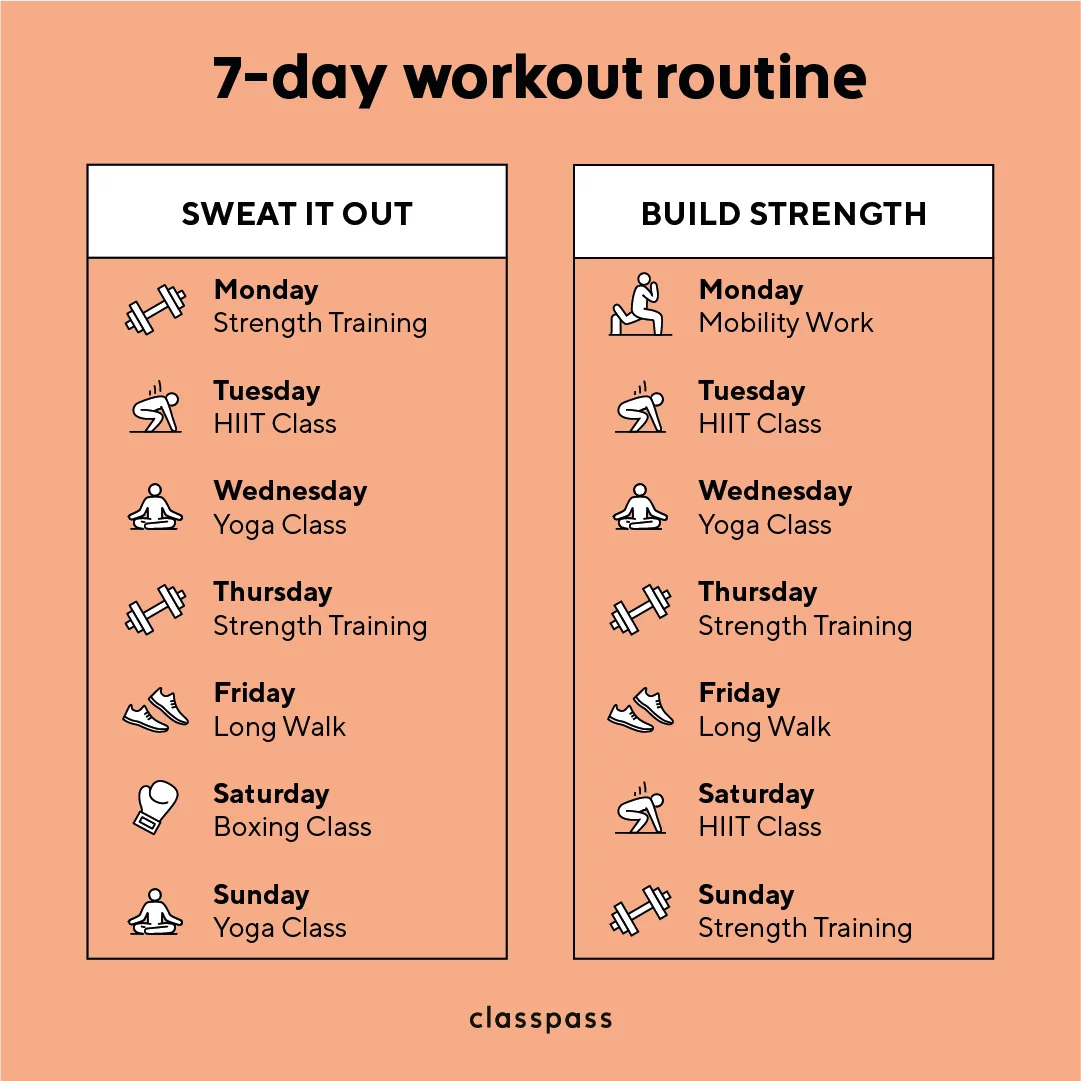
Credit: classpass.com
Day 6: Cardio And Core
Day 6 focuses on boosting stamina with cardio and strengthening your core. This session aids in overall muscle building. By targeting these areas, you’ll improve endurance and enhance your workout results.
Day 6 of the 7 Day Workout Routine focuses on cardio and core. These exercises improve endurance and strengthen your midsection. A strong core supports overall body fitness. Cardio helps burn calories and boosts heart health. This combination ensures a balanced workout routine. Let’s dive into the details.Cardio Options
Cardio is essential for heart health. Choose an option that suits your preference. Running is a great choice for outdoor enthusiasts. It improves stamina and burns calories. Cycling is another excellent option. It strengthens leg muscles and is easy on the joints. Jumping rope is simple yet effective. It enhances coordination and burns calories fast. Swimming offers a full-body workout. It’s gentle on the joints and improves flexibility. Each activity boosts your cardiovascular system.Core Exercises
Core exercises strengthen your midsection. Planks are a staple for core strength. They engage multiple muscle groups. Crunches focus on the abdominal muscles. They are effective for building a six-pack. Leg raises target the lower abs. They also improve hip flexibility. Russian twists work the obliques. They enhance balance and core stability. Bicycle crunches are dynamic and challenging. They engage the entire core. These exercises build a solid foundation for other workouts.Day 7: Flexibility And Mobility
Welcome to Day 7 of your muscle-building journey! Today focuses on flexibility and mobility. Many people overlook these crucial elements. They are essential for muscle health and injury prevention. Flexibility aids in better movement and posture. Mobility improves joint function and overall performance. Let’s dive into stretching and mobility exercises!
Stretching Techniques
Stretching is key to muscle recovery. It helps in releasing tension and increasing blood flow. Begin with static stretches. Hold each stretch for 20-30 seconds. Focus on major muscle groups like legs, back, and shoulders. Dynamic stretching is also beneficial. These are movements that mimic your workout. They warm up muscles and prepare them for activity. Try leg swings and arm circles for dynamic stretching.
Mobility Drills
Mobility drills enhance joint flexibility and strength. They ensure smooth movement in workouts. Start with hip circles to open up your hips. Shoulder rolls are great for upper body mobility. Use ankle circles to boost lower body performance. Practice these drills regularly. They improve your range of motion. Consistent mobility training leads to better workout results. Keep your movements controlled and steady.
Nutrition For Muscle Growth
Building muscle isn’t just about lifting weights; it’s also about what you put on your plate. Nutrition plays a critical role in your muscle growth journey. You may have heard the saying, “You are what you eat,” and it’s never been more true. Whether you’re a seasoned gym-goer or a newbie, understanding how to fuel your body can make or break your gains. Today, let’s dive into how you can optimize your nutrition for muscle growth, focusing on the right macronutrients and meal timing.
Macronutrient Breakdown
Ever wondered why some days you feel invincible at the gym, while others you’re dragging your feet? Your macronutrients could be the answer. Carbohydrates, proteins, and fats are the big three macronutrients you need to focus on.
- Proteins:Think of proteins as the building blocks for your muscles. Aim for lean sources like chicken, fish, and legumes.
- Carbohydrates:Carbs are your body’s energy source. Whole grains and fruits can keep your energy levels up during workouts.
- Fats:Don’t shy away from fats. Healthy fats like avocados and nuts support hormone production, crucial for muscle growth.
Consider using a food tracking app to keep an eye on your macronutrient intake. It can be a game-changer in understanding how different foods affect your performance.
Meal Timing And Frequency
Think about the timing of your meals. It can be as crucial as what you eat. Eating the right foods at the right time can boost your muscle-building efforts.
Ever tried eating a protein-rich snack before hitting the gym? It can give your muscles the fuel they need to perform better. Post-workout, a mix of protein and carbs helps repair and grow your muscles.
How often should you eat? Frequent meals can keep your metabolism active and ensure your body has the nutrients it needs throughout the day. Eating every 3-4 hours can be beneficial. But remember, quality over quantity is key.
Have you ever skipped a meal before a workout and felt like you were running on empty? Consider adjusting your meal frequency to keep your energy levels stable and your muscles primed for growth.
What changes will you make in your nutrition to support your muscle-building goals?
Tracking Progress And Adjustments
Monitor your progress to see how your body responds to the 7-day workout routine. Make necessary adjustments to maximize muscle growth and ensure effective workouts each day. Stay consistent and observe changes to refine your exercise plan effectively.
Tracking your progress is crucial in any muscle-building journey. It not only keeps you motivated but also ensures you’re on the right path. Without proper monitoring, you might miss critical signs that indicate whether your workout routine is effective or needs adjustments. Let’s dive into how you can keep track and make necessary changes to your 7-day workout routine.Monitoring Performance
Start by setting clear, achievable goals. These goals should be specific, like increasing your bench press weight by 10 pounds. Use a notebook or an app to record your workouts. Note down reps, sets, weights, and how you felt during each exercise. Taking photos of your progress can be a powerful motivator. Sometimes, changes in your physique can be subtle but significant. Incorporate rest days into your routine. Your body needs time to recover, which is crucial for muscle growth. Consider measuring your body. Tracking changes in your measurements can help you see progress beyond the scale. Keep an eye on your energy levels. If you’re consistently feeling tired, it may be a sign that you need more rest or nutrition. Ask yourself, are you consistently hitting your goals? If not, it might be time to reassess your strategy.Making Necessary Changes
Don’t be afraid to tweak your workouts. If a particular exercise isn’t yielding results, swap it out for something new. Listen to your body. If you’re experiencing discomfort or pain, it might be time to adjust your form or reduce weight. Experiment with different training techniques. Drop sets or supersets can offer new challenges and stimulate growth. Reevaluate your nutrition. Sometimes the missing piece to muscle growth is what you’re eating, or not eating enough of. Seek advice from others. A personal trainer or seasoned gym-goer can provide valuable insights and suggestions. Consider the timing of your workouts. Working out at different times of the day can impact your energy levels and performance. Remember, progress isn’t always linear. How will you adapt when things aren’t going as planned? Your muscle-building journey is unique. Embrace the process of trial and error to find what truly works for you. Ultimately, tracking and adjusting your workout routine is all about finding what best suits your body and goals. Keep experimenting, stay committed, and watch your muscles grow!
Credit: www.pinterest.com
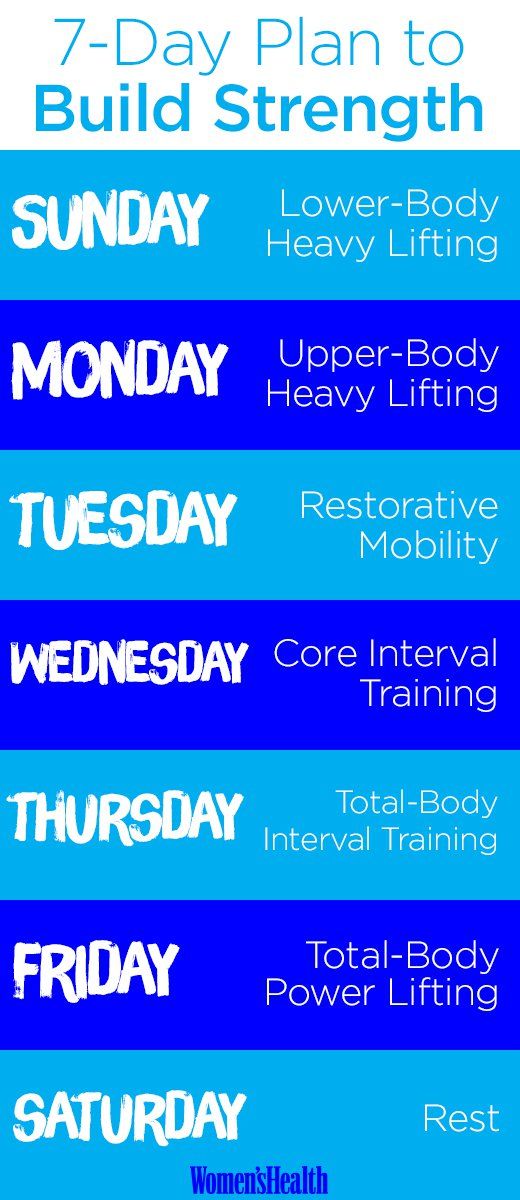
Credit: www.womenshealthmag.com
Frequently Asked Questions
Can You Workout 7 Days A Week To Build Muscle?
Working out 7 days a week can lead to overtraining. Muscles need rest to grow. Plan rest days for recovery. Aim for balanced routines with varied intensity. Focus on proper nutrition and sleep for optimal muscle growth. Consider consulting a fitness professional for personalized advice.
What’s A Good 7 Day Workout Schedule?
A balanced 7-day workout schedule includes: Day 1: Strength training; Day 2: Cardio; Day 3: Rest; Day 4: HIIT; Day 5: Strength training; Day 6: Yoga or Pilates; Day 7: Active recovery with light activities like walking or stretching. Ensure to listen to your body and adjust as needed.
What Is A Good Weekly Workout Routine To Build Muscle?
A good weekly workout routine for muscle building includes strength training exercises like squats, deadlifts, and bench presses. Aim for 3-4 days per week. Focus on compound movements with progressive overload. Include adequate rest and nutrition to support muscle growth.
Keep sessions intense but manageable for sustainable progress.
What Is The 6 12 25 Rule?
The 6 12 25 rule guides visual hierarchy in design. Use 6 words per headline, 12 words for subheadings, and 25 words for text lines. This structure enhances readability and engagement, ensuring effective communication in digital content.
Conclusion
Building muscle takes dedication and a solid plan. This 7-day workout routine offers structure and focus. Stick to the schedule. Consistency is key. Ensure you maintain proper form during exercises. Listen to your body and rest when needed. Nutrition plays a big role too.
Eat balanced meals to support muscle growth. Hydration is crucial for performance and recovery. Track your progress over time. Celebrate small victories along the way. Remember, muscle building is a journey, not a sprint. Stay patient and motivated. Results will come with effort and time.
Keep pushing forward and stay committed.








