Are you tired of hitting the gym day after day without seeing the muscle gains you crave? You’re not alone.
Many fitness enthusiasts struggle with finding the perfect workout routine that delivers real results. The secret often lies not in the hours you spend lifting weights, but in the number of reps you do. But how many reps are truly optimal for building muscle?
This article dives into the science and strategies behind rep counts, helping you unlock the potential of your workouts. Imagine finally seeing the progress you’ve been working hard for — feeling stronger, more confident, and achieving the physique you desire. We’ll explore expert insights and practical tips tailored just for you, so you can maximize your muscle growth efficiently. Ready to discover the best rep range to transform your training and get the results you deserve? Let’s get started!
Credit: www.garagegymreviews.com
Muscle Growth Basics
Building muscle efficiently often requires focusing on the right number of reps per set. The sweet spot is typically 6 to 12 reps. This range helps maximize muscle gain while balancing strength and endurance. Adjusting reps based on goals and fitness levels is essential for optimal results.
Muscle growth basics focus on understanding how muscles increase in size. To build muscle, specific exercises target muscle fibers. Your muscles grow stronger and bigger through consistent workouts.Factors Influencing Muscle Growth
Several factors impact muscle growth. Nutrition plays a vital role. Consuming enough protein supports muscle repair. Carbs and fats provide energy. Also, sleep affects growth. Muscles need rest to recover and grow. Genetics influence how fast you build muscle. Some people gain muscle quickly. Others need more time. Hormones, like testosterone, also affect growth. Regular exercise routines are crucial. Consistency is key.Role Of Repetitions In Building Muscle
Repetitions are important for muscle building. They determine how much you lift. More reps with lighter weights increase endurance. Fewer reps with heavier weights build strength. Balance is essential. For muscle growth, aim for 6 to 12 reps. This range promotes hypertrophy. Hypertrophy leads to muscle size increase. Vary your workouts. Change reps and weights regularly. This keeps muscles challenged. Always focus on form. Proper form prevents injury and ensures effectiveness.Repetition Ranges Explained
Understanding repetition ranges is crucial for muscle building. Each range serves different goals. Choosing the right range can maximize your results.
Low Reps For Strength
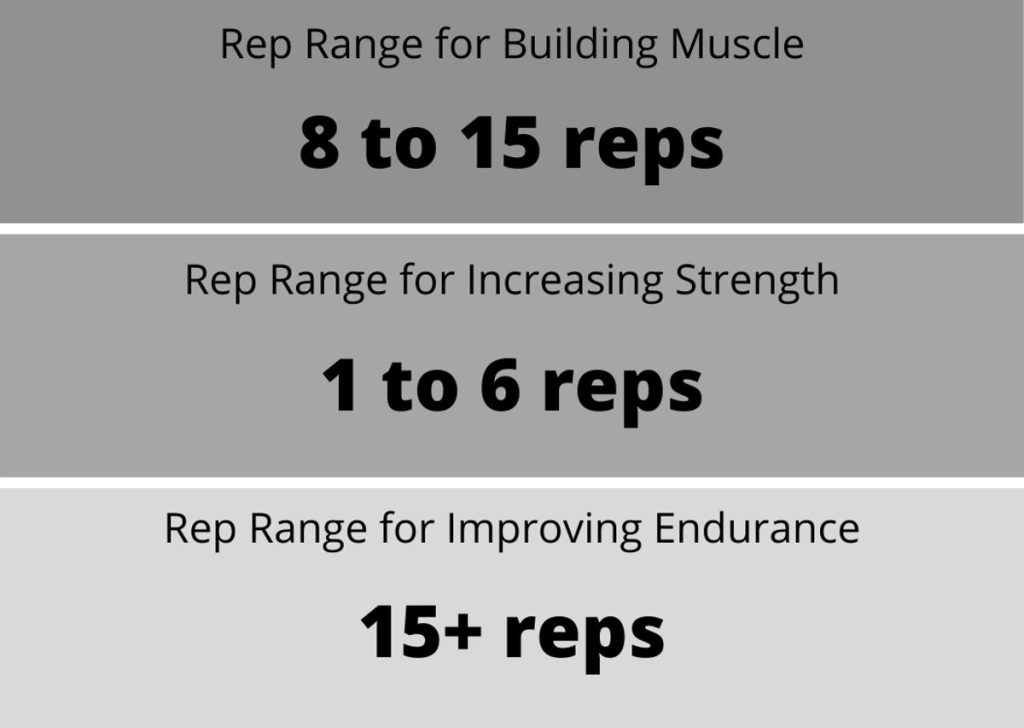
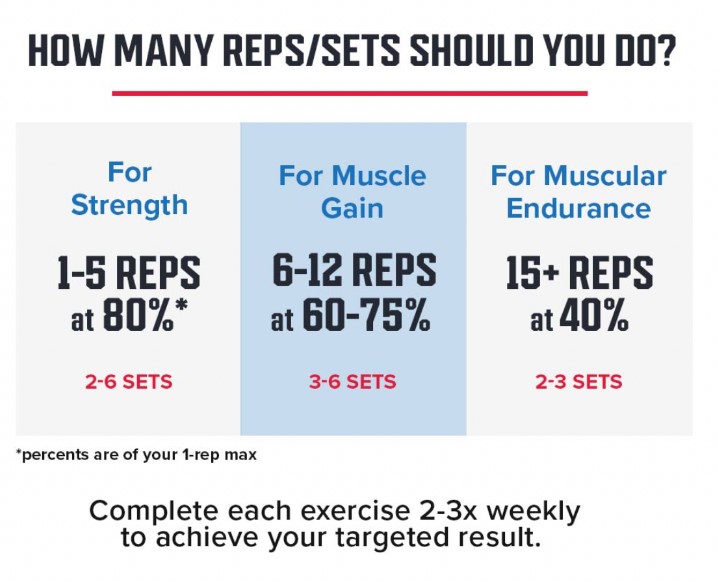
Low reps focus on boosting strength. Typically, 1 to 5 reps are used. This range targets the fast-twitch muscle fibers. These fibers are essential for explosive movements. Heavy weights are often paired with low reps. This combination increases overall power and strength.
Moderate Reps For Hypertrophy
Moderate reps aim at muscle size. Most lifters use 6 to 12 reps for hypertrophy. This range balances weight and volume. It stimulates muscle growth by engaging more muscle fibers. Moderate reps help in achieving a well-defined physique. They are ideal for those seeking muscle mass.
High Reps For Endurance
High reps focus on muscle endurance. The range usually spans 15 or more reps. High reps enhance stamina and resilience. They target slow-twitch muscle fibers. These fibers are crucial for prolonged activities. Light weights are often used in high rep training. This builds endurance without adding bulk.
Optimal Rep Ranges For Muscle Gain
Building muscle is a goal that many strive for, yet the path to achieving it can be confusing. One pivotal aspect is determining the optimal rep range for muscle gain. You might be wondering if you’re doing too many reps or too few. The truth is, finding the sweet spot can significantly impact your muscle growth. Let’s dive into how you can identify the best rep range for your body and goals.
Finding Your Ideal Rep Range
The ideal rep range is not a one-size-fits-all number. It varies depending on your fitness level, goals, and even the specific muscles you’re targeting. Generally, performing 6 to 12 reps per set is effective for muscle growth. But what if you feel stuck with your current routine?
Try experimenting within this range. Begin with 8 reps and gradually adjust. You might discover that 10 reps push you harder, or that 6 reps allow for heavier weights with better form. What’s crucial is how your body responds. Are you seeing improvements in strength and muscle size?
Remember, it’s not just about the numbers. Quality of movement and progression are equally important. Track your progress and adjust as necessary.
Adjusting Reps For Different Muscle Groups
Different muscle groups may require different approaches. Larger muscles like quads and glutes might benefit from higher rep ranges, such as 10 to 15 reps, to ensure thorough activation. Meanwhile, smaller muscles, like biceps and triceps, might respond better to lower reps, allowing you to lift heavier weights.
Consider the exercises you’re doing. Compound movements like squats and deadlifts involve multiple muscle groups, often needing lower reps with higher weights for maximum effect. On the flip side, isolation exercises, like calf raises, can be more effective with higher reps.
How do your muscles feel during and after your workout? Are they fatigued in a good way, or are you experiencing excessive soreness? Adjust your reps accordingly.
Ultimately, the key is to listen to your body. It will tell you what it needs to grow stronger and bigger. Are you ready to tweak your workout plan for better results? It’s time to take control and make those gains happen!
Influence Of Training Variables
Understanding how training variables affect muscle growth is crucial. Different variables can impact the effectiveness of your workouts. Rest periods and training volume play key roles in building muscle.
Impact Of Rest Periods
Rest periods between sets influence muscle growth. Short rest periods increase muscle fatigue. This boosts metabolic stress, aiding muscle growth. Longer rest periods allow recovery. They support strength development, crucial for muscle gains. Balancing rest periods helps optimize workouts. Tailor them to your fitness goals.
The Role Of Training Volume
Training volume is the total amount of work done. It includes reps, sets, and weight lifted. High volume workouts can lead to greater muscle growth. They increase time under tension for muscles. Low volume focuses on strength and power. Adjusting volume helps target specific muscle groups. Consistency in training volume ensures gradual progress.
Balancing Reps With Intensity
Building muscle is a journey. It requires the right mix of reps and intensity. This mix ensures muscles grow effectively and safely. Focusing too much on reps alone might not yield the best results. Balancing reps with intensity can enhance muscle growth. It can also help in avoiding injuries. Let’s dive into understanding how intensity plays a role in muscle building. Then, explore how progressive overload complements this balance.
Understanding Training Intensity
Training intensity refers to how hard you push your muscles. It’s not just about lifting heavy. It’s about challenging your muscles. Intensity can be adjusted by changing weight, speed, or rest time. Higher intensity means fewer reps. Lower intensity allows more reps. Finding the right balance is key for muscle growth.
Intensity impacts muscle fibers in different ways. High intensity targets fast-twitch fibers. These fibers grow stronger with fewer reps. Low intensity focuses on slow-twitch fibers. These fibers endure longer sessions. Knowing this helps in creating balanced routines.
Incorporating Progressive Overload
Progressive overload is crucial in muscle building. It means gradually increasing the workout challenge. Add more weight. Increase reps. Decrease rest time. This keeps muscles adapting. Constant adaptation leads to growth.
Start with a manageable weight. Focus on proper form. Gradually increase the challenge. This method prevents plateaus. It ensures continuous muscle growth. Balancing reps with intensity while incorporating progressive overload yields the best results.

Credit: gymaware.com
Common Mistakes To Avoid
Choosing the right number of reps is crucial for muscle growth. Overtraining with too many reps can lead to fatigue and injury. On the other hand, too few reps might not challenge your muscles enough for effective growth. Aim for a balance to optimize results.
Building muscle is a goal many fitness enthusiasts strive for, yet common mistakes can hinder progress. Understanding these pitfalls is crucial for effective muscle growth. If you’ve ever wondered why your efforts aren’t yielding desired results, it might be due to some of these easily avoidable errors. Let’s dive into the most frequent mistakes and ensure you’re on the right track.Overtraining And Its Effects
Overtraining might sound like a badge of honor, but it can backfire. Pushing your muscles too hard without adequate rest can lead to fatigue, decreased performance, and even injury. I once thought that more was always better and spent extra hours at the gym. Instead of gains, I ended up with a sore shoulder that set me back weeks. Ask yourself, are you listening to your body? If you’re constantly tired or not seeing progress, it might be time to reassess your training plan. Remember, quality trumps quantity in workouts.Ignoring Recovery And Nutrition
Recovery is as important as the workout itself. Muscles grow when they repair, not during the exercise. Skipping rest days or skimping on sleep can stall your muscle growth. You wouldn’t expect a phone to function well without charging it, would you? Nutrition plays a pivotal role, too. Without the right fuel, your muscles can’t rebuild effectively. Are you consuming enough protein, carbs, and fats to support your training? A balanced diet tailored to your goals can make all the difference. By avoiding these common mistakes, you pave the way for more efficient muscle building. Are you ready to maximize your efforts and see real results?Customizing Your Training Plan
Creating an effective training plan is essential for building muscle. Understanding your body’s needs can make workouts more effective. Customizing your routine helps meet specific goals. This section explores how to tailor your training plan.
Tailoring Reps To Fitness Goals
Each fitness goal requires a different number of reps. Strength training often focuses on 4-6 reps per set. This range builds power without overloading the muscles. For muscle growth, aim for 8-12 reps per set. This range is ideal for hypertrophy. Endurance training involves higher reps, typically 15 or more. These reps build stamina and muscle endurance. Choose your rep range based on your primary fitness goal.
Incorporating Periodization
Periodization is a strategy to vary your training plan over time. It involves cycling through different rep ranges and intensities. This prevents plateaus and reduces the risk of injury. For example, start with a strength phase focusing on low reps. Then, move to a hypertrophy phase with moderate reps. Finally, include an endurance phase with higher reps. This approach keeps your muscles challenged and promotes growth. Periodization ensures balanced development and sustained progress.

Credit: www.youtube.com
Expert Tips For Effective Workouts
Building muscle isn’t just about lifting heavy weights; it’s about strategy and understanding your body. Knowing the best amount of reps can significantly impact your progress. Expert tips can guide you toward more effective workouts. Let’s dive into advice from professional trainers and the importance of varying your repetitions.
Advice From Professional Trainers
Professional trainers emphasize the importance of listening to your body. If you’re feeling fatigued, pushing through more reps can lead to injury. They often suggest starting with a moderate number of reps, around 8 to 12, as this range is effective for muscle growth.
Consistency is key. Trainers advise setting a routine that you can stick to over time. It’s better to do fewer reps consistently than to fluctuate wildly with no plan. This approach helps build strength and endurance gradually.
Are you challenging yourself enough? Trainers recommend progressively increasing your reps or weights to avoid plateaus. They often say that if you can comfortably perform the maximum reps, it’s time to add some weight.
Incorporating Variety In Repetitions
Variety keeps workouts exciting and your muscles guessing. Have you ever tried pyramid sets? Start with higher reps and decrease as the weight increases. This method can enhance muscle endurance and strength.
Drop sets are another effective technique. Start with your usual weight and perform your normal reps. Then, immediately drop the weight by 20-30% and do more reps to muscle fatigue.
Mixing up your repetition style can prevent boredom and burnout. Ever tried tempo training? Slow down your movement and focus on the muscle contraction. This can improve muscle control and growth.
Remember, your body adapts quickly. Challenge it by changing your rep range every 4 to 6 weeks. This keeps your muscles engaged and supports ongoing growth.
Frequently Asked Questions
Is 4 Sets Of 12 Reps Too Much?
Four sets of 12 reps can be effective for muscle growth and endurance. Adjust according to fitness level and goals. Listen to your body and ensure proper form to avoid injury. Consult a fitness professional for personalized advice.
Is It Better To Build Muscle With 3 Or 4 Sets?
Building muscle effectively depends on individual goals and experience. Both 3 or 4 sets can be beneficial. Beginners might see gains with 3 sets, while advanced lifters often prefer 4 sets for increased volume. Choose based on your fitness level and workout intensity for optimal results.
How Many Reps Are Ideal For Muscle Growth?
For muscle growth, 6 to 12 reps per set is ideal. This range balances between strength and hypertrophy. It allows muscles to experience sufficient tension and fatigue. Varying rep ranges can optimize muscle development over time.
Is High Reps Better Than Low Reps For Muscle Building?
High reps improve muscular endurance, but low reps boost strength. For muscle building, moderate reps (6-12) are most effective. They provide the necessary stimulus for hypertrophy. Combining different rep ranges can maximize gains.
Conclusion
Finding the right rep range is key to muscle growth. Aim for 6 to 12 reps per set. This range boosts strength and size. Don’t forget to adjust weights as you progress. Listen to your body to avoid injuries. Consistency is crucial for building muscles.
Mix up your routine to keep it exciting. Track your progress to see improvements. Remember, patience is important. Results take time but will come with effort. Stay focused, and enjoy your fitness journey. Keep learning and adjusting for best outcomes.
Your hard work will pay off.








