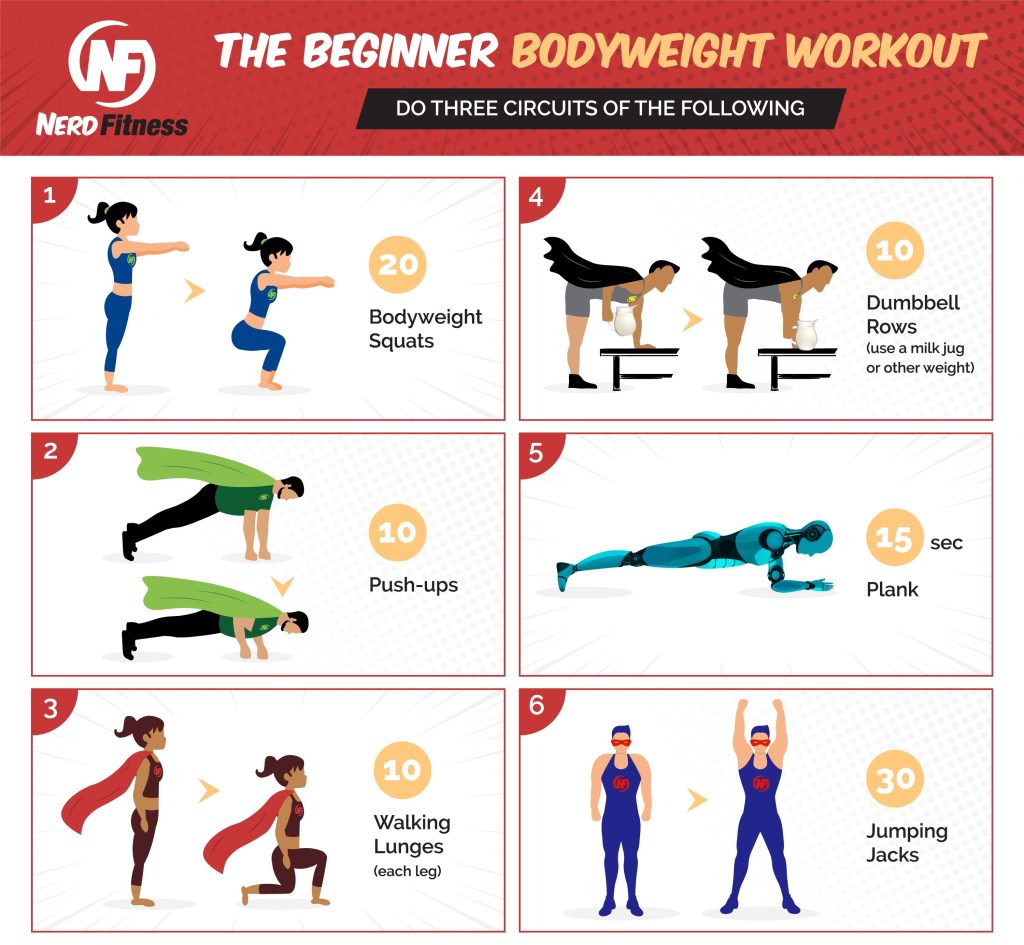
Ever thought about transforming your living room into a personal gym? With a calisthenics workout at home, you can do just that.
Imagine achieving your fitness goals without the need for expensive equipment or a gym membership. You have the power to sculpt your body using just your own weight, right in the comfort of your home. Intrigued? This workout style not only saves you time and money but also offers endless flexibility.
Discover how you can boost your strength, improve your flexibility, and enhance your overall well-being with simple yet effective exercises. Ready to unlock the secrets of calisthenics and redefine your fitness routine? Keep reading, because this could be the game-changer you’ve been looking for.
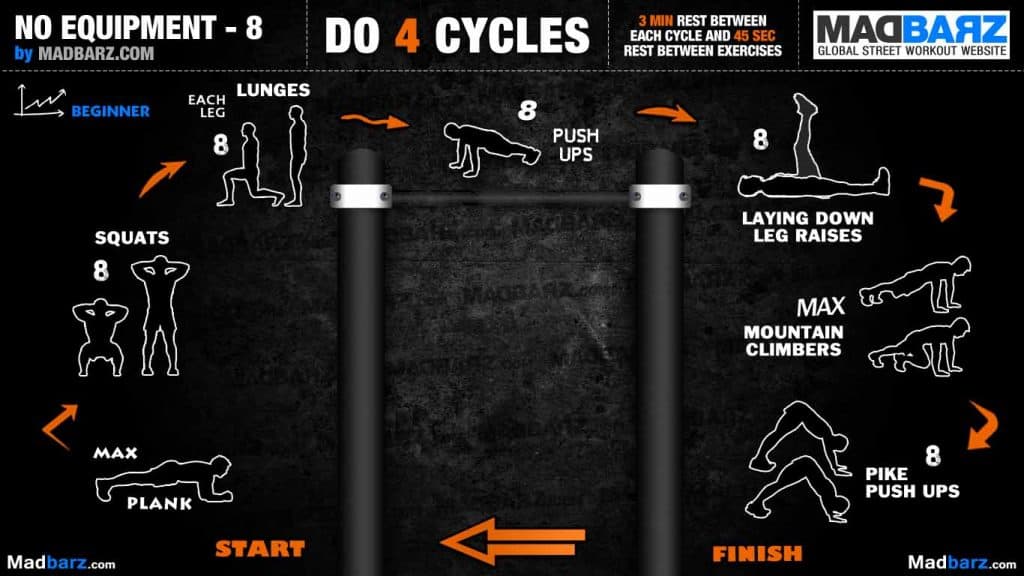
Credit: biostrap.com
Benefits Of Calisthenics
Calisthenics offers a world of benefits, especially for home workouts. With no equipment needed, it brings flexibility to your fitness routine. You can perform these exercises anytime, anywhere. This makes it ideal for busy schedules. Let’s explore the advantages of calisthenics in detail.
1. Improves Strength and FlexibilityCalisthenics focuses on full-body movements. These exercises build muscle strength naturally. They also enhance joint flexibility. This combination supports overall fitness. You gain a balanced physique with consistent practice.
2. Boosts Cardiovascular HealthEngaging in calisthenics gets your heart pumping. It increases your heart rate efficiently. This promotes cardiovascular health. Regular sessions improve endurance. You feel more energetic over time.
3. Enhances Coordination and BalanceCalisthenics requires controlled movements. Performing these exercises improves body awareness. You develop better coordination and balance. This helps in everyday activities. It reduces the risk of falls and injuries.
4. Accessible for All Fitness LevelsCalisthenics suits beginners and experts alike. Exercises can be modified easily. You start with basic movements. As strength builds, increase intensity. This adaptability makes it welcoming for everyone.
5. Cost-Effective Fitness SolutionNo gym membership needed with calisthenics. You save money on equipment. Workout at home with minimal space. It’s a budget-friendly fitness choice. This is perfect for those seeking cost-effective solutions.
6. Promotes Mental Well-beingPhysical activity releases endorphins. Calisthenics helps reduce stress levels. It boosts mood and mental clarity. Regular practice enhances mental health. You feel more focused and relaxed.
Essential Equipment
A successful calisthenics workout at home requires minimal equipment. Essentials include a sturdy pull-up bar, resistance bands, and a yoga mat. These tools support various exercises, enhancing strength and flexibility.
Calisthenics workout at home is not just about using your body weight; it also involves some essential equipment that can elevate your routine and add variety to your exercises. You might think that working out at home limits your options, but with a few key items, you can create a dynamic and effective workout environment. Let’s dive into three pieces of equipment that can transform your home workouts.Pull-up Bar
A pull-up bar is a versatile addition to your home gym. It allows you to perform a range of exercises that target your upper body and core. You can mount it on a doorway or wall, making it a space-efficient choice. Many people start with basic pull-ups, but the possibilities are endless—chin-ups, leg raises, and even hanging for grip strength. Imagine the satisfaction of seeing your first successful pull-up. It’s a milestone that marks progress and boosts motivation. Do you have a doorway that can become your new fitness ally?Resistance Bands
Resistance bands are perfect for adding challenge to your calisthenics routine without bulky equipment. They’re lightweight and portable, making them great for travel workouts. With resistance bands, you can work on strength and flexibility. Exercises like band-assisted push-ups or squats become more intense and effective. They are also excellent for injury recovery or prevention, offering controlled resistance. Ever tried a band-assisted pull-up? It’s a fantastic way to gradually build strength and confidence. Plus, they’re relatively affordable. Why not add them to your workout arsenal?Gymnastic Rings
Gymnastic rings add a unique twist to your calisthenics training. They bring instability into exercises, demanding more from your muscles. Hang them from a pull-up bar or sturdy beam. They’re excellent for exercises like ring dips or rows, which target both the upper body and core. Rings challenge your balance and coordination, offering a full-body workout. Have you ever felt the thrill of mastering ring exercises? It’s a rewarding journey that builds strength and agility. Ready to take your workout to new heights? These pieces of equipment are not only effective but also accessible. Consider investing in them to expand your home workout possibilities. What will be your first addition to your calisthenics toolkit?Basic Exercises
Calisthenics workouts can transform your fitness routine. They require no equipment and can be done at home. Basic exercises are essential for building strength and endurance. They target major muscle groups and improve your overall health. Start with these foundational moves to kickstart your journey.
Push-ups
Push-ups strengthen the chest, shoulders, and triceps. Begin by placing your hands shoulder-width apart on the floor. Keep your body straight, forming a plank position. Lower your chest towards the ground by bending your elbows. Push back up to the starting position. Repeat this movement for several reps. Adjust the difficulty by changing hand positions or elevating your feet.
Pull-ups
Pull-ups work your back and biceps. You need a sturdy bar for this exercise. Grip the bar with palms facing away. Hang with your arms fully extended. Pull yourself up until your chin is above the bar. Lower yourself back down slowly. This builds upper body strength. If you find it hard, try assisted pull-ups using resistance bands.
Squats
Squats target the legs and glutes. Stand with feet shoulder-width apart. Keep your chest up and back straight. Lower your body as if sitting in a chair. Ensure your knees don’t go past your toes. Return to the standing position. Squats improve balance and flexibility. Increase intensity by adding jumps or holding weights.

Credit: in.pinterest.com
Intermediate Moves
Build strength at home with intermediate calisthenics moves. Focus on exercises like push-ups, planks, and squats. Improve balance and endurance with controlled movements.
Are you ready to step up your calisthenics game? Intermediate moves are the perfect way to add complexity and challenge to your routine at home. These exercises not only help build strength but also enhance your balance and flexibility. It’s time to dive into some powerful moves that will elevate your workout experience.Dips
Dips target your triceps, shoulders, and chest, providing an excellent upper-body workout. You can perform them using a sturdy chair or two parallel surfaces. Ensure your elbows stay close to your body as you lower yourself down. Push back up, keeping your movements controlled and smooth. Feel the burn as you repeat, knowing you’re building muscle and endurance.Pistol Squats
Pistol squats are a one-legged squat that demands balance and strength. They work your quads, glutes, and core like no other. Start by holding onto a support for balance, like a door frame or a chair. Lower yourself on one leg, keeping the other leg extended in front of you. It’s challenging, but the sense of achievement once you master it is unparalleled. Can you find your balance and power through this move?Planks
Planks may seem simple, but they pack a punch for your core. The key is holding the position without letting your hips drop. Try different variations like side planks or plank jacks to keep things exciting. Focus on engaging your core muscles and maintaining a straight line from head to heels. How long can you hold the plank today? Challenge yourself to beat yesterday’s time. These intermediate moves can transform your home workout routine. They bring a fresh level of intensity and engage muscles you might have overlooked. Are you ready to take on these challenges and redefine your fitness journey?Advanced Techniques
Explore advanced calisthenics workouts at home. These exercises boost strength using your body weight. Perfect for enhancing flexibility and balance.
Advanced calisthenics techniques take your home workout to the next level. These exercises require strength, balance, and coordination. They push your limits and help you achieve impressive physical feats. Are you ready to challenge yourself and see what your body can accomplish?Muscle-ups
Muscle-ups combine the pull-up and dip into one fluid movement. They demand explosive strength and excellent control. Start by practicing pull-ups and dips separately. Once you’re confident, try to pull yourself above the bar. Keep your core tight and your grip strong. A false grip can help you transition smoothly from pull-up to dip. It might take time to master, but the sense of accomplishment is worth every effort.Handstand Push-ups
Handstand push-ups build incredible shoulder and core strength. Begin with a wall for support. Kick up into a handstand against the wall. Lower your body slowly, aiming to touch your head to the ground. Push back up with control. Focus on maintaining a straight body line. Gradually, as your strength improves, try freestanding handstand push-ups. It’s a challenging but rewarding progression.Front Lever
The front lever is a display of core and back strength. Hang from a bar and lift your body parallel to the ground. Your arms remain straight as you engage your core to hold the position. Start with tuck front levers, where you bring your knees towards your chest. Progress to extending one leg, then both. Patience and consistency are key here. How long can you hold it? These advanced techniques not only enhance your physical abilities but also boost your confidence. They show you what dedication and practice can achieve. Are you ready to add these powerful exercises to your routine?Creating A Routine
Start your calisthenics routine at home for an effective workout. Focus on exercises like push-ups, squats, and planks. Consistency builds strength and flexibility. Adapt the routine to fit your schedule and fitness level. Enjoy the freedom of exercising without equipment.
Creating a routine for your calisthenics workout at home can transform your fitness journey from sporadic efforts to consistent progress. Having a structured plan helps you stay motivated and track your improvements over time. You’ll find that with a well-crafted routine, fitting a workout into your day becomes easier, and you’ll start seeing the results you’ve been aiming for. Let’s dive into the essentials of crafting a calisthenics routine that works for you.Warm-up Tips
Warming up properly is crucial to prepare your muscles and joints for the workout ahead. Start with light cardio like jogging in place or jumping jacks for about five minutes. This gets your blood flowing and your heart rate up. Next, focus on dynamic stretches such as arm circles and leg swings. These movements help increase your range of motion and reduce the risk of injury. Spend a few minutes on each body part you’ll be targeting in your workout.Progression Strategies
Progression is key to building strength and seeing results in calisthenics. Begin with basic exercises like push-ups, squats, and pull-ups, adjusting the difficulty by changing your body’s position. For instance, knee push-ups can gradually transition to full push-ups as you get stronger. Keep track of your reps and sets. Aim to increase them gradually each week. This small change ensures you’re constantly challenging your muscles and improving your skills.Recovery And Rest
Recovery is as important as the workout itself. Giving your body time to rest helps repair muscles and prevent burnout. Schedule rest days into your routine, especially after intense workout sessions. Incorporate light stretching or yoga on rest days to maintain flexibility and aid muscle recovery. Listen to your body. If you feel overly fatigued, it’s okay to take an extra day off. Your body will thank you for it. Creating a calisthenics routine at home doesn’t require fancy equipment or a gym membership. It’s about consistency, listening to your body, and gradually pushing your limits. What small change can you make today to enhance your routine?Nutrition For Calisthenics
Nutrition plays a crucial role in enhancing your calisthenics workout at home. Proper nutrition fuels your body, aiding in muscle growth and recovery. It also supports your overall health, ensuring you perform at your best. Let’s explore how to optimize your diet for calisthenics.
Macronutrient Balance
Balancing macronutrients is key for effective calisthenics. Protein helps repair and build muscles. Incorporate lean meats, beans, and eggs into your diet. Carbohydrates provide the energy needed for intense workouts. Opt for whole grains, fruits, and vegetables. Healthy fats, like avocados and nuts, support joint health and energy levels. Aim for a balanced intake to meet your fitness goals.
Hydration Importance
Staying hydrated is vital for any workout, including calisthenics. Water regulates body temperature and lubricates joints. It also transports nutrients to give you energy. Drink water before, during, and after your workout. Aim for at least eight glasses daily. Listen to your body; drink when thirsty.
Pre And Post Workout Meals
Pre-workout meals should energize without being heavy. Eat a small meal rich in carbs and proteins. Consider oatmeal with fruits or a banana with peanut butter. Post-workout meals focus on recovery. Combine protein and carbs for optimal muscle repair. A smoothie with protein powder or chicken with sweet potatoes works well. These meals replenish your energy and aid in muscle growth.
Tracking Progress
Tracking progress in your calisthenics workout at home is essential for staying motivated and achieving your fitness goals. Without a clear way to measure your improvements, it’s easy to lose momentum and plateau. By keeping a record of your workouts, analyzing your form, and setting achievable targets, you can ensure your fitness journey is both effective and rewarding.
Journaling
Journaling your workout is a powerful tool. It helps you see how far you’ve come and where you need to focus your efforts. Write down the exercises you do, the number of reps, and how you felt during each session.
Did you feel stronger today? Was a particular exercise easier than before? These notes will not only track your physical progress but also your mental growth. The act of writing can reinforce your commitment to your fitness goals.
What insights will you uncover by reflecting on your workout journey?
Video Analysis
Recording your workouts can be eye-opening. Video analysis allows you to see your form and technique. You might notice small details that need improvement, like posture or alignment, which can greatly impact your performance.
Compare videos over time to observe your progress. Are your push-ups more fluid? Is your squat depth improving? These visual cues provide tangible evidence of your development.
How will your technique evolve when you truly see yourself in action?
Setting Goals
Goals give your workouts direction. Set specific, measurable targets to strive for. Whether it’s increasing the number of pull-ups you can do or perfecting a pistol squat, having clear objectives keeps you focused.
Break down larger goals into smaller milestones. Celebrate each achievement, no matter how small, as they build up to your ultimate aim. Remember, each step forward is progress.
What ambitious goal will keep you motivated and push you beyond your limits?
Overcoming Challenges
Facing obstacles is part of the journey in a home calisthenics workout. Consistency helps build strength and flexibility. Simple exercises like push-ups and squats can be done with little space or equipment. Stay motivated and enjoy progress over time.
Calisthenics workouts at home can be incredibly rewarding, but they come with their own set of challenges. Whether you’re just starting out or you’re a seasoned athlete, overcoming these hurdles can be the key to long-term success. From staying motivated to avoiding plateaus and preventing injuries, let’s delve into the common obstacles and discover effective strategies to tackle them head-on.Staying Motivated
Staying motivated can be tough, especially when working out alone at home. Set clear goals that excite you. Maybe it’s mastering a handstand or increasing your reps in push-ups. Celebrate small victories. Did you complete an extra set today? Give yourself a pat on the back. Mix up your routine to keep things fresh. Trying new exercises or variations can reignite your enthusiasm.Avoiding Plateaus
Plateaus are frustrating. They often creep in when you least expect them. To avoid them, keep challenging your body. Increase the intensity or duration of your workouts gradually. This keeps your muscles guessing. Incorporate different calisthenics exercises into your routine. Push-ups and squats are great, but don’t forget about planks and lunges. Track your progress. Seeing your improvement can motivate you to push further.Injury Prevention
Preventing injuries should be a top priority. Warm up properly before starting your workout. This prepares your muscles and joints for action. Focus on form over speed. Rushing through exercises can lead to mistakes and strains. Listen to your body. If something feels off, take a break and reassess. Remember, it’s better to skip one workout than to face weeks of recovery. Are you facing a challenge in your calisthenics journey? How do you plan to overcome it? Addressing these hurdles can make your workout more enjoyable and effective.
Credit: www.youtube.com
Frequently Asked Questions
Is It Possible To Train Calisthenics At Home?
Yes, you can train calisthenics at home. It requires minimal equipment and offers flexibility. Focus on exercises like push-ups, pull-ups, and squats. Create a consistent routine to build strength and improve fitness. Online tutorials and apps can provide guidance. Enjoy the convenience and benefits of home workouts.
Can You Build Muscle By Only Doing Calisthenics?
Yes, you can build muscle with calisthenics. It involves exercises like push-ups, pull-ups, and squats. Consistent training, progressive overload, and proper nutrition are crucial. Calisthenics enhances strength and muscle growth using body weight. Tailor workouts to increase difficulty over time for effective muscle building.
Is 20 Minutes Of Calisthenics A Day Enough?
Yes, 20 minutes of calisthenics daily can improve fitness, flexibility, and strength. It suits busy schedules. For best results, maintain consistency and gradually increase intensity. Combine it with a balanced diet and adequate rest for overall health benefits.
What Is The 80/20 Rule In Calisthenics?
The 80/20 rule in calisthenics emphasizes focusing on the 20% of exercises that deliver 80% of results. Prioritize core movements like push-ups, pull-ups, and squats for maximum efficiency and progress in your training. This approach helps optimize workouts by concentrating on the most effective exercises.
Conclusion
Calisthenics workouts at home are simple and effective. They require no special equipment. You can use your body weight. Perfect for building strength and flexibility. You save money on gym memberships. You also save time traveling. Exercise whenever it suits you.
These workouts fit into any schedule. Ideal for beginners and experts alike. Start with basic moves. Progress as you gain strength. Consistency is key for success. Over time, you’ll see results. Enjoy the journey to a healthier you. Stay motivated and have fun.
Remember, your body is your best tool.








