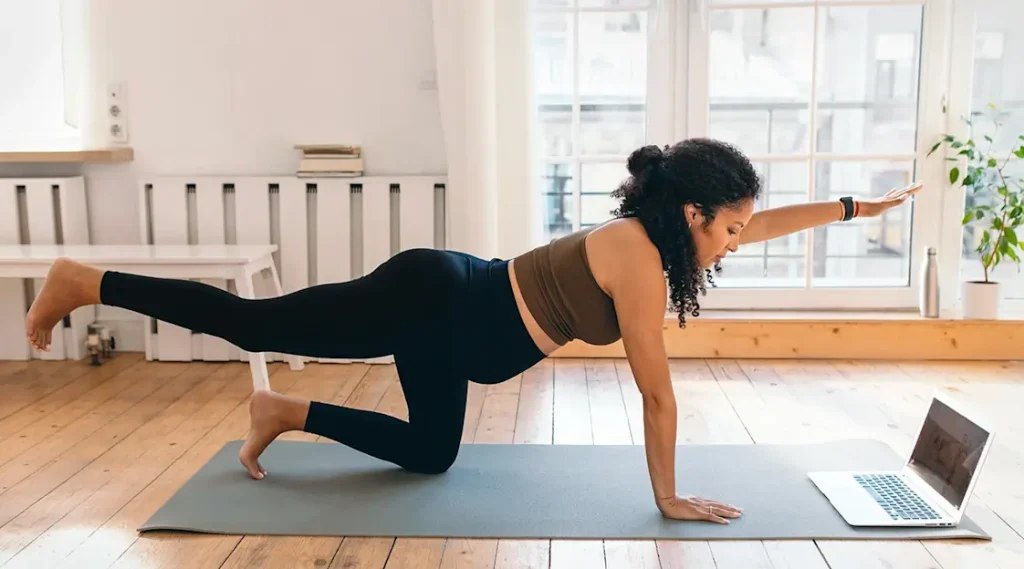
Are you an expecting mother looking to stay fit and energized throughout your pregnancy? If so, you’re in the right place.
Navigating the world of prenatal workouts can feel overwhelming, but finding the right exercises to do at home can make all the difference. Imagine maintaining your strength, boosting your mood, and preparing your body for labor—all from the comfort of your living room.
The best part? You don’t need fancy equipment or a gym membership to get started. In this blog post, you’ll discover the secrets of effective at-home prenatal workouts that are safe, simple, and tailored just for you. Ready to feel empowered and confident in your pregnancy journey? Let’s dive in!
Benefits Of Prenatal Exercise
Staying active with at-home prenatal workouts boosts energy and improves mood. Gentle exercises enhance flexibility and prepare the body for labor. Reducing stress and promoting better sleep, these workouts help maintain a healthy weight. Safe and convenient, they support overall well-being during pregnancy.
Engaging in prenatal exercise offers a multitude of benefits for expecting mothers. It not only enhances physical well-being but also significantly boosts mental health. Let’s explore the specific advantages of incorporating a regular workout routine during pregnancy.Physical Benefits Of Prenatal Exercise
Staying active during pregnancy can help you manage weight gain more effectively. Regular exercise boosts your energy levels, helping you feel less fatigued throughout the day. It also improves your posture, reducing the likelihood of backaches and discomfort.Mental Health Advantages
Exercising releases endorphins, which can uplift your mood significantly. This is particularly beneficial in combating prenatal depression and anxiety. Engaging in physical activity can help you sleep better, ensuring you wake up feeling refreshed.Preparing For Labor
Strong muscles and a fit cardiovascular system can make the labor process smoother. Exercise helps build the stamina needed for delivery. It also increases your body’s endurance, potentially leading to a quicker recovery post-birth.Bonding With Your Baby
Did you know that your baby can sense your movements? Gentle exercises like walking or prenatal yoga can foster a unique bond between you and your unborn child. Feeling your baby respond to your activities adds a beautiful dimension to your pregnancy journey.Social Connections
Joining a prenatal exercise class can introduce you to other expectant mothers. Sharing experiences and tips can be incredibly supportive. Plus, it offers a chance to make lasting friendships with women who are on a similar journey. When considering prenatal exercise, think about how these benefits align with your pregnancy goals. How will staying active positively impact your daily life? Remember, always consult your healthcare provider before starting any new exercise routine. Your health and your baby’s well-being are top priorities.
Credit: www.pinterest.com
Safety Tips For Expectant Mothers
Expectant mothers can enhance well-being with safe prenatal workouts at home. Choose gentle exercises like walking or stretching. Stay hydrated and listen to your body’s signals.
Embarking on a prenatal workout journey is a wonderful way to stay healthy and prepare your body for childbirth. However, ensuring your safety and your baby’s well-being is paramount. As your body undergoes changes, understanding the right precautions can make a significant difference. Here are some essential safety tips for expectant mothers to keep your workouts both effective and safe.Check With Your Doctor First
Before starting any exercise routine, consult your healthcare provider. They can provide personalized advice based on your health history and pregnancy condition. Your doctor’s approval is crucial, especially if you have any medical concerns or complications.Listen To Your Body
Your body is your best guide during pregnancy. If something feels off or uncomfortable, pause and reassess. It’s normal to experience changes in stamina and flexibility. Trust yourself and prioritize how you feel over sticking to a rigid exercise schedule.Stay Hydrated
Hydration is vital for your health and your baby’s development. Keep a water bottle handy and sip regularly during workouts. Even mild dehydration can lead to dizziness or fatigue, so make water your workout companion.Avoid High-impact Exercises
High-impact activities may pose a risk during pregnancy. Opt for low-impact exercises like walking, swimming, or prenatal yoga. These activities are gentle on your joints and help maintain your fitness without undue strain.Wear Comfortable Clothing
Choose breathable, stretchy fabrics that adapt to your changing body. Comfortable clothing can prevent overheating and skin irritation. Plus, feeling good in your workout gear can boost your motivation to exercise.Monitor Your Heart Rate
Keeping your heart rate in check is crucial. Use a heart rate monitor or a fitness tracker to ensure you’re not overexerting yourself. A moderate intensity level is ideal, allowing you to talk but not sing during exercises.Mind Your Balance
As your pregnancy progresses, your center of gravity shifts, affecting balance. Be cautious with exercises that require balance and coordination. Consider using a chair or wall for support to prevent falls.Focus On Breathing
Proper breathing supports your exercise routine and helps manage stress. Practice deep breathing techniques to enhance oxygen flow to both you and your baby. Controlled breathing can also aid in relaxation and focus during workouts. Remember, a prenatal workout isn’t just about maintaining physical health—it’s about nurturing your overall well-being. Are you ready to embrace a safe and rewarding exercise routine during your pregnancy? Your journey is unique, and understanding your body will empower you every step of the way.Essential Workout Gear
Staying fit during pregnancy is vital for both mother and child. Having the right workout gear at home makes exercises easier and safer. Essential workout gear includes items that support comfort, safety, and effectiveness. These tools ensure a productive and enjoyable workout experience. Let’s explore what gear is necessary for an at-home prenatal workout.
Comfortable Exercise Mat
An exercise mat provides cushioning for joints during workouts. It prevents slipping and adds comfort to exercises. Choose a mat with extra thickness. It offers more support for knees and back.
Supportive Footwear
Proper footwear is crucial for balance and stability. Invest in shoes with good arch support. They reduce stress on feet and legs. Look for options with breathable material.
Resistance Bands
Resistance bands are versatile and easy to use. They help strengthen muscles without heavy weights. Choose bands with different levels of resistance. This allows for varying intensity in workouts.
Light Dumbbells
Light dumbbells are great for low-impact strength training. They build muscle without straining the body. Pick weights that are comfortable to lift. Start with lighter options and gradually increase.
Exercise Ball
An exercise ball aids in balance and core strengthening. It offers support for various exercises. Ensure the ball is the right size for your height. Test its firmness before use.
Water Bottle
Hydration is key during workouts. A water bottle keeps you refreshed and energized. Choose a bottle with easy access. Prefer one that is leak-proof and durable.
Comfortable Clothing
Wear clothes that allow free movement and comfort. Opt for breathable and stretchy fabrics. Avoid clothes that are too tight. Comfort helps you focus on exercises.

Credit: www.pinterest.com
Warm-up Routines
Warm-up routines are essential for a safe prenatal workout. Preparing the body before exercise helps reduce injury risks. It gradually increases heart rate and prepares muscles for activity. A proper warm-up is crucial for expectant mothers.
Gentle Stretching
Start with gentle stretching to loosen tight muscles. Focus on areas like shoulders, back, and legs. Stretching improves flexibility and blood flow. Do each stretch for 10 to 15 seconds.
Neck Rotations
Neck rotations help release tension in the neck area. Slowly rotate the neck in circular motions. Perform 5 rotations clockwise and 5 counter-clockwise. This movement reduces stiffness and promotes relaxation.
Arm Circles
Arm circles are simple yet effective. Extend arms out to the sides. Move them in small circles, both forward and backward. This warms up the shoulders and improves range of motion.
Leg Swings
Leg swings are great for activating hip muscles. Stand beside a wall for support. Swing one leg forward and back gently. Repeat 10 times for each leg. This prepares the legs for more intense activity.
Walking In Place
Walking in place increases heart rate gradually. Stand tall and march in place, lifting knees slightly. Do this for about 2 minutes. It enhances circulation and warms up the entire body.
Cardio Workouts
Cardio workouts offer great benefits for expectant mothers. They improve stamina and boost mood. Engaging in prenatal cardio helps maintain a healthy weight. It also strengthens the heart. This creates a foundation for a smoother pregnancy journey.
Low-impact Options
Low-impact cardio options are ideal for pregnant women. Walking is one of the easiest ways to start. It is gentle on the joints and easy to do daily. Swimming is another excellent choice. It supports the body and reduces stress on the back. Cycling on a stationary bike offers a safe cardio workout. It allows control over intensity and pace.
Safe Heart Rate Zones
Monitoring your heart rate is important during pregnancy. Staying in a safe heart rate zone ensures you don’t overwork your body. A safe target is about 140 beats per minute. This keeps your workout effective yet secure. Use a heart rate monitor for accuracy. Listen to your body’s signals, and rest if you feel tired.
Strength Training Exercises
Strength training during pregnancy helps maintain muscle tone and boosts energy. It’s essential for expecting mothers. With the right exercises, you can strengthen your body safely. At home, you can focus on key areas. These exercises will prepare you for childbirth and ease daily activities.
Upper Body Strength
Strengthening your upper body is crucial. It aids in lifting and carrying the baby. Begin with lightweight dumbbells or resistance bands. Perform seated shoulder presses. Keep your back straight. Do 12 repetitions. Rest, then repeat.
Try bicep curls. Stand or sit, and hold weights in each hand. Slowly curl the weights towards your shoulders. Lower them back down. This builds arm strength. Perform three sets of 10 repetitions.
Lower Body Focus
Lower body exercises are vital. They support your growing belly. Start with wall squats. Stand with your back against a wall. Slide down into a squat position. Hold for 10 seconds. Return to standing. Do three sets.
Incorporate calf raises. Stand with feet shoulder-width apart. Rise onto your toes. Hold for a second. Lower your heels back down. This enhances calf strength. Aim for 15 repetitions per set.
Include side leg raises. Lie on your side. Lift your top leg. Keep it straight. Lower it slowly. This tones the thighs. Complete three sets of 12 repetitions on each side.
Core Stability Exercises
Expecting a baby is exciting yet challenging. Maintaining core stability during pregnancy is crucial. It helps support your growing belly and improves posture. Core stability exercises are safe and effective for prenatal workouts. These exercises focus on strengthening the abdominal muscles and pelvic floor. They provide support, balance, and prevent back pain. Here, we’ll explore some core stability exercises you can try at home.
Safe Abdominal Workouts
Abdominal workouts during pregnancy need special care. Focus on exercises that are gentle and supportive. Pelvic tilts are a great start. Lie on your back, bend your knees. Slowly tilt your pelvis up, hold, then release. Another safe exercise is the seated knee lift. Sit on a chair, lift one knee towards your chest. Alternate legs for balance. These movements engage the core without strain.
Pelvic Floor Strengthening
Strengthening the pelvic floor is essential during pregnancy. It supports the uterus, bladder, and bowel. Kegel exercises are a simple yet effective method. Contract the muscles you use to stop urination. Hold for a few seconds, then release. Repeat several times a day. Another exercise is the bridge pose. Lie on your back, knees bent, feet flat. Lift your hips to form a bridge. Hold and slowly lower back down. These exercises help maintain pelvic strength.
Flexibility And Stretching
Pregnancy workouts at home focus on flexibility and stretching. These exercises help ease tension and improve comfort. Simple routines can enhance mobility and support overall well-being.
Flexibility and stretching are crucial for a healthy pregnancy. They help alleviate discomfort and prepare your body for the demands of childbirth. Regular stretching can improve your posture and reduce tension. It can also enhance your overall well-being during this transformative journey.Yoga For Pregnancy
Yoga is an excellent way to maintain flexibility while pregnant. It provides gentle stretches that adapt to your changing body. Consider poses like the cat-cow stretch and the butterfly pose. These are effective for opening the hips and easing lower back pain. Yoga not only helps your body but also calms your mind. Take a moment to connect with your baby as you move through each pose. You might find new strength and peace within yourself.Breathing Techniques
Breathing techniques are a valuable tool during pregnancy. They enhance your yoga practice and support relaxation. Deep breathing can reduce stress and increase oxygen flow to your baby. Try inhaling deeply through your nose, holding for a moment, and exhaling slowly. This technique can soothe anxiety and prepare you for labor. Practice it daily, even when you’re not exercising. Have you ever noticed how controlled breathing can change your mood? By focusing on each breath, you might discover a new level of calmness and clarity. This awareness can be empowering during pregnancy. Flexibility and stretching are not just physical; they offer mental benefits too. Embrace this journey and enjoy each stretch. How can you incorporate these practices into your daily routine?Post-workout Cool Down
Completing a prenatal workout at home is a great achievement. After exercising, your body needs a proper cool down. A cool down helps your muscles relax and your heart rate return to normal. This process is essential for both you and your baby’s health.
Gentle Stretching
Start with gentle stretching exercises. Focus on your arms, legs, and back. Stretching helps ease muscle tension. It also increases flexibility and reduces soreness.
Deep Breathing
Practice deep breathing to calm your mind. Breathe in slowly through your nose. Hold for a few seconds, then exhale gently. This reduces stress and enhances relaxation.
Hydration
Drink plenty of water after your workout. Staying hydrated is vital for recovery. Water helps regulate body temperature and supports overall health.
Mindfulness Moment
Take a moment for mindfulness. Sit quietly and focus on positive thoughts. This can boost your mood and mental well-being.
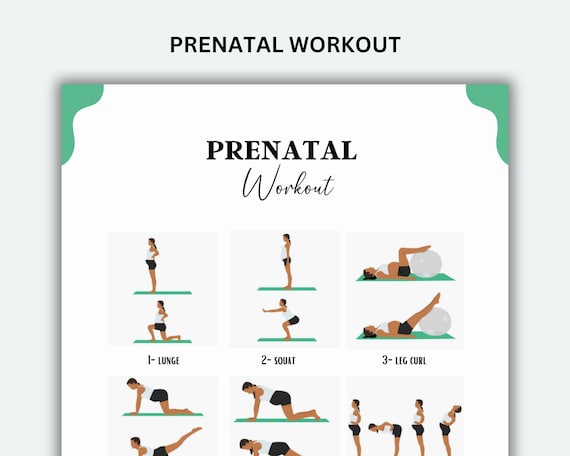
Credit: www.etsy.com
Listening To Your Body
Listening to your body is crucial during prenatal workouts. Pregnancy brings many changes, and every woman’s experience is unique. Staying in tune with your body’s signals helps ensure a safe exercise routine. This approach protects both you and your baby.
Understanding Your Limits
Your body knows its limits. Respect them. Feeling tired or dizzy? It’s a sign to pause. Pushing too hard can lead to injury. Exercise should energize, not exhaust you.
Recognizing Pain Signals
Pain is a warning sign. Listen to it. Sharp pains or discomfort mean something is wrong. Stop immediately. Always consult your healthcare provider if pain persists.
Adapting Your Routine
Your pregnancy journey is unique. Adapt your workout as needed. Some days, you might feel strong. Other days, gentle stretches may be best. Flexibility in your routine is essential.
Importance Of Hydration
Staying hydrated is vital. Drink water before, during, and after exercising. Dehydration can lead to fatigue or cramps. Listen to thirst signals and keep a water bottle nearby.
Breathing Techniques
Proper breathing supports your workout. Focus on deep, steady breaths. It aids oxygen flow and reduces stress. If breathlessness occurs, slow down or stop.
Prioritizing Rest Days
Rest days are important. Your body needs recovery time. Listen to your fatigue levels. Allow your muscles to repair and recharge. Rest is as vital as exercise.
Consulting Healthcare Professionals
Embarking on a prenatal workout journey requires caution. It’s crucial to consult healthcare professionals before starting any exercise routine. Doctors and specialists offer insights tailored to individual needs. Their advice ensures safety for both mother and baby. Consulting experts helps identify suitable exercises and avoid risks.
Understanding Your Medical History
Healthcare professionals review your medical history. They identify any underlying conditions. This step is essential for a safe workout plan. It ensures exercises do not cause harm. Professionals understand how pregnancy affects your body. Their guidance helps in selecting appropriate exercises.
Evaluating Current Fitness Levels
Discuss your current fitness level with your healthcare provider. This evaluation shapes your workout plan. It determines intensity and duration. Pregnant individuals have varying fitness levels. Tailored workouts address personal needs. Professionals recommend exercises based on your capabilities.
Addressing Pregnancy-specific Concerns
Pregnancy brings unique challenges. Healthcare professionals address these concerns. They provide advice on exercises that support pregnancy health. Professionals ensure workouts accommodate changes in the body. Their guidance mitigates common pregnancy discomforts. Safe exercises improve well-being.
Monitoring Progress And Adjustments
Regular check-ins with healthcare providers are vital. They monitor progress and suggest adjustments. Your body changes throughout pregnancy. Professionals adapt your workout plan accordingly. This ensures continued safety and effectiveness. Regular consultations enhance the prenatal workout experience.
Frequently Asked Questions
What Home Workouts Can I Do While Pregnant?
Pregnant women can safely do walking, swimming, prenatal yoga, and strength training with light weights. Always consult a doctor.
When Should You Start Doing Prenatal Workouts?
Begin prenatal workouts after consulting your healthcare provider. Most women can start in the first trimester. Tailor exercises to your comfort and fitness level. Regular workouts can benefit both mother and baby. Always listen to your body and adjust as needed.
Is Walking 30 Minutes A Day Enough Exercise While Pregnant?
Walking 30 minutes daily is generally a safe exercise during pregnancy. It boosts circulation, mood, and energy. Always consult your healthcare provider before starting any exercise routine. Listen to your body and adjust intensity as needed. Enjoy a healthy and active pregnancy with regular, moderate exercise.
Can I Do Squats While Pregnant In The First Trimester?
Yes, you can do squats during the first trimester. Consult your doctor before starting any exercise routine. Squats help strengthen lower body muscles, improve balance, and prepare for childbirth. Focus on proper form and listen to your body. Always prioritize safety and adjust intensity as needed.
Conclusion
Staying active during pregnancy is important. At-home prenatal workouts offer flexibility and comfort. You can exercise without leaving your house. Safe and gentle routines can boost your energy. They also help manage weight gain. These exercises support your body’s changing needs.
Remember to listen to your body and rest when needed. Consistent workouts can make pregnancy easier. Feel more prepared for your baby’s arrival. Always consult your doctor before starting any exercise. Enjoy your workout journey during this special time. Your health and well-being matter most.








