Have you ever wondered if resistance bands could be your secret weapon for muscle building? Picture this: a compact, lightweight tool that fits in your bag and promises to help sculpt and strengthen your muscles.
Sounds intriguing, right? You might think of resistance bands as just a tool for rehab or warm-ups, but they hold much more potential. If you’re eager to discover whether these versatile bands can truly enhance your muscle-building regimen, keep reading.
This article will unravel the truth behind resistance bands and how they might just be the game-changer you’ve been seeking for your fitness journey.
Credit: bonytobeastly.com
Benefits Of Resistance Bands
Resistance bands offer versatile muscle-building options. They provide resistance training, improving strength and flexibility. Compact and portable, these bands allow effective workouts anywhere, promoting muscle growth without heavy equipment.
Are resistance bands good for muscle building? Absolutely! They offer unique advantages that make them an excellent addition to your fitness routine. Whether you’re a beginner or a seasoned gym-goer, understanding the benefits of resistance bands can transform how you approach muscle building. Let’s delve into why these bands are worth your consideration.Portability And Convenience
Resistance bands are your perfect travel companion. They easily fit into a backpack or suitcase without adding bulk. Imagine maintaining your workout routine on vacation or during a business trip without the need for a gym. Having them at home means no more excuses. You can squeeze in a workout during lunch breaks or while watching your favorite TV show. It’s all about making fitness accessible and removing barriers.Versatility In Exercises
The range of exercises you can perform with resistance bands is impressive. From targeting large muscle groups like your chest and back to isolating smaller muscles like biceps and triceps, the possibilities are endless. You might find bands particularly useful for exercises that are difficult to perform with free weights. Think about how you can effortlessly switch from squats to shoulder presses without needing multiple pieces of equipment. Resistance bands also provide variable resistance, which means the tension increases as you stretch them. This constant tension is excellent for muscle growth, offering a challenge at every stage of the movement.Cost-effectiveness
A complete set of resistance bands is often more affordable than a single dumbbell. This makes them an attractive option for those on a budget but still serious about muscle building. Consider the savings on gym memberships or expensive equipment. With resistance bands, you’re investing in a versatile tool that provides a full-body workout at a fraction of the cost. Moreover, they have a long lifespan if properly maintained. This means you won’t be replacing them frequently, adding to their cost-effectiveness. What more could you ask for in fitness equipment?How Resistance Bands Work
Resistance bands have become a popular tool for muscle building, and understanding how they work can help you maximize your gains. Unlike traditional weights, resistance bands offer unique benefits due to their elasticity and ability to provide continuous tension. Let’s dive into the mechanics of resistance bands and uncover how they can be your secret weapon in building muscle.
Tension And Muscle Engagement
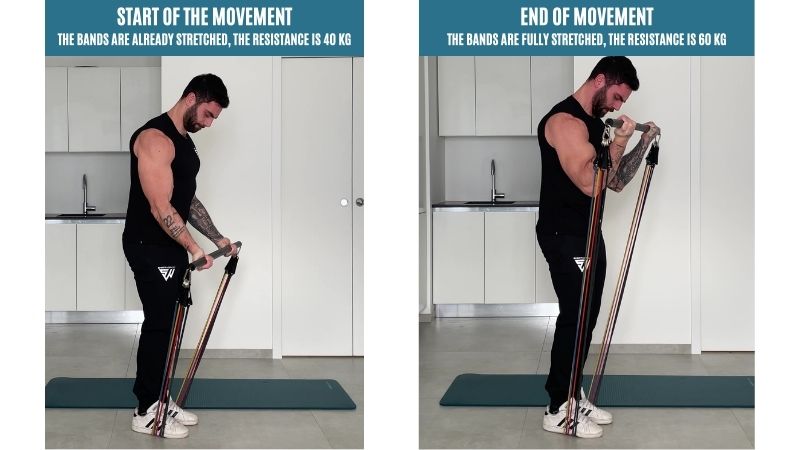
Resistance bands create tension that challenges your muscles throughout the entire range of motion. Unlike free weights, where gravity is the main source of resistance, bands provide consistent tension from the start to the end of each movement. This means your muscles are constantly engaged, which can lead to better muscle activation.
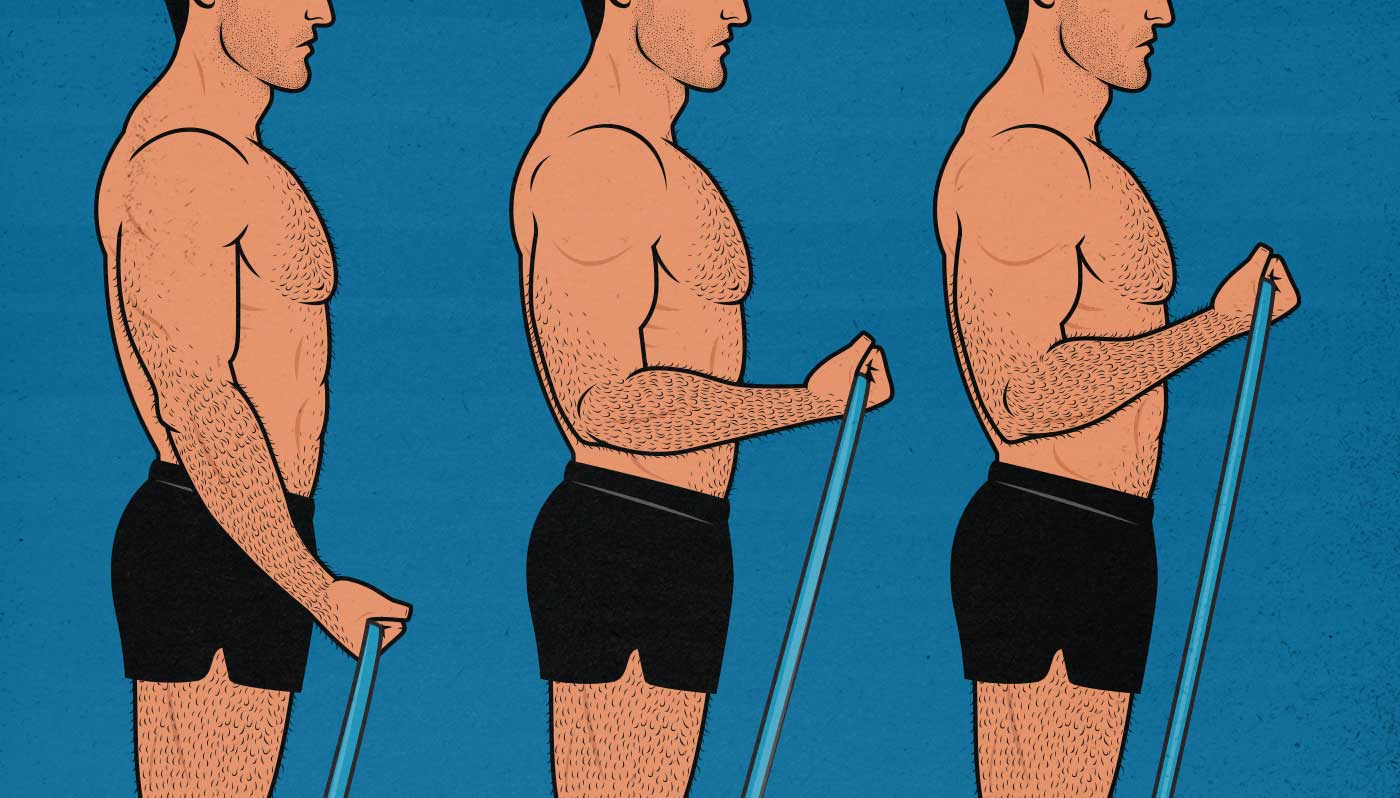
Think about the last time you tried to push through the final reps of a bicep curl. With a band, the tension increases as you stretch it, demanding more from your muscles. This can lead to improved strength and muscle growth over time.
Have you noticed how your muscles seem to work harder with bands? That’s because they force you to stabilize your body, engaging more muscle fibers. It’s a different kind of challenge, one that can enhance your workout routine.
Progressive Resistance
Resistance bands allow for progressive resistance, which is essential for muscle building. As you grow stronger, you can increase the tension by using thicker bands or by adjusting the length. This adaptability makes bands a versatile tool for gradually increasing the difficulty of your exercises.
Imagine starting with a light band and gradually progressing to a heavier one as your strength improves. This progression mirrors the concept of adding weights in traditional lifting, but with more flexibility.
Have you ever felt stuck in your routine? Bands can offer a fresh challenge, pushing your muscles to adapt and grow. You can easily switch between bands to target different muscle groups, keeping your workouts dynamic and engaging.
Resistance bands can be your ally in muscle building. They provide unique tension and allow for progressive resistance, ensuring your muscles are always challenged. How will you incorporate them into your routine?
Comparing Resistance Bands And Weights
Resistance bands offer a unique approach to muscle building. These versatile tools provide consistent tension, aiding muscle growth. Unlike weights, they allow for varied resistance levels, accommodating different strength stages.
When you think about muscle building, weights often come to mind first. But resistance bands are gaining popularity as an alternative. Both have their strengths and weaknesses. Comparing them helps you make an informed decision. Are you curious if bands can really replace weights in your workout? Let’s dive into the details.Strength And Muscle Activation
Resistance bands offer consistent tension throughout the movement. This can lead to better muscle activation. Imagine doing a bicep curl with a band; the tension is constant, unlike weights where gravity plays a role. Weights, on the other hand, provide a clear measure of progress. You can easily add more plates to the bar. Do you feel the need for tangible feedback? Weights might be your go-to.Range Of Motion And Flexibility
Bands excel in providing a full range of motion. You can stretch them in all directions, allowing for more dynamic movements. This flexibility can enhance your workout routine. Weights are typically more rigid. They limit some exercises in terms of flexibility. But they are great for compound exercises like deadlifts and squats. Which approach fits your exercise style better?Safety And Injury Prevention
Safety is crucial. Resistance bands are gentle on the joints. They reduce the risk of injury during workouts. Have you ever dropped a dumbbell on your foot? That’s less likely with bands. Weights demand proper form and attention. If you’re not careful, they can lead to injuries. Are you confident in your lifting technique? If not, bands might be a safer option. In the end, your choice between resistance bands and weights depends on your goals and preferences. Both can effectively build muscle. It’s all about finding what works best for you.Types Of Resistance Bands
Resistance bands come in different types. Each type has unique features and benefits. Choosing the right band can help build muscles effectively.
Loop Bands
Loop bands are circular bands. They are versatile and durable. Use them for squats, lunges, or stretching. Loop bands offer different resistance levels. They are great for full-body workouts.
Tube Bands
Tube bands have handles. They resemble gym equipment like cables. Ideal for targeting specific muscles. They allow controlled movements. Tube bands come in various strengths. Easy to incorporate in home workouts.
Therapy Bands
Therapy bands are flat and thin. Often used in physical therapy. They help improve flexibility and strength. Suitable for beginners and rehabilitation exercises. Therapy bands offer gentle resistance.
Incorporating Resistance Bands In Workouts
Resistance bands can be a versatile addition to workouts. They offer a range of benefits for muscle building. Lightweight and portable, they are perfect for home or travel. These bands provide adjustable resistance levels. This makes them suitable for all fitness levels. Let’s explore how to use them effectively in your workouts.
Upper Body Exercises
Resistance bands are great for strengthening the upper body. They can target arms, shoulders, and chest muscles. Try bicep curls by stepping on the band. Hold the handles and curl your arms upward. For shoulders, do lateral raises. Stand on the band, lift the arms to shoulder height. Push-ups with bands add more resistance. Place the band across your back and hold the ends. Perform push-ups as usual.
Lower Body Exercises
Enhance your lower body routine with resistance bands. Squats with bands can boost thigh and glute strength. Step on the band, hold handles at shoulder height. Perform squats keeping your back straight. For inner thighs, try side leg lifts. Place the band around ankles, lift one leg to the side. Lunges with bands add challenge. Step on the band with one foot, hold handles. Perform lunges, keeping tension in the band.
Core Strengthening
Strengthen your core with resistance bands. Russian twists engage the abs and obliques. Sit with knees bent, hold the band ends. Twist your torso side to side. Planks with bands can intensify the workout. Wrap the band around your arms, hold a plank position. For a dynamic move, try bicycle crunches. Loop the band around feet, pedal legs in a cycling motion. Keep the core tight throughout each exercise.
Credit: en.smartworkout-pro.com
Resistance Bands For Different Fitness Levels
Resistance bands are a versatile tool for anyone looking to build muscle, regardless of their fitness level. They offer a unique way to enhance your workout routine, whether you’re just starting out or you’re an experienced athlete. Let’s dive into how resistance bands can be effectively used by beginners, intermediate users, and advanced athletes.
Beginners
If you’re new to resistance bands, you’re in for a treat. These bands provide a smooth introduction to strength training. They are gentle on your joints while still offering enough resistance to help build muscle.
Start with basic exercises like bicep curls or squats. These exercises are simple yet effective for building foundational strength. Choose a light resistance band to ensure you can perform each move with proper form.
Gradually increase the resistance as your muscles adapt. This approach helps you build confidence and strength without overwhelming your body. Did you know that many beginners find resistance bands less intimidating than weights?
Intermediate Users
Once you’ve mastered the basics, it’s time to level up. Intermediate users can use resistance bands to add variety to their workouts. Try combining bands with traditional weights for a new challenge.
Exercises like chest presses or seated rows become more dynamic with bands. This combination targets different muscle groups, enhancing your overall strength. You might discover muscles you didn’t even know you had!
Consider incorporating drop sets with your bands. These sets involve reducing resistance mid-set to maximize muscle fatigue. Are you ready to push your limits and see what your body can achieve?
Advanced Athletes
Advanced athletes often overlook resistance bands, but they shouldn’t. Bands offer a unique resistance curve that can shock your muscles into new growth. They’re perfect for targeting stabilizing muscles often missed by free weights.
Try using bands for explosive movements like plyometric push-ups. These exercises engage fast-twitch muscle fibers critical for power and strength. Can you feel the burn as you push through that resistance?
Don’t forget about bands for recovery and mobility work. They can help improve flexibility and prevent injury, keeping you in the game longer. Are you maximizing your potential by integrating bands into your routine?
Resistance bands are more than just a beginner’s tool. They offer a range of benefits that can enhance your fitness journey at any stage. Whether you’re just starting out or pushing the boundaries of your athletic abilities, resistance bands have something valuable to offer.
Common Myths And Misconceptions
Many believe resistance bands aren’t effective for muscle building. This myth overlooks their ability to provide varied resistance. Bands engage muscles differently, promoting growth and strength.
Resistance bands have become a popular tool in fitness routines, but they often face skepticism about their effectiveness in muscle building. Many myths and misconceptions cloud their reputation. Let’s dig into these misunderstandings and see where the truth really lies.Limited Muscle Growth
It’s a common belief that resistance bands don’t contribute to significant muscle growth. People often think only heavy weights can build muscles. But have you ever tried a high-resistance band workout? The tension from resistance bands can be adjusted to challenge your muscles, leading to growth. You can increase the resistance by using thicker bands or combining multiple bands. The progressive overload principle applies here too. As your muscles adapt, you can enhance the resistance, effectively promoting growth.Ineffectiveness For Strength Training
Another misconception is that resistance bands are ineffective for strength training. Some argue that without weights, you can’t gain strength. But strength isn’t just about lifting heavy weights. It’s about muscle engagement and consistency. Resistance bands activate different muscle fibers compared to weights, offering a unique challenge. They can improve your strength by enhancing your muscle control and stabilizing muscles that weights may not target. Try including band exercises in your routine and notice how your body responds. So, why not give resistance bands a chance? They might surprise you with their potential to transform your fitness journey. Have you considered adding them to your workout?
Credit: www.fitsimplify.com
Tips For Effective Use
Resistance bands can greatly aid in muscle building. They are versatile and effective. But using them correctly maximizes benefits. Here are some tips for effective use.
Choosing The Right Band
Select a band that matches your strength level. Different colors often indicate resistance levels. Beginners should start with lighter bands. As you gain strength, move to heavier bands. This progression ensures continuous muscle growth.
Maintaining Proper Form
Proper form prevents injuries. Always keep your back straight. Engage your core during exercises. This helps in stabilizing your body. Avoid locking your joints. Controlled movements are crucial. They ensure muscles work correctly.
Incorporating Variety
Variety challenges muscles in new ways. Try different exercises. Change angles and positions. This keeps workouts fresh and exciting. It also prevents muscle adaptation. Your muscles will respond better to varied routines.
Frequently Asked Questions
Can You Get Bigger Arms With Resistance Bands?
Yes, you can build bigger arms using resistance bands. They provide effective muscle tension and promote growth. Regular workouts with resistance bands target biceps and triceps, enhancing arm size and strength. Consistent effort and progressive resistance are key for visible results.
What Builds Muscle Faster, Weights Or Resistance Bands?
Weights generally build muscle faster due to higher resistance levels. Resistance bands are effective for muscle endurance and rehabilitation. Both methods can be beneficial, but weights usually provide quicker mass gains. Include compound exercises with weights for optimal results. Mix both for varied workouts and balanced muscle development.
What Are The Disadvantages Of Resistance Bands?
Resistance bands can snap or break, posing injury risks. They offer limited resistance compared to weights. Over time, they may lose elasticity. Achieving precise resistance levels is challenging. Some exercises feel less effective due to inconsistent tension.
Can You Really Get A Good Workout With Resistance Bands?
Yes, resistance bands offer an effective workout. They build strength, improve flexibility, and enhance muscle tone. They’re versatile, portable, and suitable for all fitness levels. Incorporate them into strength training, Pilates, or rehabilitation exercises for optimal results. Adjust resistance levels to match your fitness goals and intensify workouts.
Conclusion
Resistance bands offer effective muscle building. They are versatile and convenient. Perfect for workouts at home or the gym. They add variety to your exercise routine. Bands help target different muscle groups. They are easy to carry and store. Ideal for travel or small spaces.
Suitable for beginners and advanced users. Affordable compared to traditional weights. They reduce risk of injury. Good for maintaining strength and flexibility. Combine with other exercises for best results. Resistance bands support your fitness goals. A great addition to any training program.
Embrace their benefits for better muscle growth.








