Feeling overwhelmed by a heated situation can be incredibly challenging, especially when mental health is involved. You might find yourself caught in the storm of emotions, unsure of how to calm things down.
Understanding and mastering de-escalation techniques can be a game changer. Imagine having the tools to defuse tension effectively, making interactions smoother and more manageable. This knowledge not only benefits you but also those around you, fostering a more peaceful and understanding environment.
Are you ready to discover how these techniques can transform your interactions and enhance your well-being? Dive into this article to unlock the secrets of de-escalation and take control of your mental health journey.
Understanding De-escalation
Understanding de-escalation is crucial in mental health care. It involves calming tense situations. This skill helps both caregivers and patients. De-escalation techniques can prevent conflicts. They also promote a safe environment. Knowing these techniques is essential for effective mental health support.
Importance In Mental Health
De-escalation techniques hold great importance in mental health. They reduce anxiety and aggression. These methods help avoid dangerous situations. Patients feel more secure and understood. It builds trust between caregivers and patients. This trust is vital for effective treatment. De-escalation also protects the well-being of healthcare providers. By using these techniques, stress and burnout decrease.
Key Principles
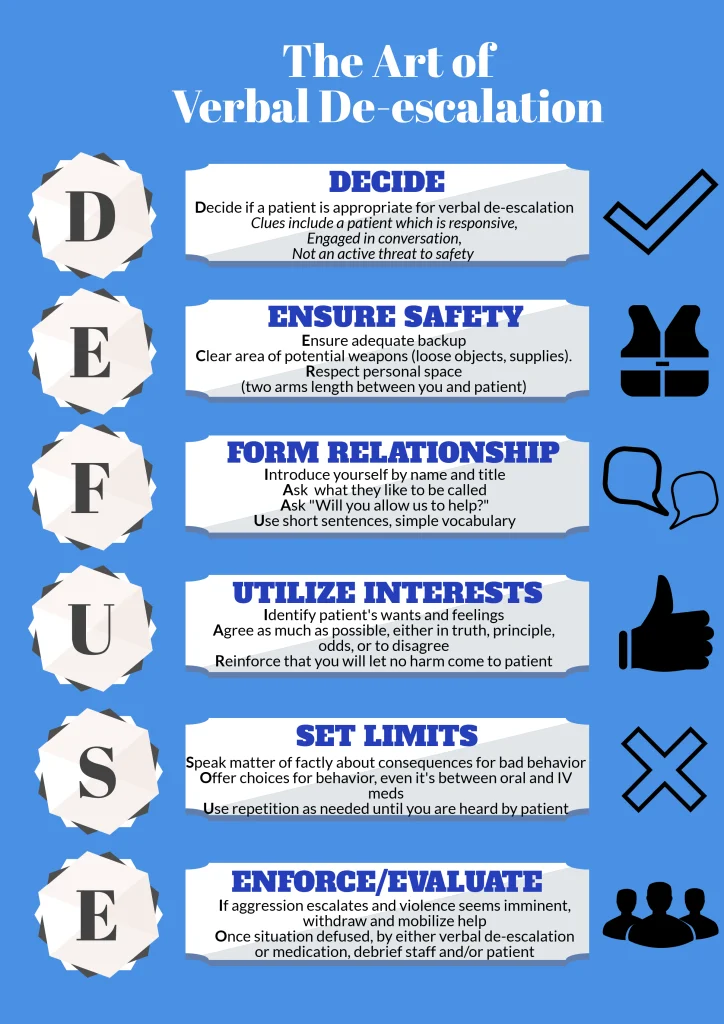
Several key principles guide de-escalation. First, remain calm and composed. A calm demeanor can diffuse tension. Second, listen actively to the person. Understanding their perspective is critical. Third, use clear and simple language. Complex words may confuse or frustrate. Fourth, respect personal space to avoid intimidation. Lastly, offer choices and solutions. This empowers individuals and helps regain control.

Credit: www.facebook.com
Active Listening Skills
Active listening is more than just hearing words; it’s about truly understanding and connecting with the speaker. In mental health, mastering active listening skills can be a powerful tool for de-escalation. Imagine a situation where someone is upset. Your ability to listen actively can help calm their emotions, making them feel heard and understood. It’s like turning down the volume on their stress. Let’s explore how you can harness this skill effectively.
Techniques For Empathy
Empathy is about stepping into someone else’s shoes. But how do you do it without getting overwhelmed yourself? Start by focusing on the speaker’s emotions rather than just their words. What are they feeling? Respond with phrases like, “I see you’re upset” or “That sounds frustrating.” These statements show that you’re tuned into their feelings. Remember a time when you felt truly listened to; it probably made you feel safe and valued. That’s the impact of empathy.
But empathy isn’t just about verbal acknowledgment. Pay attention to your body language. Nod, maintain eye contact, and lean slightly forward. These non-verbal cues signal that you’re engaged. Think about the last time someone did this for you. It likely made you feel important and understood. Use these techniques to create a supportive environment.
Avoiding Misunderstandings
Misunderstandings can escalate tensions quickly. How can you ensure clarity? Practice reflective listening. This means repeating back what you’ve heard in your own words. It might sound like, “So you’re saying you feel stressed about work?” This confirms understanding and gives the speaker a chance to correct any misinterpretations.
Ask open-ended questions to gather more information. Instead of “Did this make you angry?”, try “How did that make you feel?” Open-ended questions encourage deeper conversation and uncover underlying concerns. Consider a scenario where a friend misunderstood your intentions. You both felt frustrated. By asking open-ended questions, you can prevent such situations.
Active listening is like a bridge. It connects you to others and helps build trust. How will you use these skills in your next challenging conversation? Your ability to listen could be the key to transforming conflict into connection.
Maintaining A Calm Environment
Creating a calm environment supports mental health. De-escalation techniques reduce stress and manage emotions effectively. These methods foster understanding and promote peaceful interactions.
Maintaining a calm environment is crucial when practicing de-escalation techniques in mental health settings. A peaceful atmosphere can significantly reduce anxiety, promote understanding, and create a safe space for individuals to express themselves. Think back to a time when you felt overwhelmed. Was the environment around you contributing to your stress? Creating a calming space is not just beneficial, it’s essential. Let’s explore how the physical space and communication tactics can play a pivotal role in maintaining tranquility.Role Of Physical Space
The physical environment can greatly impact your mental state. A cluttered room might lead to a cluttered mind. In contrast, a tidy and organized space can foster peace. Consider the lighting: soft, natural light can be soothing, while harsh fluorescent lights may be unsettling. Furniture arrangement also matters. Arrange chairs to promote face-to-face interaction, making conversations more personal and less intimidating. Keep spaces open and inviting, minimizing barriers that could make someone feel trapped or cornered. Colors can influence mood, too. Soft blues and greens are calming, whereas bright reds might be agitating. Think about how the colors in your space affect you and those around you.Soothing Communication Tactics
The way you communicate can either calm or escalate a situation. Speak in a gentle, slow tone to convey empathy and understanding. This can help the person feel heard and valued, reducing their defensiveness. Active listening is key. When you listen attentively, it shows that you care. Nod occasionally, and use phrases like “I understand” to validate their feelings. This can build trust and encourage openness. Avoid using complex words or jargon. Simple, clear language is easier to understand and less likely to cause confusion or frustration. Think about how you would want someone to communicate with you when you’re feeling stressed. Consider asking yourself: Are you using these tactics when interacting with others? How might changing your communication style create a more supportive environment? In your daily interactions, remember that creating a calm environment starts with you. The choices you make in physical space and communication can lead to more meaningful connections and less stress for everyone involved.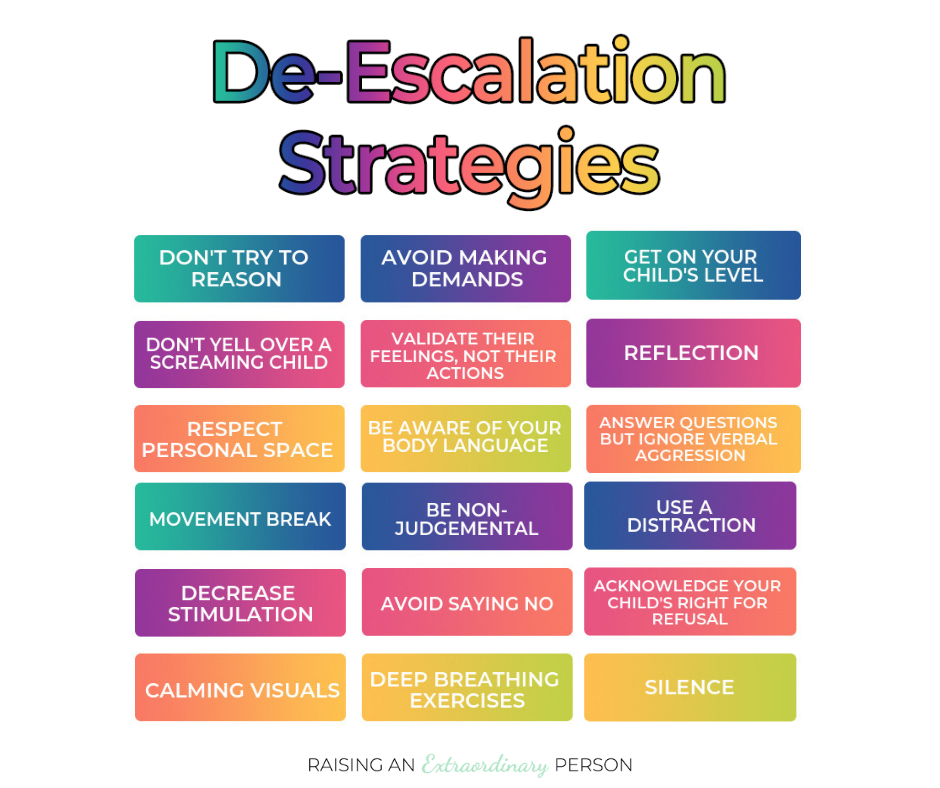
Credit: www.facebook.com
Non-verbal Communication
Non-verbal communication is vital in de-escalation techniques for mental health. Words may not always calm tense situations. Sometimes, actions speak louder. Understanding non-verbal cues can help diffuse conflicts effectively. This includes body language, gestures, and facial expressions. These elements can convey empathy and understanding. They can also prevent misunderstandings and promote trust.
Importance Of Body Language
Body language plays a critical role in de-escalation. It can signal calm and control. Open gestures indicate willingness to listen. Relaxed postures can reduce tension. Avoid crossing arms as it might seem defensive. Eye contact is essential. It shows attentiveness. It also signals respect. Turning slightly towards the person indicates engagement. This can be reassuring.
Appropriate Gestures And Expressions
Gestures and expressions matter in de-escalation. Use them wisely. Nodding shows you are listening. A gentle smile can ease anxiety. Avoid exaggerated gestures. They might confuse the person. Keep expressions neutral or positive. Avoid frowning or glaring. These can escalate the situation. Hands should be visible. Hidden hands can cause unease. Simple gestures can convey understanding and empathy.
Setting Boundaries
Setting boundaries is crucial in de-escalation techniques for mental health. Boundaries help create a safe and respectful environment. They offer guidance during stressful situations. Understanding how to set boundaries can improve interactions. It can reduce tension and promote healing. Learn how to set clear and respectful limits. Balance safety and freedom effectively.
Clear And Respectful Limits
Clear limits prevent misunderstandings. They guide behavior and expectations. It’s important to communicate these limits respectfully. Use simple language and be direct. Show empathy when setting limits. Listen to the other person’s needs. This fosters trust and cooperation. Respectful communication can defuse tense situations. It promotes a sense of understanding and calm.
Balancing Safety And Freedom
Safety must be a priority. Set boundaries that protect well-being. Allow freedom within safe limits. This encourages independence and growth. It’s important to find a balance. Too much restriction can lead to frustration. Too much freedom can compromise safety. Create boundaries that support both. This balance fosters a healthy environment. It enhances emotional stability and peace.

Credit: www.linkedin.com
Problem-solving Approaches
In mental health, de-escalation techniques play a crucial role. They help in managing conflicts and reducing tension. Problem-solving approaches are essential in these techniques. They focus on finding practical solutions. By understanding the root cause, we can address issues effectively.
These approaches promote a calm environment. They encourage open communication and understanding. This allows individuals to express their needs. It also helps in resolving conflicts peacefully.
Collaborative Solutions
Collaborative solutions involve working together. They require active participation from all parties. This approach fosters mutual respect and trust. Everyone feels valued and heard. By collaborating, people can find common ground. They can develop solutions that benefit everyone. This method reduces resistance and promotes cooperation.
Listening is a key part of collaboration. It allows each person to share their perspective. This helps in understanding different viewpoints. It also aids in finding a balanced solution.
Empowering The Individual
Empowering the individual is vital in de-escalation. It gives people control over their situation. This boosts their confidence and self-esteem. Empowered individuals are more likely to cooperate. They feel capable of handling challenges.
Providing choices is a way to empower. It shows respect for the individual’s autonomy. When people have options, they feel more in control. This can lead to more positive outcomes.
Support and encouragement are also important. They help individuals feel understood and valued. This creates a supportive environment. It encourages open communication and effective problem-solving.
Building Trust And Rapport
Building trust and rapport is crucial in de-escalation techniques for mental health. Establishing a strong connection can help diffuse tense situations. This bond allows individuals to feel understood and supported. Trust and rapport create a foundation for effective communication.
Consistency In Interaction
Consistency builds trust over time. Use the same tone and approach each time. Predictable interactions make individuals feel secure. They know what to expect. This predictability reduces anxiety and fear. Consistent behavior shows reliability. It shows you are genuine and dependable.
Creating Safe Spaces
A safe space encourages open communication. Choose a quiet, comfortable setting. Minimize distractions to help focus. Make eye contact and listen actively. Show empathy and understanding. Validate their feelings and experiences. This makes individuals feel valued and respected.
Cultural Sensitivity
Cultural sensitivity plays a crucial role in mental health de-escalation. It involves understanding and respecting different cultural backgrounds. People from varied cultures may express distress differently. Recognizing these differences helps in providing appropriate support. Being culturally sensitive enhances trust and communication. It leads to better outcomes in de-escalation situations.
Respect For Diversity
Respecting diversity means acknowledging individual differences. People come from various cultural backgrounds. Each culture has unique beliefs and practices. Understanding these differences is essential in de-escalation. It helps in addressing individuals’ needs effectively. A one-size-fits-all approach doesn’t work. Tailoring methods to respect cultural values is important. It shows empathy and understanding. This builds rapport and trust.
Adapting Techniques To Different Backgrounds
Adapting techniques to different backgrounds requires flexibility. What works for one may not work for another. Understanding cultural norms helps in adapting strategies. Some cultures value silence, while others rely on verbal expression. Recognizing these preferences is key. It aids in choosing the right approach. Adapting techniques shows respect and consideration. It enhances communication and reduces misunderstandings.
Training And Practice
De-escalation techniques require consistent training and practice. This helps individuals manage tense situations effectively. Proper training empowers mental health professionals. They can navigate conflict with patience and empathy. Regular practice ensures these skills become second nature.
Role-playing Scenarios
Role-playing scenarios are vital in de-escalation training. They simulate real-life conflicts in a controlled environment. Participants engage in these scenarios to practice responses. This hands-on approach enhances understanding and retention. It allows individuals to test different techniques and receive feedback. Real-world application becomes easier through these exercises.
Continuous Skill Development
Continuous skill development is crucial in mental health fields. De-escalation techniques evolve with ongoing practice. Attending workshops and seminars helps professionals stay updated. New strategies and insights are shared in these sessions. This commitment to learning fosters a culture of growth. It ensures professionals remain competent and confident in their skills.
Frequently Asked Questions
What Are The 5 Steps Of De-escalation?
De-escalation involves five key steps: Stay calm, listen actively, show empathy, set boundaries, and offer solutions. These steps help reduce tension and promote understanding. Maintaining a respectful tone is essential to prevent conflict and encourage cooperation. Effective de-escalation fosters positive communication and resolves disputes peacefully.
What Are The Three De-escalation Strategies?
The three de-escalation strategies are active listening, maintaining a calm demeanor, and establishing clear communication. These techniques help diffuse tension, promote understanding, and prevent conflicts. Utilizing these strategies can effectively manage challenging situations.
What Are The Four Correct De-escalation Techniques?
The four correct de-escalation techniques include active listening, maintaining calm body language, speaking clearly and empathetically, and setting clear boundaries. These methods help in reducing tension and promoting understanding in conflicts. Practicing these techniques can lead to more peaceful and effective communication.
What Are The 4 Concepts Of De-escalation?
The four concepts of de-escalation include active listening, maintaining a calm demeanor, clear communication, and empathy. These techniques help diffuse tense situations by fostering understanding and reducing conflict. They prioritize safety and resolution by focusing on the needs and emotions of all parties involved.
Conclusion
De-escalation techniques help manage tough mental health situations. They empower individuals to respond calmly and effectively. Practice these strategies regularly to improve your skills. Being patient and understanding is key in tense moments. Listening actively can prevent misunderstandings. Stay aware of your surroundings and emotions.
This awareness aids in calming a heated environment. Remember, these techniques take time to master. Consistent effort leads to positive results. Everyone benefits from a peaceful approach. Prioritize safety and communication. These tools can make challenging interactions more manageable. Embrace the process and grow your de-escalation skills.








