
Are you curious about how mental health impacts your everyday life? If you’re part of Generation Z, understanding your mental well-being is more crucial than ever.
You’re growing up in a fast-paced world where digital connections are constant, and societal pressures can be overwhelming. But what does this mean for you and your mental health? In this blog, we’ll dive deep into the unique mental health challenges faced by Gen Z, providing insights and tips that can help you navigate this complex landscape.
Whether you’re looking to improve your own mental well-being or better understand the experiences of those around you, this article will offer valuable perspectives and actionable advice. Stay with us as we explore the intricacies of Gen Z mental health and empower you to take control of your mental wellness.
Digital World Impact
Gen Z faces mental health challenges in the digital world. Social media influences self-esteem and anxiety levels. Constant online interaction impacts emotional well-being and stress.
The digital world has undeniably reshaped how Gen Z interacts, learns, and even feels. This generation, born into a world of smartphones and social media, experiences unique challenges and opportunities. As you navigate this digital landscape, understanding its impact on mental health becomes crucial.Social Media Influence
Social media platforms can be both a blessing and a curse. While they offer a way to connect with friends and share experiences, they also create pressure to maintain a perfect image. This constant comparison can lead to anxiety and low self-esteem. Have you ever felt the need to post only the best parts of your life online? This pressure is common among Gen Z. The likes and comments on your posts can sometimes feel like a measure of your worth, impacting your mental health.Screen Time Concerns
Spending hours in front of screens can take a toll on your well-being. Excessive screen time might lead to sleep problems, reduced physical activity, and even mood swings. It’s important to find a balance that works for you. Try setting limits for your screen use. Can you dedicate certain hours of the day to be tech-free? This small change might improve your focus and overall mood.Online Communities And Support
Despite potential downsides, the digital world offers support networks that weren’t available before. Online communities can provide a sense of belonging and validation. They offer spaces where you can share experiences and seek advice from others who understand your challenges. Have you ever joined an online group that made you feel understood? These communities can be lifelines, especially if you’re struggling with mental health issues. Just remember to choose supportive and positive groups. The digital world is a powerful tool, but it’s essential to use it wisely. How can you make sure it benefits your mental health? Finding the right balance and support can make all the difference.Academic Pressures
The journey of Gen Z through academia is not a walk in the park. With an educational system that constantly demands excellence, the academic pressures can be overwhelming. You may find yourself juggling multiple assignments, exams, and extracurricular activities, all while trying to meet high expectations. This has led to increased stress levels among young students who feel the weight of the world on their shoulders.
High Expectations
Academic success is often equated with personal worth. This can be particularly daunting when you feel that every assignment and test is a reflection of your future potential. It’s not just about getting good grades; it’s about being the best. Parents, teachers, and even peers sometimes set expectations that can feel unattainable. Have you ever wondered if these pressures could lead to burnout? Prioritizing mental health over perfection might just be the key to thriving.
College Admission Stress
The college admission process is a crucible that tests your resilience. With competition at an all-time high, the pressure to secure a spot at a prestigious institution can be intense. It’s not uncommon to feel overwhelmed by application essays, standardized tests, and extracurricular achievements. Are you caught in the cycle of sleepless nights and anxiety over acceptance letters? Finding balance and focusing on what truly matters can ease this burden.
Balancing Studies And Life
Striking a balance between academics and life is crucial. You might feel torn between studying for exams and maintaining friendships or hobbies. The struggle to find time for yourself amidst a busy schedule can take a toll on your mental health. Have you considered setting boundaries and prioritizing self-care? Sometimes, stepping back from your books and engaging in activities that rejuvenate your spirit can enhance your academic performance.
As Gen Z navigates these academic pressures, you might ask: Is the pursuit of excellence worth sacrificing your mental health? Consider redefining success to include well-being and balance. This shift could be the most significant lesson learned outside the classroom.
Workplace Dynamics
Gen Z is redefining workplace dynamics in ways that are both challenging and inspiring. As this generation steps into the workforce, they’re bringing fresh perspectives on mental health, balance, and job security. But how do these dynamics affect their well-being? Let’s dive into the unique challenges and opportunities Gen Z faces in today’s work environment.
Gig Economy Challenges
The gig economy offers flexibility but comes with its own set of hurdles. Many Gen Z workers are opting for freelance gigs or part-time roles. This can lead to unstable income and lack of benefits. Imagine juggling multiple gigs without job security. It’s stressful, right?
Yet, this model also fosters creativity and independence. You get to choose projects that align with your passion. But how do you maintain mental health when faced with inconsistent paychecks and few safety nets?
Work-life Balance
Gen Z is keen on carving out time for personal growth. They’re aware that mental health suffers without balance. Unlike previous generations, they’re not willing to sacrifice well-being for a paycheck. You might have noticed your Gen Z colleagues prioritizing time off.
It’s refreshing to see this shift, but achieving balance requires effort. How can you manage stress when boundaries between work and life blur? Consider setting clear limits on work hours and embracing digital detoxes.
Career Uncertainty
Navigating career paths can feel like a maze for Gen Z. With rapid technological changes, traditional career structures are evolving. You might be wondering how to plan for the future when the landscape keeps shifting.
This uncertainty can fuel anxiety but also drive innovation. Embrace lifelong learning and adaptability. Seek mentors who can guide you through these transitions. How can you turn career uncertainty into an opportunity for growth?
In conclusion, Gen Z is reshaping workplace dynamics with a focus on mental health and well-being. By addressing gig economy challenges, striving for work-life balance, and navigating career uncertainty, you can create a fulfilling professional life. Remember, your mental health is just as important as your career success. What steps will you take to prioritize it?
Social Issues And Activism
Gen Z is known for its strong sense of social responsibility. This generation is deeply aware of global issues. They are passionate about making a difference. Social issues and activism are at the heart of their concerns. Many feel a sense of urgency about the world’s problems. This impacts their mental health significantly. They are not only aware but also active participants in social change. Understanding these influences is key to supporting their mental well-being.
Climate Change Anxiety
Climate change is a pressing issue for Gen Z. Many young people worry about the Earth’s future. The constant news about climate disasters can be overwhelming. This anxiety affects their daily lives. Some feel a strong urge to act. They join climate marches and advocate for policy changes. The fear of an uncertain future weighs heavily on their minds. This concern is genuine and impacts their mental health deeply.
Social Justice Movements
Social justice is another area where Gen Z is active. They participate in movements for racial equality and gender rights. They use social media to spread awareness. Young people demand justice and accountability. These movements can be empowering but also exhausting. Constant exposure to injustice affects their mental state. It is both inspiring and draining. Finding balance is crucial for their well-being.
Identity And Inclusivity
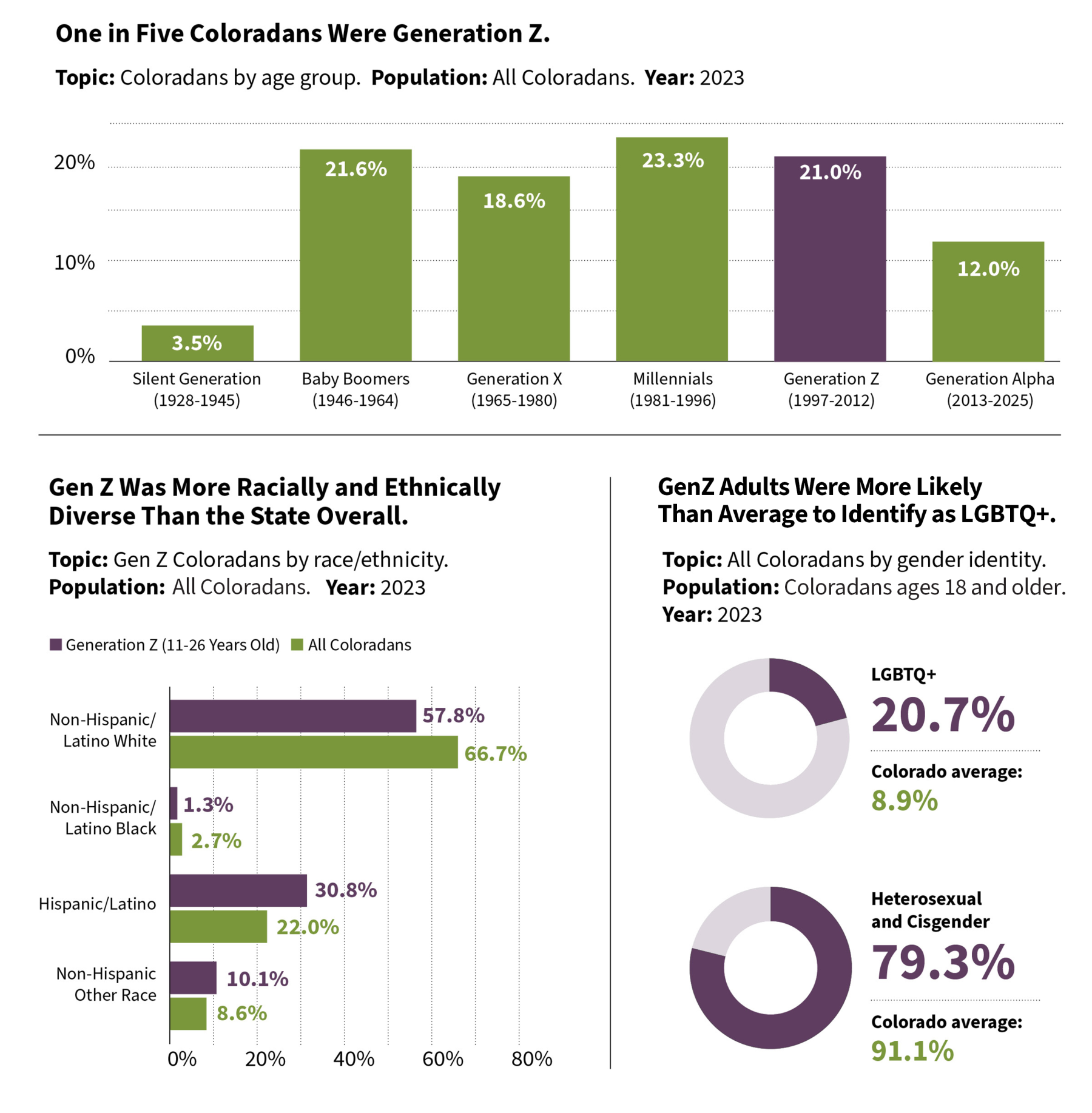
Identity is important to Gen Z. They celebrate diversity and inclusivity. Many young people explore their identities openly. They challenge traditional norms and seek acceptance. This journey can be fulfilling but also challenging. Facing resistance or misunderstanding can be stressful. Inclusivity is more than a trend. It is a core value that impacts their mental health. Support and understanding are essential.
Coping Mechanisms
Gen Z faces unique mental health challenges, often turning to digital platforms for support. They use online communities and mindfulness apps to cope with stress. These tools help them manage anxiety and build resilience.
Coping mechanisms are vital tools that many Gen Z individuals are using to navigate mental health challenges. With a unique set of stressors, such as constant digital connectivity and societal pressures, finding effective ways to manage emotions is crucial. From therapy to meditation, Gen Z is embracing diverse strategies to maintain their mental well-being.Therapy And Counseling
Therapy and counseling are becoming mainstream among Gen Z. Many young people are openly discussing their therapy sessions, breaking the stigma around seeking professional help. By attending regular therapy, they learn how to manage stress, anxiety, and depression. You might be surprised by how many of your peers are already benefiting from these services. Online platforms make accessing therapy easier than ever, offering convenience and comfort. Have you considered trying therapy to help manage your mental health?Mindfulness And Meditation
Mindfulness and meditation are powerful tools for mental clarity. Practicing mindfulness helps you stay grounded and focused. Meditation, even if just for a few minutes a day, can significantly reduce stress levels. Apps like Headspace and Calm have made meditation accessible to everyone. These apps guide you through meditation practices, making it easy to start your mindfulness journey. Have you tried using technology to incorporate a few moments of peace into your day?Peer Support Systems
Peer support systems offer a sense of community and understanding. Sharing experiences with friends who face similar challenges can be incredibly comforting. You gain insights and strategies that might not be available in professional settings. Many Gen Z individuals are creating safe spaces online and offline to support each other. These communities foster open discussions about mental health. Are you part of a support group that helps you navigate life’s ups and downs? Coping mechanisms are personal and can vary greatly from one individual to another. What works for someone else might not work for you, but experimenting with these methods can lead you to discover what helps you most. What coping strategy are you willing to try today?
Credit: www.benefitnews.com
Technology And Mental Health
Technology plays a significant role in Gen Z’s mental health. It offers tools to manage stress and anxiety. Digital platforms provide support and resources. Yet, they also introduce challenges. The constant connectivity can overwhelm young minds. Striking a balance is vital.
Mental Health Apps
Mental health apps have surged in popularity. They offer meditation, breathing exercises, and mood tracking. Apps like Calm and Headspace guide users in relaxation. Users can monitor feelings daily. This helps in recognizing mental health patterns. Many apps also provide educational content. They teach about stress and anxiety management.
Teletherapy Advancements
Teletherapy has transformed mental health care. It makes therapy accessible from home. Gen Z can connect with therapists online. Video and chat sessions offer flexibility. This reduces the stigma associated with in-person visits. Privacy remains a top priority in teletherapy. Encryption ensures confidential conversations. Many find comfort in virtual therapy’s anonymity.
Digital Detox Practices
Digital detoxing helps in managing screen time. It encourages breaks from technology. Gen Z can benefit from scheduled offline periods. This practice improves focus and reduces stress. Engaging in outdoor activities is beneficial. Reading books or pursuing hobbies also helps. These activities offer a break from digital overload.
Role Of Family And Community
Gen Z faces unique mental health challenges. The role of family and community is crucial. Families and communities can offer support and understanding. These connections can foster a safe environment for Gen Z. Let’s explore how families and communities can make a difference.
Parental Support
Parents can be the first line of support. Open communication is key. Listening without judgment helps. Understanding emotions and challenges matters. Setting aside time for conversations is essential. Encouraging healthy habits makes a big difference. Parents should educate themselves about mental health. Knowing the signs helps in providing timely help.
Community Engagement
Communities can create supportive networks. Local groups and events foster belonging. Schools can host mental health workshops. This raises awareness among students and parents. Community centers can offer counseling services. Safe spaces help Gen Z feel understood. Volunteers can mentor and support young people. Strong communities nurture mental well-being.
Building Resilience
Resilience is crucial for mental health. Families can teach coping strategies. Encouraging problem-solving builds confidence. Communities can offer resilience training programs. Activities like sports and arts enhance resilience. Celebrating small victories boosts self-esteem. Resilient individuals handle stress better. They bounce back from challenges more easily.

Credit: online.sbu.edu
Credit: www.coloradohealthinstitute.org
Frequently Asked Questions
What Is The Gen Z Mentality?
Gen Z values authenticity and diversity, emphasizing social justice and environmental sustainability. They prioritize digital connectivity and innovation. This generation is pragmatic and entrepreneurial, seeking flexible work environments and instant access to information. Gen Z embraces individuality and inclusivity, often challenging traditional norms.
They are characterized by resilience and adaptability in a rapidly changing world.
What Is Gen Z’s Biggest Issue?
Gen Z faces mental health challenges due to social media pressure. Economic instability impacts their career prospects. Climate change concerns add stress. These issues shape their worldview and influence their actions. Addressing these challenges is crucial for their well-being and future success.
What Are The 7 Basic Traits Of Gen Z?
Gen Z values diversity, tech-savvy skills, and social responsibility. They prioritize inclusivity, authenticity, and entrepreneurial spirit. They seek personalized experiences and emphasize mental health awareness.
What Is The Leading Cause Of Death In Gen Z?
The leading cause of death in Gen Z is suicide. Mental health challenges significantly impact this generation. Addressing these concerns and providing support is crucial to prevent further loss.
Conclusion
Gen Z faces unique mental health challenges today. Social media impacts their well-being. Stress and anxiety are common among them. Supportive resources are vital for their mental health. Schools and communities must offer help and understanding. Open conversations create safe spaces.
Listening to Gen Z matters. Their voices need attention and empathy. Everyone can play a role in supporting them. Encouragement and care lead to healthier futures. Together, we can make a difference. Understanding Gen Z’s struggles is the first step.
Let’s build a supportive environment for their growth.








