Imagine feeling overwhelmed at work, but knowing there’s a safety net to catch you when life’s challenges become too much. This is where the Family and Medical Leave Act (FMLA) steps in, offering a lifeline for your mental health.
You might wonder how FMLA can support you or a loved one struggling with mental well-being, and you’re not alone. Many are seeking answers on how to balance work responsibilities with personal health needs. This article unravels the connection between FMLA and mental health, ensuring you understand your rights and the steps to take.
By the end, you’ll feel empowered and informed, ready to make choices that prioritize your well-being without compromising your professional life. Ready to explore this crucial topic? Keep reading to unlock the insights you need.
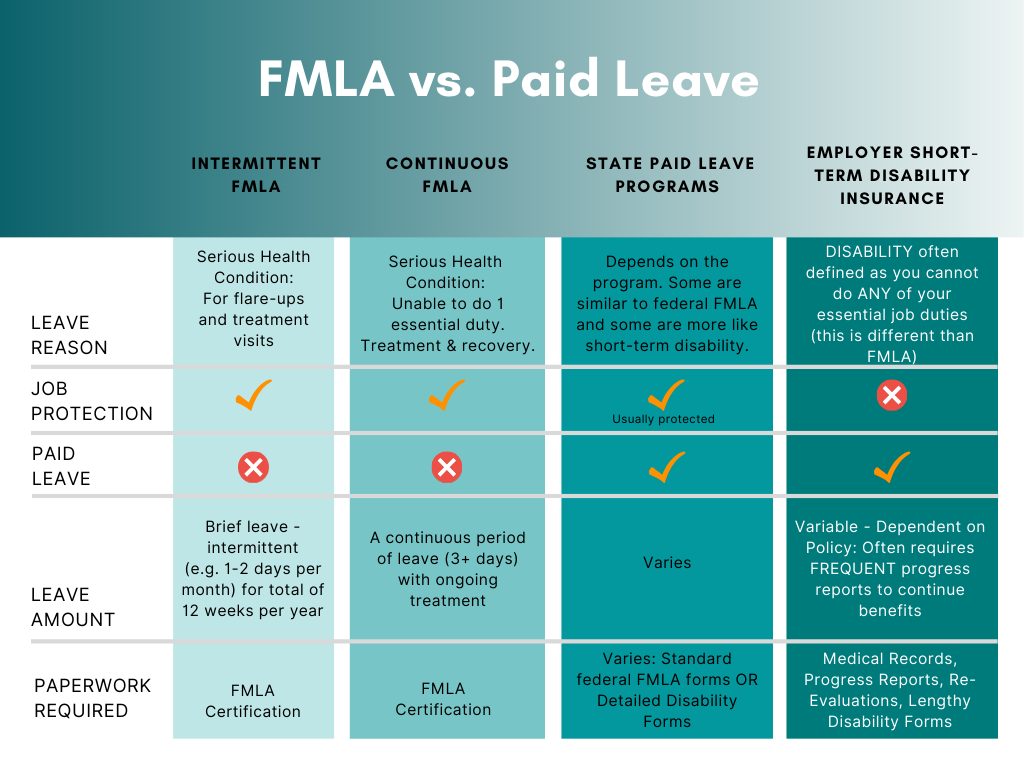
.webp?width=1200&height=800&name=FMLA-for-Mental-Health%20(1).webp)
Credit: blog.axcethr.com
Fmla Basics
The Family and Medical Leave Act (FMLA) provides vital support. It allows employees to take unpaid leave for personal or family health issues. Understanding the basics of FMLA is essential for mental health management. This act offers protections for those navigating mental health challenges.
Eligibility Criteria
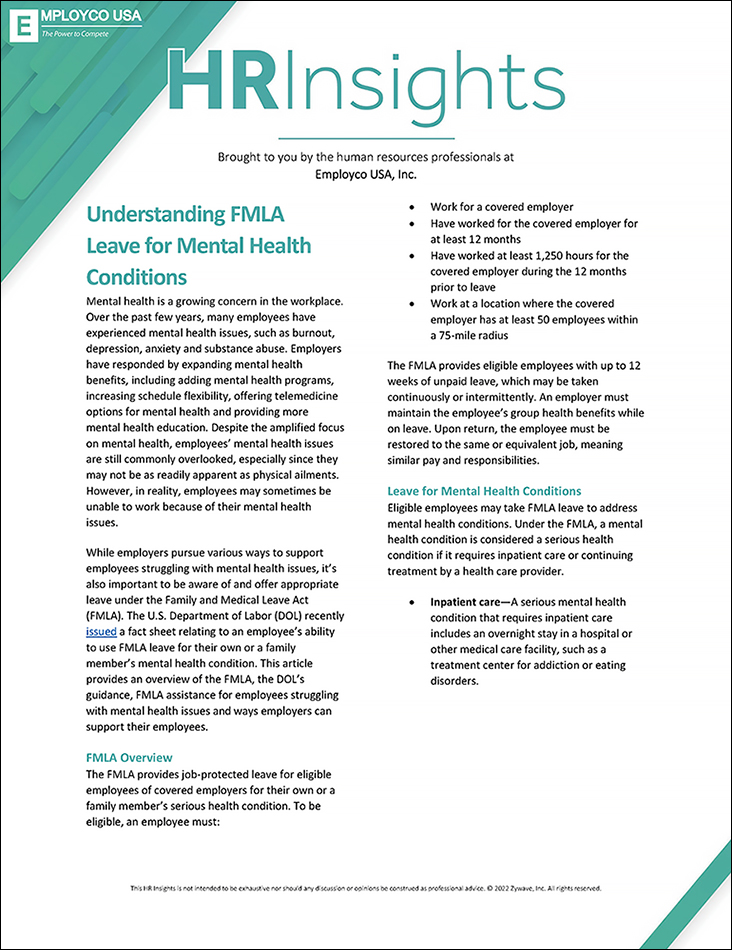
Not everyone qualifies for FMLA benefits. Employees must work for a covered employer. They need at least 12 months of employment. A minimum of 1,250 hours worked is required. The workplace must have 50 or more employees within 75 miles. These criteria ensure fair access to FMLA leave.
Coverage And Protections
FMLA covers various health-related situations. It includes serious health conditions affecting mental health. Employees can take leave for therapy or treatment sessions. FMLA protects job positions during leave periods. It ensures health benefits remain active. Employers must restore employees to their original or equivalent positions. This offers peace of mind during health struggles.

Credit: blog.bernieportal.com
Mental Health And Fmla
The FMLA allows employees to take unpaid leave for serious health conditions, including mental health issues. This law protects job security while addressing mental health needs. Employees can focus on recovery without fear of losing their jobs.
Mental health has become an increasingly important topic in today’s fast-paced world. The Family and Medical Leave Act (FMLA) plays a crucial role in supporting individuals dealing with mental health challenges. Understanding how FMLA can assist you or your loved ones in managing mental health conditions is essential. Let’s explore the intersection of mental health and FMLA to see how it can provide relief during difficult times.Recognized Mental Health Conditions
FMLA recognizes a variety of mental health conditions that qualify for leave. Conditions such as depression, anxiety, PTSD, and bipolar disorder are just a few examples that might be covered. It’s important to note that the condition must significantly impact your ability to work or perform daily activities. To determine if your mental health condition qualifies, consider its severity and duration. A mild case of stress might not meet the criteria, but chronic anxiety that affects your job performance could. Always consult with a healthcare provider to understand your specific situation.Documentation Requirements
Applying for FMLA due to mental health issues requires proper documentation. A healthcare provider must certify that your condition is serious and necessitates leave. This documentation is crucial for ensuring your request is processed smoothly. Consider setting an appointment with your doctor to discuss your mental health and work responsibilities. Be honest about the challenges you’re facing. This will help your doctor provide detailed documentation that supports your FMLA request. What if your employer asks for additional information? They have the right to request clarification, so be prepared to provide more details if needed. Remember, confidentiality is key, and your employer must respect your privacy. Navigating mental health issues while balancing work can be challenging, but FMLA offers a safety net. Have you or someone you know used FMLA for mental health reasons? Share your experiences or questions below—your story might help someone else.Applying For Fmla
Applying for FMLA can be a lifeline for employees facing mental health challenges. It provides a structured way to take necessary time off without fearing job loss. Navigating this process can be straightforward, yet it requires careful attention to detail. Let’s break down the steps you need to take and how best to communicate with your employer.
Steps To Request Leave
Start by gathering the necessary documentation. You’ll need medical certification from a healthcare provider that outlines your condition and the need for leave. Ensure the documentation is clear and concise, as this will be pivotal in your request.
Next, notify your employer of your intention to apply for FMLA. It’s advisable to do this as soon as possible, ideally 30 days in advance if your situation allows. Early notification helps in planning and reduces potential disruptions.
Complete the required FMLA forms provided by your employer. These forms are essential for formalizing your request. Double-check for accuracy to avoid delays in approval.
Communicating With Employers
Open, honest communication with your employer is key. Approach the conversation with clarity and confidence. Explain your situation succinctly and focus on how the leave will benefit both your mental health and your long-term productivity at work.
Prepare to discuss how your responsibilities will be managed during your absence. Suggest solutions or temporary replacements to ease the transition. This proactive approach demonstrates responsibility and minimizes disruption.
Be ready to answer questions about your leave, but remember, you are not obligated to disclose intimate details about your condition. Strike a balance between transparency and privacy, maintaining professionalism throughout.
Have you ever considered how taking leave could impact your career path? It’s natural to worry about this, but remember that focusing on your health is paramount. Addressing mental health issues now can prevent more significant setbacks later. How would you prioritize your well-being in this scenario?
Applying for FMLA is more than just paperwork; it’s a commitment to your health and well-being. Taking these steps with precision and communicating effectively can ensure a smoother process and a supportive work environment.
Rights And Responsibilities
FMLA supports mental health by providing job-protected leave for treatment and recovery. Employers must respect these rights, while employees are responsible for notifying their workplace about their condition. This mutual understanding ensures a supportive work environment.
Navigating the complex landscape of the Family and Medical Leave Act (FMLA) can be daunting, especially when mental health is at stake. Understanding your rights and responsibilities under this act is crucial to ensuring you receive the support you need. Let’s break it down into manageable pieces, highlighting the essential aspects you should know to make informed decisions.Employee Rights
Under the FMLA, you have the right to take unpaid leave for serious health conditions, including mental health issues. This means if your mental health condition impairs your ability to perform your job, you can request leave. You have up to 12 weeks of leave in a year. This can be taken all at once or intermittently, depending on your needs and circumstances. Your job is protected during this leave. When you return, your employer must reinstate you to your original position or an equivalent one. This ensures you don’t lose your standing due to time off for mental health recovery.Employer Obligations
Employers must adhere to the guidelines set by the FMLA. They must provide you with the necessary paperwork and inform you of your rights under the act. They are required to maintain your health benefits during your leave. This means your medical coverage should remain intact even when you’re not actively working. Employers must not retaliate against you for taking FMLA leave. They should respect your privacy and confidentiality regarding your mental health condition. Encouraging a supportive environment is part of their responsibility. As you navigate FMLA for mental health, consider this: How can understanding these rights and responsibilities empower you in your workplace? Addressing mental health openly can foster a healthier work environment for everyone. It’s a step towards creating a culture of support and understanding.Challenges And Solutions
Balancing mental health needs with work can be tough. FMLA offers support but navigating its complexities is challenging. Clear communication and understanding rights provide solutions, ensuring both employers and employees benefit.
Navigating the complexities of the Family and Medical Leave Act (FMLA) for mental health can be daunting. The act provides essential protection, yet many face challenges in fully benefiting from it. Understanding these hurdles and finding practical solutions is crucial for leveraging FMLA to support mental well-being.Common Obstacles
One major challenge is the stigma surrounding mental health. Many employees hesitate to request leave due to fear of judgment or repercussions at work. This can lead to untreated issues worsening over time. Another obstacle is the paperwork involved. FMLA requires documentation from healthcare providers, which can be time-consuming and stressful. Some individuals find the process overwhelming, especially when dealing with mental health challenges. Moreover, there can be confusion about eligibility. Not everyone knows their rights under FMLA for mental health issues. This lack of awareness can prevent people from seeking the help they need.Strategies For Success
Start by educating yourself about FMLA. Understand your rights and the specific steps required to apply for leave. Knowledge empowers you to navigate the system confidently. Communicate openly with your employer. Share your needs and concerns, emphasizing your commitment to your role while addressing your health. Open dialogue can reduce misunderstandings and build trust. Seek support from mental health professionals. They can guide you through the documentation process and help articulate your needs effectively. Their expertise ensures your application is complete and accurate. Consider joining employee support groups or forums. Sharing experiences with others who have navigated FMLA can provide valuable insights and encouragement. You’re not alone in this journey, and collective wisdom can be a powerful tool. Reflect on your mental health priorities. What steps can you take today to improve your well-being? How can FMLA play a role in your recovery or management plan? Taking proactive steps ensures you’re not just surviving but thriving. In the face of challenges, focusing on solutions can transform how you experience FMLA and mental health. Embrace the act as a tool for better health, not just a bureaucratic process.Resources And Support
Navigating the Family and Medical Leave Act (FMLA) for mental health can be daunting. Understanding your rights and finding support is crucial. Many resources exist to guide you through this process. This section explores available resources and support.
Legal Assistance
Legal help ensures you understand FMLA rights related to mental health. Many lawyers specialize in employment law. They can guide you in FMLA claims. They help ensure your rights are protected. Free legal clinics might offer consultations. Legal aid organizations provide resources for those needing help. These services can be vital.
Mental Health Advocacy Groups
Mental health advocacy groups offer support and resources. They provide information about FMLA rights. These groups can connect you with others facing similar issues. National Alliance on Mental Illness (NAMI) is a well-known organization. They offer support groups and educational programs. Mental Health America (MHA) is another valuable resource. They advocate for rights and provide community support. These organizations can be lifelines during challenging times.
Credit: www.employco.com
Frequently Asked Questions
Can You Take Fmla For Depression And Anxiety?
Yes, you can use FMLA for depression and anxiety. FMLA covers serious health conditions, including mental health. Consult your employer and healthcare provider to ensure proper documentation and eligibility. This act helps protect your job while managing mental health issues.
How To Get Intermittent Fmla For Mental Health?
Consult your HR department for FMLA eligibility requirements. Obtain medical certification from a healthcare provider. Complete necessary FMLA forms accurately. Submit paperwork promptly to your employer. Maintain communication regarding leave schedule and updates. Ensure compliance with all FMLA guidelines to protect your rights.
Can A Therapist Recommend Fmla?
Yes, a therapist can recommend FMLA. They provide necessary documentation for mental health conditions. Ensure your employer receives the paperwork.
What Is Fmla’s Role In Mental Health?
The Family and Medical Leave Act (FMLA) allows eligible employees to take unpaid leave for mental health issues. It ensures job protection during the leave period. This helps in managing mental health conditions without fear of losing employment. Employers must adhere to FMLA guidelines for qualifying conditions.
Conclusion
FMLA supports mental health by providing necessary leave. It helps manage stress and recovery. Employees use it to focus on wellness. Employers benefit from healthier teams. Mental health is vital for productivity. Understand your rights under FMLA. Take action for better mental health.
Communicate with your employer. Seek professional advice if needed. FMLA is a tool for balance. Prioritize mental health for a happier life. Use FMLA wisely for personal growth. Make informed decisions for well-being. Access support and resources when needed. Mental health deserves attention and care.
FMLA offers a path to better mental health management.








