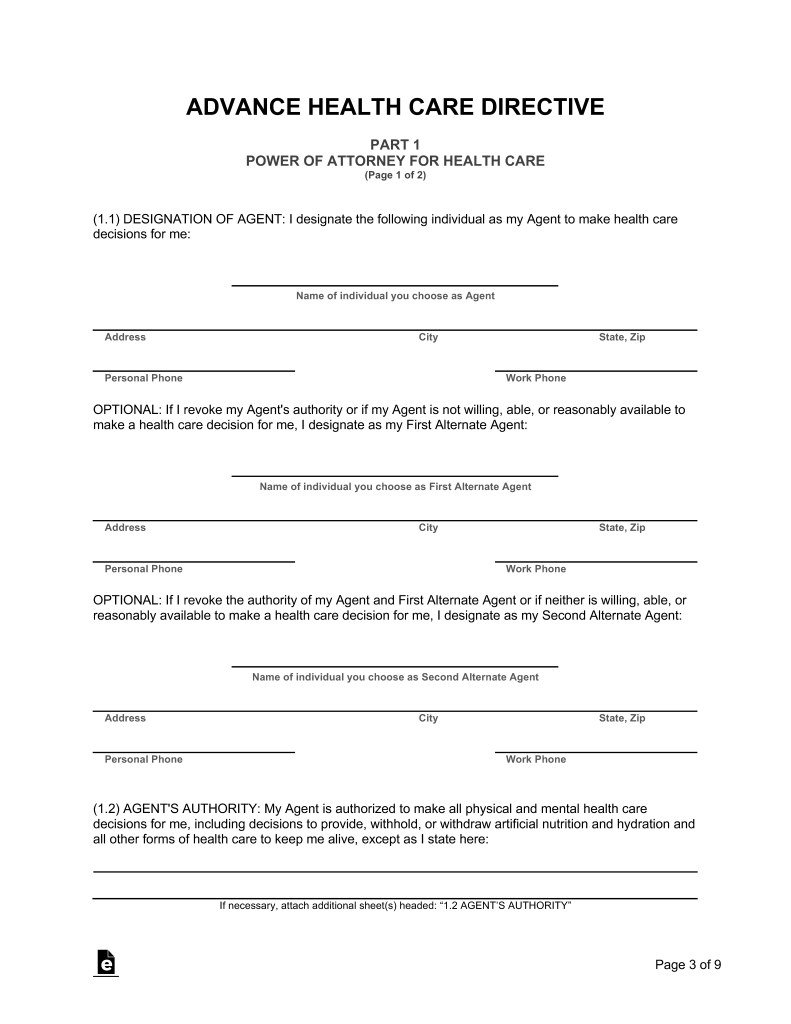
Imagine a scenario where you’re unable to express your mental health care preferences during a crisis. It’s a situation no one wants to face, yet it happens more often than you think.
An Advanced Mental Health Care Directive can be your voice when you can’t speak for yourself. This powerful tool ensures your wishes are respected, giving you peace of mind and control over your mental health treatment. You might be wondering how this directive works or why it’s crucial for your mental health journey.
By understanding the ins and outs of an Advanced Mental Health Care Directive, you can make informed decisions that align with your values and needs. This article will guide you through everything you need to know, helping you to safeguard your future mental health care. Stick around to discover how you can protect your rights and ensure your mental health care aligns with your personal preferences.
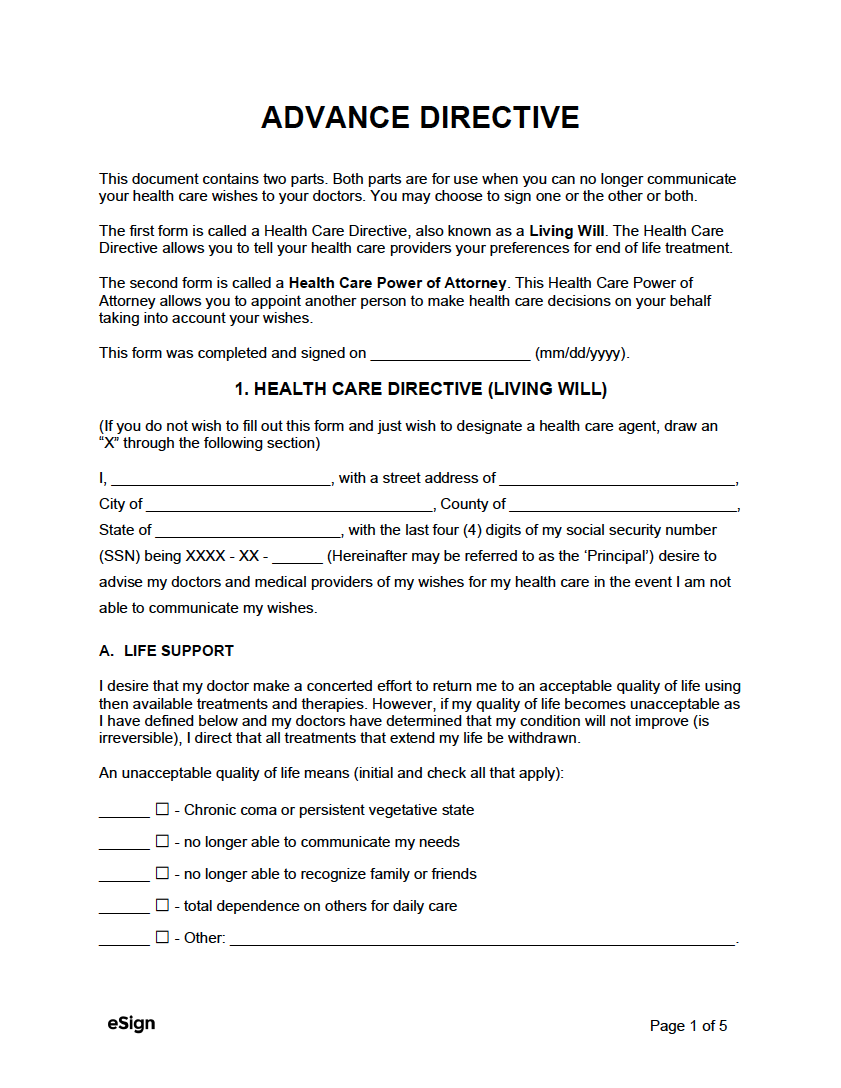
Credit: esign.com
Understanding Mental Health Care Directives
Understanding mental health care directives is essential for personal well-being. These directives provide clear instructions for future mental health care. They empower individuals to express their treatment preferences.
Advanced mental health care directives ensure that wishes are respected. They are crucial during periods when a person may not communicate effectively. This understanding promotes peace of mind and autonomy.
What Is A Mental Health Care Directive?
A mental health care directive is a legal document. It outlines a person’s mental health treatment preferences. This document is used during times of incapacitation. It guides healthcare providers and loved ones.
This directive ensures decisions align with personal values. It is a proactive approach to mental health management. Having one in place can alleviate stress in crisis situations.
Why Are Mental Health Care Directives Important?
Mental health care directives play a vital role in healthcare. They provide clarity and direction for care providers. This reduces confusion during critical moments.
They respect personal wishes and safeguard autonomy. Directives also help in avoiding unwanted treatments. They serve as a communication tool between patient and provider.
How To Create A Mental Health Care Directive
Creating a mental health care directive involves several steps. First, consider future mental health needs and preferences. Consult with healthcare professionals for guidance.
Next, document these preferences clearly and concisely. Legal assistance may be necessary for proper documentation. Finally, inform family and healthcare providers about the directive.
Who Should Have A Mental Health Care Directive?
Anyone can benefit from a mental health care directive. It is especially useful for those with mental health conditions. People undergoing treatment should consider having one.
It is also valuable for those anticipating healthcare changes. This document provides peace of mind for individuals and families.
Benefits Of A Mental Health Care Directive
An Advanced Mental Health Care Directive empowers individuals to specify their mental health treatment preferences. It ensures personal choices are respected during times of crisis. This directive provides clarity for healthcare providers and loved ones, promoting informed decisions and reducing stress in challenging situations.
In today’s fast-paced world, mental health can often take a backseat. However, safeguarding your mental well-being is crucial, and a Mental Health Care Directive can be an essential tool in this journey. Imagine having a roadmap that ensures your mental health needs are met even when you’re unable to express them yourself. Sounds empowering, right? Let’s dive into the Benefits of a Mental Health Care Directive.Personalized Care
A Mental Health Care Directive allows you to tailor your treatment preferences. It’s like having a say in your future care, even when circumstances might prevent you from speaking up. For instance, if you have a preferred medication or therapy, you can specify it in your directive. This can lead to a more personalized and effective treatment plan.Peace Of Mind
Knowing that your mental health care wishes are documented can bring a sense of peace. You don’t have to worry about decisions being made that aren’t aligned with your values. Have you ever been stressed about not being heard in critical situations? With a directive, your voice is amplified even in silence.Enhanced Communication
A directive can facilitate better communication between you and your healthcare providers. It acts as a bridge, ensuring everyone is on the same page regarding your care. Clear communication can prevent misunderstandings and ensure a smoother treatment process.Legal Protection
Your directive serves as a legal document that protects your rights. It ensures your preferences are respected and legally backed. Imagine the relief knowing that your choices are safeguarded by law, reducing potential disputes and ensuring your wishes are upheld.Empowering Loved Ones
By having a directive, you also empower those around you. It provides clarity for your family and friends, reducing the burden of making tough decisions on your behalf. Have you considered how relieved your loved ones would feel knowing they are honoring your choices?Proactive Approach
Creating a Mental Health Care Directive is a proactive step in managing your mental health. It’s about taking control of your future well-being. How often do we wish we had acted sooner? This directive ensures you’re prepared, no matter what life throws your way.Flexibility And Updates
Your directive isn’t set in stone. You can update it as your preferences evolve. Life changes, and so do our needs. Wouldn’t it be reassuring to know you can adapt your care plan over time? Reflect on these benefits, and consider how a Mental Health Care Directive might fit into your life. It’s about ensuring your mental health journey is as personalized and supported as possible.Key Components Of A Directive
An Advanced Mental Health Care Directive outlines your wishes for mental health care. It ensures your preferences are respected when you cannot make decisions. Understanding its key components helps create a comprehensive directive. Each section holds importance in shaping your future care.
Personal Preferences
Personal preferences guide your care. They reflect your values and beliefs. Specify what matters to you most. Include activities that bring comfort and peace. Your preferences help caregivers understand your needs better.
Treatment Options
Consider treatment options carefully. Specify therapies you prefer or wish to avoid. Mention medications that work best for you. Treatment options ensure your care aligns with your past experiences.
Emergency Contacts
Emergency contacts are vital. List trusted family or friends. They should know your wishes. Contacts act as advocates in urgent situations. Ensure they understand your directive fully.
Legal Considerations
Legal considerations protect your choices. Ensure your directive complies with state laws. A legal advisor can help with this. Secure your directive with signatures and witnesses. Legal steps validate your document.
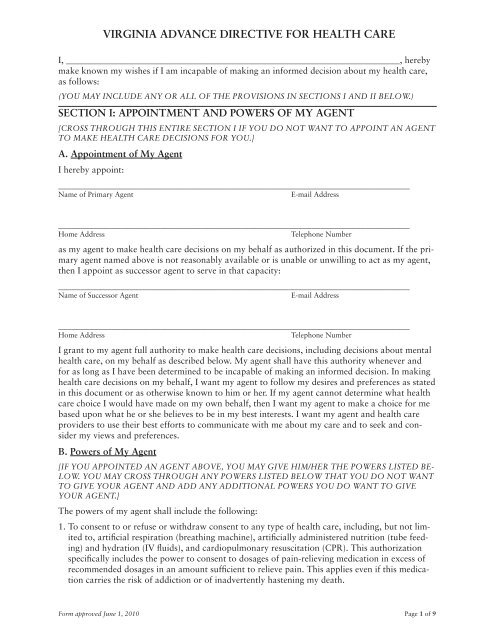
Credit: www.yumpu.com
Creating Your Directive
Creating your Advanced Mental Health Care Directive is crucial. It ensures your wishes are respected. This document guides your mental health care when you cannot. It is essential to choose the right person, write your directive clearly, and seek professional help.
Choosing A Trusted Advocate
Select someone you trust completely. This person will make decisions for you. They should understand your values and preferences. Communication is key. Discuss your wishes and expectations with them. Ensure they feel comfortable and confident.
Drafting Your Document
Write your directive in clear, simple language. Use short sentences. Specify your preferences for treatment and care. Include details about medications and therapies. You can also mention preferred healthcare facilities. Make sure it reflects your values and goals.
Consulting With Professionals
Consulting professionals ensures your directive is effective. Talk to mental health experts. They can provide insights into your specific needs. Legal experts can assist with proper documentation. This step ensures your directive is legally sound.
Legal Aspects And Validity
Creating an Advanced Mental Health Care Directive is a crucial step in planning for unforeseen circumstances when you might not be able to make decisions about your mental health treatment. However, understanding the legal aspects and ensuring the validity of this document can be daunting. Are you prepared to navigate the legal landscape to ensure your directive holds up when needed?
State-specific Regulations
Each state in the U.S. has its own set of laws governing Advanced Mental Health Care Directives. Some states offer comprehensive guidelines, while others may have minimal requirements. It’s essential to familiarize yourself with the regulations specific to your state to ensure your directive is valid.
Consider consulting with a legal expert or your healthcare provider to guide you through the process. They can help you understand the nuances of your state’s laws and how they apply to your directive. By doing so, you prevent potential legal challenges later.
Have you thought about how moving to a different state might affect your directive? It’s crucial to revisit and possibly update your document if you relocate, as the new state might have different requirements.
Ensuring Legal Compliance
Legal compliance is not just about ticking boxes; it’s about ensuring your wishes are honored. Start by clearly outlining your treatment preferences and appointing a trusted person to make decisions on your behalf.
Sign your directive in the presence of witnesses or a notary, as required by your state law. This step is often overlooked but is vital for ensuring your document is legally binding.
Review your directive periodically. Life circumstances change, and your directive should reflect your current wishes. Have you updated your directive recently to ensure it aligns with your current mental health care goals?
Lastly, communicate your directive to your healthcare providers and loved ones. They should know it exists and where to find it if needed. After all, a directive is only useful if it’s accessible and recognized by those who will act on it.
Communicating Your Wishes
Communicating your wishes is a vital step in crafting an Advanced Mental Health Care Directive. It ensures that your desires are understood and respected by those around you. By sharing your preferences, you empower others to support your mental health journey. This process can bring peace of mind for you and your loved ones. Clear communication helps avoid misunderstandings during critical moments. Let’s explore how to effectively convey your wishes to family, friends, and healthcare providers.
Talking To Family And Friends
Share your mental health care wishes openly with your family. Explain your preferences and the reasons behind them. Encourage them to ask questions for clarity. This dialogue strengthens trust and understanding. Friends can also play an important role. Inform close friends who may support you during challenging times. A simple conversation can make a significant difference. It ensures everyone is on the same page regarding your care.
Informing Healthcare Providers
Communicate your wishes clearly to your healthcare providers. Schedule a meeting to discuss your Advanced Mental Health Care Directive. Provide them with a copy of your directive. This ensures they have the information when needed. Ask them to include it in your medical records. Regularly review and update your directive with them. This keeps your care aligned with your current wishes. Effective communication ensures your health providers respect your decisions.
Reviewing And Updating
Reviewing and updating your Advanced Mental Health Care Directive is a crucial step in ensuring that your preferences are always accurately reflected. Life is dynamic; your views, health, and relationships can change over time. Regularly revisiting your directive helps to keep it aligned with your current wishes and circumstances.
Regular Reviews
Think of your directive as a living document. Schedule a review at least once a year to assess if your current wishes are still accurately represented. Significant life events, like a change in your health status or relationships, are also excellent prompts for a review.
Consider setting a recurring reminder on your calendar. This ensures you won’t overlook the need to check in with your directive. Regular reviews prevent outdated instructions from causing confusion during critical moments.
Amending Your Directive
When you need to update your directive, clarity is key. Begin by clearly writing down the changes you want to make. Make sure you communicate these amendments to your healthcare proxy and healthcare providers.
Updating your directive can be straightforward. Imagine discovering a new treatment option that aligns better with your preferences. Simply amend the document to reflect this new choice.
Don’t hesitate to ask yourself tough questions. Are your current healthcare instructions still in line with your values? Addressing these questions can guide you in making necessary amendments.
Engagement with your directive is an ongoing process. By staying proactive, you ensure your mental health care aligns with your evolving needs and desires.
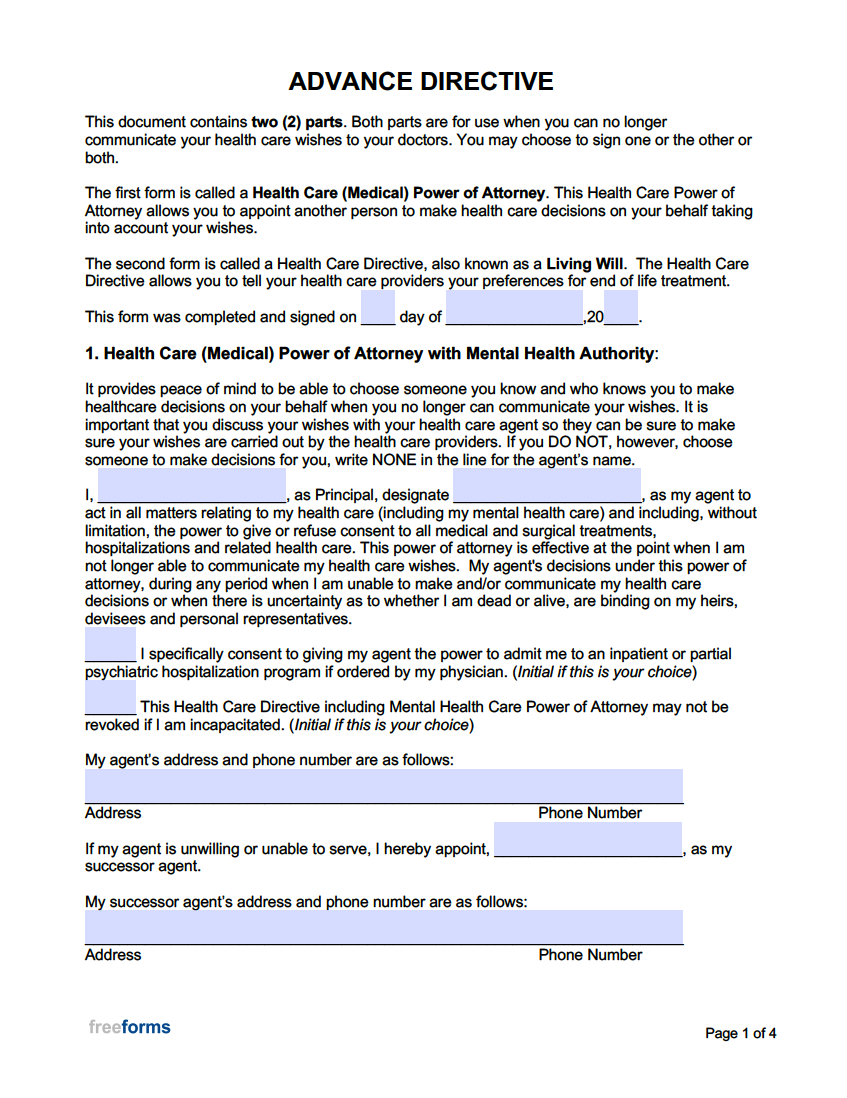
Credit: freeforms.com
Common Challenges And Solutions
Advanced Mental Health Care Directives empower individuals to outline their mental health care preferences. They face challenges that can hinder their effectiveness. Understanding these challenges and finding solutions is crucial. It ensures directives serve their intended purpose. Let’s explore common challenges and solutions.
Overcoming Stigma
Stigma surrounding mental health often discourages people from creating directives. Many fear judgment from others. Education is key to reducing stigma. Open conversations about mental health can change perceptions. Sharing experiences helps build understanding. It’s important to normalize discussions about directives. Encouraging acceptance can empower individuals.
Addressing Family Concerns
Family members may have concerns about directives. They might worry about making decisions during crises. Clear communication is vital to ease these concerns. Discussing preferences with family can foster trust. Involving them in the directive process can alleviate fears. Building a supportive environment strengthens the directive’s effectiveness. Encouraging families to learn about mental health can help.
Resources And Support
Advanced mental health care directives offer resources and support for planning future mental health treatment. They empower individuals to outline preferences, ensuring personalized care during challenging times. Access to expert guidance and community resources enhances understanding and implementation.
Navigating the complexities of an Advanced Mental Health Care Directive can feel overwhelming. Fortunately, numerous resources and support systems are available to guide you through the process. Whether you’re drafting your directive or seeking support to understand your rights, knowing where to find help is crucial.Accessing Legal Aid
Legal aid can be a game-changer when you’re drafting an Advanced Mental Health Care Directive. Many people aren’t aware that free or low-cost legal assistance is available. Contact your local legal aid office for guidance on drafting your directive. They can provide valuable insights into the legal requirements in your area. Consider reaching out to community legal clinics. These organizations often host workshops or clinics focused on mental health law.Finding Mental Health Advocates
Mental health advocates can play a pivotal role in your journey. They provide support, information, and encouragement, especially when navigating complex legal documents. Look for advocacy organizations in your community. They often have trained volunteers who can accompany you to appointments or meetings. Online platforms also offer valuable resources. Some websites connect you with peer advocates who have personal experience with mental health care directives. Have you ever felt alone in the process? Remember, you’re not. Advocates are there to ensure your voice is heard and your rights are respected. Feeling empowered and supported can make all the difference. Why not take the first step and reach out today?Frequently Asked Questions
What Is One Of The Purposes Of A Mental Health Advance Directive?
A mental health advance directive allows individuals to outline treatment preferences for future mental health care. It ensures personal choices are respected during crises when decision-making abilities might be impaired. This directive enhances autonomy and guides healthcare providers and loved ones in delivering appropriate care.
What Are The Drawbacks Of An Advance Directive?
Advance directives can be vague, leading to misinterpretation. They might not cover unexpected medical situations. Family members may disagree with the directive’s instructions. Regular updates are necessary to reflect changing wishes. Legal and state-specific requirements may complicate the process.
What Are The Three Types Of Advance Directives?
The three types of advance directives are living wills, durable power of attorney for healthcare, and healthcare proxies. Living wills state your medical care preferences. Durable power of attorney for healthcare allows someone to make medical decisions for you. Healthcare proxies designate a person to make healthcare decisions on your behalf.
What Is The Best Example Of A Psychiatric Advance Directive?
The best example of a psychiatric advance directive is a document detailing preferred treatments and medications. It includes specific instructions for mental health care during crises. This ensures patients’ treatment preferences are respected when they’re unable to communicate their wishes.
Conclusion
Advanced mental health care directives offer peace of mind. They guide treatment when patients can’t express their wishes. Planning ahead ensures personal values are respected. Loved ones find comfort knowing they honor your choices. Conversations about directives can be difficult but are essential.
They foster understanding and prepare families for tough decisions. Clear directives reduce stress during critical moments. Take time to think through your options. Consult professionals for advice and support. Your mental health care directive reflects your values. It’s an important step in proactive health management.
Ensure your voice is always heard, no matter what.








