Have you ever felt like your mind is a tangled web of stress and worries? You’re not alone.
Millions of people, just like you, seek ways to boost their mental well-being. What if you could find peace and clarity by moving your body? Imagine feeling more relaxed, focused, and happy. That’s the power of exercise for mental health.
It’s not just about sculpting muscles or losing weight. It’s a simple, natural way to nurture your mind. You’ll discover how certain exercises can help you feel better, think clearer, and live a more fulfilling life. Ready to unlock a healthier mind? Let’s dive in.
Credit: members.believeperform.com
Benefits Of Exercise For Mental Health
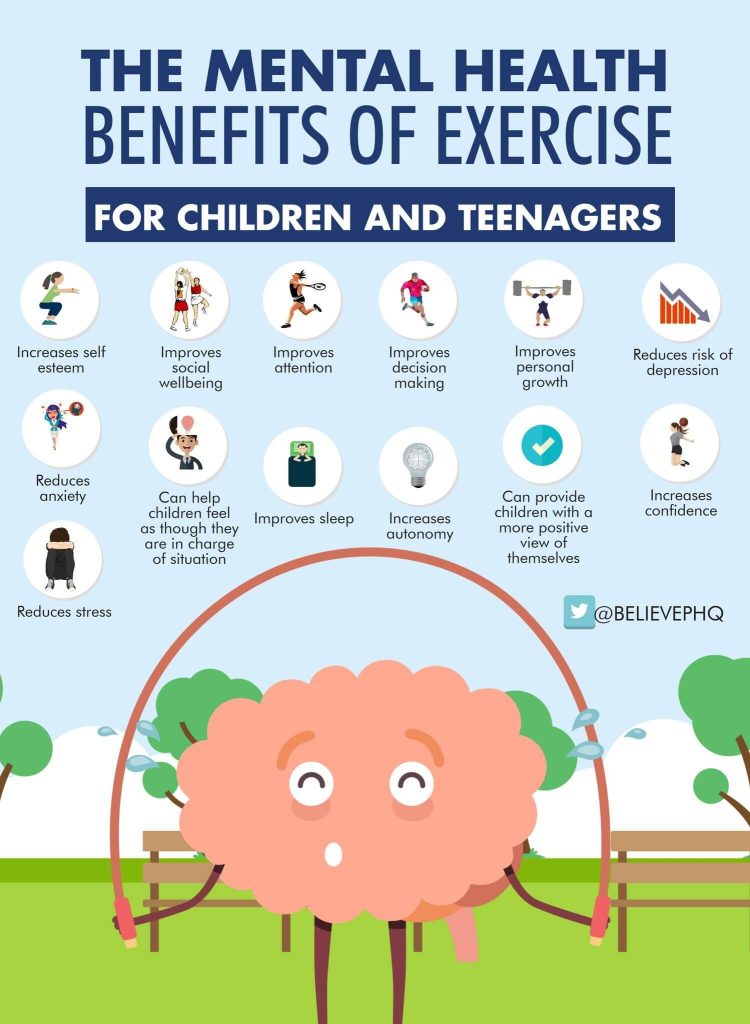
Exercise is more than just for physical health. It plays a vital role in mental well-being. Regular activity can improve mood, reduce anxiety, and promote better sleep. Engaging in physical activities offers numerous mental health benefits.
1. Boosts MoodExercise releases endorphins. These chemicals in the brain improve mood. They create a sense of happiness and relaxation. After a workout, people often feel a sense of achievement. This feeling can lift their spirits significantly.
2. Reduces AnxietyPhysical activities can lower anxiety levels. Exercise distracts from worries. It helps to focus on the present moment. This shift in attention reduces stress. The rhythmic movements in workouts like running provide calming effects.
3. Improves Sleep QualityRegular exercise can enhance sleep. It helps to fall asleep faster and deepens sleep. Good quality sleep is essential for mental health. It allows the brain to rest and recover. Exercise helps regulate sleep patterns naturally.
4. Enhances Self-EsteemPhysical activity boosts confidence. Achieving fitness goals strengthens self-esteem. Feeling stronger and healthier improves self-image. This positive self-view supports better mental health.
5. Increases Brain FunctionExercise improves cognitive abilities. It enhances memory and thinking skills. Physical activities increase blood flow to the brain. This leads to better focus and mental clarity. Staying active keeps the mind sharp.
Types Of Exercises For Mood Enhancement
Feeling down or stressed? Exercise can be a powerful tool to help boost your mood. Whether you’re dealing with a hectic day or just need a little pick-me-up, certain types of exercises are known for their mood-enhancing benefits. Let’s dive into some practical and effective exercises that can help lift your spirits and improve your mental health.
Aerobic Activities
Aerobic exercises, like jogging, swimming, or cycling, are excellent for mood enhancement. They increase your heart rate, improving blood flow and releasing endorphins—those feel-good chemicals that act as natural mood lifters. Imagine going for a brisk walk in the park; the fresh air and rhythmic movement can boost your energy levels and clear your mind.
Remember the last time you danced to your favorite song? That’s aerobic exercise too! Dancing not only keeps you physically active but also adds a fun element, making it easier to stick with. Next time you’re feeling blue, put on some music and dance around your living room.
Strength Training
Strength training is not just for building muscles; it can also enhance your mood. When you lift weights or engage in resistance exercises, your body releases dopamine, a neurotransmitter that helps regulate your mood. Even simple exercises, like squats or push-ups, can provide a sense of accomplishment.
Consider creating a routine with weights at home. Start small and gradually increase the intensity. As you notice your progress, you’ll feel more confident and motivated. It’s like setting a goal and achieving it—each step forward can bring joy and satisfaction.
Mind-body Exercises
Mind-body exercises, such as yoga and tai chi, are perfect for harmonizing your physical movements with mental focus. These exercises reduce stress and anxiety by promoting mindfulness and relaxation. Picture yourself in a quiet room, practicing deep breathing and gentle stretches; it’s a calming experience that can soothe your mind.
Have you ever tried meditation after a long day? Pairing meditation with yoga can amplify its mood-enhancing effects. You’ll find yourself more centered and present, ready to tackle challenges with a clear mind. It’s an opportunity to slow down and reconnect with yourself.
So, what type of exercise will you try today to elevate your mood? Remember, the key is finding something you enjoy, so it becomes a cherished part of your routine. Your mental health is as important as your physical well-being, and the right exercise can make all the difference.
Creating A Personalized Exercise Routine
Creating a personalized exercise routine can enhance mental health. It’s crucial to tailor exercises to fit individual needs. Personalizing your routine ensures it aligns with your lifestyle and preferences. This approach makes it sustainable and effective for mental well-being.
Assessing Your Current Fitness Level
Start by evaluating your current fitness level. Knowing where you stand helps in crafting a suitable routine. Consider your daily activity, energy levels, and any physical limitations. This self-assessment guides you in making informed choices.
Setting Achievable Goals
Set realistic goals to stay motivated. Begin with small, attainable targets. These small victories build confidence. Adjust your goals as you progress. This flexibility keeps you engaged and committed to your routine.
Incorporating Variety
Mix different exercises to keep things interesting. Include activities like walking, yoga, and cycling. Variety prevents boredom and boosts enthusiasm. Trying new activities can also challenge your body and mind. This balance nurtures both physical and mental health.
Overcoming Barriers To Exercise
Overcoming barriers to exercise can seem daunting. Many face challenges like time constraints, lack of motivation, or physical limitations. Yet, exercise is crucial for mental well-being. Understanding these barriers helps in crafting solutions. Here are practical strategies to tackle these common hurdles.
Time Management Tips
Finding time for exercise is challenging. Begin by scheduling workouts like appointments. Use a planner or digital calendar to block time. Consider shorter workouts for busy days. Even 10 minutes can benefit mental health. Multitask by combining exercise with daily activities. Walk or bike to work if possible.
Motivation Strategies
Staying motivated can be tough. Set realistic and achievable goals. Track progress to see improvements and stay motivated. Join a group or class for social support. Choose activities you enjoy to make exercise fun. Reward yourself for reaching milestones. Small rewards can boost motivation.
Dealing With Physical Limitations
Physical limitations shouldn’t stop exercise. Consult a doctor for personalized advice. Focus on activities that suit your abilities. Swimming or yoga can be gentle yet effective. Use adaptive equipment if needed. Modify exercises to match your comfort level. Listen to your body to prevent injury.
Exercise And Stress Reduction
Exercise can greatly aid mental health by reducing stress. Activities like yoga and walking calm the mind. Regular movement boosts mood and eases anxiety, promoting mental well-being.
Exercise is a powerful tool for stress reduction. Physical activity engages both the body and mind, offering a natural way to manage stress. It doesn’t matter if you’re running, lifting weights, or practicing yoga; each movement helps to diminish stress levels and boost your mood.Immediate Stress Relief
Exercise can provide immediate relief from stress. When you engage in physical activity, your body releases endorphins. These chemicals are known as natural painkillers and mood elevators. Imagine coming home after a stressful day at work. A quick 15-minute jog can clear your mind and help you feel rejuvenated. Even a brisk walk during your lunch break can make a noticeable difference. Have you ever tried a quick set of jumping jacks or stretches during a stressful moment? These short bursts of activity can ground you, helping you to focus and feel more in control.Long-term Stress Management
Regular exercise promotes long-term stress management. Consistency in physical activity can strengthen your mind’s resilience to stressors. Over time, you’ll notice that stressful situations become more manageable. Think about setting a routine that includes activities you enjoy. Whether it’s dancing, hiking, or swimming, doing something you love makes it easier to stick with. Consider how exercise can become a part of your daily routine. Maybe you start your mornings with yoga or end your day with a calming walk. These habits not only improve your physical health but also bolster your mental fortitude. What if you could turn exercise into a shared experience? Joining a fitness class or club can add a social element, providing a sense of community and support. This can help reduce feelings of isolation and offer additional stress relief. By incorporating these practices, you not only address immediate stress but also build a foundation for long-term mental well-being. How will you integrate exercise into your life to enhance your mental health?Social Benefits Of Group Activities
Group activities offer numerous social benefits for mental health. Engaging with others fosters a sense of belonging. This connection can reduce feelings of loneliness. It also provides a support system. Group exercises encourage interaction and teamwork. Participants often feel more motivated and inspired. These activities can be a fun way to meet new people. They help build relationships that extend beyond the exercise setting.
Building A Support Network
Joining group activities can lead to lasting friendships. Participants often share common goals and interests. This shared experience strengthens bonds. A support network is crucial for mental health. It offers encouragement and understanding. Friends in these groups provide emotional support. They listen and offer advice when needed. A strong support network improves overall well-being. It also increases resilience during tough times.
Enhancing Motivation Through Group Dynamics
Group dynamics play a big role in boosting motivation. Exercising with others creates a sense of accountability. Participants feel encouraged to show up and give their best effort. Groups often set collective goals. This shared purpose drives individuals to push harder. Friendly competition can also enhance motivation. Seeing others’ progress inspires personal improvement. Group activities make exercises more engaging and rewarding.
Mindfulness And Physical Activity
Mindfulness paired with physical activity boosts mental health. Yoga and tai chi combine gentle movements with focused breathing. Walking outdoors connects mind and nature, enhancing mood and reducing stress.
In today’s fast-paced world, the connection between mindfulness and physical activity has become more essential than ever. It’s not just about moving your body; it’s about being present in every movement. Mindfulness in exercise combines the benefits of physical activity with the mental clarity of being fully aware. This approach to fitness can transform your mental health, creating a more balanced and peaceful life. How can you make every exercise session a mindful experience? Let’s dive into some practical ways to achieve this.Integrating Mindfulness In Exercise
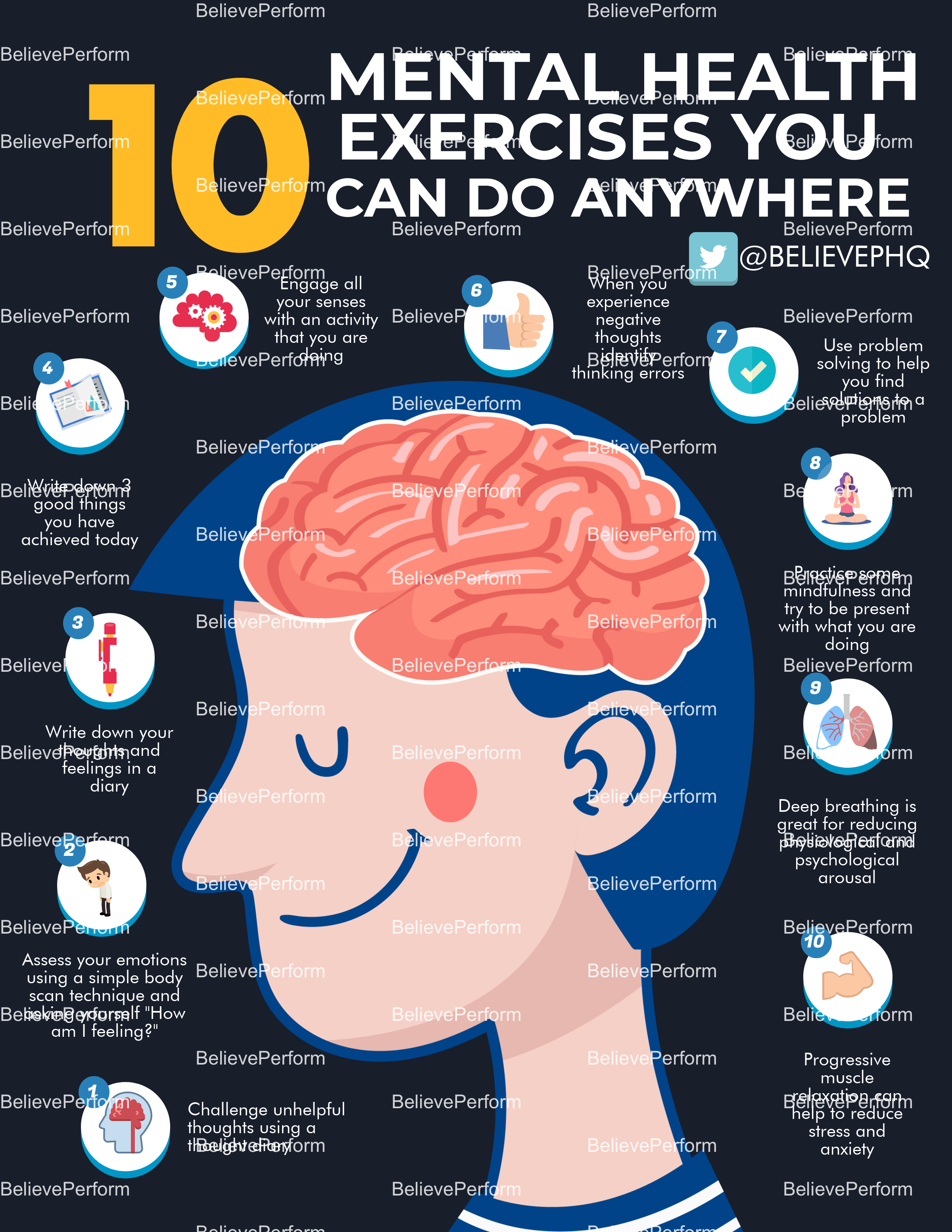
Imagine you’re out for a run, but instead of focusing on how fast you’re going or how many calories you’re burning, you tune into the rhythm of your breath and the sensation of your feet touching the ground. This is the essence of integrating mindfulness into exercise. Start by setting a clear intention for your workout. Whether it’s to relieve stress or simply enjoy the movement, having a purpose helps focus your mind. Pay attention to how your body feels with each movement. Are your muscles tense or relaxed? Listen to your body and adjust your pace as needed. Remember, it’s not about pushing harder; it’s about being aware of your limits and respecting them.Benefits Of Mindful Movement
Mindful movement doesn’t just enhance your workout; it has profound effects on your mental health. By being present, you reduce anxiety and stress levels. Your mind gets a break from constant chatter, allowing you to enjoy the moment. Engaging in mindful exercises like yoga or tai chi can improve your emotional resilience. These activities teach you to stay grounded even when life gets chaotic. You might also notice improved concentration and clarity in your daily life. When you practice mindfulness during physical activity, you train your brain to focus better in other areas too. Consider trying a mindful walking practice. Walk slowly, focusing on each step and the sensations in your body. How does this shift your mood and perspective? By embracing mindful movement, you create a space for mental and physical harmony, making your exercise routine a true sanctuary for wellness.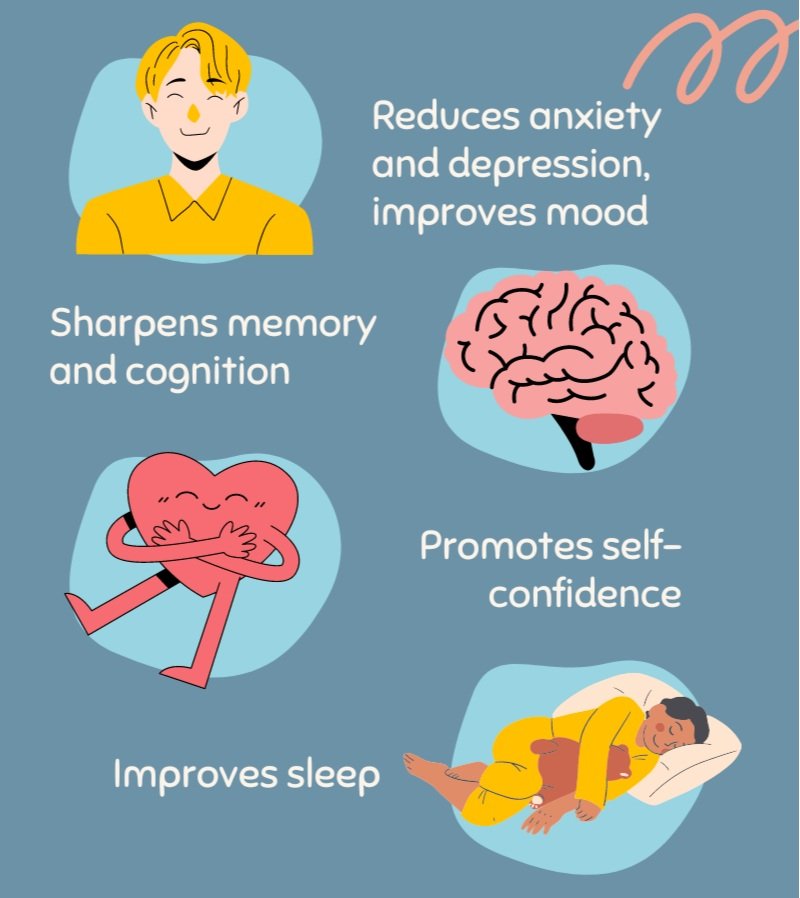
Credit: www.mygoodbrain.org
Tracking Progress And Celebrating Success
Tracking progress and celebrating success are essential in mental health exercises. They provide motivation and help in recognizing growth. Celebrating small victories can boost confidence and improve mental well-being.
Using Fitness Journals
Fitness journals are a powerful tool for tracking progress. Write down daily activities and exercises. Record how each workout makes you feel. This can help identify patterns and improve routines.
Journals offer a chance to reflect on achievements. Seeing past successes can be motivating. It encourages continued effort and commitment. A journal shows how far you’ve come in your mental health journey.
Setting Milestones
Setting milestones is crucial for progress. Break larger goals into smaller, achievable steps. This makes goals feel less overwhelming. Each milestone reached is a reason to celebrate.
Milestones provide a sense of direction. They make progress measurable and visible. Achieving them boosts morale and encourages persistence. Celebrate each milestone to reinforce positive behavior.

Credit: www.limberhealth.com
Frequently Asked Questions
What Exercise Is Good For Mental Health?
Aerobic exercises like walking, running, and cycling boost mental health. Yoga and meditation improve stress management. Strength training enhances mood and reduces anxiety. Regular physical activity releases endorphins, promoting happiness. Aim for at least 30 minutes daily for optimal mental well-being.
What Are The 5 C’s Of Mental Health?
The 5 C’s of mental health are Connection, Coping, Control, Contribution, and Character. Connection involves building supportive relationships. Coping refers to managing stress effectively. Control means having a sense of personal agency. Contribution relates to giving back to others. Character involves developing personal strengths and values.
What Are 5 Ways To Improve Mental Health?
Exercise regularly to boost mood and energy levels. Practice mindfulness and meditation to reduce stress. Maintain social connections for emotional support. Eat a balanced diet for brain health. Ensure adequate sleep to enhance mental wellness.
What Exercises Are Good For Stress And Anxiety?
Yoga, deep breathing, and meditation reduce stress and anxiety. Walking, jogging, and cycling improve mood and promote relaxation. Engaging in tai chi or pilates enhances mental clarity. Regular exercise boosts endorphin levels, easing anxiety symptoms. Try activities like dancing or swimming for added enjoyment and stress relief.
Conclusion
Embracing exercises for mental health boosts overall well-being. Physical activity reduces stress and anxiety. It also enhances mood and mental clarity. Regular exercise can improve sleep quality. Consistency is key for long-term benefits. Start with simple activities. Walking or stretching can be effective.
Discover what works best for you. Listen to your body and mind. Find joy in movement. Small steps lead to big changes. Remember to consult a professional if needed. Exercise not only shapes the body but also nurtures the mind.
Prioritize mental health through active living. Your well-being deserves attention and care.








